
Teaching your dog to be independent is a rewarding process, and it’s not as complicated as you might think. It’s all about building trust and clear communication. This guide will walk you through the steps, from understanding your dog’s signals to teaching them useful commands and skills that help them feel more confident on their own. We’ll cover how to train a dog to be independent, making sure your furry friend is happy and well-adjusted.
Key Takeaways
- Understanding your dog’s specific needs, like their body language and personality, is the first step to successful training.
- Setting clear goals and being consistent are vital for teaching your dog independence.
- Basic obedience commands like ‘sit,’ ‘stay,’ and ‘come’ are the building blocks for a well-behaved and independent dog.
- Encouraging your dog to play alone and get used to short periods of solo time helps build their self-sufficiency.
- Addressing challenges like separation anxiety and distractions, and knowing when to get professional help, are important parts of the training journey.
Understanding Your Dog’s Unique Needs
Every dog is an individual, and figuring out what makes them tick is the first step toward helping them become more independent. It’s not a one-size-fits-all situation, and what works for one dog might not work for another. Paying attention to the little things can make a big difference in how successful your training journey is.
Deciphering Canine Body Language
Dogs can’t tell us in words when they’re happy, stressed, or confused, so we have to learn their language. This means watching their tail wags, ear positions, and overall posture. A loose, wagging tail with a relaxed body usually means a happy dog, but a stiff tail held high can signal arousal or even aggression. Similarly, flattened ears might mean fear, while ears perked forward show interest. Learning to read these signals helps you understand if your dog is comfortable with a training exercise or if they need a break. It’s like learning a new language, and the more you practice, the better you get.
Recognizing Individual Personality Traits
Beyond general breed tendencies, each dog has their own quirks and personality. Some dogs are naturally bold and curious, while others are more reserved or sensitive. A shy dog might need a slower introduction to new experiences and more reassurance, whereas a confident dog might be ready to tackle challenges head-on. Think about whether your dog is a social butterfly or a bit of a homebody, or if they tend to be easily distracted or highly focused. Knowing these traits helps you set realistic expectations and adjust your training approach accordingly. For instance, a dog that’s naturally anxious might benefit from a more gradual introduction to being alone, while a very independent dog might pick up on solo activities more quickly. It’s about working with your dog’s natural disposition, not against it. You can find more about specific dog traits and training needs at service dog requirements.
Tailoring Training to Age, Breed, and Size
Your dog’s age, breed, and size all play a role in how they learn and what they’re capable of. Puppies have short attention spans and need frequent, short training sessions. Adult dogs might be more focused but could have established habits that need to be unlearned. Certain breeds, like herding dogs, are often eager to please and learn quickly, while others, like hounds, might be more independent thinkers due to their history of working alone. Size can also be a factor; a large dog might need different physical considerations during training than a small one. For example, teaching a Great Dane to ‘stay’ might involve different physical cues than teaching a Chihuahua. It’s important to consider these factors when setting goals and choosing training methods. What works for a young, energetic Border Collie will likely be different from what works for an older, calmer Basset Hound.
Understanding these individual differences is the bedrock of effective training. It allows you to create a plan that respects your dog’s unique makeup, leading to a more positive and productive learning experience for both of you.
Establishing a Foundation for Independence
Getting your dog to be more independent isn’t just about teaching them tricks; it’s about building a solid base of trust and clear communication. Think of it like building a house – you need a strong foundation before you can add the fancy stuff. This means setting realistic expectations and being super consistent with your training methods. Dogs thrive on routine and knowing what’s expected of them. When you’re clear and predictable, they feel more secure, which in turn helps them feel confident enough to be on their own for short periods.
Setting Clear and Achievable Training Goals
When you start training, don’t try to do too much at once. Break down what you want your dog to learn into small, manageable steps. For example, instead of aiming for your dog to stay alone for an hour right away, start with just a few minutes. Celebrate every little success along the way. This makes the whole process less overwhelming for both you and your dog. It’s all about progress, not perfection, and setting goals that you can actually reach makes it more likely you’ll stick with it.
The Importance of Consistency in Training
Consistency is really the secret sauce in dog training. If you sometimes allow your dog on the couch and other times you don’t, they’ll get confused. Use the same commands, the same hand signals, and the same rewards every single time. This predictability helps your dog understand what you want them to do. It also means everyone in the household needs to be on the same page. If one person is strict and another is lenient, your dog won’t know who to listen to. Making sure everyone follows the same rules is key to building that reliable foundation. You can find some great tips on establishing good manners at dog training resources.
Positive Reinforcement for Building Trust
Using positive reinforcement is all about rewarding your dog for doing the right thing. This could be a tasty treat, a favorite toy, or just some enthusiastic praise. When your dog associates good behavior with good things happening to them, they’re much more likely to repeat that behavior. This method also builds a really strong bond between you and your dog. They learn that listening to you leads to good outcomes, and that makes them want to engage with you more. It’s a much more enjoyable way to train than using punishment, which can create fear and anxiety. This approach helps your dog feel safe and confident, which is exactly what you need for them to develop independence.
Essential Commands for an Independent Dog
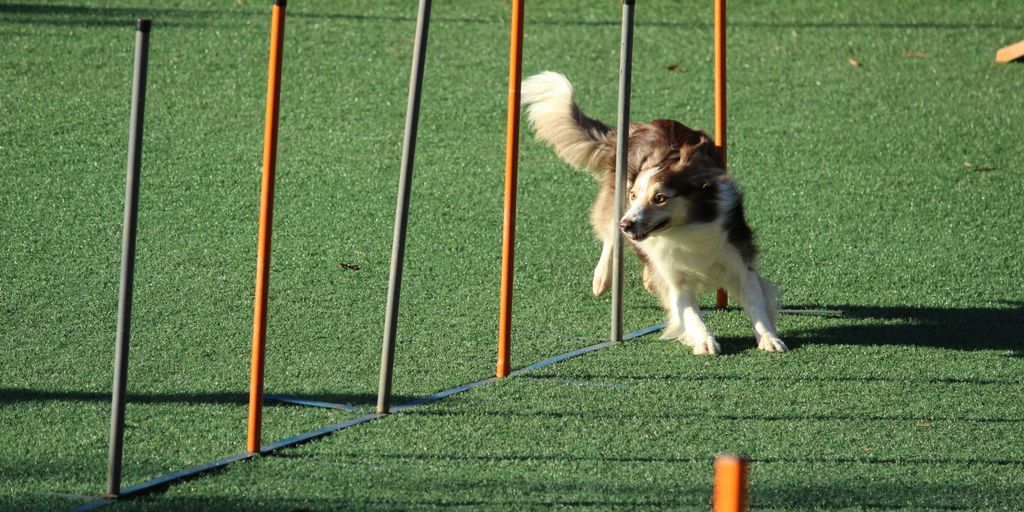
Teaching your dog basic commands is more than just a fun party trick; it’s the bedrock of communication and safety, especially when you’re aiming for a more independent companion. These commands build a shared language, allowing your dog to understand what you expect and giving them the confidence to respond appropriately, even when you’re not right beside them. Think of it as giving your dog the tools to navigate the world with you.
Mastering Basic Obedience Cues
Getting the basics down is super important. Commands like ‘sit’, ‘down’, and ‘stay’ are the building blocks for everything else. They help manage your dog’s energy and focus, making them more receptive to learning. When your dog reliably responds to these cues, it shows they’re paying attention and are willing to work with you. This isn’t about forcing them; it’s about clear communication and building a positive association with following directions. Remember, consistency is key here – use the same words and hand signals every time.
Teaching ‘Stay’ and ‘Wait’ Commands
These two commands are gold for fostering independence. ‘Stay’ teaches your dog to hold a position until you release them, which is fantastic for safety and impulse control. ‘Wait’ is similar but often used for things like waiting at a doorway or before eating. Practicing these in short bursts, gradually increasing the duration and distance, helps your dog learn to be calm and patient without constant supervision. It’s about building their ability to self-regulate.
The ‘Come’ Command for Reliable Recall
A solid ‘come’ command, or recall, is arguably the most critical for your dog’s safety. You want your dog to return to you when called, no matter what’s going on around them. This takes practice and making yourself the most exciting thing in their environment. Use high-value rewards when they come back – think special treats or a favorite toy they don’t get often. A reliable recall means you can give your dog more freedom because you trust they’ll come back when you need them to. It’s a huge step towards independence and peace of mind for you. You can find more tips on making recall fun and effective at training a dog.
Developing Self-Sufficiency Skills
Teaching your dog to be independent means helping them feel comfortable and capable when they’re on their own. It’s not about leaving them to fend for themselves, but rather building their confidence so they can entertain themselves and relax without constant supervision. This is super important for their overall well-being and can really cut down on problem behaviors that pop up when dogs get bored or anxious.
Encouraging Independent Play
Independent play is a big part of a dog learning to entertain themselves. You can start by giving them a puzzle toy filled with treats. These toys make dogs work a bit to get their reward, which keeps their minds busy. Another good option is a durable chew toy. The key is to provide toys that are safe and engaging enough for them to focus on for a decent amount of time. You want them to associate being alone with fun activities, not boredom. It’s like giving them their own little project to tackle.
Teaching Your Dog to Settle on Their Own
Getting your dog to settle down by themselves is a skill that takes practice. Start by asking them to lie down in their bed or a designated spot. Reward them with a treat or praise when they stay there calmly. Gradually increase the amount of time they need to stay settled before getting a reward. If they get up, just calmly guide them back to their spot without making a big fuss. This helps them learn that staying put is a good thing. It’s about teaching them to relax and be content in their own space.
Gradual Exposure to Solo Time
Leaving your dog alone for short periods is how they learn to handle being by themselves. Start small. Leave the room for just a minute or two, then come back. Make sure you don’t make a big deal out of leaving or returning. Keep your departures and arrivals low-key. As your dog gets more comfortable, slowly increase the time you’re gone. You can build up to leaving them for 15 minutes, then 30, and so on. This gradual approach helps prevent separation anxiety and teaches them that you always come back. It’s a process, and patience is definitely key here. You can find more tips on building your dog’s confidence when you’re away at dog independence training.
Building your dog’s ability to be alone is a marathon, not a sprint. Celebrate small victories and don’t get discouraged by setbacks. Every dog learns at their own pace, and consistency is your best friend.
Navigating Training Challenges
Sometimes, training doesn’t go exactly as planned. It’s normal to hit a few bumps in the road when teaching your dog new things, especially when you’re aiming for independence. Don’t get discouraged if your dog seems a bit confused or overly reliant on you at first. We’ll look at some common hurdles and how to get past them.
Addressing Separation Anxiety
Separation anxiety is a big one for dogs who are used to constant companionship. It’s when your dog gets really stressed out when you leave. Signs can include destructive chewing, excessive barking or howling, or even accidents in the house. The key is to help your dog feel safe and secure when they’re alone. Start small. Leave for just a few minutes, then come back before they get too upset. Gradually increase the time you’re gone. Make sure your dog has plenty of things to do while you’re away, like puzzle toys filled with treats. It’s also helpful to make departures and arrivals low-key – no big fuss. This helps your dog understand that you leaving isn’t a huge deal. If it’s really bad, you might need to look into professional help or specific products designed to calm anxious dogs. You can find some good advice on managing this issue at dog behavior issues.
Managing Distractions During Training
Your dog might be a superstar in the living room, but the moment you step outside, it’s like they’ve never heard a command before. That’s distractions at play! Things like other dogs, people walking by, squirrels, or even interesting smells can pull your dog’s attention away. When you’re trying to build independence, you need to teach your dog that they can still focus on you even when there’s fun stuff happening around them. Start training in a quiet place, then slowly introduce mild distractions. If your dog gets too distracted, it means you’ve moved too fast. Go back to an easier step where they can succeed. Reward them heavily for focusing on you amidst the chaos. It’s a process, and patience is really important here.
When to Seek Professional Guidance
Most of the time, you can handle training challenges on your own with a little research and persistence. However, there are times when bringing in a professional trainer or a veterinary behaviorist is the best move. If your dog shows severe aggression, extreme fear, or debilitating anxiety that doesn’t improve with your efforts, it’s time to call in the experts. They have the experience and tools to assess complex situations and develop a tailored plan. Don’t hesitate to reach out if you feel stuck or if your dog’s behavior is causing significant stress for you or your family. Getting professional help can make a world of difference for both you and your dog.
Maintaining Independence Through Practice
Keeping your dog’s independence sharp after they’ve learned the ropes is all about consistent practice and keeping things interesting. It’s not a one-and-done deal, you know? Think of it like maintaining any skill – if you don’t use it, you lose it. So, we need to keep reinforcing what they know and maybe introduce a few new things to keep their minds buzzing.
Reinforcing Learned Behaviors
This is where you solidify all that hard work you’ve put in. It means regularly asking your dog to do things they already know, like staying put when you leave the room or coming when called, even when there are distractions. Consistency is key here. If you sometimes let them get away with not listening, they’ll start to think that’s an option. Use those positive reinforcement techniques we talked about earlier – a quick praise, a favorite treat, or a good scratch behind the ears can go a long way. It’s about making sure they understand that listening and being independent is always the best choice.
Introducing New Challenges
Once the basics are solid, it’s time to mix it up a bit. This keeps your dog engaged and prevents them from getting bored. You can try adding new commands, like teaching them to fetch a specific toy or to put their toys away. You could also increase the difficulty of existing exercises. For example, if they’re good at staying in one room, try having them stay while you go outside for a minute. It’s about gradually pushing their boundaries in a positive way. Remember to keep these sessions short and fun, just like the initial training. We want them to see new challenges as exciting opportunities, not stressful events. You can find some great ideas for new tricks and challenges at dog training resources.
The Role of Mental Stimulation
Mental workouts are just as important as physical ones for an independent dog. A tired dog is a good dog, but a mentally stimulated dog is a happy and well-behaved dog. This can be anything from puzzle toys that dispense treats to learning new scent games. Even just practicing their known commands in different environments counts as mental work. It helps them think on their feet and apply what they’ve learned in new situations. This kind of stimulation really helps prevent boredom, which can often lead to unwanted behaviors. Keeping their brain active is a big part of maintaining their independence and overall well-being.
Keeping your dog independent and well-behaved is all about consistent practice. Simple exercises done regularly can make a big difference in your dog’s confidence and your bond. Want to learn more about effective training methods? Visit our website for expert tips and resources to help your furry friend thrive!
Wrapping Up: Your Journey to an Independent Dog
So, we’ve gone over a lot of stuff about teaching your dog to be more on their own. It’s not always easy, and sometimes you might feel like you’re not making any progress, but stick with it. Remember that every dog learns differently, and what works for one might not work for another. The most important thing is to be patient and keep things positive. Building this kind of independence takes time, but the payoff is huge – a happier, more confident dog and a stronger bond between you two. You’ve got this!
Frequently Asked Questions
How long does it usually take to train a dog?
Training a dog takes time and patience. For basic commands, it can take anywhere from 4 weeks to 6 months, depending on your dog’s age, breed, and how often you practice. Puppies might learn faster but need shorter, more frequent sessions. Adult dogs might take longer to unlearn old habits but can focus for longer periods.
What’s the best way to reward my dog during training?
Positive reinforcement is super important! It means rewarding your dog with treats, praise, or toys when they do something right. This makes learning fun and helps your dog trust you. It’s way better than punishing them, which can make them scared or anxious.
When is the best time to start training my puppy?
You can start training your puppy as soon as they are about 8 weeks old! Keep training sessions short, around 5 to 10 minutes, and make them fun with treats and praise. Focus on simple commands like ‘sit’ and ‘come’.
Can I train my dog on my own, or do I need a professional?
Yes, you can train your dog yourself! It’s a great way to bond. However, if you have a dog with serious behavior issues, a very stubborn dog, or a really busy schedule, hiring a professional trainer can help you get faster results and expert advice.
What factors influence how fast a dog learns?
Every dog is different! Things like your dog’s age (puppies learn fast but have short attention spans), breed (some breeds are eager to please, others are more independent), and what motivates them (food, toys, praise) all affect how quickly they learn. How you train and how consistent you are also play a big role.
What are the most essential commands every dog should know?
The most important basic commands are ‘sit,’ ‘stay,’ ‘come,’ ‘down,’ and ‘wait.’ These commands help with safety and good manners. Teaching your dog to come when called is especially important for their safety.