
If you’ve got a pup that has a knack for snacking on poop, you’re not alone. This behavior, known as coprophagia, is more common than you might think. It can be frustrating and downright gross for dog owners. But don’t worry! There are effective ways to tackle this issue. In this article, we’ll explore the reasons behind this behavior and share practical strategies to help you stop a dog from eating poop.
Key Takeaways
- Understanding the reasons behind coprophagia can help you address it effectively.
- Immediate cleanup of feces is crucial to prevent your dog from eating it.
- Training commands like ‘Leave It’ can redirect your dog’s attention away from poop.
- Dietary changes, including adding fiber, may reduce the urge to eat feces.
- Consulting a vet is important if the behavior persists, as it could indicate health issues.
Understanding Why Dogs Eat Poop
It’s a pretty gross habit, let’s be honest. Discovering your dog has a penchant for eating poop, scientifically known as coprophagia, can be unsettling. It’s more common than you might think, though. While it disgusts us humans, it’s important to understand the reasons behind this behavior before you can effectively address it.
Common Reasons for Coprophagia
There are a bunch of reasons why dogs might eat poop. Puppies often do it as part of their exploration of the world, putting everything in their mouths. Sometimes, it’s a learned behavior, mimicking their mothers who clean up after them. Other times, it could be related to diet or even underlying health issues. It’s not always a sign of something serious, but it’s worth investigating.
The Role of Diet in Poop Eating
Diet plays a big role. If a dog isn’t getting enough nutrients from their food, they might turn to poop to supplement their diet. This could be due to a deficiency in vitamins, minerals, or enzymes. Some dogs might have trouble absorbing nutrients properly, leading them to seek out other sources. Switching to a higher-quality dog food or adding supplements might help.
Behavioral Triggers for Poop Consumption
Sometimes, it’s not about what’s missing in their diet, but about their behavior. Dogs might eat poop out of boredom, anxiety, or stress. In multi-dog households, competition for resources can also lead to coprophagia. Training and environmental enrichment can help address these behavioral triggers.
It’s important to remember that dogs evolved as scavengers. Their idea of what’s tasty might be different from ours. While we find it repulsive, they might see it as a readily available food source, especially if they’re not getting enough to eat or are simply curious.
Practical Solutions to Stop Coprophagia
Okay, so your dog’s eating poop. Gross, right? But don’t worry, there are things you can do! It’s not an overnight fix, but with some effort, you can usually curb this habit. It’s all about consistency and understanding what motivates your dog.
Immediate Cleanup of Feces
This one’s pretty straightforward: scoop that poop ASAP! The less time it sits around, the less opportunity your dog has to snack on it. I know it’s not the most glamorous job, but it’s super effective. Think of it as a preventative measure. Make it a habit to do a quick sweep of the yard after your dog does their business. You can also minimize access to feces by keeping the yard clean.
Training Cues like ‘Leave It’
Teaching your dog the ‘Leave It’ command is a game-changer. It’s not just for poop; it’s useful for all sorts of situations where you want your dog to ignore something. Start with something less tempting than poop, like a toy or treat. Hold it out, say ‘Leave It,’ and if your dog ignores it, reward them with a different, even better treat. Gradually increase the difficulty. Once they’ve mastered it with toys, you can try it outside, but be prepared with high-value rewards. Consistency is key here.
Using Deterrents in the Environment
There are products you can spray on poop to make it taste awful to dogs. I’ve tried a few, and some work better than others. Read the reviews before you buy! You can also try adding things to your dog’s food that make their poop taste bad. Some people swear by pineapple, while others use specific supplements. It’s worth a shot, but it doesn’t work for every dog. Remember to consult with your vet before adding any new supplements to your dog’s diet.
One thing I learned the hard way is that you have to be consistent with these deterrents. If you only spray the poop sometimes, your dog might just decide it’s worth the risk. And if you stop using the deterrent, the poop-eating might come right back. So, stick with it!
Dietary Adjustments to Curb Poop Eating
Balanced Nutrition for Dogs
It’s pretty common for dogs to eat poop, and sometimes it’s linked to what they’re eating. Making sure your dog gets a balanced diet is super important. Think of it like this: if they’re missing something in their food, they might try to find it in poop.
- Choose high-quality dog food. Read the labels!
- Look for food with real meat as the main ingredient.
- Avoid fillers and artificial stuff.
Supplements to Consider
If you suspect your dog’s diet is lacking, supplements might help. Some owners have had success with digestive enzyme supplements for dogs, especially those containing papain, which aids digestion. There’s also the theory that a vitamin B deficiency could be the culprit, so a dog multivitamin might be worth exploring. Always chat with your vet before adding anything new to their diet, though!
It’s worth noting that some believe modern dog food, with its higher carb content, might not be meeting all their nutritional needs. Supplements can help bridge that gap.
High-Fiber Diet Benefits
Fiber can play a big role in your dog’s digestive health and might even deter poop eating. A diet higher in fiber can improve feces consistency. Here’s why:
- Fiber helps with digestion.
- It can make poop less appealing.
- Consider adding things like pumpkin or sweet potato to their meals.
Switching to a diet higher in fiber may also be helpful. It will be important to discuss a dietary change with your veterinarian to determine if this is necessary and to get the veterinarian’s opinion on the best dietary options and how to safely switch to a new food.
Training Techniques to Discourage Poop Eating
Positive Reinforcement Methods
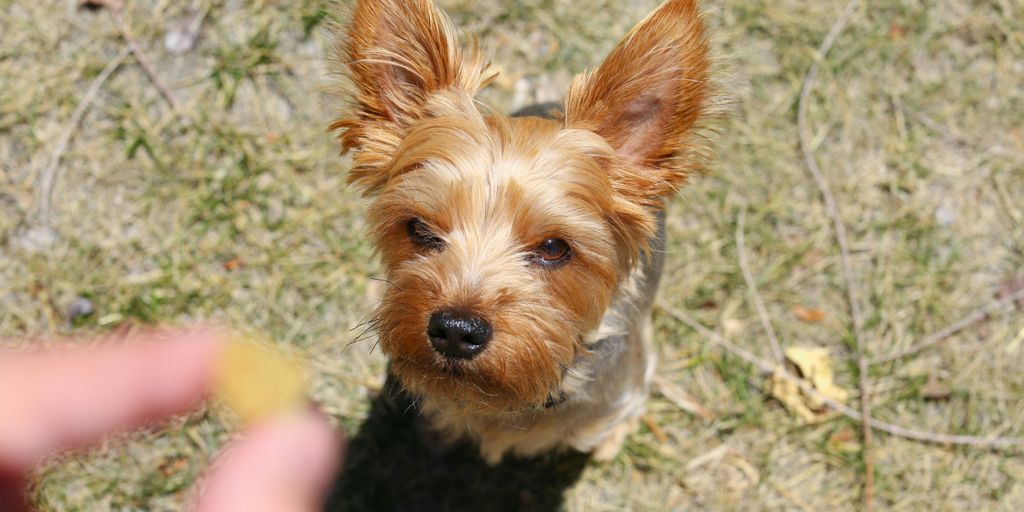
Positive reinforcement is a great way to train your dog. It focuses on rewarding good behavior rather than punishing bad behavior. When you see your dog about to eat poop, and they stop or come to you when called, shower them with praise and a tasty treat. This makes them more likely to repeat the desired action in the future.
- Use high-value treats that your dog loves.
- Keep training sessions short and fun.
- Be consistent with your rewards.
Establishing Commands
Teaching your dog specific commands can be super helpful. The "Leave it" command is especially useful in preventing poop eating. Start by showing your dog a treat in your hand. Say "Leave it." If they try to get the treat, close your hand. Once they stop trying, give them the treat from the other hand. Repeat this process until they understand that "Leave it" means to ignore something. You can also train your dog to come when called.
Redirecting Attention During Walks
During walks, keep a close eye on your dog. If you see them approaching poop, redirect their attention immediately. Use a toy, a treat, or a verbal command to get them to focus on something else. This helps them associate walks with fun activities other than poop eating. Using a leash during walks can also help you control their movements and prevent them from accessing feces.
It’s important to be patient and consistent with training. It takes time for dogs to learn new behaviors, and setbacks are normal. Don’t get discouraged if your dog slips up occasionally. Just keep practicing and reinforcing the desired behaviors.
Environmental Management for Dogs
Keeping the Yard Clean
Okay, so you’re trying to stop your dog from eating poop, right? One of the most straightforward things you can do is keep their environment clean. This means regularly cleaning up your yard. I know, it’s not the most glamorous job, but it’s super effective. Think about it: no poop, no temptation! Make it a daily thing, or at least every other day, to scoop the poop. This is especially important if you have multiple dogs or other animals using the same space. Plus, a clean yard is just nicer for everyone. You can even get those special poop bags and a scooper to make the job a little less gross. Trust me, your dog (and your nose) will thank you. Also, consider the areas your dog frequents the most and pay extra attention to those spots. This simple act can significantly reduce the opportunities for your dog to indulge in this unpleasant habit. Keeping the dog’s living area clean is key.
Supervised Outdoor Time
Supervising your dog when they’re outside is another big piece of the puzzle. It’s like keeping an eye on a toddler – you can’t just let them roam free and expect good things to happen. When you’re outside with your dog, pay attention. Watch what they’re sniffing, where they’re going, and what they’re trying to put in their mouth. If you see them heading towards a suspicious pile, redirect them immediately. This is where training cues like "leave it" come in handy (more on that later). The goal is to interrupt the behavior before it even starts. Also, be extra vigilant in areas where other dogs or animals might have been, like parks or walking trails. Sometimes, even the cleanest-looking areas can have hidden surprises. If you can’t supervise your dog directly, consider limiting their access to certain areas of the yard with fencing or barriers. This way, you can control their environment and minimize the chances of them finding something to snack on that they shouldn’t.
Using Leashes Effectively
Leashes aren’t just for walks; they’re also a great tool for managing your dog’s behavior and preventing poop-eating. When you’re out on a walk, keep your dog on a leash and keep them close. This gives you more control over their movements and allows you to steer them away from tempting piles of poop. A leash also helps you enforce commands like "leave it" or "come" more effectively. If you see your dog sniffing something suspicious, a gentle tug on the leash can be enough to redirect their attention. It’s also a good idea to vary your walking routes to keep things interesting for your dog and prevent them from becoming fixated on certain spots. And, of course, always carry poop bags with you and clean up after your dog immediately. This not only prevents them from eating their own poop but also sets a good example for other dog owners. Using a leash effectively can make a big difference.
When to Consult a Veterinarian
Identifying Underlying Health Issues
Sometimes, a dog’s poop-eating habit isn’t just a weird quirk; it can actually signal something’s up with their health. Malabsorption issues, where they’re not getting enough nutrients from their food, or even parasites, can drive them to seek out extra ‘sustenance’ from less-than-ideal sources. It’s like their body is sending out an SOS signal that they’re missing something important. If you’ve tried everything else and the poop-eating persists, it’s time to consider that there might be a medical reason behind it. A vet can run tests to rule out any underlying problems.
Signs of Persistent Coprophagia
Okay, so your dog eats poop sometimes. But how do you know when it’s gone beyond a ‘sometimes’ thing and become a real concern? Here are a few signs that it’s time to get a vet involved:
- It’s happening super frequently, like multiple times a week.
- Your dog seems obsessed with finding and eating poop, even when you’re trying to distract them.
- They’re losing weight or showing other signs of illness, like vomiting or diarrhea.
- You’ve tried all the training and dietary changes, and nothing’s working.
If you notice any of these signs, don’t wait. It’s better to get it checked out sooner rather than later. It could be something simple to fix, but it’s always best to be sure.
Veterinary Recommendations
So, you’ve decided to take your dog to the vet. What can you expect? First off, they’ll probably want to do a physical exam and ask you a bunch of questions about your dog’s diet, behavior, and medical history. They might also recommend some tests, like blood work or a fecal exam, to check for any underlying health issues. Based on the results, they’ll be able to give you specific recommendations for how to stop the poop eating. This could include dietary changes, supplements, or even medication in some cases. Don’t be afraid to ask questions and be open about what you’ve already tried. The more information you can give them, the better they can help. Remember, consult a veterinarian is a crucial step in addressing this issue effectively.
Natural Remedies for Coprophagia
Taste-Aversion Products
Okay, so your dog is eating poop. Gross, right? One thing you can try is taste-aversion products. These are designed to make the poop taste really bad, so your dog will think twice before chowing down again. These products often contain ingredients like yucca, parsley, or chamomile, which are generally safe for dogs but create an unpleasant flavor when digested and passed.
Herbal Supplements
Some people swear by herbal supplements to stop coprophagia. The idea is that certain herbs can help improve digestion or correct nutritional imbalances that might be causing the poop-eating behavior. For example, digestive enzymes can aid in breaking down food more efficiently, potentially reducing the urge to eat feces. Always talk to your vet before starting any new supplement, though, just to be safe. You can ask them about the benefits of a high-fiber diet too.
Home Remedies to Try
Alright, let’s talk about some home remedies you can try. These aren’t miracle cures, but they might help, and they’re usually pretty easy to implement. Here are a few ideas:
- Pineapple: Some people believe that feeding your dog pineapple will make their poop taste bad. It’s worth a shot, right?
- Pumpkin: Adding a spoonful of pumpkin to your dog’s food can help with digestion and add fiber to their diet.
- Apple Cider Vinegar: A small amount of apple cider vinegar in their water might help balance their gut bacteria.
It’s important to remember that what works for one dog might not work for another. Coprophagia can be a tough habit to break, so be patient and try different approaches. If you’re really struggling, don’t hesitate to talk to your vet or a professional dog trainer. They can offer personalized advice and help you figure out the best course of action for your furry friend.
If your dog is struggling with coprophagia, there are natural solutions that can help. Simple changes in diet, like adding more fiber or using specific supplements, can make a big difference. You can also try to keep your yard clean and supervise your dog during walks. For more tips and detailed advice on how to tackle this issue, visit our website today!
Wrapping It Up
Dealing with a dog that eats poop can be frustrating, but it’s not impossible to fix. By understanding why your dog might be doing it and using a mix of training, diet changes, and environmental management, you can help them kick the habit. Keep your yard clean, use commands like "leave it," and consider talking to your vet if the behavior continues. With some patience and consistency, you can help your furry friend learn better habits and keep them healthy and happy.
Frequently Asked Questions
What are some ways to stop my dog from eating poop?
You can try training techniques like using a clicker or giving your dog safe supplements. Keeping your yard clean and providing mental activities can also help.
Why does my dog eat its own poop?
Dogs might eat their own poop because they are bored, anxious, or lack certain nutrients. Make sure your dog has a balanced diet and enough fiber.
How can I prevent my dog from eating other dogs’ poop during walks?
Keep your dog on a leash while walking and use commands to distract them. Training them to obey can also help.
Will changing my dog’s diet help stop them from eating poop?
Yes, sometimes changing their diet can reduce poop eating. A diet high in fiber or raw food might help with this behavior.
Are there natural ways to stop a puppy from eating poop in the yard?
Yes, you can try taste-aversion products or herbal supplements. Keeping the yard clean and supervising your puppy can also be effective.
How do I train my puppy not to eat cat poop from the litter box?
Make sure the litter box is out of your puppy’s reach. You can also train your puppy to follow commands like ‘leave it’ to distract them.