
If your dog has taken up the risky habit of chasing cars, it’s time to take action. This behavior can endanger your pet and others around them. Luckily, with some solid training techniques and a bit of patience, you can teach your dog to stop chasing moving vehicles. In this article, we’ll explore various strategies to help you effectively train a dog to stop chasing cars and keep them safe during walks.
Key Takeaways
- Understanding your dog’s instincts can help tailor your training approach.
- Always keep your dog on a leash in busy areas to ensure their safety.
- Use positive reinforcement to encourage better behavior instead of punishment.
- Teach your dog essential commands like ‘leave it’ and ‘focus’ to redirect their attention.
- Consider professional help if your dog’s chasing behavior is severe or persistent.
Understanding Why Dogs Chase Cars
It’s kind of wild to think about why our furry friends sometimes go bonkers for moving vehicles. It’s not just random; there are actually a few key reasons behind this behavior. Understanding these reasons is the first step in figuring out how to help them chill out around cars. It’s a mix of their natural instincts, how they see the world, and even a bit of boredom thrown in there.
Prey Drive and Instincts
For many dogs, the urge to chase is deeply rooted in their prey drive. This instinct is triggered by movement, and a speeding car can easily mimic the kind of stimulus that would normally set them off after a squirrel or rabbit. Certain breeds, like sighthounds, were specifically bred to chase, so it’s practically in their DNA. Even herding breeds, with their sharp vision, might see cars as something they need to ‘herd’ or control. Terriers, known for their high prey drive, can also be particularly prone to chasing cars.
Excitement and Playfulness
Sometimes, it’s not about hunting at all. Some dogs just see cars as a fun, exciting thing to chase! It’s a way for them to burn off energy and get a thrill. They might not even want to catch the car; the chase itself is the reward. This is especially true for younger, more playful dogs who haven’t quite learned the rules yet. It’s like a game to them, and they don’t understand the dangers involved. This is why consistent training is so important.
Territorial Behavior
Dogs are naturally territorial, and they often see their home and yard as their personal space. When a car drives by, they might perceive it as an intruder. They bark and chase to defend their territory and scare the ‘intruder’ away. This behavior is more common in dogs who spend a lot of time outdoors or have a strong sense of ownership over their surroundings. It’s their way of saying, "Hey, this is my turf!"
It’s important to remember that punishing your dog for chasing cars won’t solve the problem. It might suppress the behavior temporarily, but it doesn’t address the underlying reasons why they’re doing it. Instead, focus on understanding their motivations and using positive reinforcement to teach them alternative behaviors.
Establishing Safety Protocols
Okay, so you’re serious about stopping your dog from chasing cars. Awesome! But before we even think about training, we need to make sure everyone stays safe. This isn’t just about your dog; it’s about other people, cars, and preventing accidents. Let’s get into some key safety protocols.
Keeping Your Dog on a Leash
This might seem obvious, but it’s the most important thing. Never let your dog off-leash in an area where there’s a chance of them running into the street. I mean, never. Even if you think your dog is well-trained, instincts can kick in, and a car is way more interesting than you in that moment. Use a reliable leash, check it regularly for wear and tear, and always keep a firm grip. It’s also a good idea to have a backup leash in your car or bag, just in case. Think of it as essential grooming tips for safety.
Using a No-Pull Harness
Regular collars can put a lot of strain on your dog’s neck, especially if they’re pulling. A no-pull harness distributes the pressure more evenly across their chest, making it more comfortable for them and giving you better control. Plus, it discourages pulling in the first place. It might take some getting used to, but it’s worth it for a safer, more enjoyable walk. I switched to one a few months ago, and it’s made a huge difference.
Choosing Safe Walking Routes
Think about where you’re walking your dog. Are there busy streets? Lots of cars? If so, maybe find a different route. Parks, quiet residential areas, or trails are all better options. If you have to walk near traffic, try to stay as far away from the road as possible. Walk on the side of the street where you are facing the traffic, so you can see what’s coming. It’s all about minimizing the risk. Consider positive conditioning to make these routes more enjoyable for your dog.
Implementing Effective Training Techniques
Okay, so you’re ready to get serious about stopping your dog from chasing cars. Good! It’s not going to be an overnight fix, but with the right techniques and a whole lot of patience, you can definitely make progress. It’s all about consistency and understanding how your dog learns. Let’s break down some effective training methods.
Positive Reinforcement Methods
Positive reinforcement is your best friend here. Forget about yelling or punishment; that’ll just make your dog scared and less likely to listen. Instead, focus on rewarding good behavior. Think treats, praise, or even a favorite toy. The key is to make the reward immediate and obvious so your dog connects the action with the positive outcome. For example, if your dog sees a car and doesn’t lunge, shower them with praise and a tasty treat. This helps them understand that staying calm is way more rewarding than chasing. You can find more information about positive conditioning online.
Counterconditioning Strategies
Counterconditioning is all about changing your dog’s emotional response to cars. If your dog gets super anxious or excited around cars, you want to teach them to associate cars with something positive instead. This takes time and careful planning. Start by exposing your dog to cars at a distance where they don’t react strongly. As soon as they see a car, give them a high-value treat. The goal is to create a new association: cars = yummy treats. Gradually decrease the distance as your dog becomes more comfortable. This is a slow process, but it can be incredibly effective.
Gradual Desensitization
Desensitization goes hand-in-hand with counterconditioning. It’s about slowly exposing your dog to the trigger (cars) in a controlled environment. Start with something simple, like playing car sounds on your phone at a low volume. If your dog stays calm, reward them. Gradually increase the volume over time. Then, move on to watching cars from a distance. The idea is to slowly acclimate your dog to cars without overwhelming them. This method helps reduce their anxiety and makes them less likely to react impulsively.
Remember, every dog is different, so what works for one might not work for another. Be patient, observant, and willing to adjust your approach as needed. And don’t be afraid to seek help from a professional trainer if you’re struggling. They can provide personalized guidance and support.
Teaching Essential Commands
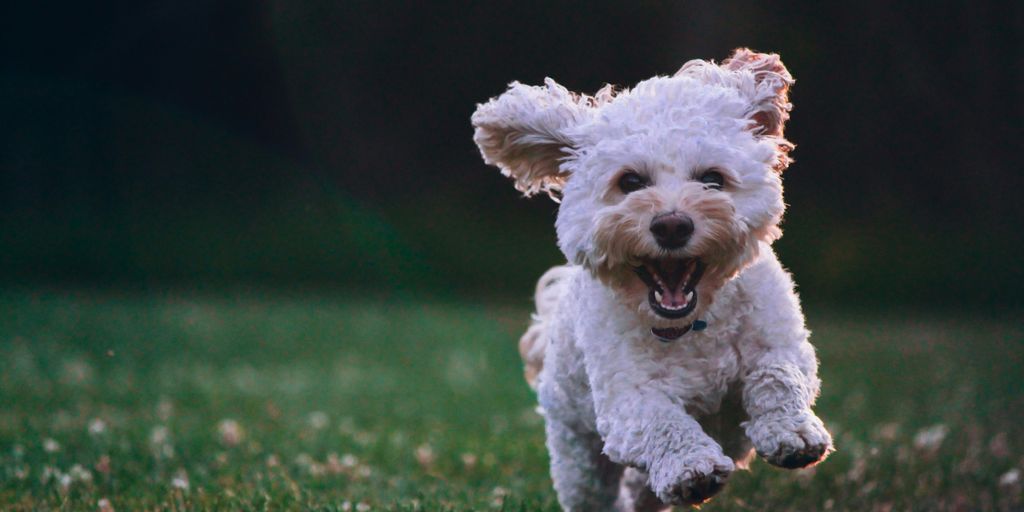
It’s super important to teach your dog some basic commands. These commands aren’t just for show; they can actually save your dog’s life, especially when dealing with something as dangerous as chasing cars. Think of it as building a communication bridge with your furry friend. Let’s get into the specifics.
The Importance of ‘Leave It’
The ‘Leave It’ command is a game-changer. It teaches your dog to ignore something they’re interested in, which is huge when a car is involved. Imagine your dog spots a car and is about to bolt. A solid ‘Leave It’ can stop them in their tracks. Here’s how I usually teach it:
- Start with a low-value item, like a toy they’re not crazy about.
- Put it on the floor and cover it with your hand.
- Say ‘Leave It.’ If they try to get it, keep your hand there.
- When they back off, even for a second, praise them and give them a better treat from your other hand. This is positive conditioning at its finest.
- Repeat, and gradually increase the value of the item. Eventually, you can use it with moving objects, like a skateboard rolling by.
‘Leave It’ needs to be a positive experience. Your dog should associate it with getting something even better than what they’re leaving. It’s not about punishment; it’s about making a better offer.
Using ‘Focus’ to Redirect Attention
‘Focus,’ also sometimes called ‘Watch Me,’ is another essential command. It’s all about getting your dog to look at you, no matter what’s going on around them. This is super helpful when you see a potential trigger, like a car in the distance. If you can get your dog to focus on you, you can redirect their attention before they even think about chasing. To teach it:
- Hold a treat near your eyes.
- Say ‘Focus’ or ‘Watch Me.’
- When your dog makes eye contact, reward them immediately. Dog training tips often emphasize quick rewards.
- Practice in different environments, gradually increasing distractions. The goal is to have your dog focus on you even when there’s a lot going on.
Building a Reliable Recall
Recall, or ‘Come,’ is probably the most important command of all. A reliable recall means you can call your dog back to you in any situation, even if they’re already chasing something. It takes time and consistency, but it’s worth every effort. Here’s how I approach it:
- Start in a safe, enclosed area with no distractions.
- Say your dog’s name followed by ‘Come’ in a happy, enthusiastic voice.
- When they come to you, praise them like crazy and give them a high-value treat.
- Gradually increase the distance and add distractions. Use a long leash at first to prevent them from running off.
- Never punish your dog for coming to you, even if they took a while. You want them to always associate ‘Come’ with something positive. If you need a no-pull harness, get one that fits well.
It’s important to practice these commands regularly, even when you don’t think you need to. The more consistent you are, the more reliable your dog will be. And remember, patience is key. Every dog learns at their own pace.
Creating a Distraction-Free Environment
It’s tough to train a dog when there’s a million things grabbing their attention. Think about it – you’re trying to teach them not to chase cars, but there’s squirrels, other dogs, and the neighbor’s cat all vying for their focus. That’s why setting up a distraction-free environment is super important. It’s all about managing their surroundings to set them up for success. Let’s get into how to do it.
Managing Your Dog’s Space
First things first, think about where your dog spends most of their time. Is it a chaotic free-for-all, or a calm and predictable zone? You want to aim for the latter. This might mean creating a specific area just for training, maybe a corner of the yard or a spare room. The goal is to minimize visual and auditory distractions. For example, if your dog is easily triggered by seeing people walk by, you might want to cover the windows or use a dog crate as a safe haven during training sessions. It’s not about isolating them forever, but about creating a space where they can actually focus on you.
Avoiding High-Traffic Areas
This one seems obvious, but it’s worth repeating: avoid high-traffic areas during the initial stages of training. Trying to teach your dog to ignore cars while standing next to a busy road is like trying to study for a test at a rock concert. It’s just not going to work. Instead, opt for quieter streets, parks, or even large empty parking lots where you can control the environment a bit more. As your dog progresses, you can gradually introduce more distractions, but start slow. Think of it as building a solid foundation before adding extra floors to the house. You can also try to divert them onto driveways or parking lots to get distance from the street while you are training.
Supervising Outdoor Time
Even when you’re not actively training, it’s important to supervise your dog’s outdoor time. This doesn’t mean you have to hover over them every second, but it does mean being aware of their surroundings and intervening if you see them getting fixated on something they shouldn’t. If you have a fenced yard, make sure the fence is secure and that there are no gaps or holes they can squeeze through. If you’re taking them for a walk, keep them on a leash and be prepared to redirect their attention if they start to show signs of chasing behavior. Prevention is key – it’s much easier to stop a behavior before it starts than to try to correct it mid-chase.
Creating a distraction-free environment isn’t about bubble-wrapping your dog. It’s about setting them up for success by minimizing temptations and maximizing their ability to focus on you. It’s an investment in their training and your peace of mind.
Preventing Relearning of Chasing Behavior
It’s easy for dogs to slip back into old habits, especially when it comes to something as instinctual as chasing. The key is to be proactive and consistent in preventing your dog from relearning the chasing behavior. The more your dog practices chasing, the harder it becomes to stop.
Identifying Triggers
First, you need to figure out what specifically triggers your dog’s chasing. Is it all cars, or only certain types? Is it the sound, the movement, or the sight? Once you know the triggers, you can better manage your dog’s environment and training.
- Certain colors of cars
- Loud vehicles
- Fast-moving objects
Reinforcing Calm Behavior
Positive reinforcement is your best friend here. Whenever your dog is in a situation where they might normally chase, and they remain calm, reward them immediately. This could be with a treat, praise, or a favorite toy. The goal is to create a strong association between calm behavior and positive outcomes. For example, you can use mental stimulation to keep your dog focused on you instead of external stimuli.
Practicing Controlled Exposures
Once your dog is reliably responding to commands in a controlled environment, you can start gradually exposing them to their triggers in a safe and controlled way. This might involve walking them near a quiet street, starting at a distance where they don’t react, and slowly getting closer as they improve. Always keep them on a leash and be ready to redirect their attention if they start to get excited.
It’s important to remember that setbacks are normal. If your dog does chase, don’t get discouraged. Simply take a step back in your training and work on reinforcing the basics. Consistency and patience are key to success.
Utilizing Professional Help When Necessary
Sometimes, despite our best efforts, a dog’s chasing behavior can be really tough to fix on our own. It’s okay to admit when you need extra help! Don’t feel bad if you’ve tried everything and your dog is still lunging after cars. That’s where professional dog trainers and behaviorists come in. They have the expertise and experience to tackle even the most stubborn cases.
When to Seek a Trainer
So, how do you know when it’s time to call in the pros? Well, if you’ve been consistently working on training for a while and aren’t seeing any improvement, that’s a good sign. Also, if your dog’s chasing is linked to anxiety, aggression, or a super high prey drive, a trainer can be a lifesaver. They can assess your dog’s specific issues and create a training plan tailored to their needs. Plus, if the behavior is putting your dog or others in danger, don’t wait – get help right away. It’s better to be safe than sorry. Remember to create a safe space for your dog.
Understanding Behavior Modification
Behavior modification is basically changing your dog’s unwanted behaviors through specific techniques. It’s not just about teaching commands; it’s about understanding why your dog is doing what they’re doing and addressing the root cause. A behaviorist might use things like counterconditioning, desensitization, and positive reinforcement to help your dog learn new, more appropriate behaviors. It’s a process that takes time and patience, but it can make a huge difference in your dog’s life.
Behavior modification isn’t a quick fix. It requires consistency, commitment, and a willingness to work closely with a professional. It’s about changing your dog’s emotional response to triggers, not just suppressing the behavior.
Finding the Right Professional
Finding the right trainer or behaviorist is super important. Not all trainers are created equal! Look for someone who has experience with chasing behavior and uses positive reinforcement methods. Avoid trainers who rely on punishment or force, as these methods can actually make the problem worse. Ask for certifications, read reviews, and talk to the trainer about their approach before hiring them. A good trainer will be able to explain their methods clearly and make you feel comfortable and confident in their ability to help your dog. Consider advanced dog training for specialized needs.
Here’s a quick checklist for finding the right pro:
- Check Credentials: Look for certifications like CPDT-KA or IAABC.
- Read Reviews: See what other dog owners have to say about their experience.
- Ask About Methods: Make sure they use positive reinforcement techniques.
- Trust Your Gut: Choose someone you feel comfortable working with.
Sometimes, training your dog can be tough, and that’s okay! If you find yourself struggling, don’t hesitate to seek help from a professional trainer. They can provide the guidance you need to make training easier and more effective. For more tips and resources, visit our website today!
Wrapping It Up: Training Your Dog to Stay Safe
So, teaching your dog not to chase cars is totally doable. It takes time and a lot of patience, but it’s worth it for their safety and yours. Remember to keep things positive. Use treats and praise to encourage good behavior. Keep your dog on a leash when you’re out and about, and work on commands like "leave it" and "focus". Gradually expose them to moving cars in a controlled way, and always reward them for staying calm. With consistent practice, your dog can learn to ignore those fast-moving vehicles. Just stick with it, and soon enough, you’ll both enjoy safer walks together.
Frequently Asked Questions
Why do dogs chase cars?
Dogs often chase cars because of their natural instincts. Some breeds have a strong prey drive, while others might find it exciting or feel protective of their territory.
How can I keep my dog safe during walks?
Always keep your dog on a leash, especially in busy areas. A no-pull harness can help you control your dog better and prevent them from running after cars.
What training methods are effective for stopping car chasing?
Using positive reinforcement, like treats and praise, helps teach your dog to focus on you instead of chasing cars. Counterconditioning can also change how they react to moving vehicles.
What commands should I teach my dog to help with this behavior?
Teaching commands like ‘Leave It’ and ‘Focus’ can help redirect your dog’s attention away from cars. A reliable recall command is also important.
How can I create a distraction-free environment for my dog?
Manage your dog’s space by avoiding busy streets and supervising them outside. This helps reduce their chances of encountering cars while learning.
When should I consider getting professional help?
If your dog’s chasing behavior is severe or linked to anxiety, it’s a good idea to consult a professional trainer. They can provide specialized strategies to help your dog.