
Teaching your dog to open doors can be a fun and useful skill for both of you. It’s not just about impressing your friends; it can actually help your dog learn patience and control. With some patience and the right techniques, you can guide your furry friend through the process step by step. Let’s break it down into manageable parts so you can both enjoy the journey!
Key Takeaways
- Start with basic commands to build a solid foundation.
- Use positive reinforcement to encourage desired behaviors.
- Introduce the doorknob gradually before attempting to open the door.
- Practice in different settings to help your dog adapt.
- Stay consistent with training to reinforce good habits.
Understanding Your Dog’s Behavior
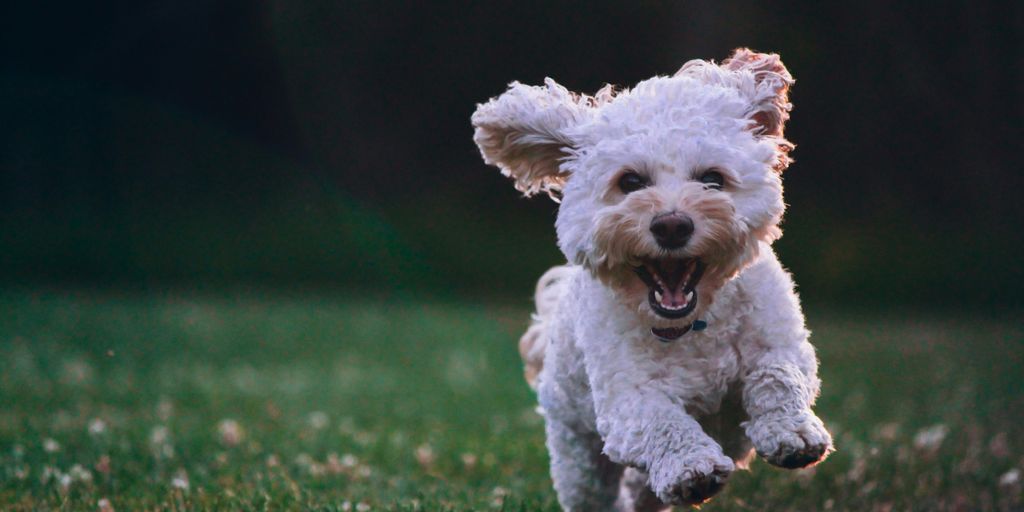
Before you even think about teaching your dog to open doors, it’s super important to get a handle on why they act the way they do. Are they just excited? Anxious? Understanding their motivations will make the whole process smoother, trust me.
Recognizing Excitement Triggers
Okay, so your dog goes bonkers when someone’s at the door. What exactly sets them off? Is it the doorbell? The sound of keys? Identifying these triggers is the first step. Once you know what gets them going, you can start working on managing their reactions. For example, if the doorbell is the issue, try desensitizing them to the sound by playing it at a low volume and gradually increasing it while rewarding calm behavior. It’s all about changing that association from ‘doorbell = crazy time’ to ‘doorbell = chill and get a treat’.
Calming Techniques for Door Situations
Now that you know the triggers, let’s talk about calming techniques. This isn’t just about telling your dog to ‘calm down’ (spoiler: that rarely works). It’s about teaching them alternative behaviors. A solid ‘stay’ command is your best friend here. Practice it often, and especially near the door. You can even start by opening the door slightly and rewarding them for staying put. If your dog is prone to door dashing, this is extra important. Another trick? A designated ‘safe spot’, like a bed or mat, where they can go when they’re feeling overwhelmed.
The Importance of Patience
Seriously, patience is key. This isn’t going to happen overnight. There will be setbacks, days when your dog seems to have forgotten everything they’ve learned. That’s okay! Don’t get frustrated. Just take a deep breath and keep at it. Remember, you’re not just teaching them a trick; you’re changing their behavior. And that takes time and consistency. Think of it like teaching a kid to ride a bike – there will be wobbles and falls, but eventually, they’ll get the hang of it. And when they do, it’s so rewarding!
It’s easy to get caught up in the ‘how’ of training, but don’t forget the ‘why’. Understanding your dog’s emotional state is half the battle. Are they stressed? Bored? Anxious? Addressing these underlying issues will make the training process much more effective.
Establishing a Strong Foundation
Before you even think about teaching your dog to open doors, it’s super important to make sure they’ve got some basic skills down. It’s like trying to build a house on sand if you skip this part. We’re talking about setting your dog up for success, not frustration, for both of you.
Teaching Basic Commands
First things first, your dog needs to know the basics. I mean things like "sit," "stay," "come," and "down." These aren’t just cute tricks; they’re the building blocks for more complex tasks. If your dog doesn’t listen to you when you’re just asking them to sit, how are they going to listen when you’re trying to get them to manipulate a doorknob? Plus, it helps establish you as the leader, which is important for any kind of training. You can start with short training sessions, maybe 5-10 minutes a day, and use treats to reward them when they get it right. Consistency is key here. And remember, keep it positive! If you get frustrated, your dog will pick up on that, and it’ll make training harder.
Creating a Safe Space
Your dog needs a place where they feel secure and relaxed. This could be a crate, a bed, or even just a specific corner of a room. The point is, it’s their space, and they know they can go there to chill out. This is especially important when you’re introducing new and potentially stressful things, like doorknobs. If your dog has a safe space to retreat to, they’re less likely to get overwhelmed. Make sure it’s comfy and inviting, and never use it as punishment. You want your dog to associate it with positive feelings. A dog crate can be a great option for creating this safe haven.
Using Positive Reinforcement
Forget about yelling or punishing your dog. That’s just going to make them scared and less likely to cooperate. Positive reinforcement is the way to go. This means rewarding your dog when they do something right. Treats are a classic, but you can also use praise, toys, or even just a good scratch behind the ears. The important thing is to find what motivates your dog and use that to your advantage. When they touch the doorknob, give them a treat. When they turn it a little, give them a treat. When they open the door, jackpot! Big reward! The more positive experiences they have, the more likely they are to repeat the desired behavior.
Think of it like this: you’re teaching your dog a new language. You wouldn’t yell at someone for not understanding you if they’d never heard the language before, right? You’d be patient, show them what you mean, and reward them when they get it right. It’s the same with your dog. Be patient, be positive, and celebrate their successes, no matter how small.
Introducing the Doorknob
Now that your dog has a solid grasp of basic commands and understands the concept of positive reinforcement, it’s time to introduce the doorknob. This stage is all about familiarization and building positive associations.
Familiarizing Your Dog with the Doorknob
Start by simply letting your dog sniff and investigate the doorknob. Don’t force interaction; let them approach it at their own pace. You can even smear a tiny bit of peanut butter (if your dog isn’t allergic) near the doorknob to encourage exploration. The goal here is to make the doorknob a non-threatening object. We want them to see it as just another part of the environment. You can also introduce a training doorbell to help with the process.
Clicker Training for Initial Touches
Clicker training is incredibly effective for this step. When your dog shows any interest in the doorknob – sniffing, pawing, or even just looking at it – immediately click and reward. This reinforces the behavior and tells your dog they’re on the right track. Keep sessions short and fun, ending on a positive note. Remember, we’re building a foundation, so patience is key.
Rewarding Small Progress
Don’t expect your dog to open the door on day one! Celebrate every small victory. If they touch the doorknob with their nose, reward them. If they put a paw on it, reward them. The more you reward these small steps, the faster they’ll learn.
It’s important to remember that every dog learns at their own pace. Some dogs might be hesitant, while others might be overly enthusiastic. Adjust your training to suit your dog’s individual personality and learning style. If they get frustrated, take a break and try again later. The key is to keep it positive and enjoyable for both of you.
Here’s a simple breakdown of how to track progress:
- Day 1: Focus on familiarization. Reward any interaction with the doorknob.
- Day 2: Encourage pawing or nosing the doorknob. Click and reward each attempt.
- Day 3: Start associating a verbal cue (like "Touch") with the action.
Practicing Door Opening Techniques
Gradual Door Opening Exercises
Okay, so you’ve got your dog familiar with the doorknob, and they’re not losing their minds every time you touch it. Awesome! Now, it’s time to actually start opening the door. The key here is gradual progress. Don’t expect your dog to be a pro overnight. Start by just jiggling the doorknob a little. If your dog stays calm, reward them. Then, open the door a crack, and reward again. Keep increasing the opening bit by bit. The goal is to make the door opening itself no big deal.
Incorporating a Helper
This is where things can get interesting. Once your dog is doing well with you opening the door, bring in a helper. Have someone stand outside the door. At first, they just need to be there. Open the door a little, and if your dog is cool, reward. Then, have the helper take a small step inside. Reward calm behavior. Gradually increase how far the helper comes in. This helps your dog generalize the skill to other people. It’s a good idea to practice basic commands with your dog before you start this step.
Reinforcing Calm Behavior
Throughout this whole process, remember to reinforce calm behavior. If your dog gets excited, take a step back. Go back to an earlier stage where they were successful. It’s better to go slow and steady than to rush and create anxiety. Use verbal cues like "stay" or "wait" to help your dog understand what you want. And, of course, keep those treats handy! A calm dog is a happy dog (and a well-rewarded one!).
Remember, every dog learns at their own pace. Some dogs might pick this up quickly, while others might need more time and patience. Don’t get discouraged if your dog has setbacks. Just keep practicing and celebrating small victories. Soon enough, you’ll have a door-opening pro on your hands.
Walking Through the Door
Okay, so your dog is now a pro at waiting patiently while you mess with the doorknob. Awesome! But the real test is getting them to walk through the door calmly. This is where things can get a little dicey, especially if your dog is super excited about going outside. We need to make sure they don’t bolt the second that door cracks open.
Leash Training for Door Exits
Leash training is super important here. Even if your dog is usually off-leash, use it for these exercises. It gives you that extra bit of control. Start by practicing having your dog sit or stay right by the door, with the leash on. Open the door just a crack, then close it. Reward them if they stay put. Gradually increase how much you open the door, always rewarding calm behavior. If they try to dart, gently close the door and start again. You might want to consider basic commands to help with this.
Using Verbal Cues
Verbal cues are your friend! Pick a word or phrase that means "it’s okay to go through the door." Something like "Let’s go!" or "Okay!" works well. Only say the cue after your dog is calmly waiting. This helps them associate the cue with the desired behavior. Don’t just blurt it out randomly; timing is everything. I found that using a consistent cue really helped my dog understand what I wanted.
Rewarding Successful Exits
When your dog finally walks through the door calmly on cue, throw a party! Okay, maybe not a literal party, but definitely give them lots of praise and a high-value treat. Make it clear that they did a great job. The more you reinforce this behavior, the more likely they are to repeat it.
Remember, consistency is key. Don’t let your dog rush out the door sometimes and expect them to be calm other times. Be patient, be consistent, and celebrate those small victories. It’ll pay off in the long run.
Maintaining Consistency in Training
It’s easy to get excited when your dog starts showing progress, but the real key to success is consistency. You can’t just teach your dog to open doors once and expect them to remember it forever. Think of it like learning a new language – if you don’t practice, you’ll forget it.
Regular Practice Sessions
Set aside time each day, even if it’s just for 5-10 minutes, to practice door-opening skills. Short, frequent sessions are more effective than long, infrequent ones. It keeps your dog engaged and prevents them from getting bored or frustrated. Vary the times of day you practice, and try different doors around the house to keep things interesting. This helps generalize the behavior, so they don’t just associate it with one specific door.
Involving Family Members
Get everyone in the household on board with the training. This ensures that your dog receives consistent cues and rewards, no matter who’s working with them. It also prevents confusion, which can hinder progress. Have family members use the same verbal cues and hand signals. If one person is using "Open the door!" and another is saying "Door, please!", your dog will get mixed signals. Consistency in basic commands is key.
Adjusting Techniques for Different Environments
What works in your quiet living room might not work in a busy park. As your dog progresses, gradually introduce distractions and practice in different environments. Start with slightly more stimulating settings and slowly increase the level of distraction. If your dog starts to struggle, go back to a simpler environment and rebuild their confidence. Remember the "Three D’s": Distance, Duration, and Distraction. Only increase one at a time as you go step-by-step through training.
Consistency is more than just repetition; it’s about creating a predictable and positive learning environment for your dog. By sticking to a routine, involving everyone in the family, and adapting to different situations, you’ll set your dog up for long-term success.
Troubleshooting Common Issues
Addressing Overexcitement
Okay, so your dog is basically a furry tornado when it comes to doors? You’re not alone. The key here is to manage that excitement before it even starts. If your dog gets hyped up just seeing the doorknob, take a step back. Start by simply approaching the door, then immediately turning away and doing something else. Repeat this until your dog is bored by the door. This helps desensitize them to the trigger.
Handling Distractions
Squirrel! Mailman! Neighbor’s cat! Life is full of distractions, especially when you’re trying to teach your dog something new. When distractions pop up, don’t get frustrated. Instead, use them as a training opportunity. Call your dog’s name to regain their focus, and reward them when they look at you. If the distraction is too intense, move to a quieter location or try again later. It’s all about setting your dog up for success. You can also try using a dog training guide to help with focus.
Reinforcing Desired Behaviors
This is where the magic happens. Every time your dog does something right – even a tiny step in the right direction – reward them! Use high-value treats, praise, or a favorite toy. Be consistent with your reinforcement, so your dog knows exactly what you want them to do. And remember, patience is key. It takes time and repetition for your dog to learn a new skill.
Don’t be afraid to break down the training into even smaller steps if needed. If your dog is struggling with a particular part of the process, go back to an earlier step and practice until they’re comfortable. It’s better to move slowly and build a solid foundation than to rush through and create confusion.
If you’re facing issues while training your dog, don’t worry! Many pet owners encounter similar problems. Check out our website for helpful tips and solutions to common training challenges. We’re here to help you and your furry friend succeed! Visit us today for more information!
Wrapping It Up
Teaching your dog to open doors can be a fun and rewarding experience for both of you. It takes patience and practice, but with the right steps, your pup will be a pro in no time. Remember to keep things positive and use plenty of treats to encourage good behavior. Don’t rush the process; every dog learns at their own pace. If your dog struggles, just go back a step and try again. Soon enough, you’ll have a furry friend who can help you out by opening doors, making life a little easier. So grab those treats, stay consistent, and enjoy the journey together!
Frequently Asked Questions
Can all dogs learn to open doors?
Yes, most dogs can learn how to open doors with the right training and patience.
How long will it take to teach my dog this skill?
It can take several weeks to months, depending on your dog’s learning speed and your training consistency.
What if my dog gets too excited when I approach the door?
You can calm your dog by using commands like ‘sit’ or ‘stay’ before you start training.
Should I use treats during training?
Yes, using treats as rewards can help motivate your dog and reinforce good behavior.
Is it necessary to involve other people during training?
Involving others can help your dog learn to stay calm around guests and distractions.
What should I do if my dog refuses to open the door?
If your dog struggles, go back to the basics of training and build their confidence step by step.