
Training a dog for long-term obedience isn’t just about teaching commands; it’s about building a lasting relationship with your furry friend. It requires understanding their behavior, using the right techniques, and committing to ongoing practice. This article will guide you through essential tips and methods to help your dog become a well-behaved companion for life.
Key Takeaways
- Understanding your dog’s behavior is key to effective training.
- Positive reinforcement is the most effective method for teaching commands.
- Consistency in training schedules helps reinforce learning.
- Socialization is crucial for a well-rounded dog.
- Long-term obedience requires ongoing practice and reinforcement.
Understanding Dog Behavior and Learning
The Importance of Canine Psychology
Understanding how your dog thinks is super important for effective training. It’s not just about teaching commands; it’s about understanding why your dog does what it does. Canine psychology helps us see the world from their perspective, which makes training way easier and more rewarding for both of you. It’s like learning a new language – once you understand the basics, everything else starts to make sense. For example, understanding their breed tendencies can help you tailor your training approach. Some breeds are naturally more eager to please, while others might need a bit more convincing.
How Dogs Learn and Process Information
Dogs don’t learn the same way we do. They rely heavily on association and repetition. Positive reinforcement is key – rewarding good behavior makes them more likely to repeat it. Think of it like this: if your dog sits when you say "sit" and gets a treat, they’ll quickly learn that sitting equals treats. It’s all about creating those positive associations. They also learn through observation, so if they see another dog getting praised for something, they might try to do the same thing. It’s fascinating to watch them figure things out. You can even start a basic foundation with an obedience program.
Recognizing Different Learning Styles
Just like people, dogs have different learning styles. Some are visual learners, others are more auditory, and some learn best through touch. Paying attention to how your dog responds to different training methods can help you figure out what works best for them. For example, some dogs respond really well to clicker training, while others might prefer verbal praise and petting. It’s all about finding what motivates them and keeps them engaged.
Understanding your dog’s learning style can significantly improve your training success. It’s about being flexible and adapting your approach to meet their individual needs. This might involve trying different rewards, changing your tone of voice, or using hand signals instead of verbal commands. The goal is to make learning fun and engaging for your dog, which will ultimately lead to better results.
Here are some common learning styles:
- Visual Learners: Respond well to hand signals and visual cues.
- Auditory Learners: Learn best through verbal commands and praise.
- Kinesthetic Learners: Prefer physical touch and guidance.
Building a Strong Foundation for Training
Alright, so you’re ready to really get into training your dog? Awesome! It’s not just about teaching them a few tricks; it’s about building a relationship and setting them up for success in the long run. Think of it like building a house – you need a solid foundation before you can start adding all the fancy stuff. Let’s dive into how to make that happen.
Establishing Basic Commands
First things first, you gotta nail those basic commands. I’m talking sit, stay, come, down, and leave it. These aren’t just cute tricks; they’re the building blocks for everything else you’ll teach your dog. Consistency is key here. Use the same words and hand signals every time, and make sure everyone in the family is on the same page. It might seem repetitive at first, but trust me, it pays off. Start in a quiet place with minimal distractions, and then gradually introduce more challenging environments. Keep the sessions short and sweet – a few minutes at a time is plenty, especially when you’re just starting out. You want to keep your dog engaged and motivated, not bored and frustrated.
Creating a Consistent Training Schedule
Okay, so you’ve got the basic commands down. Now, how do you make sure your dog remembers them? The answer is a consistent training schedule. I know, I know, life gets busy, but even just 10-15 minutes a day can make a huge difference. Think of it as a daily check-in with your dog, a chance to reinforce what they’ve learned and introduce new challenges.
Here’s what I do:
- Morning: Quick review of basic commands before breakfast.
- Afternoon: Short training session focusing on a specific skill.
- Evening: Fun playtime with a focus on recall (coming when called).
A consistent schedule helps your dog understand what’s expected of them and when. It also creates a routine that they can rely on, which can reduce anxiety and improve overall behavior. Plus, it’s a great way to bond with your furry friend!
Incorporating Socialization into Training
Socialization is more than just letting your dog play with other dogs. It’s about exposing them to a variety of sights, sounds, people, and experiences in a positive way. This helps them become well-adjusted and confident adults. Start early, ideally when they’re puppies, but it’s never too late to start. Take them to different places, like parks, pet stores, and even busy streets. Let them meet new people and interact with other dogs (under supervision, of course). Make sure every experience is positive and rewarding. If your dog seems scared or overwhelmed, back off and try again later at a slower pace. A well-socialized dog is a happy dog, and a happy dog is much easier to train. Remember to reinforce positive reinforcement during these interactions to create good associations.
Positive Reinforcement Techniques
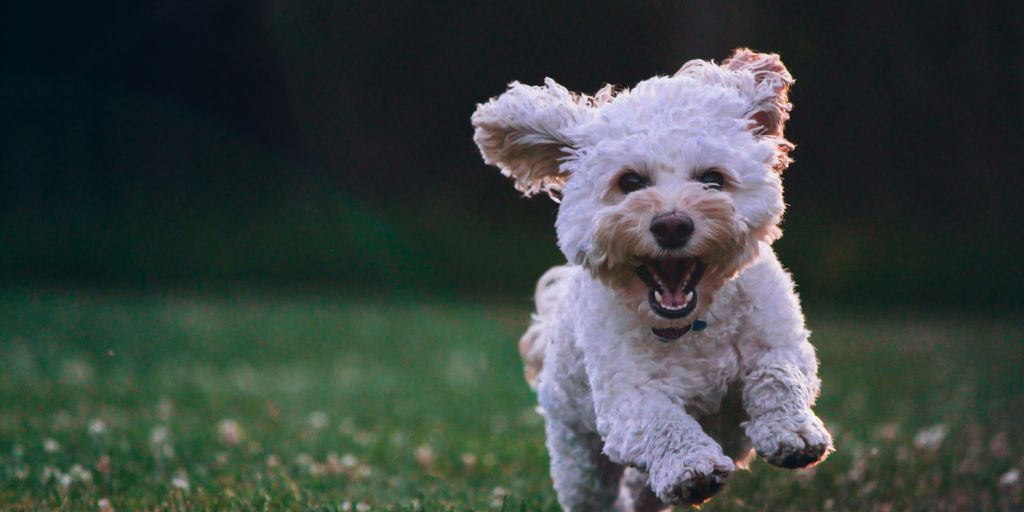
Positive reinforcement is all about rewarding your dog when they do something right. It’s a way to encourage good behavior without using punishment. Think of it as catching your dog being good and making them want to repeat that behavior. It’s a pretty simple concept, but the devil is in the details.
Using Treats Effectively
Treats are a classic tool in positive reinforcement, but it’s not just about handing them out randomly. The key is to use high-value treats that your dog really loves. Think small pieces of cooked chicken, cheese, or those stinky liver treats they go crazy for. You want something that will really grab their attention. Also, consider your dog’s diet and adjust their regular food intake to account for the extra calories. You don’t want a chubby pup! And remember to vary the treats to keep things interesting. If they always get the same thing, it might lose its appeal. Using successful dog training techniques is important.
Incorporating Praise and Affection
While treats are great, praise and affection can be just as powerful, especially as your dog gets more advanced in their training. A simple "Good boy!" or a scratch behind the ears can go a long way. Some dogs are more motivated by physical affection than food, so figure out what your dog responds to best. The tone of your voice matters too. Use an enthusiastic, happy tone when praising them. It’s all about making them feel good about what they did.
Timing Your Rewards for Maximum Impact
Timing is everything when it comes to positive reinforcement. You need to reward your dog immediately after they perform the desired behavior. If you wait too long, they won’t make the connection between their action and the reward. This is where clicker training can be really helpful. The clicker marks the exact moment they do something right, and then you follow up with a treat. It’s like taking a mental snapshot of the behavior you want to reinforce.
Positive reinforcement isn’t just about giving treats. It’s about building a positive relationship with your dog based on trust and communication. It’s about making training fun and rewarding for both of you. When done right, it can lead to a well-behaved and happy companion. It’s also important to consider canine training and their overall temperament.
Advanced Training Techniques for Long-Term Obedience
Clicker Training for Precision
Okay, so you’ve got the basics down. Now, let’s talk about clicker training. It’s not just some fancy gadget; it’s a way to communicate with your dog with amazing precision. The clicker sound marks the exact moment your dog does something right. Think of it as a snapshot of the behavior you want. It’s way more effective than just saying "good dog" because it’s immediate and consistent.
- Start by associating the click with a reward. Click, then treat. Repeat.
- Use it to shape behaviors. Click when they move in the right direction, even if they don’t complete the action.
- Fade the clicker once the behavior is solid. You don’t want them to become dependent on it.
Teaching Complex Commands
Ready to teach your dog something really impressive? Complex commands are where it’s at. We’re talking about things like fetching specific items by name, performing a sequence of actions, or even helping with household chores (okay, maybe that’s a stretch, but you get the idea). The key is to break down the command into smaller, manageable steps.
- Start with a simple component of the behavior.
- Use shaping and luring to guide them.
- String the steps together, adding a cue word once they understand the sequence.
Remember, patience is key. Your dog isn’t going to learn these overnight. Keep training sessions short and fun, and celebrate every small victory. It’s all about building on their existing skills and challenging them mentally.
Engaging in Dog Sports and Activities
Dog sports are a fantastic way to keep your dog mentally and physically stimulated, and they’re great for strengthening your bond. Plus, it’s just plain fun! There are tons of options out there, from agility and flyball to dock diving and obedience competitions. Find something that suits your dog’s breed, temperament, and energy level. For example, if you’re working on dog training with a long line leash, agility might be a good fit.
Here’s a quick rundown of some popular dog sports:
| Sport | Description |
|---|---|
| Agility | Navigating an obstacle course against the clock. |
| Flyball | A relay race involving retrieving a ball and returning over hurdles. |
| Dock Diving | Jumping for distance or height into a pool. |
| Obedience | Performing a series of commands with precision and enthusiasm. |
| Scent Work | Locating specific scents (like essential oils) hidden in various locations. |
Proofing Behaviors in Various Environments
Okay, so you’ve taught your dog some cool tricks and basic commands. They listen perfectly in your living room. Awesome! But what happens when you take them to the park, or a friend’s house, or even just out on the sidewalk? That’s where proofing comes in. It’s about making sure your dog listens no matter where they are or what’s going on around them. It’s the final, but very important, step.
Training in Distractions
Start small. Introduce distractions gradually. Maybe begin with the TV on while you practice basic commands. Then, move to the backyard with some squirrels running around. The goal is to slowly increase the level of distraction so your dog learns to focus on you, even when there’s a lot happening. Consistency is key here. If they break focus, gently redirect them back to the task at hand. Don’t get frustrated; just keep practicing.
Practicing in Different Locations
Don’t just stick to your house or backyard. Take your dog to different places. Parks, sidewalks, pet stores – anywhere you can safely practice. Each new location presents new sights, sounds, and smells that can challenge your dog’s focus. Remember to keep training sessions short and fun, especially in new environments. You want your dog to associate these places with positive experiences, not stress or anxiety.
Ensuring Consistency Across Situations
This is where it all comes together. It’s not enough for your dog to listen sometimes; they need to listen all the time, no matter who’s giving the command. Make sure everyone in your family uses the same commands and training techniques. If you say "sit," your partner shouldn’t say "sit down." This consistency helps avoid confusion and reinforces the desired behavior. If you’re consistent, your dog will be obedient anywhere.
Proofing isn’t a one-time thing. It’s an ongoing process. Even after your dog has mastered a command in various environments, it’s important to continue practicing regularly to maintain their obedience. Think of it as a lifelong commitment to reinforcing good behavior.
Troubleshooting Common Training Challenges
Addressing Behavioral Issues
Okay, so your dog isn’t perfect. News flash: none of them are! It’s super common to hit a few snags along the way. Maybe your pup suddenly starts ignoring commands they used to nail, or perhaps a new, unwanted behavior pops up out of nowhere. Don’t panic! The first step is to identify what’s causing the issue. Is it a change in environment, a new stressor, or maybe even a medical problem? Once you’ve got a handle on the root cause, you can start to address it directly. For example, if your dog is suddenly fearful during walks, it could be due to a loud noise they experienced.
- Separation anxiety
- Excessive barking
- Destructive chewing
Remember, patience is key. It’s easy to get frustrated, but your dog picks up on your emotions. Stay calm, consistent, and focus on positive reinforcement to guide them back on track.
Adjusting Training Methods
Sometimes, the problem isn’t your dog; it’s the training method itself. What worked wonders last month might not be cutting it anymore. Dogs change, their needs evolve, and your approach needs to keep up. If you’re using a method that relies heavily on punishment, it might be time to rethink things. Positive reinforcement is generally more effective in the long run, building a stronger bond and encouraging cooperation. Maybe try clicker training for more precision.
Seeking Professional Help When Needed
Let’s be real: sometimes, you just need a pro. There’s no shame in admitting that you’re in over your head. A certified dog trainer or behaviorist can offer a fresh perspective, identify underlying issues you might have missed, and develop a tailored training plan. Think of it as getting a coach for your dog. If you’re dealing with aggression, severe anxiety, or just feel completely lost, seeking professional help is the best thing you can do for both you and your furry friend.
Here’s when it might be time to call in the experts:
- Aggression towards people or other animals
- Severe anxiety or phobias
- Persistent behavioral problems that don’t respond to your efforts
Maintaining Long-Term Obedience
Regularly Reinforcing Commands
Think of dog training like learning a new language. If you don’t practice, you’ll forget! Regular reinforcement is key to keeping those commands fresh in your dog’s mind. It doesn’t have to be a formal training session every time; short, fun refreshers are great. Even just a few minutes a day can make a huge difference. I like to sprinkle in some quick commands during our walks or playtime. It keeps things interesting for both of us. Don’t forget to use positive reinforcement to keep your dog motivated!
Incorporating Training into Daily Life
Training shouldn’t be something separate from your everyday routine. Instead, try to weave it into your daily activities. For example, use the "wait" command before feeding your dog, or practice "sit" before going out for a walk. This helps your dog understand that obedience is expected in all situations, not just during dedicated training times. It’s all about making obedience a habit, not a chore.
Understanding the Lifelong Commitment to Training
Dog training isn’t a one-time thing; it’s a lifelong journey. Just like people, dogs can forget things or develop new habits over time. It’s important to be patient and understanding, and to continue reinforcing good behavior throughout your dog’s life. Remember, training is also a great way to bond with your dog and keep them mentally stimulated.
Think of it as maintaining a relationship. You can’t just put in the effort at the beginning and expect things to stay perfect forever. You need to keep communicating, keep working on it, and keep showing your dog that you care. That’s what long-term obedience is all about.
To keep your dog obedient for a long time, it’s important to stay consistent and patient. Regular practice of commands and positive reinforcement will help your dog remember what they’ve learned. Make sure to reward good behavior with treats or praise. If you want to learn more about effective dog training methods, visit our website for helpful tips and resources!
Wrapping It Up
Training your dog isn’t just a one-time thing; it’s a lifelong commitment. You’ve got to keep practicing those commands and tricks to keep them fresh in your pup’s mind. Think of it like riding a bike—if you don’t keep at it, you might forget how. So, make it a habit to squeeze in some training sessions, even if they’re short. It’s a great way to bond with your dog and keep them sharp. Plus, who doesn’t love showing off a well-trained dog? Remember, patience and consistency are key. With time, you’ll see the fruits of your labor, and your dog will be a happy, obedient companion for years to come.
Frequently Asked Questions
What is the best way to start training my dog?
Begin with basic commands like sit and stay. Use positive reinforcement, such as treats and praise, to encourage good behavior.
How often should I train my dog?
Train your dog daily for short sessions, about 5 to 10 minutes each. Consistency is key to helping your dog learn.
Can I train my dog without professional help?
Yes, many dog owners successfully train their pets at home using books and online resources. However, professional trainers can provide valuable guidance.
What if my dog doesn’t respond to training?
If your dog struggles, try adjusting your methods. Some dogs may need different types of rewards or a quieter environment to focus.
How can I keep my dog motivated during training?
Use high-value treats that your dog loves and keep training sessions fun and engaging. Mixing in playtime can also help.
Is training a dog a one-time process?
No, training is ongoing. Regularly practicing commands and reinforcing good behavior is important throughout your dog’s life.