
Teaching a dog to track scents is like unlocking a hidden talent. It’s not just for professional handlers; anyone can do it with a little patience and the right approach. Whether you’re a seasoned trainer or a dog owner looking for a fun new activity, scent training can be a rewarding experience. It’s a chance to bond with your dog and see them use their amazing sense of smell in ways you never thought possible.
Key Takeaways
- Start simple and gradually increase the difficulty of scent trails.
- Use high-value rewards to motivate your dog during training.
- Keep training sessions short to maintain your dog’s interest.
- Mix up locations and scents to keep your dog engaged.
- Consistency in practice is essential for progress.
Understanding the Basics of Scent Training
The Science Behind a Dog’s Nose
Dogs have an incredible sense of smell. Their noses are packed with millions of scent receptors, far more than humans. This amazing ability allows them to pick up on scents that we can’t even begin to detect. When a dog sniffs, they aren’t just smelling the air; they’re analyzing it. Each sniff brings in a wealth of information. It’s like reading a detailed story of the environment around them.
Why Scent Training is Important
Scent training taps into this natural ability, turning it into a fun and useful skill. Scent work is more than just a game; it provides mental stimulation and helps prevent boredom. Engaging a dog’s nose in scent training keeps their mind sharp and can improve their overall well-being. This type of training is also a great way to bond with your dog, as it requires teamwork and communication.
Common Misconceptions About Scent Training
Many people think scent training is only for specific breeds or professional dogs. That’s not true! Any dog can learn to track scents. Another misconception is that scent training is too difficult or time-consuming. In reality, it’s all about starting simple and gradually increasing the complexity. Lastly, some believe that scent training requires expensive equipment, but you can start with everyday items you already have at home.
Scent training isn’t just about teaching a dog a new trick; it’s about unlocking their natural abilities and strengthening the bond between you and your furry friend. With patience and practice, any dog can become a scent-tracking pro.
Getting Started with Scent Training
Choosing the Right Equipment
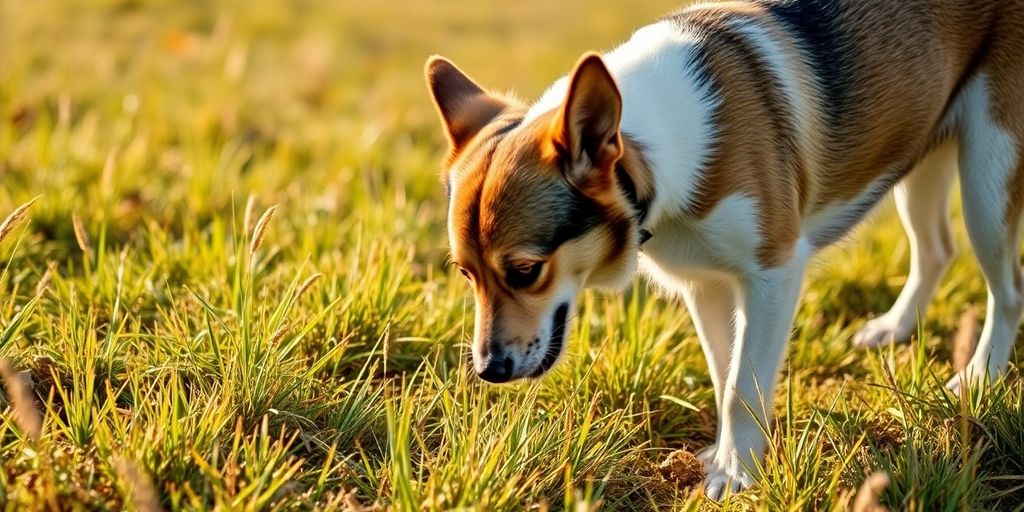
When you’re just starting out with scent work, you don’t need a ton of gear. A good lead is a must-have to keep your dog focused. You might also want a toy or treat that’s super motivating for your pup. As you get more into it, you can try out different scents or even advanced equipment like scent cones or kits. The main thing? Keep it fun and engaging for your dog. Regular practice helps build their skills and strengthens your bond.
Setting Up Your First Scent Trail
Creating a scent trail is like setting up a treasure hunt for your dog. Start simple. Use something with a strong smell, like a piece of bacon or a bit of cheese, and drag it along the ground to create a trail. Let your dog watch you at first, so they get the idea. Then, encourage them to follow the trail with lots of praise and maybe a treat at the end. As they get better, you can make the trails longer or more complex.
Introducing Your Dog to Scent Work
Introducing your dog to scent work is all about tapping into their natural instincts. Start by letting them sniff out treats hidden in easy spots. Gradually make it harder as they get the hang of it. Be patient; every dog learns at their own pace. Use high-value rewards like their favorite snack or toy to keep them motivated. And remember, keep sessions short—around 10-15 minutes—to keep your dog interested and excited.
Techniques for Effective Scent Training
Using High-Value Rewards
When training your dog to track scents, using high-value rewards can make all the difference. Dogs are like us; they need motivation to learn new things. Find a treat that your dog absolutely loves, whether it’s a piece of chicken, cheese, or a special dog biscuit. When your dog successfully follows a scent trail, reward them immediately. This helps build a positive association with the task. Remember, the more your dog enjoys the reward, the more eager they’ll be to participate in the training.
Gradually Increasing Difficulty
Start with simple scent trails and gradually increase the complexity as your dog becomes more proficient. Begin by hiding scents in easy-to-find places and then move to more challenging spots. You can also vary the types of scents used, introducing new ones as your dog gets better. This progression helps keep your dog engaged and prevents them from getting bored.
Incorporating Real-World Scenarios
To truly master scent tracking, it’s important to incorporate real-world scenarios into your training. Set up trails that mimic actual hunting situations, complete with obstacles and distractions. This not only challenges your dog but also prepares them for real-life tracking. Use different environments and conditions to test your dog’s ability to adapt. By practicing in varied settings, your dog will become a versatile scent tracker, ready for any challenge.
Consistency is key in scent training. Regular practice sessions will help your dog improve their skills and build confidence. Be patient and let your dog learn at their own pace, celebrating small victories along the way.
Advanced Scent Training Strategies
Simulating Real Hunting Scenarios
Creating realistic hunting scenarios for your dog can be a game-changer. It’s not just about hiding a scent; it’s about crafting an experience. Try setting up trails that mimic the unpredictability of a real hunt. Use varied terrains, like grassy patches or wooded areas, and incorporate natural obstacles. This not only challenges your dog but also keeps them engaged and eager to learn.
"Practice makes perfect," as they say, and this couldn’t be truer in scent training. By regularly exposing your dog to these real-life scenarios, you’re setting them up for success.
Using Multiple Scents
Introducing multiple scents into your training routine can really spice things up. Start simple—use one scent at a time and gradually introduce new ones. Essential oils like birch or anise are great starters. As your dog gets the hang of it, mix them up. This not only sharpens their ability to distinguish between different smells but also boosts their confidence in scent detection.
- Begin with a familiar scent.
- Gradually add a second scent.
- Mix scents in various combinations.
Overcoming Training Challenges
Training isn’t always smooth sailing. Dogs, like people, have off days. If your dog seems distracted or uninterested, it might be time to switch up the routine. Try shorter sessions or a new location. Patience is your best friend here. Celebrate small victories with treats or playtime. Remember, every dog learns at their own pace, and consistency is key.
For more engaging activities and tips, explore nose work activities for dogs.
Maintaining Motivation and Consistency
Keeping Training Sessions Short and Fun
Training sessions should be short and sweet. Dogs have a limited attention span, and long sessions can lead to boredom or frustration. Aim for 10-15 minute sessions to keep your pup engaged. Incorporate play breaks to let them unwind, and use these moments to reinforce the fun aspect of training. Remember, a happy dog learns better!
Celebrating Milestones and Successes
Every little success deserves a celebration. Whether your dog has successfully followed a scent trail or simply shown improvement, acknowledge it. Use treats, praise, or a favorite toy as a reward. This positive reinforcement encourages them to keep trying and builds their confidence.
Adapting to Your Dog’s Learning Pace
Every dog learns at their own pace. Some may grasp scent training quickly, while others need more time. Be patient and adjust your training methods to suit your dog’s needs. If they’re struggling, consider breaking tasks into smaller, more manageable steps. Consistency is key, but flexibility in approach can make a world of difference.
Keeping your dog motivated in scent training is all about balancing fun with learning. Adapt your dog’s training for winter by incorporating a variety of scents and challenges. Rotating scents and introducing new items will keep your dog engaged and eager to learn. Adapt your dog’s training for winter by incorporating a variety of scents and challenges. Rotating scents and introducing new items will keep your dog engaged and eager to learn.
Exploring Fun Scent Games
Find the Treats Game
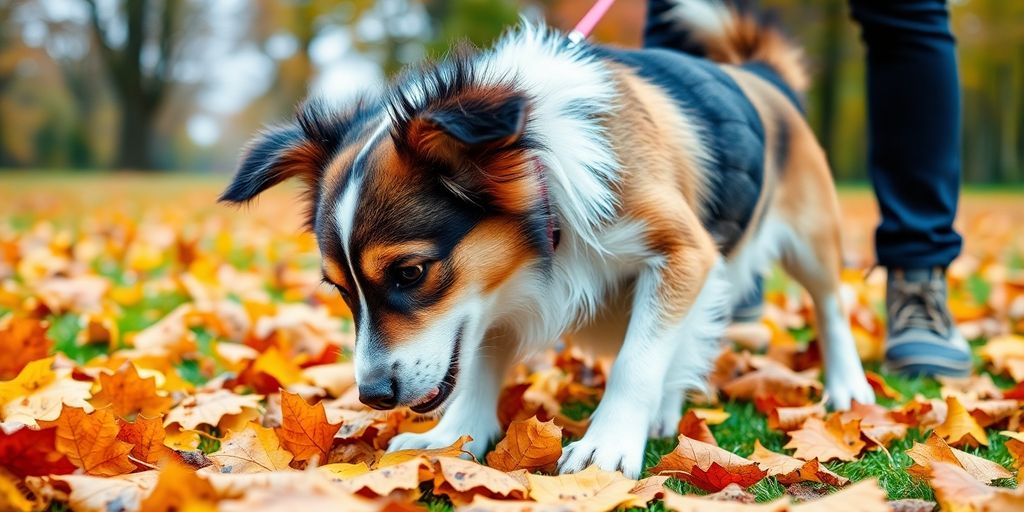
This classic game is a favorite among dog owners. It’s like a treasure hunt, where you hide treats or toys around your home or yard, and your dog uses their nose to track them down. Dogs love it because it taps into their natural hunting instincts. Here’s how you can play:
- Choose a few of your dog’s favorite treats or toys.
- Hide them in various places around the house or yard.
- Encourage your dog to use their nose to find the hidden items.
Not only does this game provide mental stimulation, but it also reinforces your dog’s scent-tracking abilities.
The Shell Game
Inspired by the classic street game, the Shell Game is all about memory and scent detection. You’ll need a few cups and a treat to get started:
- Place several cups upside down on the floor.
- Hide a treat under one of the cups while your dog watches.
- Shuffle the cups around and let your dog find the treat.
This game challenges your dog’s ability to track scents and remember where the treat was hidden. It’s a fun way to test their skills and keep them engaged.
Creating Scent Trails
For a more advanced challenge, try creating a scent trail. This game is perfect for outdoor play and can be adjusted in difficulty:
- Use a scent, like a few drops of essential oil or a treat bag, to create a trail leading to a hidden prize.
- Encourage your dog to follow the scent trail to find the reward at the end.
This game not only enhances your dog’s scent-tracking skills but also provides a great way to exercise outdoors.
"Scent games are more than just fun; they offer a unique way to bond with your dog while stimulating their mind and instincts."
Looking for more ideas? Check out our engaging nose work games for dogs to further enhance your dog’s scent detection skills.
The Role of Breeds in Scent Training
Breeds with Natural Scent Abilities
When it comes to scent training, some dog breeds naturally excel due to their enhanced olfactory senses. Bloodhounds, Beagles, and Labrador Retrievers are often at the top of the list. These breeds have been historically used for tracking and hunting because of their exceptional sniffing skills. Their noses can pick up scents that are miles away, making them the elite players in the scent training world. But don’t let this discourage you if you have a different breed.
Training Non-Traditional Breeds
While breeds like Bloodhounds and Beagles have a natural edge, that doesn’t mean other breeds can’t join the fun. In fact, any dog can be trained to track scents with the right approach. Even breeds not typically associated with scent work, like Great Danes or Chihuahuas, can learn to use their noses effectively. The key is to tap into each dog’s unique abilities and interests, focusing on positive reinforcement and patience.
Understanding Individual Dog Differences
Every dog is unique, even within the same breed. Factors such as personality, energy levels, and even past experiences can influence how well a dog takes to scent training. It’s crucial to understand your dog’s individual traits and tailor your training approach accordingly. This study investigates how different factors, including breed and personality, impact a dog’s scent training success. Tailoring your approach to fit your dog’s specific needs can make all the difference in their scent training journey.
"Scent training isn’t just for the elite sniffers. It’s a journey every dog can embark on, discovering the world one scent at a time."
In summary, while some breeds may have a natural advantage, any dog can succeed in scent training with the right approach and understanding of their individual characteristics.
Building a Strong Handler-Dog Bond
Communicating Effectively During Training
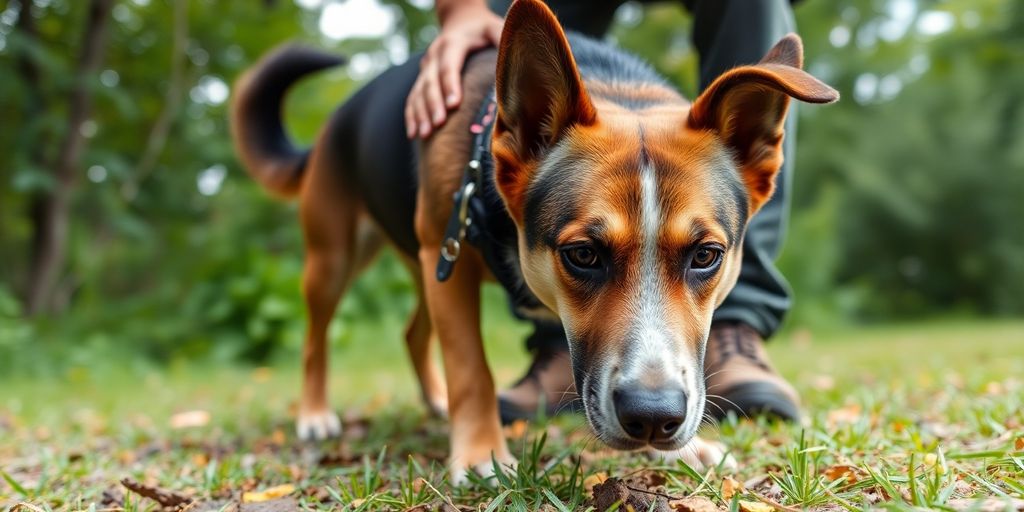
When you’re working with your dog, clear communication is key. Dogs are smart, but they don’t speak our language. So, use simple commands and consistent signals. Rely on body language and tone of voice more than words. This helps your dog understand what you want. Remember, patience is crucial. If your dog seems confused, take a step back and try again.
Observing and Understanding Your Dog’s Behavior
Every dog is unique, with its own quirks and habits. Spend time just watching your dog. Notice how they react to different situations. This will help you learn what they enjoy and what stresses them out. By understanding their behavior, you can tailor your training sessions to suit their needs. This not only makes training more effective but also strengthens your bond.
Strengthening the Bond Through Scent Work
Scent work is not just about training; it’s about connecting with your dog on a deeper level. It taps into their natural instincts and provides mental stimulation. By engaging in SDF’s handler training program, which emphasizes mutual respect and understanding, you can enhance your partnership with your dog. This shared activity builds trust and reinforces your relationship, making both you and your dog happier.
Creating a strong bond with your dog is essential for a happy and well-behaved pet. Spend quality time together, engage in fun activities, and use positive reinforcement to encourage good behavior. For more tips on building a great relationship with your furry friend, visit our website!
Wrapping It Up: Your Dog’s Scent Training Journey
So, there you have it! Teaching your dog to track scents like a pro is a journey filled with patience, practice, and a whole lot of fun. Remember, every dog is different, so take your time and enjoy the process. Whether you’re hiding treats in the backyard or setting up a complex scent trail, the key is to keep it light and enjoyable. Celebrate the small victories and don’t stress over setbacks. With consistent practice and positive vibes, your furry friend will soon be sniffing out scents like a champ. And who knows? You might just discover a new favorite hobby for both of you. Happy sniffing!
Frequently Asked Questions
How do I start scent training with my dog?
Begin with simple tasks to help your dog build confidence. Start by hiding treats in easy-to-find places, then gradually make the hiding spots more challenging as your dog improves.
What equipment do I need for scent training?
You can start with basic items like a leash and some treats. As your dog progresses, you might want to use scent containers or wheels to make training more exciting.
How can I keep my dog motivated during training?
Use high-value rewards like tasty treats or favorite toys. Keep training sessions short and fun to maintain your dog’s interest and enthusiasm.
Are certain breeds better at scent training?
While some breeds like Bloodhounds and Beagles have a natural talent for scent work, any dog can learn and enjoy scent training with the right approach and motivation.
How long should each training session last?
Keep training sessions around 10-15 minutes to prevent your dog from getting tired or bored. Short, frequent sessions are more effective.
What if my dog struggles to find the scent?
Be patient and encouraging. Every dog learns at their own pace, so give them time and use gentle encouragement to help them succeed.