
Rainy days don’t have to mean skipping walks or dealing with a soggy dog. Getting your furry friend comfortable with a raincoat can make a big difference. This guide will walk you through how to train a dog to wear a raincoat, making it a good experience for both of you. We’ll cover everything from picking the right coat to handling any little issues that pop up.
Key Takeaways
- Start slow and make it fun. Introduce the raincoat gently, always with treats and praise.
- Choose the right coat. Make sure it fits well and is made from good, waterproof material.
- Practice in small steps. Begin with short indoor sessions, then gradually move outside.
- Stay calm and patient. Your dog picks up on your mood, so keep things positive.
- Know when to take a break. If your dog gets stressed, stop and try again later.
Understanding the Need for a Raincoat
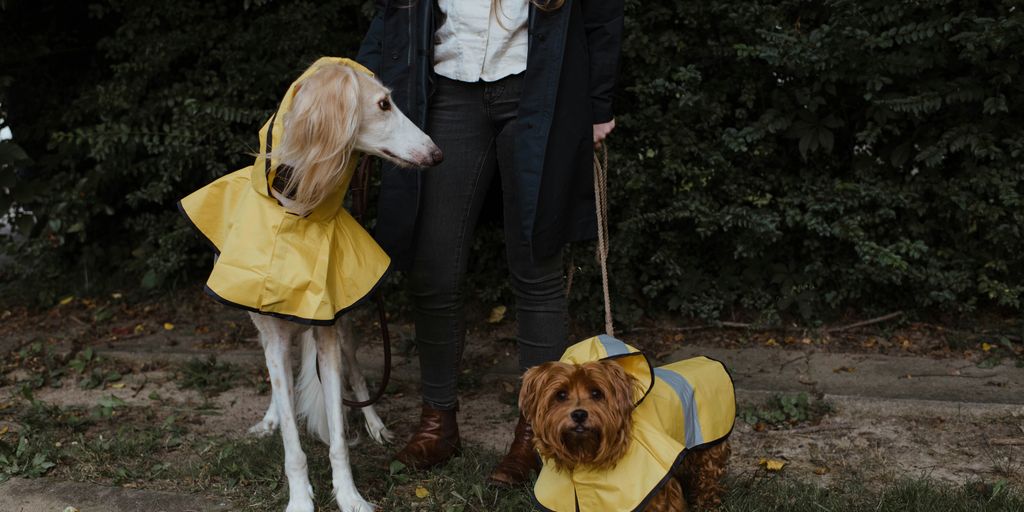
Rainy days don’t have to mean missed walks or dealing with a soggy pup. It’s important to consider whether a raincoat is truly beneficial for your dog. Not all dogs need one, but for many, it can make a world of difference. Let’s explore why a raincoat might be a good investment for your furry friend.
Identifying Dogs Who Benefit Most
Some dogs are simply more susceptible to the cold and wet than others. Small breeds, like Chihuahuas and toy breeds, tend to cool down quickly and can easily get chilled in the rain. Short-haired breeds, such as Beagles and Boxers, lack the thick undercoat needed for insulation. Senior dogs and puppies often have weaker immune systems, making them more vulnerable to illness if they get wet and cold. Dogs with health issues like arthritis can experience increased joint pain in damp conditions. Finally, low-to-the-ground breeds, such as Corgis, are more likely to get their bellies and legs soaked on walks.
Breeds That May Not Need a Raincoat
Certain breeds are naturally equipped to handle wet weather. Dogs with dense double coats, like Huskies and Newfoundlands, have a natural water resistance. Active, high-energy dogs might generate enough body heat to stay warm even when wet. Water-loving breeds, such as Labrador Retrievers, might even enjoy a rainy walk! However, even these breeds can benefit from a raincoat to speed up drying time and prevent that wet dog smell.
Why a Raincoat is Important for Many Dogs
There are several compelling reasons to consider a raincoat for your dog.
- It keeps their fur dry and clean, minimizing that unpleasant wet dog odor and reducing the amount of dirt tracked into your home.
- It helps prevent illness by keeping your dog warm and dry, reducing the risk of chills and related health problems.
- It saves time by cutting down on drying time after walks, making your life easier.
- It enhances walks, as a comfortable dog is more likely to enjoy their time outdoors, even in the rain.
A raincoat can significantly improve your dog’s comfort and well-being during wet weather. It’s not just about keeping them dry; it’s about protecting their health and making walks more enjoyable for both of you. Consider your dog’s breed, age, health, and activity level when deciding if a raincoat is right for them. A waterproof dog jacket can be a game-changer for many pups!
Selecting the Ideal Raincoat
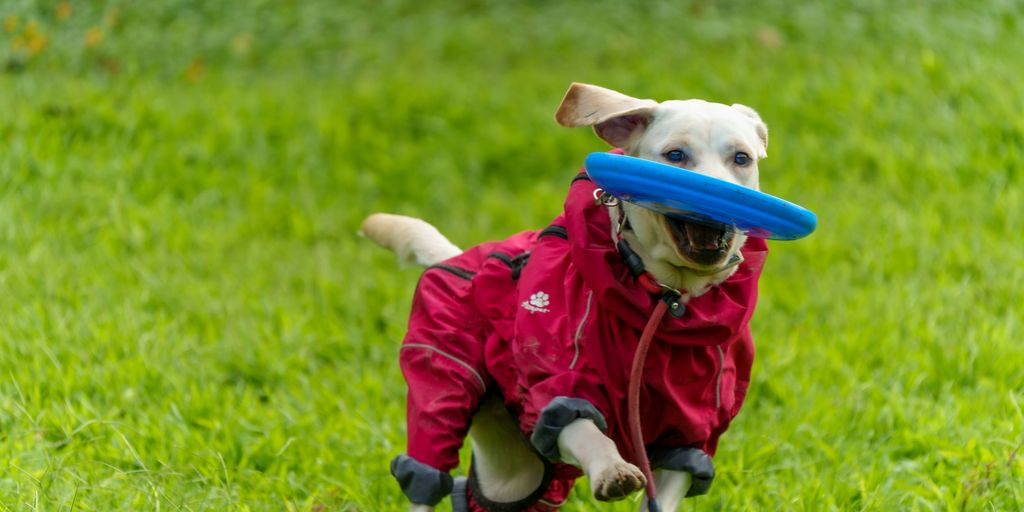
Okay, so you’re convinced your dog needs a raincoat. Great! But not all raincoats are created equal. It’s not just about slapping any old piece of waterproof fabric on your furry friend. You need to think about fit, material, and safety. Let’s break it down.
Prioritizing Size and Fit
Getting the right size is probably the most important thing. A raincoat that’s too tight will restrict movement and be uncomfortable, while one that’s too loose will be ineffective and could even be a tripping hazard. Measure your dog’s neck, chest, and back length. Most brands have size charts, so use those as a guide. Adjustable straps are your friend! They allow for a more customized fit, especially if your dog is between sizes. You want a snug fit, but not constricting. Make sure they can move freely.
Assessing Material Quality
You want something waterproof, not just water-resistant. Think coated nylon or PVC. Breathability is also key. A mesh lining can help prevent your dog from overheating, especially during longer walks. Check the seams, too. Are they sealed? Good quality raincoats will have sealed seams to prevent water from seeping through. You don’t want your dog getting wet anyway! Durability is another factor. A thicker material will hold up better to wear and tear, especially if your dog is active.
Considering Coverage and Safety Features
Think about how much coverage you need. Some raincoats just cover the back, while others offer more protection for the chest and belly. Some even have hoods! If you live in an area with heavy rain, more coverage is better. Also, consider safety features. Reflective strips are a must, especially if you walk your dog at night or in low-light conditions. Bright colors can also help with visibility. Finally, think about harness/leash access. You’ll want a raincoat that allows you to easily attach a leash to your dog’s harness or collar. Some have a small opening, while others allow the leash to slide through.
Choosing the right raincoat can make all the difference in your dog’s comfort and willingness to go outside in the rain. Take your time, do your research, and don’t be afraid to try a few different options until you find the perfect fit. After all, a happy dog makes for a happy owner!
Here’s a quick guide:
- Measure your dog carefully.
- Prioritize waterproof and breathable materials.
- Look for reflective strips for safety.
- Consider the amount of coverage needed.
- Ensure easy access for a leash.
Speaking of keeping your dog comfortable, after a rainy walk, you might want to consider the best dog coat to keep them warm and dry.
Introducing the Raincoat Positively
Getting your dog used to a raincoat doesn’t have to be a struggle! The key is to make it a fun and rewarding experience. We’re aiming for positive associations, so your dog sees the raincoat as a good thing, not something to fear. Let’s break down how to do it.
Starting with Gentle Familiarization
First, let your dog simply investigate the raincoat. Put it on the floor and let them sniff it, paw at it, and generally get used to its presence. Don’t try to put it on them yet! The goal is to make the raincoat seem like a normal, non-threatening object. If your dog seems nervous, move the raincoat further away and gradually bring it closer as they become more comfortable. This is all about going at their pace.
Associating the Raincoat with Rewards
This is where the treats come in! Every time your dog interacts with the raincoat in a positive way (sniffing, touching it calmly), give them a treat and praise. You want them to associate the raincoat with good things. You can even place treats on the raincoat to encourage them to approach it. The goal is to create a positive emotional response to the raincoat.
Here’s a simple reward schedule you can follow:
- Sniffing the raincoat: Small treat + verbal praise
- Touching the raincoat with a paw: Slightly larger treat + enthusiastic praise
- Standing near the raincoat calmly: Jackpot treat (their absolute favorite!) + lots of praise
Maintaining a Calm and Encouraging Demeanor
Your dog can sense your emotions, so it’s important to stay calm and positive throughout this process. If you’re anxious or frustrated, your dog will pick up on that and may become more resistant to the raincoat. Speak in a soothing voice and use lots of praise. If your dog seems scared or overwhelmed, take a break and try again later. Remember, patience is key! You want to make this a positive experience, not a stressful one. For muddy spring walks with your dog, remember to stay calm and encouraging.
A relaxed and encouraging attitude is contagious. Your dog will be more likely to accept the raincoat if they sense that you’re confident and happy about it. Avoid forcing the issue or getting frustrated, as this will only make things worse.
Gradual Acclimation to Wearing the Raincoat
It’s time to get your dog used to wearing that raincoat! Don’t rush it; slow and steady wins the race. We want them to associate the raincoat with good things, not stress. This part is all about taking baby steps and making sure your dog is comfortable every step of the way. Remember, patience is key!
Beginning with Short Indoor Sessions
Start inside where your dog feels safe and secure. Let them sniff the dog raincoat and get used to it being around. Don’t try to put it on them right away. Just lay it nearby during playtime or treat time. If they show any curiosity or even just ignore it, reward them with praise and a small treat. The goal is to make the raincoat a normal, non-threatening object in their environment. Keep these sessions short – a few minutes at a time is plenty. You can even drape the raincoat loosely over their back for a second or two, then immediately remove it and give a treat. This helps them get used to the feeling of it without feeling trapped.
Increasing Duration and Comfort Indoors
Once your dog is comfortable with the raincoat being near them, you can start gradually increasing the amount of time they wear it indoors. Begin by putting it on for just a minute or two, then slowly increase the duration as they become more relaxed. Make sure the fit isn’t too tight. Keep an eye on their body language. If they seem uncomfortable, take the raincoat off immediately and try again later with a shorter session. Use positive reinforcement throughout the process. Give them treats, praise, and lots of encouragement while they’re wearing the raincoat. You can also try distracting them with a favorite toy or a fun game.
Practicing Movement While Wearing the Raincoat
Now that your dog is comfortable wearing the raincoat for longer periods indoors, it’s time to get them moving! Encourage them to walk around, play, and explore while wearing the raincoat. This will help them get used to the feeling of it while they’re in motion. Start with short walks around the house, then gradually increase the distance as they become more confident. Make sure to continue using positive reinforcement throughout the process. Reward them for walking nicely, playing with toys, and generally being comfortable while wearing the raincoat. If they start to get anxious or uncomfortable, take a break and try again later.
Remember, every dog is different, and some may take longer to adjust than others. Be patient, consistent, and always prioritize your dog’s comfort and well-being. With time and patience, your dog will be strutting their stuff in their raincoat in no time!
Transitioning to Outdoor Wear
Introducing the Raincoat During Walks
Okay, so your dog is strutting around the house in their raincoat like they own the place. Time to brave the elements! Start with short walks in light rain or even just after it’s rained, when the ground is wet. This way, the raincoat isn’t immediately associated with a downpour. Keep the first few walks brief and focused on positive reinforcement. Bring high-value treats and praise your dog for simply walking calmly in the raincoat. If they seem uncomfortable, don’t push it. End the walk on a positive note, even if it’s just a quick jaunt around the block. Remember, baby steps are key. You can also try using a Neewa product to make the experience more comfortable for your dog.
Reinforcing Positive Outdoor Experiences
Now that your dog is getting used to wearing the raincoat outside, it’s time to make those outdoor experiences extra enjoyable. Think about activities your dog loves: playing fetch, exploring a new park, or even just sniffing around their favorite tree. Incorporate these activities into your rainy-day walks to create positive associations with the raincoat. Bring their favorite toy, offer lots of praise, and maybe even schedule a playdate with a raincoat-wearing friend. The goal is to make them think, "Raincoat = fun!" Here are some ideas:
- Bring a favorite toy for a quick game of fetch.
- Explore a new, exciting walking route.
- Offer extra-special treats they only get when wearing the raincoat.
Addressing Hesitation with Patience
Even with the best preparation, some dogs might still hesitate when it’s time to wear the raincoat outside. Maybe they associate rain with negative experiences, or perhaps they’re just not thrilled about the feeling of the raincoat against their fur. Whatever the reason, patience is key. Don’t force your dog to wear the raincoat if they’re clearly distressed. Instead, go back to the basics. Try putting the raincoat on indoors for a few minutes, offering treats and praise. Then, gradually work your way back up to outdoor walks. If your dog is particularly anxious, consider consulting with a professional dog trainer or behaviorist for personalized guidance. Remember, it’s all about building trust and creating positive associations.
If your dog is really struggling, don’t be afraid to take a break from raincoat training altogether. Sometimes, a little time off can help them reset and approach the process with a fresh perspective. You can always revisit the training later, when they’re feeling more relaxed and receptive.
Troubleshooting and Advanced Tips
Handling Anxious or Stubborn Dogs
Some dogs just aren’t thrilled about wearing anything, and that’s okay! The key is patience and understanding. If your dog is showing signs of anxiety, like panting, shaking, or trying to escape, don’t force the issue. Back off and revisit the introduction process at a slower pace. Maybe just start with having the raincoat nearby during treat time, so they associate it with something positive. For stubborn dogs, consistency is your friend. Keep the training sessions short and sweet, and always end on a positive note.
Utilizing Distraction Techniques
Distraction can be a game-changer! If your dog is tolerating the raincoat but still seems a bit uneasy, try engaging them in a fun activity. This could be a game of fetch, a puzzle toy, or even just some basic obedience training. The goal is to shift their focus away from the raincoat and onto something they enjoy. You can also try smearing a bit of peanut butter on a lick mat to keep them occupied while they’re wearing it.
Knowing When to Take a Break
It’s super important to recognize when your dog has had enough. If they’re becoming overly stressed or frustrated, it’s time to call it quits for the day. Pushing them too hard can create negative associations with the raincoat, making future training sessions even more difficult. Remember, the goal is to make this a positive experience, so don’t be afraid to take a break and try again later.
Think of it like this: you wouldn’t want someone forcing you to wear something uncomfortable, right? Treat your dog with the same respect and understanding. A little patience and positive reinforcement can go a long way in helping them adjust to wearing a raincoat.
Here’s a quick guide to recognizing stress signals:
- Excessive panting (when not hot)
- Lip licking
- Yawning
- Whale eye (showing the whites of their eyes)
- Tucked tail
If you notice any of these signs, give your dog some space and try again another time. Remember that a waterproof dog raincoat is a great tool, but only if your dog is comfortable wearing it.
Maintaining Your Dog’s Raincoat
Proper Cleaning and Drying Techniques
Okay, so you’ve got your dog happily trotting around in their raincoat. Great! But now you need to keep that thing clean. I usually just hose ours off if it’s muddy, but sometimes it needs a bit more. Always check the care label first! Most can be wiped down with a damp cloth. For tougher grime, a gentle cycle in the washing machine with mild detergent works wonders.
- Use cold water.
- Avoid bleach or fabric softeners.
- Hang it up to air dry – dryers can ruin the waterproof coating.
Optimal Storage for Longevity
How you store the raincoat matters too. Don’t just crumple it up and toss it in a bin! That’s a recipe for mildew and damage.
- Make sure it’s completely dry before storing it.
- Hang it in a closet or on a hook.
- If you must fold it, do so loosely to avoid creases that can crack the waterproof material.
I learned the hard way about proper storage. I left our raincoat in a damp bag for weeks, and when I pulled it out, it was covered in mold. Now I always make sure it’s bone dry and stored in a breathable bag.
Considering Additional Rainy Day Gear
Raincoats are awesome, but sometimes you need more than just that. Think about the whole rainy-day experience for your pup. Does your dog hate having wet paws? Consider some dog booties. A quick-dry towel by the door is a lifesaver for muddy legs and bellies. And if your dog really hates the rain, you could even look into a dog umbrella!
Here’s a quick list of extras to consider:
- Dog booties
- Quick-dry towels
- Dog umbrella
- Waterproof leash
Keeping your dog’s raincoat in good shape is super important for keeping them dry and comfy. A clean coat lasts longer and works better. Want to learn more about keeping your dog happy and healthy? Check out our website for more great tips!
Wrapping It Up
So, there you have it. Getting your dog used to a raincoat might seem like a big deal at first. But honestly, with a little bit of patience and some yummy treats, it’s totally doable. Remember, every dog is different. Some will pick it up super fast, while others might need a bit more time. Just keep things positive, don’t push too hard, and celebrate every little win. Soon enough, your furry friend will be strutting their stuff in their raincoat, ready for any rainy day adventure. And you’ll be happy knowing they’re dry and comfy. It’s a win-win for everyone.
Frequently Asked Questions
Does every dog need a raincoat?
Not every dog needs a raincoat, but many can definitely benefit from one! It really depends on your dog’s breed, fur type, size, age, and how active they are. For example, tiny dogs or those with very short fur often get cold easily in the rain, while breeds like Huskies with thick coats might not need one as much.
Why is a raincoat important for some dogs?
A raincoat helps keep your dog’s fur dry and clean, which means no more wet dog smell or muddy paw prints all over your house! It also helps prevent your dog from getting too cold and possibly sick, especially if they are older or have health issues. Plus, a dry, comfortable dog is usually a happier dog, making walks more enjoyable for both of you.
How do I choose the best raincoat for my dog?
Look for a raincoat that fits well – not too tight or too loose. Measure your dog’s neck, chest, and back. The best raincoats are made from truly waterproof materials, like coated nylon, not just water-resistant ones. Think about how much coverage you want; some cover just the back, while others cover the belly and legs too. Reflective strips are a good idea for safety in dim light.
What’s the best way to introduce my dog to a raincoat?
Start by letting your dog sniff and get used to the raincoat. Give them treats when they are calm around it. Then, gently drape it over their back for a few seconds, giving more treats and praise. Slowly increase the time they wear it, and eventually try fastening the straps. Always keep it positive and don’t force them.
How can I help my dog get used to wearing the raincoat?
Begin with short indoor sessions, just a minute or two at first. As your dog gets more comfortable, make the sessions a bit longer. Practice having them walk around the house while wearing it. Once they are totally fine with it indoors, try it outside for short periods, especially before a fun walk to create a positive link.
My dog is anxious about wearing the raincoat. What should I do?
If your dog is nervous, go extra slow and use lots of their favorite treats and toys to distract them. Keep training times short and fun. If they get upset, take a break and try again later. Never force the raincoat on them. Patience is key!