
Getting out into nature with your dog for a hunt can be a really cool experience. It’s not just about finding game; it’s also about building a strong connection with your furry friend. But before you hit the field, knowing how to train a dog for hunting the right way is super important. It takes some work, sure, but the payoff is a loyal and skilled partner ready for outdoor adventures.
Key Takeaways
- Begin training your dog early to set up good habits.
- Use positive rewards, like treats and praise, to keep your dog happy and learning.
- Slowly get your dog used to the sounds and sights of hunting.
- Train consistently and practice commands in different places.
- Always put your dog’s safety first with the right gear and health checks.
Choosing the Right Hunting Dog Breed
Choosing the right hunting dog breed is a big deal. It’s not just about picking a cute puppy; it’s about finding a partner that complements your hunting style and the game you’re after. Different breeds have different strengths, so doing your homework is key. You wouldn’t want to bring a pointer to a waterfowl hunt, right?
Researching Breed Characteristics
Before you fall in love with a breed based on looks alone, dig into their history and temperament. What were they originally bred for? What are their energy levels like? How trainable are they? Some breeds are naturally more independent, while others are eager to please. Understanding these traits will help you determine if a particular breed is a good fit for your experience level and lifestyle. For example, some breeds need a lot of exercise, and if you can’t provide that, you might end up with a bored and destructive dog. It’s also worth looking into common health issues for each breed, so you know what to expect down the road.
Matching Breed to Hunting Style
The type of game you hunt should heavily influence your breed choice. Are you after upland birds, waterfowl, or something else entirely? Different breeds excel in different areas. Pointers and setters are great for upland birds, while retrievers are ideal for waterfowl. If you’re into tracking, a hound might be your best bet. Think about the terrain you’ll be hunting in, too. A small, agile dog might be better suited for dense cover than a large, bulky one. It’s all about finding the right tool for the job. Consider the best canine companion for your target bird.
Popular Hunting Dog Breeds
There are many popular hunting dog breeds, each with its own unique set of skills and characteristics. Here are a few examples:
- Labrador Retriever: Versatile and eager to please, Labs are great for waterfowl and upland game.
- German Shorthaired Pointer: Energetic and intelligent, GSPs are excellent pointers and retrievers.
- English Springer Spaniel: Hardy and enthusiastic, Springers are known for their flushing abilities.
- Brittany Spaniel: Agile and affectionate, Brittanys are great for upland bird hunting.
Choosing a hunting dog is a big decision. Take your time, do your research, and find a breed that fits your hunting style and lifestyle. A well-matched dog will not only be a valuable hunting partner but also a loyal companion for years to come.
Understanding the Importance of Training
Before you even think about hitting the woods, it’s super important to get why training is a big deal. It’s not just about having a dog that can fetch; it’s about building a solid partnership and keeping everyone safe. I remember when I first started, I thought a few basic commands were enough. Boy, was I wrong! Real hunting situations are way more complex, and a well-trained dog makes all the difference.
Building a Strong Foundation
Think of training like building a house. You can’t just slap up some walls; you need a solid foundation first. For hunting dogs, this means starting with the basics and gradually building up to more complex skills. It’s about teaching them to listen, to focus, and to trust you, no matter what’s going on around them. A good foundation also helps prevent bad habits from forming later on. It’s way easier to teach a puppy the right way to do things than to correct an older dog that’s learned some bad habits. Plus, a well-trained dog is just more enjoyable to be around, both in the field and at home. You can find a professional trainer to help you get started.
Ensuring Safety in the Field
Safety is always the top priority, and training plays a huge role in keeping your dog safe. A dog that doesn’t listen to commands can easily get into trouble, whether it’s running into a dangerous area, getting too close to other hunters, or even encountering wildlife. Training teaches them to respond to your commands instantly, even when they’re excited or distracted. This can be a lifesaver in many situations. For example, teaching a reliable "stay" command can prevent your dog from running into the path of a vehicle or getting lost in the woods. It’s also important to train them to avoid certain things, like poisonous plants or dangerous animals.
Enhancing Dog Abilities
Training isn’t just about obedience; it’s also about unlocking your dog’s full potential. Some dogs have a natural talent for hunting, but even the most gifted dogs need training to refine their skills. Training can improve their tracking abilities, their retrieving skills, and their overall performance in the field. It’s about teaching them to use their instincts effectively and to work as a team with you. Plus, the more you train your dog, the more confident they’ll become, which can make them even more effective hunters. Think of it as giving them the tools they need to succeed.
Training is an ongoing process. It’s not something you do once and then forget about. You need to keep practicing and reinforcing their skills regularly to maintain their abilities. This not only keeps them sharp but also strengthens the bond between you and your dog.
Mastering Foundational Obedience
Before you even think about taking your dog out on a hunt, you’ve got to nail the basics. We’re talking about rock-solid obedience. It’s not just about having a well-behaved dog at home; it’s about safety and control in unpredictable hunting environments. If your dog doesn’t listen to you when a pheasant suddenly bursts from cover, things could go south fast. Foundational obedience is the bedrock upon which all advanced hunting skills are built. Think of it as the ABCs before you write a novel.
Starting Training at a Young Age
Get started early! Puppy training isn’t just cute; it’s essential. The earlier you begin, the easier it is to instill good habits and establish yourself as the leader. Start with simple commands like "sit," "stay," and "come" as soon as you bring your pup home. Keep the sessions short and fun, and always end on a positive note. A young pup’s attention span is limited, so frequent, brief sessions are way more effective than long, drawn-out ones. Early socialization is also key. Expose your pup to different people, places, and sounds to help them become a confident and well-adjusted dog. This early work lays the groundwork for more advanced training down the road. Remember, early socialization is vital to normal development and their future success as they develop into a working gundog.
Using Positive Reinforcement
Forget old-school methods that rely on punishment. Positive reinforcement is the way to go. Reward your dog for good behavior with treats, praise, or a favorite toy. The goal is to make training a fun and rewarding experience for your dog, not something they dread. When they associate obedience with positive outcomes, they’re much more likely to cooperate. Be consistent with your rewards and timing. The reward should come immediately after the desired behavior so your dog makes the connection. Positive reinforcement boosts learning and strengthens the bond between you and your dog, making obedience training a shared joy rather than a task.
Practicing Commands in Varied Settings
Don’t just practice commands in your living room. Once your dog has a good grasp of the basics, start practicing in different environments with increasing levels of distraction. Take them to the park, the woods, or even a busy street. The goal is to ensure they’ll obey your commands no matter what’s going on around them. This is especially important for hunting dogs, who will be working in unpredictable and stimulating environments. Introduce distractions gradually. Start with a quiet park and then move to more challenging locations as your dog progresses. Training dummies and scent trails enhance your dog’s retrieving and tracking abilities, teaching them to follow commands and cues in the presence of game scent.
Foundational obedience is more than just teaching your dog a few tricks. It’s about building a strong relationship based on trust and respect. It’s about ensuring their safety and your own in the field. And it’s about laying the groundwork for a successful and enjoyable hunting partnership.
Developing Advanced Hunting Skills
Implementing Quartering Drills
Quartering drills are super important for teaching your dog to efficiently search for game. The goal is to train your dog to cover ground in a zigzag pattern, maximizing the area they can scent. Start by using markers or bumpers to guide your dog, and use arm movements to direct them. It’s like teaching them to mow the lawn, but for birds! Remember to reward them when they do it right. This helps them learn to locate and flush out game more effectively.
Acclimating to Gunfire Sounds
Some dogs get really freaked out by loud noises, and gunfire is definitely one of those. You gotta get them used to it slowly. Start by having someone fire a gun far away while the dog is doing something fun, like retrieving. Gradually, have the shooter get closer with each retrieve. The idea is to associate the sound with something positive. Praise and treats are your best friends here. If you do it right, your dog will learn that gunfire means it’s time to work, not time to panic. This gradual approach helps your dog associate gunshots with positive experiences and gradually reduces their fear or anxiety. It’s all about making sure they’re comfortable with the sound of gunshots.
Adapting to Diverse Environments
Hunting doesn’t always happen in the same field. Your dog needs to be ready for anything – thick woods, open fields, water, you name it. Expose them to different terrains and cover types during training. Introduce them to different game bird scents and movements. This will test their physical abilities and sharpen their mental focus. It’s like giving them a puzzle to solve in a new place every time.
Think of it as a canine obstacle course. The more varied the training environment, the better prepared your dog will be for real-world hunting scenarios. This adaptability is what separates a good hunting dog from a great one.
Here’s a simple way to think about it:
- Woods: Practice navigating through trees and underbrush.
- Fields: Work on long-range retrieves and quartering in open spaces.
- Water: Get them comfortable with swimming and retrieving in water. A buoyant vest can help with this.
- Different Game: Introduce them to various scents and sights of different birds.
By exposing your dog to a wide range of environments, you’re setting them up for success no matter where the hunt takes you. This is key to guided hunting success.
Equipping Your Dog for the Hunt
Selecting Essential Protective Gear
Okay, so you’ve got your dog trained, and now it’s time to gear up! Think of it like prepping for a big game – your dog needs the right equipment to stay safe and perform well. A good dog vest is a must. It protects against thick brush, thorns, and even offers some buoyancy if you’re hunting near water. Make sure it fits well; too loose, and it’s a hazard; too tight, and it’s uncomfortable.
Also, consider dog boots, especially if you’re hunting in rough terrain. They can prevent cuts and scrapes on your dog’s paws. Start by getting your dog used to wearing them around the house before hitting the field. It might look funny at first, but trust me, they’ll thank you later. Don’t forget about eye protection either. Goggles can shield your dog’s eyes from debris and sunlight, especially important for breeds with sensitive eyes.
Ensuring Visibility and Safety
Visibility is key, especially during dawn or dusk hunts. An orange safety vest is non-negotiable. It makes your dog easily identifiable to other hunters, preventing accidents. Reflective collars or leashes are also a good idea, adding an extra layer of visibility.
Beyond visibility, think about safety in terms of potential hazards. If you’re hunting in an area with snakes, consider snake-proof boots for your dog. If you’re in bear country, a bear bell can alert wildlife to your presence, reducing the risk of encounters. A hunting dog breeds GPS tracker is also a smart investment. It allows you to monitor your dog’s location in real-time, giving you peace of mind and helping you quickly locate them if they get lost.
Preparing a Comprehensive First-Aid Kit
Accidents happen, so a well-stocked first-aid kit is absolutely essential. Include items like bandages, antiseptic wipes, gauze pads, and medical tape. A well-stocked first-aid kit should also have tweezers for removing ticks or splinters, and a cold pack for reducing swelling.
It’s a good idea to take a canine first-aid course. Knowing how to handle common injuries can make a huge difference in the field. Learn how to stop bleeding, treat wounds, and recognize signs of heatstroke or hypothermia. Having that knowledge could save your dog’s life.
Here’s a basic checklist for your kit:
- Bandages (various sizes)
- Antiseptic wipes
- Gauze pads
- Medical tape
- Tweezers
- Cold pack
- Hydrogen peroxide (to induce vomiting if necessary)
Don’t forget to include any medications your dog takes regularly, and keep the kit in a waterproof bag to protect it from the elements. Regularly check the kit to replace used items or expired medications. Being prepared can turn a potential disaster into a minor inconvenience.
Prioritizing Canine Safety and Well-being
Identifying Field Hazards
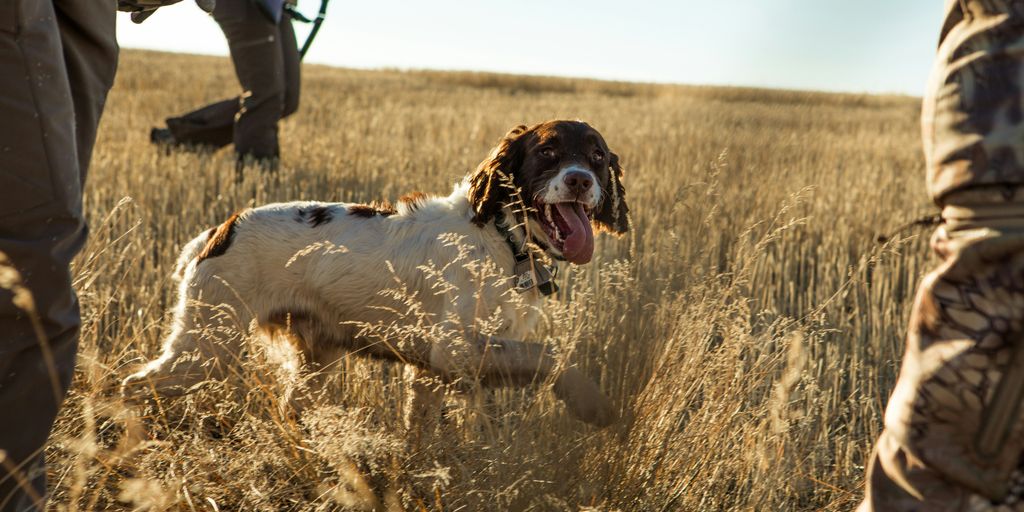
When you’re out there, it’s not just about bagging game; it’s about making sure your dog comes home safe. Knowing what dangers lurk in your hunting area is step one. This means doing your homework on local wildlife, like snakes or predators, and being aware of things like barbed wire fences or hidden holes. I always make a mental note of any potential hazards as I scout an area. It’s also smart to be able to ID poisonous plants. I once had a scare when my old pointer, Gus, got into some poison ivy. Not fun.
Maintaining Optimal Health
Keeping your dog in top shape is more than just feeding them. It’s about regular vet visits, a balanced diet, and staying on top of vaccinations and parasite control. I make sure to schedule a check-up before hunting season to catch any potential problems early. Plus, I adjust their food based on their activity level. A working dog needs more fuel! Don’t forget about dental health either; bad teeth can lead to bigger problems. Regular vet check-ups are a must.
Here’s what I try to keep in mind:
- Regular vet check-ups
- Proper diet and hydration
- Consistent exercise
- Grooming to check for ticks and injuries
Utilizing GPS Tracking Devices
I’m a big believer in technology when it comes to dog safety. A GPS tracker can be a lifesaver, especially in thick cover or unfamiliar terrain. I use one that attaches to my dog’s collar, and it gives me real-time location updates on my phone. It’s not just about finding a lost dog; it’s about peace of mind. I can see if they’re getting too far away or heading into a dangerous area. Plus, some trackers have activity monitors, so I can see how much they’ve run and adjust their training accordingly. Investing in a good canine GPS tracker is worth it.
I always tell new hunters: your dog’s safety is your responsibility. It’s not just about having fun; it’s about being a responsible owner and ensuring your hunting buddy is protected from harm. A little preparation goes a long way.
Strengthening the Hunter-Dog Bond
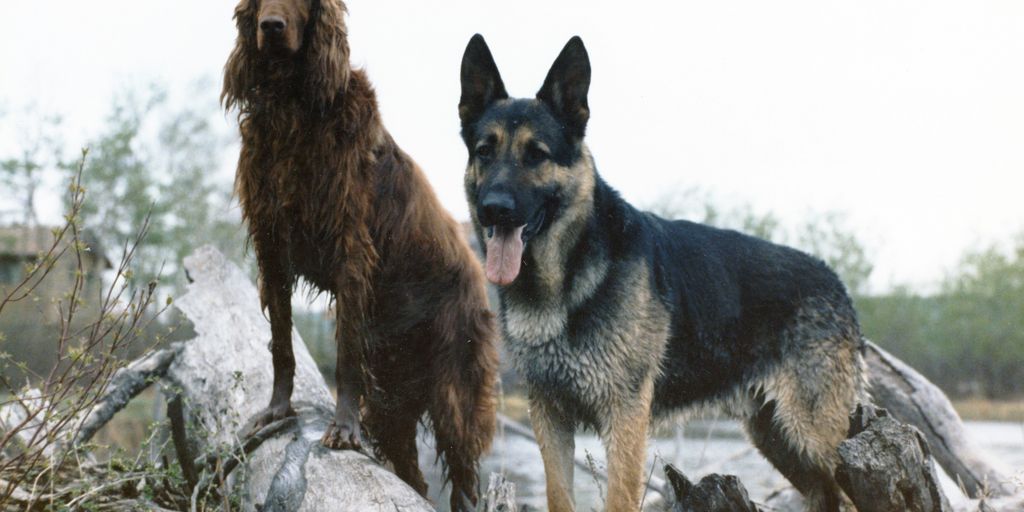
It’s easy to get caught up in the drills and commands, but let’s not forget the heart of it all: the bond between you and your dog. This isn’t just about having a well-trained hunting partner; it’s about building a relationship based on trust, respect, and shared experiences. A strong bond translates to better teamwork in the field and a more fulfilling partnership overall.
Fostering Trust and Mutual Respect
Trust is earned, not given. Start by being consistent in your training and interactions. Your dog needs to know they can rely on you for guidance and support. Positive reinforcement goes a long way here. Avoid harsh corrections; instead, focus on rewarding good behavior. This builds confidence and encourages your dog to work with you, not out of fear, but out of a desire to please. Spend time simply being with your dog, outside of training sessions. Grooming, playing, or even just relaxing together can strengthen your connection. Remember, it’s a two-way street. Respect your dog’s limits and needs, and they’ll respect yours.
Engaging in Shared Experiences
Get out there and do things together! Hunting is the obvious one, but don’t limit yourselves. Go for hikes, explore new trails, or even just play fetch in the park. The more experiences you share, the stronger your bond will become. Introduce your dog to different environments and situations. This not only helps them become more well-rounded but also gives you opportunities to work together and overcome challenges. These shared adventures create lasting memories and deepen your connection.
Maintaining a Positive Training Approach
Training should be enjoyable for both of you. Keep sessions short, fun, and engaging. End on a positive note, even if it means going back to a simpler command that your dog knows well. Avoid getting frustrated or angry. Your dog can sense your emotions, and negativity can damage your bond. Celebrate successes, no matter how small. A little praise and encouragement can go a long way. Remember, training is an ongoing process. Be patient, consistent, and always focus on building a positive relationship with your dog.
A positive training approach isn’t just about rewards; it’s about creating an environment where your dog feels safe, confident, and motivated to learn. It’s about understanding their individual personality and tailoring your methods to suit their needs. It’s about building a partnership based on mutual respect and a shared love for the outdoors.
Building a strong connection with your dog is super important, especially for hunters. A good bond makes training easier and your time together much more rewarding. If you want to make your friendship with your dog even stronger, explore our best dog training courses on our website now!
Wrapping Things Up
Alright, so getting your dog ready for hunting is a big job, no doubt. It takes time, and you gotta be patient, but honestly, it’s super rewarding. If you follow the ideas we went over, you’ll end up with a really good hunting partner. Always keep your dog’s well-being in mind, and if you hit a snag, it’s totally fine to get some outside advice. Soon enough, you’ll have an amazing friend right there with you on all your outdoor adventures.
Frequently Asked Questions
When is the best time to begin training a hunting dog?
It’s best to start training your hunting dog when they are young, usually around eight weeks old. This helps them learn good habits early and builds a strong base for more advanced skills later on.
How do I teach my dog to be okay with loud gunshots during a hunt?
Loud gunshots can scare dogs, so it’s important to get them used to the noise slowly. Start by having someone shoot a gun far away while your dog is doing something fun, like fetching. As your dog gets more comfortable, the shooter can move closer. Always give your dog praise or treats when they react well to the sound. This helps them connect gunshots with good things.
What important gear should my hunting dog wear or have for safety?
For your dog’s safety while hunting, they should have a few key items. A strong, bright vest can protect them from rough plants and help them float in water. A GPS tracker is also smart so you always know where they are. Make sure they wear bright colors, like orange, so others can easily see them. And don’t forget a first-aid kit for any small injuries.
Why is it good to use rewards and praise when training my hunting dog?
Using rewards like treats, praise, and even playtime makes training much better. When your dog gets something good for doing what you ask, they’re more likely to repeat that behavior. It helps them feel happy and eager to learn, making the whole training process more fun for both of you.
What’s a good way to teach my dog to find game better?
To help your dog find game more easily, teach them ‘quartering.’ This means they learn to run in a zigzag path in front of you, instead of just a straight line. This way, they cover more ground and are more likely to sniff out birds or other game hiding in different spots. You can use markers to guide them in this pattern during practice.
How important is the connection between me and my hunting dog?
The bond you share with your hunting dog is super important for success. When your dog trusts and respects you, they’ll be more likely to listen and work well with you in the field. Spending time together outside of training, playing, and having fun builds a strong friendship. This strong connection makes your dog want to please you and understand what you need them to do.