
Training a Siberian Husky can be quite the adventure. These dogs are known for their energy, intelligence, and sometimes stubborn attitudes. But don’t worry! With the right techniques and a bit of patience, you can turn your Husky into a well-behaved companion. This guide will walk you through the essentials of training your Husky, from understanding their unique traits to tackling common issues. Let’s get started on this journey together!
Key Takeaways
- Understand Huskies’ characteristics and energy needs for effective training.
- Use positive reinforcement to encourage good behavior and strengthen your bond.
- Be consistent with commands and training routines to avoid confusion.
- Incorporate mental stimulation activities to keep your Husky engaged and happy.
- Address behavioral issues early to prevent them from becoming habits.
Understanding The Siberian Husky

Characteristics Of The Breed
Siberian Huskies are known for their striking looks and incredible endurance. Originally bred as sled dogs, they possess a thick double coat to withstand harsh climates and a strong pack mentality. Their intelligence is notable, but it comes with a certain independence that can influence training. Understanding these traits is key to effective Siberian Husky Training.
Energy Levels And Exercise Needs
Huskies have high energy levels and require a significant amount of exercise to stay happy and healthy. Without enough physical activity, they can become bored and destructive. Daily walks, runs, or play sessions are a must. Consider these points:
- At least two hours of exercise daily is recommended.
- Mental stimulation is just as important as physical exercise.
- A bored Husky is often a destructive Husky.
A tired Husky is a good Husky. Providing ample opportunities for exercise will help prevent behavioral problems and keep your dog content.
The Importance Of Socialization
Early socialization is extremely important for Huskies. Exposing them to various people, places, and situations from a young age helps them develop into well-adjusted adults. This includes:
- Introducing them to different sounds and sights.
- Supervising interactions with other dogs and animals.
- Ensuring positive experiences during these encounters.
The Fundamentals Of Training
Alright, so you’re ready to get serious about training your Husky. That’s awesome! It’s not always a walk in the park, but with the right approach, you can really see some amazing results. It’s all about building a solid base. Let’s break down some key things to keep in mind.
Positive Reinforcement Techniques
Positive reinforcement is your best friend when training a Husky. Forget about punishment; it just doesn’t work well with this breed. Instead, focus on rewarding good behavior. Think treats, praise, or even a favorite toy. The key is to make the experience enjoyable for your dog. When they do something right, let them know it! Timing is also important. You want to reward the behavior immediately so they make the connection. Keep training sessions short and sweet to maintain their attention. It’s all about creating a positive association with training.
Establishing Consistency
Consistency is absolutely vital. If you let your Husky get away with something one day, they’ll expect to get away with it every day. Everyone in the family needs to be on the same page with the rules and commands. This means using the same words for commands and enforcing the same boundaries. It might seem like a pain at first, but it will pay off big time in the long run. A confused Husky is a disobedient Husky. Make sure everyone knows the plan!
Basic Obedience Commands
Start with the basics: sit, stay, come, down, and leave it. These commands are the foundation for everything else. Keep training sessions short, fun, and engaging. Use high-value treats to keep your Husky motivated. Remember, patience is key. It might take some time for your Husky to master these commands, but don’t give up. Celebrate small victories and keep practicing. These basic commands will help you manage your dog in various situations.
Training isn’t just about teaching commands; it’s about building a relationship with your Husky. It’s about showing them that you’re a leader they can trust and respect. When you approach training with patience, consistency, and positive reinforcement, you’ll be amazed at what you can achieve together.
Here’s a simple table to track progress:
| Command | Day 1 | Day 3 | Day 7 |
|---|---|---|---|
| Sit | 50% | 80% | 95% |
| Stay | 20% | 50% | 75% |
| Come | 30% | 60% | 85% |
Advanced Training Techniques
So, you’ve nailed the basics with your Husky? Awesome! Now it’s time to level up. Advanced training isn’t just about teaching your dog cool tricks; it’s about deepening your bond and providing them with even more mental and physical challenges. Huskies are smart cookies, and they thrive when they have a job to do. Let’s dive into some techniques to keep them engaged and happy.
Teaching Advanced Commands
Beyond "sit," "stay," and "come," there’s a whole world of commands you can teach your Husky. Think about commands that are both fun and useful. For example, teaching them to "find" a specific toy or person can be a great way to engage their natural scent-tracking abilities. You could also teach them to "leave it" reliably, which is super helpful in preventing them from snatching things they shouldn’t. The key is to break down complex commands into smaller, manageable steps. Use positive reinforcement, and be patient. Huskies can be stubborn, but they’re also very capable of learning complex tasks.
Off-Leash Training Strategies
Okay, this one requires a solid foundation of trust and obedience. Off-leash training isn’t for every Husky, especially those with a strong prey drive or a tendency to wander. Start in a safe, enclosed area, like a fenced yard or a dog park. Use a long lead to gradually increase their freedom while still maintaining control. Practice recall frequently, and reward them handsomely when they come back to you. Never punish them for coming back, even if it takes them a while. The goal is to make recall the most rewarding thing they can do. If your Husky consistently responds to your commands in a controlled environment, you can gradually start practicing in more open areas, but always be cautious and aware of their surroundings.
Engaging In Dog Sports
Dog sports are a fantastic way to channel your Husky’s energy and intelligence. Here are a few options to consider:
- Agility: This involves navigating an obstacle course, which is great for both physical and mental stimulation. Agility training benefits are numerous, and it’s a fun way to bond with your dog.
- Sledding/Skijoring: If you live in an area with snow, this is a natural fit for Huskies. It allows them to do what they were bred to do – pull!
- Canicross: This is basically cross-country running with your dog. It’s a great way to get exercise for both of you.
- Obedience Competitions: Test your Husky’s training and obedience skills in a competitive setting.
Remember, the goal of advanced training is to challenge your Husky and strengthen your relationship. It should be a fun and rewarding experience for both of you. Don’t get discouraged if you encounter setbacks. Just keep practicing, be patient, and celebrate your successes along the way.
Addressing Behavioral Issues
Huskies, with their intelligence and energy, can sometimes develop unwanted behaviors. Addressing these issues early and consistently is key to a harmonious relationship. It’s not always easy, but with the right approach, you can definitely make progress.
Managing Excessive Digging
Huskies have a natural instinct to dig. It’s in their genes! Instead of trying to eliminate the behavior entirely, consider redirecting it. Designate a specific digging area in your yard where your husky is allowed to dig to their heart’s content. You can even bury toys or treats in this area to make it more appealing. Make sure the designated area is appealing, though. If it’s just a patch of dirt in the sun, your husky might still prefer your flower beds. Also, ensure your husky gets enough exercise and mental stimulation, as boredom can often lead to increased digging.
Curbing Destructive Behaviors
Destructive chewing or scratching can be frustrating. Often, this stems from boredom or separation anxiety. Make sure your husky has plenty of appropriate chew toys. Rotate them regularly to keep things interesting. Puzzle toys that dispense treats can also keep them occupied. If the behavior is related to separation anxiety, consider crate training or consulting with a professional dog trainer or behaviorist. It’s also important to make sure your husky is getting enough physical and mental exercise. A tired husky is less likely to be a destructive husky.
Dealing With Separation Anxiety
Separation anxiety can manifest in various ways, from excessive barking to destructive behavior. It’s tough to watch your dog struggle when you leave. Here are a few things that might help:
- Desensitization: Gradually get your husky used to your departures by starting with very short absences and slowly increasing the duration.
- Create a safe space: Make sure your husky has a comfortable and safe place to retreat to when you’re gone, like a crate or a bed with a favorite toy.
- Consult a professional: If the anxiety is severe, don’t hesitate to seek help from a certified dog trainer or veterinary behaviorist. They can provide tailored strategies and, if necessary, recommend medication.
It’s important to remember that addressing behavioral issues takes time and patience. Don’t get discouraged if you don’t see results immediately. Consistency is key, and with the right approach, you can help your husky overcome these challenges and become a well-behaved companion. Remember to check out Teachdog.com for puppy training schedule tips.
Mental Stimulation Activities
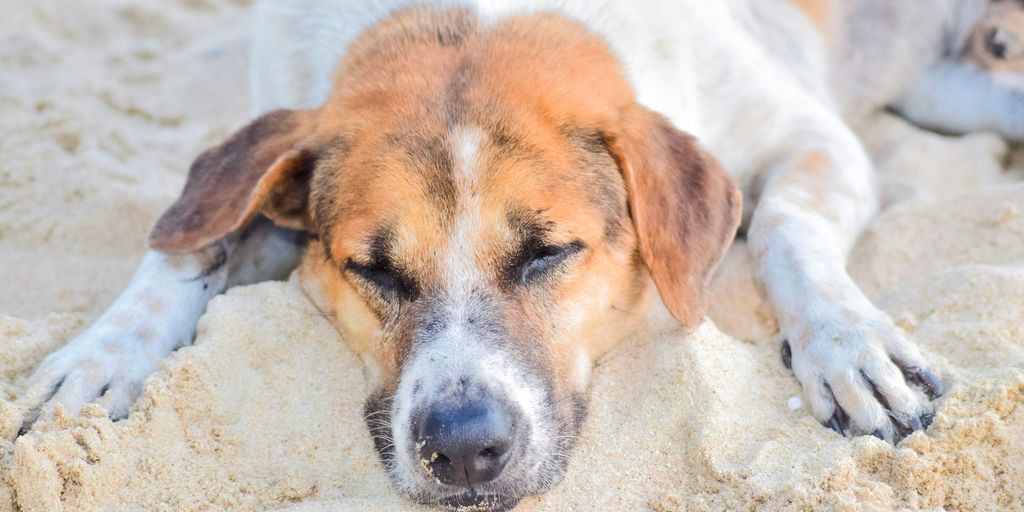
Huskies are smart cookies, and a bored Husky is a destructive Husky. It’s not enough to just walk them around the block; they need their brains challenged too. Think of it like this: a tired body is good, but a tired mind is great. Let’s look at some ways to keep those Husky brains busy.
Interactive Games For Huskies
Interactive games are a fantastic way to engage your Husky’s mind. These aren’t just about fun; they’re about problem-solving and using their natural instincts. Here are a few ideas:
- Hide-and-seek: Hide treats or toys around the house and let your Husky sniff them out. This taps into their natural hunting instincts.
- Puzzle toys: These toys require your Husky to figure out how to get to the treats inside. There are tons of different kinds available, so you can find one that suits your dog’s skill level. Training a stubborn dog breed can be easier with these.
- Flirt pole: This is basically a giant cat toy for dogs. It’s a great way to get them moving and thinking, as they have to chase and catch the lure.
Agility Training Benefits
Agility training is like an obstacle course for dogs, and Huskies often excel at it. It’s not just about running and jumping; it’s about following commands, navigating obstacles, and using their problem-solving skills. Agility training is a great way to burn energy and build a stronger bond with your Husky.
Here’s why it’s so good:
- Physical exercise: It’s a great workout for your dog.
- Mental stimulation: They have to think and follow commands.
- Bonding: You’re working together as a team.
- Confidence building: Successfully completing the course can boost their confidence.
Swimming As An Exercise Option
Not all Huskies love water, but many do! Swimming is a low-impact exercise that’s easy on the joints, making it a good option for older dogs or those with joint problems. Plus, it’s a great way to cool off on a hot day. If your Husky enjoys the water, consider swimming as a regular part of their exercise routine. Just make sure they have a safe place to swim and are always supervised. It’s also a good idea to start slow and let them get used to the water gradually. Safety first, always!
Building A Strong Bond
The Role Of Play In Training
Playtime isn’t just fun; it’s a vital part of training your Husky. It helps build trust and strengthens your connection. Think of it as a way to make learning enjoyable for both of you. A game of fetch can reinforce recall, while tug-of-war can teach impulse control (with the right rules, of course!).
- Use toys as rewards during training sessions.
- Incorporate play breaks to keep your Husky engaged.
- Vary the types of games to prevent boredom.
Creating A Routine
Huskies thrive on predictability. A consistent daily routine provides a sense of security and reduces anxiety, making them more receptive to training. This doesn’t mean every minute needs to be regimented, but having set times for meals, walks, and training sessions can make a world of difference. A solid routine helps with positive reinforcement techniques.
- Establish regular feeding times.
- Schedule daily walks and exercise.
- Set aside specific times for training.
A structured routine minimizes stress and confusion for your Husky, allowing them to focus better during training and strengthening your bond through consistent interaction.
Incorporating Family In Training
Training shouldn’t be a solo mission. Get the whole family involved! This ensures consistency in commands and expectations, preventing confusion for your Husky. Plus, it strengthens the bond between your dog and every member of the household. Everyone should use the same cues and reward system. It’s a team effort to raise a well-behaved Husky. Consider these points:
- Hold family training sessions.
- Assign specific training tasks to each family member.
- Ensure everyone uses the same commands and rewards.
Common Challenges In Training
Huskies, with their striking looks and spirited personalities, can be a joy to own. However, their intelligence and independence can present unique challenges during training. It’s important to understand these hurdles to effectively guide your Husky towards becoming a well-behaved companion. Let’s explore some common issues and how to address them.
Handling Independence And Stubbornness
Huskies weren’t bred to blindly follow commands. They’re independent thinkers, which can often be mistaken for stubbornness. The key is to make training rewarding and engaging. If your Husky doesn’t see the point in what you’re asking, they’re less likely to cooperate. Short, fun training sessions with plenty of positive reinforcement are more effective than long, repetitive drills. Understanding husky body language can also help you anticipate when your dog is losing interest or becoming frustrated.
Preventing Pulling On The Leash
Pulling on the leash is a common complaint among Husky owners. Their natural instinct to run and explore can make walks a battle of wills. Here are some tips to help:
- Use a front-clip harness: This gives you more control and discourages pulling.
- Change direction frequently: Keep your Husky guessing and focused on you.
- Reward loose-leash walking: When your Husky walks nicely beside you, offer praise and treats.
Consistency is key. Every walk is a training opportunity. If you allow pulling sometimes, your Husky will be confused about what’s expected.
Socializing With Other Pets
Huskies have a high prey drive, which can make socializing with smaller animals challenging. Early and consistent socialization is essential. Expose your Husky to a variety of animals in a controlled environment. Supervise interactions closely and reward calm, friendly behavior. If your Husky shows signs of aggression, seek guidance from a professional dog trainer. Remember, not all Huskies will be best friends with every animal, and that’s okay. Management and careful introductions can help create a peaceful multi-pet household.
Training your dog can be tough, and many people face common problems along the way. From distractions to stubborn behavior, these challenges can make the process frustrating. But don’t worry! You can overcome these hurdles with the right guidance and support. If you want to learn more about how to tackle these issues and find the best training resources, visit our website today!
Wrapping It Up
Training a Siberian Husky isn’t a walk in the park, but it’s definitely doable with some effort and understanding. Remember, these dogs are smart and full of energy, so keeping them engaged is key. Use positive reinforcement, be consistent, and don’t forget to socialize them early on. Each dog is different, so be ready to adapt your methods as you go. Celebrate the little victories along the way, and with time, patience, and love, your Husky will become a well-behaved and cherished part of your family. Just keep in mind, a happy Husky is a well-exercised Husky, so make sure to mix in plenty of playtime and mental challenges to keep them thriving.
Frequently Asked Questions
When is the best time to start training my Husky puppy?
You should begin training your Husky puppy as soon as possible, ideally when they are around 8 to 10 weeks old. Starting early helps them learn good behavior.
Are Siberian Huskies hard to train?
Huskies can be a bit stubborn and independent, which may make training tougher than with some other breeds. But with patience and positive reinforcement, they can become well-behaved companions.
How can I stop my Husky from pulling on the leash?
To reduce pulling, consider using a no-pull harness. Reward your Husky when they walk nicely beside you, and stop moving if they start to pull. Walk again when the leash is loose.
Can Huskies get along with other pets?
Yes, with the right socialization and training, Huskies can live peacefully with other pets. It’s important to introduce them properly and supervise their interactions.
What can I do if my Husky digs too much?
Huskies may dig out of boredom or to cool off. Make sure they get enough exercise and mental stimulation. You can also create a special digging area with toys to redirect this behavior.
How important is socialization for my Husky?
Socialization is very important for Huskies. Exposing them to different people, places, and other animals early on helps them become more confident and less fearful.