
Training a stubborn dog can sometimes feel like an uphill battle. Many dog owners find themselves frustrated, wondering if their pup will ever listen. But don’t lose hope! With the right strategies, you can teach even the most headstrong breeds to follow your commands. In this article, we’ll explore practical tips and techniques to help you understand and train a stubborn dog breed effectively.
Key Takeaways
- Understand what stubbornness means in dogs and identify common traits.
- Create a consistent routine to establish good habits for your dog.
- Use positive reinforcement to encourage desired behaviors.
- Be patient and celebrate small successes during training.
- Consider professional help if you’re struggling to make progress.
Understanding Stubborn Dog Behavior
Defining Stubbornness in Dogs
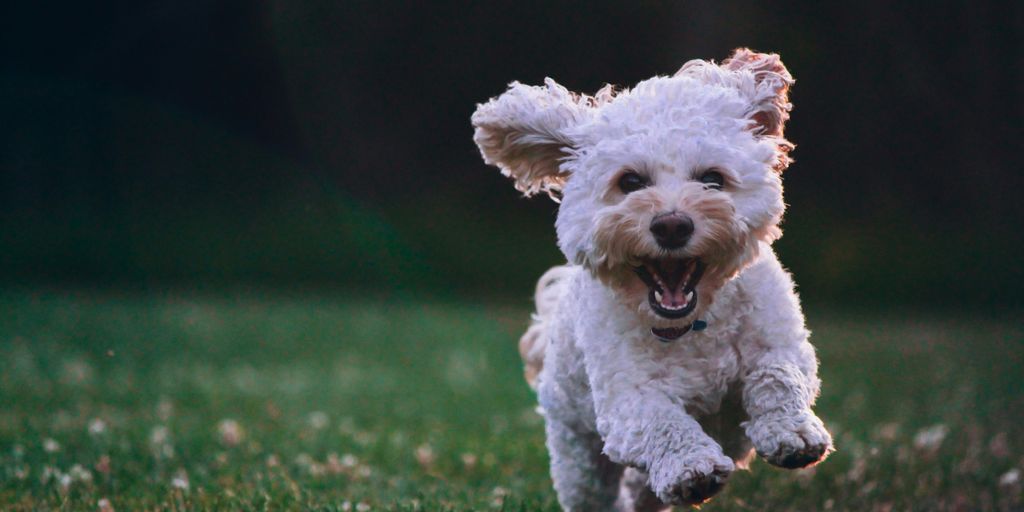
So, what does it really mean when we say a dog is "stubborn"? It’s not about being naughty, but more about a dog’s inherent drive and focus. A stubborn dog is often a very determined dog focused on what he/she wants and actively disobeys what he/she knows. They might understand the command perfectly well, but they’re choosing to do something else instead. It’s like they’re constantly asking, "What’s in it for me?" This isn’t necessarily a bad thing; it just means you need to adjust your training approach.
Common Traits of Stubborn Breeds
Certain breeds are known for their independent nature, which can often be mistaken for stubbornness. These dogs were often bred to work independently, making decisions on their own without constant human direction. Here are a few common traits you might see:
- High intelligence (they get bored easily!)
- Strong-willed nature
- Tendency to test boundaries
- Independent thinking
It’s important to remember that every dog is an individual, and even within these breeds, personalities can vary widely. Don’t assume your dog is untrainable just because they’re a breed known for stubbornness.
The Role of Genetics in Stubbornness
Genetics definitely play a role in a dog’s temperament and trainability. Some breeds were specifically bred to be more independent and less reliant on human direction. Think about breeds like Huskies, bred to pull sleds across vast distances with minimal guidance, or terriers, bred to hunt vermin independently. This inherent independence can translate to what we perceive as stubbornness. Genetics plays a significant role in dog behavior; stubbornness can also be genetic and specific to some breeds over others. However, genetics aren’t the whole story. Environment, training, and socialization all play a significant role in shaping a dog’s behavior. It’s a combination of nature and nurture that determines how "stubborn" a dog will be.
Identifying Training Challenges
Recognizing Reinforcement Issues
Sometimes, it’s not the dog being difficult, but the reinforcement that’s off. Are you rewarding the right behavior at the right time? Timing is everything when it comes to positive reinforcement. If there’s a delay, your dog might associate the treat with something else entirely. Also, consider the value of the reward. A simple pat on the head might not cut it for a stubborn breed; you might need high-value treats or a favorite toy to really grab their attention. It’s also important to make sure that you are not accidentally reinforcing unwanted behaviors. For example, if your dog barks for attention and you give them attention, you are reinforcing the barking.
Understanding Learned Irrelevance
Learned irrelevance is a fancy term for when your dog tunes you out. It happens when a cue is used too often without a consistent or meaningful consequence. Think of it like this: if you say "sit" a hundred times and your dog only sits five of those times, the word "sit" starts to lose its meaning. It becomes background noise. To combat this, make sure your commands are clear, concise, and always followed through with either a reward or a gentle correction. Avoid repeating commands endlessly; if your dog doesn’t respond the first time, reassess your approach and try again later. You might need to go back to basics and positive reinforcement to rebuild the association.
Addressing Environmental Distractions
Even the most well-trained dog can struggle with distractions. A squirrel darting across the yard, the sound of the mail truck, or even just a new smell can derail a training session. It’s important to gradually introduce distractions into your training environment. Start in a quiet, controlled space and slowly add in more stimuli as your dog progresses. Remember to keep training sessions short and engaging to maintain your dog’s focus. If your dog becomes overwhelmed, take a break and try again later. Here’s a simple progression:
- Quiet room at home
- Backyard with minimal distractions
- Local park on a quiet day
- Busy street corner
It’s easy to get frustrated when your dog isn’t performing as expected, but remember that training is a process. Be patient, be consistent, and celebrate small victories along the way. A little understanding can go a long way in helping your stubborn dog succeed.
Effective Training Techniques
Creating a Consistent Routine
Consistency is super important. Dogs, especially stubborn ones, thrive when they know what to expect. Set up a daily schedule for training sessions, walks, and feeding times. This predictability reduces anxiety and makes them more receptive to learning. It’s like telling them, "Hey, this is how things work around here," and sticking to it.
- Morning: Short training session (10-15 minutes) focusing on basic commands.
- Afternoon: Walk and playtime.
- Evening: Another short training session, followed by relaxation time.
A consistent routine isn’t just about the schedule; it’s about your behavior too. Use the same commands, hand signals, and tone of voice every time. This minimizes confusion and helps your dog understand what you want.
Using Positive Reinforcement
Forget punishment; it rarely works with stubborn breeds. Positive reinforcement is the way to go. Reward good behavior with treats, praise, or toys. Find out what motivates your dog and use it to your advantage. If they love a specific toy, use it as a reward during training. This method builds a positive association with training and makes your dog more willing to participate. For example, if your dog loves to chase squirrels, getting him to do even the easiest task possible – like eye contact, or a hand touch – and then letting him chase the squirrels, will help you leverage his special gift and all that sweet, sweet dopamine it gives him. Suddenly, the game becomes “do what my human says and then I get to hunt squirrels”.
Incorporating Interactive Play
Training shouldn’t feel like a chore. Make it fun by incorporating interactive play. Games like fetch, tug-of-war, and hide-and-seek can be used to reinforce commands and build a stronger bond with your dog. Plus, it’s a great way to burn off excess energy, which can reduce stubborn behavior. Consider advanced dog tricks to keep your dog engaged.
Here’s a simple game to try:
- Start with a basic command like "sit."
- Once your dog sits, reward them with a quick game of tug-of-war.
- End the game and repeat the command.
Building a Strong Bond
Establishing Trust and Respect
Building a strong bond with a stubborn dog is all about trust and respect. It’s not something that happens overnight; it takes time, patience, and consistent effort. Think of it like building any other relationship – you need to show your dog that you’re reliable, fair, and that you have their best interests at heart. This means being consistent with your commands, using positive reinforcement, and avoiding punishment-based training methods.
- Be predictable in your actions.
- Always follow through on promises (like treats or walks).
- Respect their boundaries and signals.
Engaging in Regular Exercise
Exercise isn’t just about physical health; it’s also a fantastic way to bond with your dog. A tired dog is often a more receptive dog, and the shared activity can strengthen your connection. Find activities that your dog enjoys, whether it’s a brisk walk, a game of fetch, or a swim. Regular exercise helps to release pent-up energy and reduces stress, making them more focused and easier to train. It’s a win-win!
Regular physical activity is a cornerstone of a healthy and happy dog. It provides mental stimulation, reduces boredom, and helps to prevent behavioral problems. Plus, it’s a great way for you to stay active too!
Utilizing Socialization Opportunities
Socialization is more than just letting your dog meet other dogs; it’s about exposing them to a variety of sights, sounds, and experiences in a positive way. This helps them become well-adjusted and confident, which can make training easier. Start with short, controlled exposures and gradually increase the intensity as your dog becomes more comfortable. Early training a new dog is essential for a happy relationship.
- Visit different parks and neighborhoods.
- Introduce them to new people and animals (safely).
- Attend dog-friendly events and activities.
Adapting Your Training Approach
Tailoring Techniques to Your Dog’s Needs
Every dog is an individual, and what works for one might not work for another. It’s important to recognize this and be willing to adjust your training methods accordingly. Consider your dog’s personality, energy levels, and what motivates them. For example, a high-energy dog might respond well to training sessions that incorporate physical activity, while a more laid-back dog might prefer shorter, more frequent sessions with high-value treats. Understanding your dog’s unique characteristics is key to effective training. Don’t be afraid to experiment with different approaches until you find what clicks. Remember to create a controlled environment to minimize distractions and maximize focus during training.
Adjusting Expectations and Goals
It’s easy to get caught up in wanting your dog to learn everything quickly, but it’s important to have realistic expectations. Some dogs learn faster than others, and some behaviors are more challenging to train than others. If you’re not seeing the progress you hoped for, take a step back and re-evaluate your goals. Are you asking too much too soon? Are you being consistent enough with your training? It’s okay to adjust your expectations and break down larger goals into smaller, more manageable steps. This will help prevent frustration for both you and your dog. Patience is key here.
Recognizing Signs of Progress
It’s important to celebrate even the smallest victories. Recognizing and acknowledging progress, no matter how small, can help keep you and your dog motivated. Look for signs that your dog is understanding what you’re asking, such as increased focus, faster response times, or fewer mistakes. Positive reinforcement when you see these signs will encourage your dog to continue learning. Don’t just focus on the end result; appreciate the journey and the effort your dog is putting in.
Training a stubborn dog isn’t a sprint; it’s a marathon. There will be good days and bad days, but as long as you’re consistent, patient, and willing to adapt your approach, you’ll eventually see the results you’re looking for. Remember to enjoy the process and celebrate the bond you’re building with your furry friend.
Maintaining Patience and Persistence
Training a stubborn dog can feel like running a marathon with no finish line in sight. It’s easy to get discouraged, but remember that consistency and a positive attitude are your best allies. It’s not a sprint; it’s a long game. Let’s explore how to keep your spirits up and your training on track.
The Importance of Patience
Patience isn’t just a virtue; it’s a necessity when training a stubborn dog. You’re essentially trying to change ingrained behaviors, and that takes time. Getting frustrated will only make things worse, creating a negative association with training. Remember, your dog isn’t being deliberately difficult; they just learn differently. Celebrate the small wins, and don’t dwell on the setbacks. If you find yourself getting angry, take a break. Your dog will pick up on your emotions, and it will affect their willingness to learn. It’s better to have shorter, positive sessions than long, frustrating ones. Think of it as building a house, one brick at a time. Each successful command, each moment of cooperation, is another brick in the foundation of a well-trained dog. And if you need help, consider dog stay training.
Strategies for Staying Motivated
Staying motivated when training a stubborn dog requires a bit of creativity and self-awareness. Here are a few strategies that might help:
- Set Realistic Goals: Don’t expect your dog to become perfectly obedient overnight. Break down your training goals into smaller, more achievable steps.
- Track Progress: Keep a training journal or use a tracking app to monitor your dog’s progress. Seeing how far you’ve come can be a great motivator.
- Join a Community: Connect with other dog owners who are training stubborn breeds. Sharing experiences and tips can provide support and encouragement.
- Vary the Routine: Keep things interesting by changing up your training exercises and locations. This will prevent boredom for both you and your dog.
Remember why you started training your dog in the first place. Focus on the positive aspects of your relationship and the benefits that training will bring. Visualizing the end result – a well-behaved, happy companion – can help you stay motivated during challenging times.
Celebrating Small Victories
In the world of stubborn dog training, small victories are HUGE. Did your dog sit for 2 seconds longer than yesterday? Did they finally resist the urge to chase that squirrel? These are moments to celebrate! Don’t underestimate the power of positive reinforcement. A simple "good dog," a scratch behind the ears, or a small treat can go a long way. Positive reinforcement is key. Celebrating these small wins not only reinforces the desired behavior but also keeps you motivated and reminds you that progress is being made, even if it’s gradual. It’s about acknowledging the effort and building a positive association with training. So, go ahead, throw a mini-party every time your dog nails a command – you both deserve it!
Seeking Professional Help
Sometimes, despite our best efforts, training a stubborn dog can feel like an uphill battle. It’s okay to admit when you need extra support. Don’t view it as a failure; instead, see it as a proactive step to ensure your dog’s well-being and your own peace of mind. I know I felt that way when I was trying to teach Buster to sit still. It was like talking to a brick wall!
When to Consult a Trainer
There are several situations where seeking professional help from a dog trainer is highly recommended. If you’re dealing with aggressive behaviors, such as biting or excessive barking, a trainer can provide guidance on how to manage and modify these behaviors safely. If your dog exhibits extreme anxiety or fear, a trainer experienced in dealing with such issues can help develop a plan to address the underlying causes. Also, if you’ve tried various training methods without success, or if you simply feel overwhelmed and unsure of where to turn, a trainer can offer a fresh perspective and tailored solutions. It’s also a good idea to seek help early if you’re a first-time dog owner or if you’re dealing with a particularly challenging breed. Remember, early intervention can prevent problems from escalating.
Choosing the Right Training Program
Finding the right training program is essential for success. Start by researching trainers in your area and reading online reviews. Look for trainers who have experience working with stubborn breeds and who use positive reinforcement methods. Avoid trainers who advocate for harsh or punitive techniques, as these can damage your relationship with your dog and lead to further behavioral issues. Consider attending a consultation or introductory session to meet the trainer and observe their methods firsthand. Ask about their qualifications, experience, and approach to training. Make sure you feel comfortable with their style and that they’re a good fit for you and your dog. A good trainer will also be willing to answer your questions and address your concerns.
Understanding Different Training Methods
Dog training isn’t one-size-fits-all. There are various methods, and understanding them can help you choose the best approach for your dog. Positive reinforcement, which involves rewarding desired behaviors with treats, praise, or toys, is generally considered the most effective and humane method. Clicker training, a type of positive reinforcement, uses a clicker to mark the exact moment your dog performs the desired behavior. Other methods include obedience training, which focuses on teaching basic commands, and behavior modification, which addresses specific behavioral issues. Some trainers also incorporate elements of play-based training, which uses games and activities to make learning fun and engaging. It’s important to find a method that aligns with your dog’s personality and learning style.
Remember, seeking professional help is a sign of responsible dog ownership. A qualified trainer can provide the guidance and support you need to overcome training challenges and build a strong, positive relationship with your stubborn but lovable companion. Don’t hesitate to reach out for assistance – it could make all the difference in your dog’s life and your own. Plus, you can learn some new training techniques along the way!
If you’re feeling stuck with your dog’s behavior, it might be time to get some help from a professional. Finding the right trainer can make a big difference in how well your dog learns and how happy you both are. Don’t hesitate to reach out for support! Visit our website to explore the best dog training options available and take the first step towards a better relationship with your furry friend.
Wrapping It Up
Training a stubborn dog can feel like a real uphill battle, but it’s not impossible. With a little patience and a lot of consistency, you can make real progress. Stick to the tips we talked about, and you’ll see your dog start to respond better. Remember, every dog is different, so don’t get discouraged if things take time. Just keep at it, and soon enough, you’ll have a well-behaved pup by your side. If you need more help, don’t hesitate to reach out for professional guidance. Your dog’s potential is waiting to be unlocked!
Frequently Asked Questions
What makes a dog stubborn?
A stubborn dog is one that often ignores commands and does what it wants instead. This behavior can be due to their personality, past experiences, or even their breed.
How can I train my stubborn dog?
Training a stubborn dog requires patience and consistency. Using positive reinforcement, like treats or praise, can help motivate them to listen.
Why does my dog not respond to commands?
Your dog may not respond to commands because they have learned that ignoring you has no consequences, or they might find the commands unimportant.
What should I do if my dog gets distracted during training?
If your dog gets distracted, try to train in a quiet place first. Gradually add distractions as they learn to focus better.
How long will it take to train my stubborn dog?
Training can take time, especially with stubborn dogs. Be patient and consistent, and you’ll likely start seeing improvements over weeks or months.
When should I seek professional help for my dog’s training?
If you’re struggling to train your dog despite trying different methods, it might be time to consult a professional trainer for guidance.