
Training your dog to walk nicely on a leash is an essential skill for any dog owner. It not only makes walks more enjoyable but also helps you keep your furry friend safe. If you’re wondering how to use a training leash effectively, this guide will cover everything from the benefits of leash training to the tools you’ll need and techniques to try. Let’s dive in!
Key Takeaways
- Leash training enhances the overall walking experience for both dogs and owners.
- Using the right equipment is crucial for effective leash training.
- Creating a positive environment and mindset sets the stage for successful training.
- Positive reinforcement is key to teaching your dog proper leash behavior.
- Regular practice and adjustments are necessary to maintain progress in leash training.
Benefits of Leash Training
Enhancing the Walking Experience
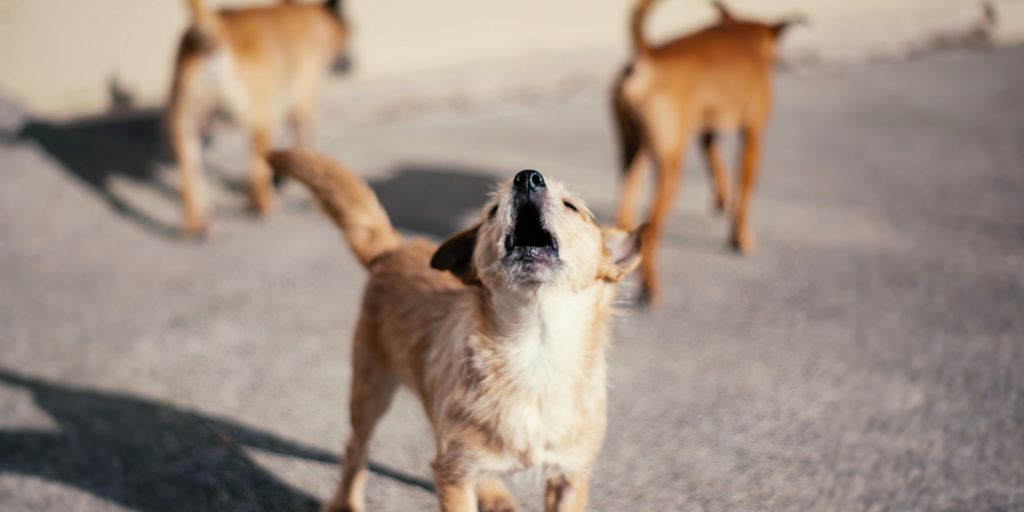
Let’s be real, walks can be a drag if your dog is all over the place. Leash training transforms chaotic outings into enjoyable strolls. A dog that walks nicely on a leash is way more welcome in public, opening up a world of adventures you can share. Plus, it’s not just about convenience; regular walks are super important for your dog’s physical and mental health. Think of it as their daily dose of exercise and brain stimulation, all rolled into one.
Strengthening the Owner-Dog Relationship
Leash training isn’t just about teaching your dog to walk nicely; it’s about building a stronger bond. It’s a two-way street of communication and trust. When you and your dog work together on leash manners, you’re learning to understand each other better. This shared experience creates a deeper connection, making walks a more enjoyable and controlled experience for both of you. It’s about dog obedience and mutual respect, not just commands.
Promoting Safety and Control
Safety is a huge deal when it comes to dogs, especially in busy areas. Leash training gives you the control you need to keep your dog safe from traffic, other animals, and potential hazards. A well-trained dog on a leash is less likely to dart into the street or chase after something, preventing accidents and keeping them out of harm’s way. Plus, it’s about being a responsible owner and ensuring your dog doesn’t cause problems for others.
Leash training is more than just teaching your dog to walk nicely. It’s about ensuring their safety, building a stronger relationship, and opening up a world of shared experiences. It’s an investment in your dog’s well-being and your peace of mind.
The Importance of Equipment
It’s easy to overlook, but having the right gear can seriously impact your leash training success. Think of it like this: you wouldn’t run a marathon in flip-flops, right? Same goes for your dog. The right leash, collar, or harness can make all the difference. Let’s break down what you need to consider.
Essential Tools for Training
Choosing the right equipment is the first step. It’s not just about picking something that looks good; it’s about finding tools that support your training goals and keep your dog comfortable and safe. A good starting point is to consider a well-trained on a leash for your dog.
- Leashes: You’ll want a standard leash, usually 4-6 feet long, for most training. Retractable leashes have their place, but they aren’t ideal for initial training because they don’t give you enough control.
- Collars: Flat collars are a good choice for everyday wear and attaching ID tags. For training, you might consider a martingale collar, which provides gentle correction without choking.
- Harnesses: Harnesses are great for dogs who pull or have neck issues. They distribute pressure more evenly across the body. There are front-clip harnesses, back-clip harnesses, and dual-clip harnesses, each with its own advantages.
- Treats: Small, high-value treats are a must for positive reinforcement. Think tiny pieces of cooked chicken, cheese, or commercial dog treats.
- Treat Pouch: A treat pouch keeps your treats handy and easily accessible during training sessions.
Choosing Between Collars and Harnesses
This is a big one, and there’s no single right answer. It really depends on your dog’s breed, size, temperament, and any existing health conditions. Collars are generally fine for dogs who walk nicely on a leash and don’t have a tendency to pull. However, if your dog is a puller, a harness is usually a better choice. Harnesses prevent pressure on the neck, which is especially important for breeds prone to tracheal collapse. Consider a yummy treat to reward your dog during training.
Here’s a quick comparison:
| Feature | Collar | Harness |
|---|---|---|
| Pulling | Not ideal for strong pullers | Better for pullers, distributes pressure |
| Neck Pressure | Can put pressure on the neck | Less pressure on the neck |
| Control | Less control than a harness | More control, especially with front-clip |
| Escape Risk | Higher escape risk for some dogs | Lower escape risk for most dogs |
| Best For | Dogs who walk nicely on a leash | Dogs who pull, have neck issues |
Understanding Leash Types and Lengths
The leash is your primary tool for communication and control during walks. The type and length of leash you choose can significantly impact your training. A standard harness is a great option for training.
- Standard Leash (4-6 feet): This is your go-to leash for most training situations. It provides a good balance of control and freedom.
- Long Leash (15-30 feet): Long leashes are useful for recall training and off-leash work in safe, open areas. They allow your dog more freedom to explore while still maintaining a connection.
- Retractable Leash: As mentioned earlier, retractable leashes aren’t ideal for initial training. They don’t provide consistent tension or control, and they can actually encourage pulling. However, they can be useful for allowing your dog more freedom in low-traffic areas once they have mastered basic leash manners.
- Traffic Leash (1-2 feet): These short leashes are designed for maximum control in crowded or dangerous situations. They keep your dog close and prevent them from darting into traffic or other hazards.
Choosing the right equipment isn’t just about convenience; it’s about setting your dog up for success. By carefully considering your dog’s individual needs and the goals of your training program, you can select the tools that will help you achieve a well-behaved and happy canine companion. Remember to always prioritize safety and comfort when making your selections.
Preparing for Leash Training
Before you even think about stepping outside with your dog and a leash, some prep work is needed. It’s not just about clipping on a leash and hoping for the best. A little planning can make a big difference in how smoothly the training goes. Trust me, I’ve learned this the hard way with my own energetic pup, Max.
Creating a Positive Training Environment
Think about where you’ll be doing most of your initial training. Is it a quiet corner of your backyard? Maybe your living room? The key is to minimize distractions. Turn off the TV, put away toys, and let the family know you need some focused time with the dog. A calm environment helps your dog concentrate on you and the task at hand. Also, make sure you have plenty of training treats ready to go.
Mental Preparation for the Dog and Trainer
Okay, this might sound a little out there, but it’s important. Your dog can sense your energy. If you’re stressed or impatient, they’ll pick up on it, and it will affect their training. Take a few deep breaths before you start. Remind yourself to be patient and positive. For your dog, make sure they’ve had a chance to burn off some energy before you start. A quick play session can help them focus better during training. It’s also a good idea to keep training sessions short and sweet – about 10-15 minutes at a time. This helps prevent your dog from getting bored or overwhelmed.
Setting Realistic Goals
Don’t expect your dog to be a perfect leash-trained dog overnight. Leash training takes time and consistency. Start with small, achievable goals. For example, the first goal might be simply getting your dog comfortable wearing the collar or harness and leash inside the house. Then, you can move on to walking a few steps without pulling. Celebrate small victories along the way. Remember, every dog learns at their own pace.
It’s easy to get frustrated when your dog isn’t picking things up as quickly as you’d like. But try to remember that they’re doing their best. Stay positive, be patient, and celebrate every little bit of progress. A little encouragement can go a long way.
Introducing Your Dog to the Collar/Lead
When you’re starting leash training, it’s important to get your dog used to the collar or lead slowly. This makes sure they’re comfortable and safe. Here’s how to do it.
Step-by-Step Guide to Collar/Lead Introduction
- First, let your dog sniff and check out the collar or lead. Put it on the floor and let them come to it. This shows them it’s not scary.
- When they seem curious, give them treats and praise. This makes them think good things about the collar or lead.
- Next, hold the collar or lead near your dog’s neck without putting it on. Give them treats and praise while you do this. If it’s a slip lead, loop it around their neck loosely so they can feel it without any pressure.
- As your dog gets comfortable, put the collar or lead on. Make sure it fits right – not too tight or too loose.
- At first, have them wear it for just a few minutes. Slowly make the time longer in later training.
Building Positive Associations with the Leash
It’s all about making the leash a fun thing!
- Pair the leash with playtime. Clip the leash on right before a fun game of fetch in the yard. This helps them associate the leash with excitement and positive experiences.
- Use treats! Every time you clip on the leash, give your dog a small, tasty treat. This creates a direct link between the leash and something good.
- Keep the first few leash-wearing sessions short and sweet. End on a positive note, even if it’s just a few minutes of calm walking around the house.
Remember, patience is key. If your dog seems anxious or uncomfortable, take a step back and go slower. The goal is to create a positive association with the leash, not to force them into something they’re not ready for.
Gradual Acclimatization Techniques
- Start indoors. Let your dog wear the collar/lead inside the house for short periods. This helps them get used to the feeling without the distractions of the outside world.
- Move to the yard. Once they’re comfortable indoors, try short walks in your yard. This is a less stimulating environment than a public park.
- Gradually increase the duration and distance of your walks. As your dog gets more comfortable, you can start taking them on longer walks in more stimulating environments.
Effective Training Techniques
Leash training is more than just keeping your dog from running off; it’s about building a relationship built on trust. It’s about teaching your dog to understand what you expect and responding appropriately. Let’s explore some techniques that can help you achieve this.
Positive Reinforcement Strategies
Positive reinforcement is all about rewarding good behavior. When your dog does something right, like walking nicely on a leash, you give them a treat, praise, or a click from a clicker. This makes them more likely to repeat that behavior in the future. It’s important to be consistent and immediate with your rewards so your dog makes the connection between the action and the reward. Think of it as saying, "Yes, that’s exactly what I wanted!" You can use verbal cues to mark the behavior.
Using Clickers and Treats
Clickers can be a super effective tool. The click sound becomes associated with a reward, so it can be used to mark the exact moment your dog does something right, even if you can’t give them a treat immediately. Treats are great for initially capturing your dog’s attention and motivating them. But, you don’t want to rely on treats forever. Gradually transition to using verbal praise and affection as rewards. This helps your dog learn to respond to your commands even when there are no treats involved. Timing is everything with clicker training.
Incorporating Commands and Cues
Once your dog understands the basics of leash walking, you can start incorporating commands like "sit," "stay," and "heel." Use clear and consistent verbal cues, and pair them with hand signals if you like. Start in a quiet environment with minimal distractions, and gradually increase the difficulty as your dog progresses. Remember to keep training sessions short and fun to avoid overwhelming your dog. Here’s a simple progression:
- Start with basic commands at home.
- Practice in the backyard.
- Move to a quiet street.
- Finally, try a park with distractions.
It’s important to remember that every dog learns at their own pace. Be patient, stay positive, and celebrate small victories along the way. With consistent effort and the right techniques, you can transform your dog into a well-behaved walking companion.
Common Problems and Solutions
Leash training isn’t always smooth sailing. You’re bound to hit a few snags along the way. It’s all part of the process, so don’t get discouraged! Let’s look at some common issues and how to tackle them.
Overcoming Training Challenges
One of the biggest hurdles is inconsistency. You might be great at training during your dedicated sessions, but what about when you’re just walking to the park? Make sure you’re reinforcing the same behaviors all the time. Another challenge is unrealistic expectations. Your dog isn’t going to be perfect overnight. Be patient, and celebrate small wins. If you’re struggling with stubborn dogs, try shorter, more frequent sessions to keep their attention.
Addressing Leash Reactivity
Leash reactivity – when your dog barks, lunges, or gets overly excited at other dogs, people, or cars – can be super frustrating and even a little embarrassing. The key is to manage their environment and change their association with the trigger. Start by keeping a good distance from whatever sets them off. When they see the trigger but don’t react, reward them with a treat and praise. Gradually decrease the distance as they improve. It takes time and consistency, but it can make a huge difference.
Remember, it’s not about punishing the reaction, but rewarding the calm behavior. If the reactivity is severe, consider consulting a professional dog trainer or behaviorist. They can provide personalized guidance and help you develop a tailored plan.
Managing Distractions During Walks
Walks are full of distractions: squirrels, other dogs, interesting smells… it’s a sensory overload for your pup! To manage this, start training in a low-distraction environment, like your backyard. Once your dog is reliably responding to commands there, gradually introduce more distractions. Bring high-value treats on walks to keep their attention. If they get distracted, use a firm but gentle voice to redirect them back to you. Practice basic commands like "leave it" and "focus" to help them ignore temptations. And remember, a tired dog is a good dog! Make sure they’re getting enough exercise to burn off excess energy.
Maintaining Progress in Leash Training
Consistency in Training Sessions
Consistency is super important. Try to keep your training sessions regular, even if they’re short. Think of it like practicing an instrument – a little bit every day is way better than a long session once a week. This helps your dog remember what they’ve learned and keeps them from falling back into old habits. It’s also a good idea to practice in different environments to help them generalize their skills. You can start in your backyard, then move to a quiet street, and eventually to a park with more distractions. This gradual approach helps them stay focused and confident.
Tracking Your Dog’s Improvement
Keep an eye on how your dog is doing. It can be helpful to keep a simple journal or use a notes app on your phone to track their progress. Note down things like:
- How well they respond to commands.
- How often they pull on the leash.
- How they react to distractions.
This will give you a clear picture of what’s working and what needs more attention. Plus, it’s really rewarding to see how far they’ve come! If you notice any backsliding, don’t get discouraged. Just go back to basics and reinforce the fundamentals. Remember, every dog learns at their own pace, and it’s all about patience and positive reinforcement. If you are having trouble, consider professional dog training.
Adjusting Techniques as Needed
Training isn’t one-size-fits-all. What works for one dog might not work for another. Be prepared to tweak your approach based on your dog’s individual needs and personality. If a certain command isn’t clicking, try a different word or hand signal. If they’re getting bored with treats, try using a favorite toy as a reward. The key is to stay flexible and creative. Also, remember that your dog’s needs might change over time. As they get older or experience new things, you might need to adjust your training techniques to accommodate those changes.
It’s important to remember that leash training is an ongoing process, not a one-time event. Even after your dog has mastered the basics, it’s important to continue practicing and reinforcing good habits. This will help them stay well-behaved and make walks enjoyable for both of you.
Keeping up with your dog’s leash training is really important. Make sure to practice regularly and stay patient. If you notice your dog is struggling, don’t hesitate to reach out for help. For more tips and resources on effective leash training, visit our website today!
Wrapping It Up: Your Journey with Leash Training
So, there you have it! Leash training isn’t just about keeping your dog from pulling you down the street. It’s about building a solid bond with your furry friend and making walks enjoyable for both of you. Remember, it takes time and patience, so don’t get discouraged if things don’t go perfectly right away. Celebrate the small wins, and keep your sessions fun and positive. With the right tools and techniques, you’ll be well on your way to mastering leash training. Before you know it, you and your pup will be strolling side by side like pros!
Frequently Asked Questions
What are the main advantages of leash training my dog?
Leash training helps make walks more enjoyable, builds a stronger bond between you and your dog, and keeps both of you safe during outings.
What equipment do I need for leash training?
You will need a good leash, a collar or harness, and some treats for rewards. Choosing the right tools is important for effective training.
How can I prepare my dog for leash training?
Create a positive space for training, be patient, and set achievable goals. This will help both you and your dog feel ready to learn.
What should I do when introducing my dog to the leash?
Start by letting your dog explore the leash and collar. Use treats to create positive experiences, and gradually get them used to wearing it.
What are some common challenges in leash training?
Some dogs may pull on the leash or react to distractions. Address these issues with patience and consistent training techniques.
How can I keep track of my dog’s progress in leash training?
Be consistent with your training sessions and note any improvements or setbacks. Adjust your techniques as needed to continue making progress.