
Getting a new puppy is exciting, but it also means a lot of training. Sometimes, it feels like you’re just trying to keep up, right? Well, I found out that making training fun with games is a total game-changer. Instead of just drills, these puppy training games help your furry friend learn good habits while you both have a blast. It’s all about building that connection and making learning enjoyable for your pup. Let’s check out some super fun ways to train your puppy!
Key Takeaways
- Using puppy training games is a great way to teach your dog new things and build a strong bond.
- Recall games, like “Hot and Cold Treat Hunt,” help your puppy learn to come when called and understand your voice.
- Name recognition games, such as “I Love My Name,” make your puppy feel good about hearing their name and being touched.
- Problem-solving games using puzzles or DIY treat dispensers encourage your puppy to think and figure things out.
- Impulse control can be developed through games like “Controlled Tug of War” and “Fetch and Release,” teaching your puppy patience and self-control.
Build Essential Communication With Recall Games
Getting your puppy to come when called is more than just a handy trick; it’s about building a solid line of communication between you two. When your puppy knows that coming to you is always a good thing, it builds trust and makes them want to check in with you, no matter what’s going on around them. It’s like having a secret language where ‘come’ means good stuff is happening.
The "Hot and Cold" Treat Hunt
This game is a fantastic way to get your puppy excited about coming to you, even when there are other interesting things happening. It’s pretty simple to set up. You’ll need some really tasty treats – the kind your puppy goes crazy for. Start by scattering a few treats on the floor in front of you. As your puppy starts to eat them, begin to move away slightly. You can even start counting the treats out loud, one by one. Your puppy will notice you moving and might come to see what you’re up to. When they get close, praise them enthusiastically and give them another treat. The idea is to make coming to you the most rewarding part of the game. As you practice, your puppy will start to associate the sound of your voice or the sight of you moving with good things. You can gradually increase the distance you move away and make the ‘hunt’ a little more challenging by hiding the treats in slightly more obscure spots, but always make sure your puppy can find them. This game is great because it’s low pressure; your puppy always gets a reward, which builds confidence.
Hide and Seek Recall Challenge
This is a classic for a reason! It turns recall training into an exciting adventure. First, find a safe area, maybe your backyard or a quiet park, and make sure your puppy is on a long leash so they can’t run off too far. You want to start easy. Let your puppy sniff around, then move a short distance away and hide behind a tree or a bush. Call your puppy’s name with a happy, inviting tone. When they find you, give them tons of praise and a super special treat or a quick game of tug with their favorite toy. The key is to make finding you the best part of their adventure. As your puppy gets better, you can make your hiding spots a little trickier, but always be sure they can hear you or catch a glimpse of you. You can even have another person help by distracting your puppy for a moment before you call them. This game really taps into your puppy’s natural curiosity and their desire to be with you, making recall feel like a fun game of discovery rather than a chore.
Strengthen Bonds With Name Recognition Games
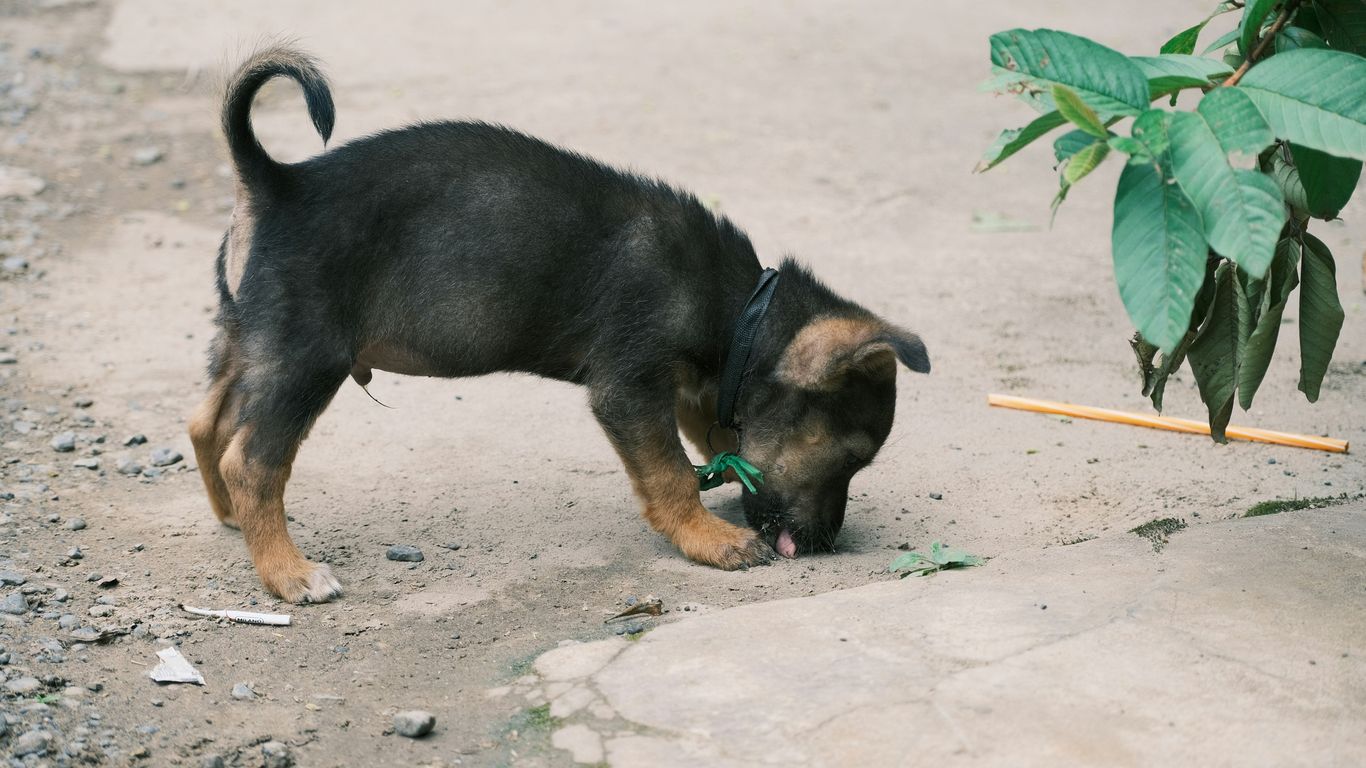
Getting your puppy to know and respond to their name is more than just a party trick; it’s the foundation for all future training and a big part of building a solid connection between you two. When your dog reliably turns to you when you call their name, it shows they’re paying attention and that you’re the most interesting thing in their world. This isn’t just about obedience; it’s about communication and trust. A dog that knows its name is a dog that’s ready to learn.
The "I Love My Name" Game
This game is super simple and focuses on making your puppy feel great about hearing their name. You’ll need some tasty treats – the kind that make your puppy’s eyes light up.
Here’s how to play:
- Start with your puppy in a relaxed state, maybe just chilling nearby.
- Say your puppy’s name in a happy, upbeat tone.
- The moment they look at you, even for a split second, toss them a treat.
- If they don’t look, don’t worry! Just wait a few seconds and try again. The key is to make it a positive experience.
- Keep sessions short, maybe just a minute or two, a few times a day. You want them to associate their name with good things happening.
As your puppy gets better, you can start adding a little distance or a slight distraction, but always keep it fun and rewarding. This game helps build a positive association with their name, making them eager to hear it. You can find more tips on teaching your dog their name here.
Collar Grab Comfort Training
This exercise is brilliant for puppies who might be a bit shy or who tend to mouth hands when you reach for them. It helps them get used to being touched and handled, which is super important for vet visits and grooming down the line. It also reinforces that your touch, even when grabbing their collar, is a good thing.
To play:
- Have a few small, yummy treats ready in one hand.
- With your other hand, gently say your puppy’s name and then lightly grab their collar.
- While still holding the collar, immediately give them a treat from your other hand.
- Release the collar and wait a moment before repeating.
Aim for about 5-10 repetitions per session. The goal is for your puppy to associate the feeling of your hand on their collar with a tasty reward. This helps them feel secure and comfortable with physical contact, which is a huge win for building a strong bond and for practical handling later on. It’s all about making sure they feel safe and loved, even when you need to grab their collar for their own safety or for a quick check.
Building a dog’s name recognition is a building block for everything else. It’s not just about getting their attention; it’s about creating a connection where they actively want to engage with you. Think of it as the first step in a long conversation you’ll have with your furry friend.
Encourage Problem-Solving With Puzzle Puppy Training Games
Puppies are naturally curious, and channeling that curiosity into problem-solving games is a fantastic way to build their confidence and teach them to think for themselves. These aren’t just about keeping them busy; they’re about engaging their brains in a way that’s both fun and rewarding. When your puppy figures something out, it’s a huge win for both of you!
DIY Treat Bottle Dispenser
This is a super simple game you can set up with items you likely already have at home. Grab an empty plastic bottle (like a soda or water bottle), make sure it’s clean and dry, and then fill it with a few of your puppy’s favorite small treats or kibble. Your pup will have to nudge, roll, and paw at the bottle to get the goodies out. It’s a great way to slow down their eating and make mealtime more interactive. Just keep an eye on them while they play to make sure they don’t chew the bottle into pieces.
Muffin Tin Treat Puzzle
This game takes a little more setup but offers a good challenge. You’ll need a standard muffin tin and a few tennis balls or similarly sized toys. Place a treat in each cup of the muffin tin, then cover each treat with a ball. Your puppy’s job is to figure out how to move the balls to get to the treats. It encourages them to use their nose and paws to solve the puzzle. You can adjust the difficulty by how tightly you pack the balls or by using different types of treats.
These types of games help puppies learn that they can figure things out. It builds their confidence and teaches them to approach challenges with a positive attitude, rather than getting frustrated. It’s all about letting them explore and discover the solutions on their own terms.
Develop Impulse Control Through Play
Playtime isn’t just about burning off puppy energy; it’s a fantastic way to teach your dog some really important life skills, like how to manage their excitement and wait for things. These games help puppies learn to think before they act, which is a big deal for a well-behaved dog. It’s all about teaching them to pause and consider, rather than just reacting instantly.
Controlled Tug of War
Tug of war can get a bad rap, but when played correctly, it’s a great game for teaching impulse control. It’s not about letting your puppy get wild; it’s about teaching them to play by the rules you set. This game helps them learn to moderate their bite and to release the toy when asked.
Here’s how to play it right:
- Start with a soft toy that’s easy for your puppy to grip. As they get older, you can move to tougher toys.
- Keep the toy moving side-to-side, not up and down, to protect their neck.
- Let your puppy win sometimes! This is a reward in itself and builds their confidence.
- Teach a release cue. When you say "out" or "drop it," they should let go of the toy. Reward them with praise or a quick treat when they do.
Playing tug this way helps your dog understand that good things happen when they listen, even when they’re really excited about a game. It’s a way to build a partnership where you both have fun, but you’re also in charge.
Fetch and Release Training
Fetch is a classic for a reason, but teaching your puppy to release the toy is where the impulse control really comes in. Many puppies naturally want to hold onto their prize, which is totally normal! We just need to teach them that letting go leads to more fun.
This game is all about teaching your dog to give back what they’ve taken. It’s a great way to practice patience and self-control. You can even use this to help normalize a quick collar grab if needed, as they learn to accept you interacting with them while they have something.
Here’s a simple way to start:
- In a small space, like a bathroom, give your puppy a toy.
- Have a second, exciting toy hidden behind your back.
- When your puppy has the first toy, show them the second one and make it look super fun.
- The moment they drop the first toy to get a look at the second, give them the second toy as a reward.
- As they get better, you can start using just one toy and asking for a release before you throw it again. This game empowers dogs to make their own choices, rewarding them for correct decisions with desired reinforcements.
Introduce New Skills With Treat Diving
Treat diving might sound like a fancy trick, but it’s actually a super useful game for teaching your puppy some important things, especially getting them ready for commands like ‘stay’ or ‘wait’. It’s all about using their nose and building a bit of patience.
The "Search" Cue Game
This game is pretty straightforward and really helps your puppy learn to use their nose to find things. It’s a great way to get them excited about following a cue and then working for a reward. The goal is to get your puppy to look for and find treats you toss.
Here’s how to play:
- Start with your puppy in front of you. Have a handful of small, tasty treats ready.
- Say your chosen cue word, like "Search!" or "Find it!". As you say the word, toss a few treats onto the floor in front of your puppy.
- Let your puppy gobble them up. The moment they finish and look back at you, repeat the cue and toss more treats.
- Do this about 5 to 10 times in a row. You’re basically teaching them that when they hear "Search," good things (treats!) appear.
This game is fantastic because it’s active and uses their natural sniffing instincts. It’s a good way to burn off some energy while also teaching them to pay attention to your cues.
Reinforcing Duration Stays
Once your puppy gets the hang of the "Search" cue, you can start using treat diving to help them with longer stays. This is where you ask them to hold a position, like a sit or down, for a bit longer before you release them. The treat tossing becomes a reward for holding that position.
Here’s how to build on the "Search" game for duration:
- Ask your puppy to sit or lie down. Wait a second or two.
- Instead of tossing treats while they are in the stay, toss them after they have held the position for that short time. You can still use your "Search" cue, or just toss them as a reward for staying put.
- Gradually increase the time you wait before tossing the treats. Start with just a couple of seconds and slowly build up. If your puppy breaks their stay, you’ve probably gone too fast, so go back to a shorter duration.
- The key is to make holding the position rewarding. The treats are the payoff for their patience.
This method helps your puppy understand that staying still and waiting patiently leads to good things. It’s not just about them freezing in place; it’s about them learning to be calm and controlled while waiting for their reward. This builds a lot of trust and communication between you and your pup. It’s a gentle way to introduce the concept of duration without making it feel like a chore for them. Remember to keep it fun and positive!
This kind of training is great for puppies who are a bit antsy or have a lot of energy. It teaches them to settle down and focus, which is a really useful skill for all sorts of situations, from vet visits to just chilling at home. Plus, they get to use their noses, which is a big win for any dog.
Expand Vocabulary With Toy Naming Games
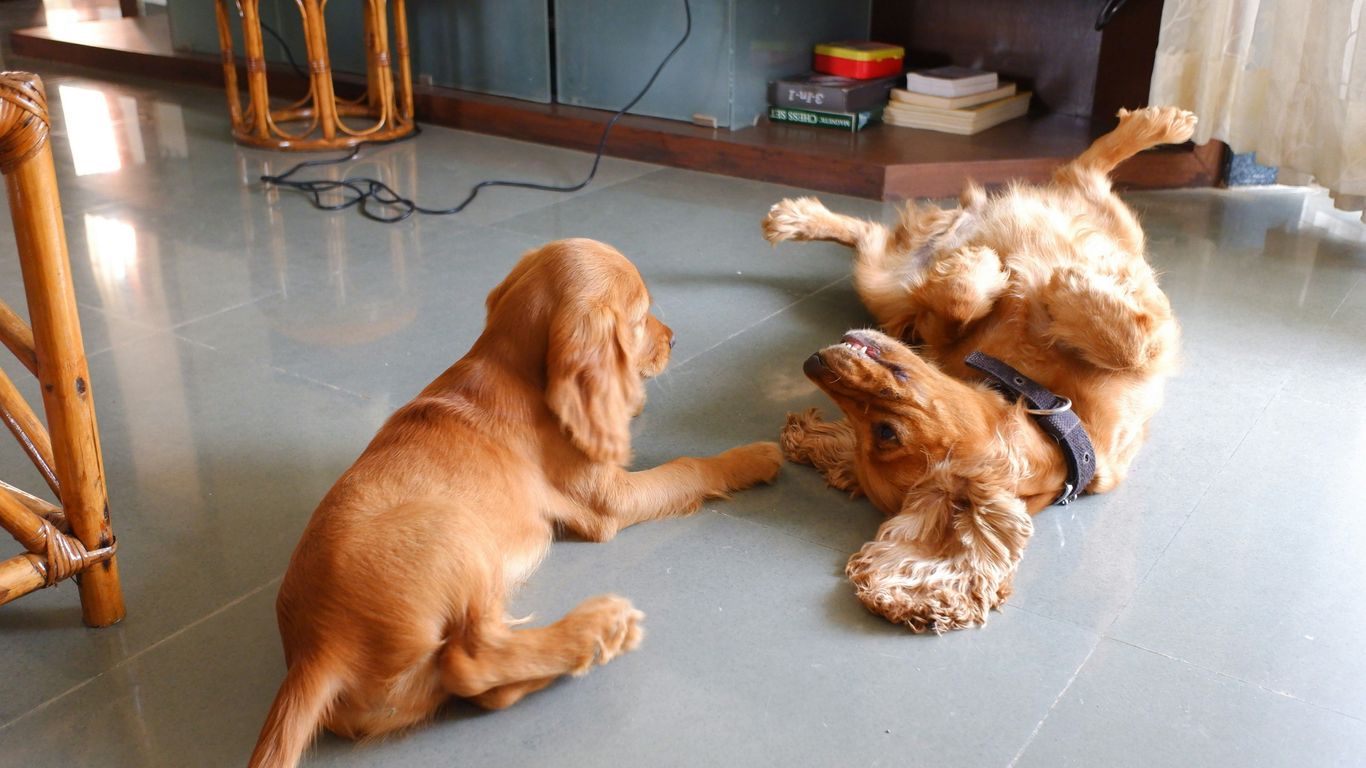
You know, dogs are pretty smart. It turns out they can learn way more words than just ‘sit’ or ‘stay.’ Think about it – if your dog can learn over 150 words, why not teach them the names of their favorite toys? It’s a fantastic way to build their understanding and make playtime even more engaging. This is a great way to boost your puppy’s brainpower and strengthen your connection.
Naming Favorite Toys
This is simpler than it sounds. Start with just one toy. Pick a name for it, maybe ‘Ball’ or ‘Squeaky.’ Every time you or your puppy interact with that toy, say its name. "Want your Ball?" "Let’s play with Ball!" Repeat this often. Once your puppy reliably goes for the toy when you say its name, you can introduce a second toy with a different name. Keep the first toy nearby. When they get the second toy right, give them lots of praise and a treat. Then, you can try asking for either toy by name. It’s all about positive repetition and making it fun.
Here’s a basic breakdown:
- Pick one toy and give it a name.
- Say the toy’s name every time you play with it.
- When your puppy reliably fetches it by name, introduce a second toy with a new name.
- Gradually increase the number of toys and their names.
Teaching your dog toy names is a rewarding process that goes beyond simple commands. It helps them understand specific objects and builds a richer communication system between you and your pet. It’s a fun challenge that pays off in a more responsive and engaged companion.
Object Retrieval Challenges
Once your puppy knows a few toy names, you can make it a bit more challenging. Put a few of their named toys on the floor. Ask your puppy to get a specific one, like "Get the Rope." If they bring you the correct toy, celebrate! If they grab the wrong one, don’t scold them. Just calmly take it, say the correct toy’s name, and try again. You can also try teaching your dog to identify toys by name by placing them in different spots around the room. This game really helps them focus and recall the names you’ve taught them. It’s amazing how quickly they can pick this up with a little practice.
Promote Focus With Scent-Based Puppy Training Games
Puppies have an amazing sense of smell, and tapping into that can be a fantastic way to keep their attention and build their confidence. Scent games are great because they tap into a dog’s natural instincts, making learning feel less like work and more like fun. Plus, it’s a great way to tire them out mentally, which is always a win.
Which Hand Holds the Treat?
This is a super simple game that really helps your puppy focus on you and learn to read your body language. It’s a good starting point for scent work.
- Start with a treat hidden in one of your hands. Keep your hands closed and hold them out in front of your puppy.
- Let your puppy sniff both hands. They’ll likely show more interest in the hand with the treat.
- When they sniff or paw at the correct hand, open it and give them the treat. If they guess wrong, just close your hands and try again.
- As they get better, you can try to make your movements a little more subtle or use different hands.
The key is to make it rewarding when they make the right choice. This game helps them understand that paying attention to you leads to good things.
Hidden Treat Scavenger Hunt
This game takes the ‘Which Hand’ idea and expands it, encouraging your puppy to use their nose to find a reward. It’s a bit like a treasure hunt for your furry friend.
- Start Easy: Begin by hiding a treat in plain sight or just slightly under something obvious, like a rug corner. Let your puppy see you hide it.
- Use a Cue: Say a cue word like "Find it!" or "Search!" as you hide the treat. This helps them associate the word with the game.
- Gradually Increase Difficulty: As your puppy gets the hang of it, start hiding treats in slightly more challenging spots. Think behind a couch leg, under a cushion, or even in another room (if they’re ready).
- Vary the Treats: Use different kinds of treats to keep things interesting. Sometimes a favorite kibble, sometimes a small piece of cheese or chicken.
This type of game is brilliant for building a puppy’s confidence. When they successfully find a hidden treat, it’s a small victory that encourages them to keep trying and to trust their own senses. It also helps them learn to work independently for short periods, which is a great skill for any dog to have.
Remember to keep these games positive and fun. If your puppy gets frustrated, make it easier for them. The goal is to build focus and a good relationship, not to create stress.
Want to help your puppy focus better? Try fun games that use their amazing sense of smell! These scent-based activities can make training more engaging and effective for your furry friend. Ready to discover how to boost your puppy’s concentration and strengthen your bond through play? Visit our website to learn more about these exciting training games and find the perfect course for you and your pup!
Keep Playing and Learning!
So there you have it! Training your puppy doesn’t have to feel like a chore. By turning everyday interactions into fun games, you’re not just teaching them commands, you’re building a stronger bond and helping them become a well-behaved member of the family. Remember, consistency is key, but so is keeping it light and enjoyable for both of you. Keep experimenting with these games, see what your pup loves most, and most importantly, have fun watching them learn and grow. Happy playing!
Frequently Asked Questions
Why are training games so important for puppies?
Training games are super important because they make learning fun for your puppy! It’s not just about teaching commands; it’s about building a strong connection between you and your dog. These games help your puppy learn to listen, solve problems, and control their impulses, all while having a blast. Plus, they can help tire your puppy out mentally and physically, which means a happier, calmer dog.
How can I teach my puppy their name using games?
You can play a game called “I Love My Name!” It’s simple: hold some tasty treats. Say your puppy’s name in a happy voice, and when they look at you, give them a treat. You can also practice grabbing their collar gently for a second and then giving a treat. This helps them feel good about hearing their name and being touched by your hand.
What’s a good game for teaching my puppy to come when called?
A great game for this is ‘Hide and Seek Recall.’ Start by hiding somewhere your puppy can easily find you, like behind a door. Call their name excitedly. When they find you, praise them a lot and give them a treat! As they get better, you can hide in more challenging spots. This makes coming to you a super rewarding adventure.
How do I stop my puppy from biting or chewing on things they shouldn’t?
Games like ‘Controlled Tug of War’ can help. Use a soft toy and let your puppy gently grab it. If they start to bite too hard or go for your hands, stop the game for a few seconds. This teaches them to be gentle. Also, redirecting their chewing to appropriate toys when they start biting something wrong is key. Puzzle toys can also keep their mouths busy in a good way.
Can games help my puppy learn to focus better?
Absolutely! Scent-based games are fantastic for focus. Try the ‘Which Hand Holds the Treat?’ game. Show your puppy a treat, then hide it in one closed fist. Let them sniff your hands, and when they choose the correct hand, reward them. Another is the ‘Hidden Treat Scavenger Hunt,’ where you hide treats around a room for them to find. This really gets their nose and brain working together.
Is it okay to play with my puppy even if they are very young?
Yes, playing with your puppy from a young age is highly encouraged! It’s a crucial time for them to learn. Just make sure the games are age-appropriate. For very young puppies, focus on gentle games that don’t put too much strain on their developing bodies. Always watch for signs that they might be getting tired or overexcited, and keep playtime positive and fun.