
Getting a new puppy is exciting, but training them can feel like a puzzle. You want to see good behavior quickly, and thankfully, there are ways to make that happen. This article will walk you through some simple, effective methods for positive puppy training that get results without the stress. We’ll cover how to reward your pup, keep training fun, and build up skills step-by-step. Let’s get your furry friend on the right track!
Key Takeaways
- Focus on rewarding your puppy for doing the right thing instead of punishing them for mistakes. This builds a positive association with training.
- Keep training sessions short, around five minutes, and do them often throughout the day. This helps your puppy learn without getting bored or frustrated.
- Break down bigger training goals into small, manageable steps. Celebrate every little bit of progress your puppy makes along the way.
- Make training a game! Incorporate play and fun activities to keep your puppy engaged and enthusiastic about learning.
- Consider getting help from a professional dog trainer or joining a puppy class. They can offer guidance and speed up your progress with positive puppy training techniques.
Embrace Positive Reinforcement For Puppy Training
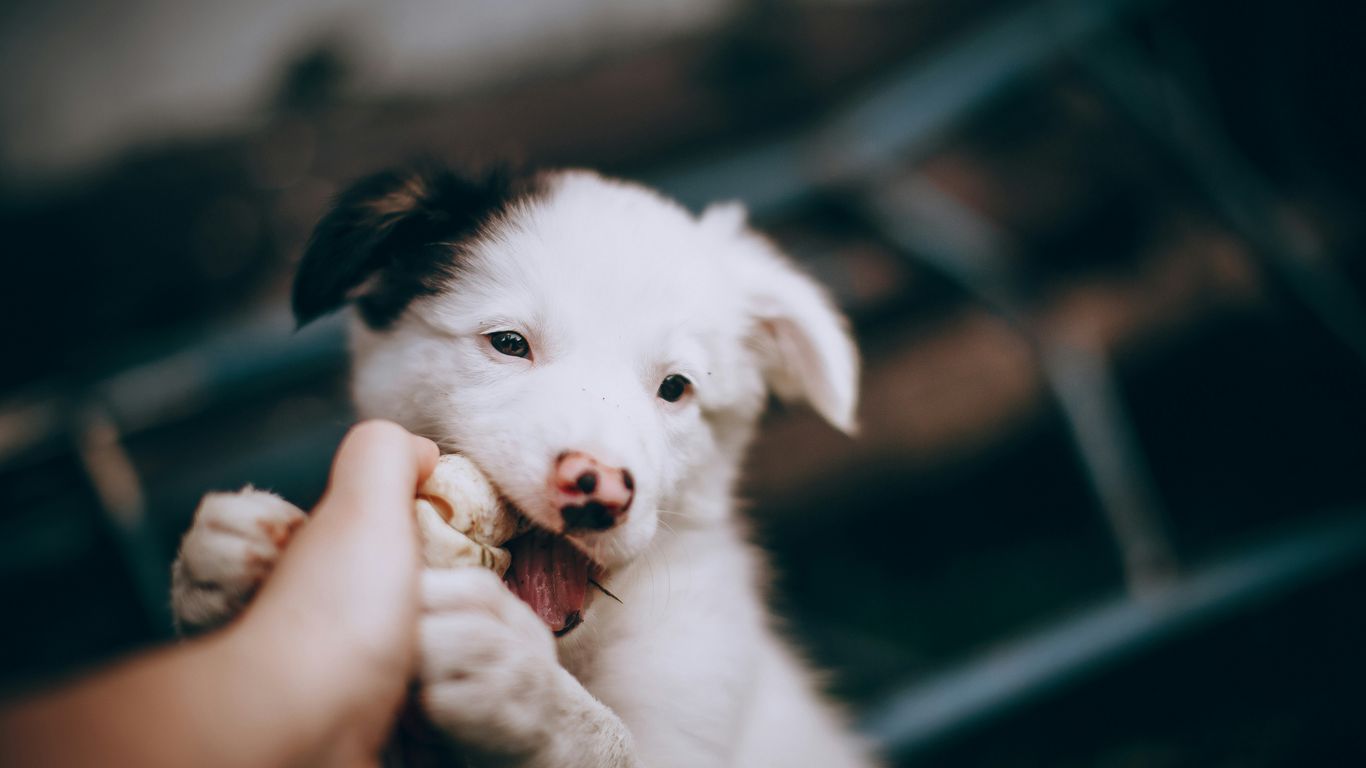
When you bring a new puppy home, it’s easy to get caught up in the excitement. But before you know it, you’re dealing with chewed slippers and potty accidents. This is where positive reinforcement training comes in. It’s all about rewarding the behaviors you want to see, rather than focusing on punishing the ones you don’t. Think of it as building a great relationship with your dog, one treat and one happy bark at a time.
Rewarding Good Behavior Over Punishing Mistakes
It might seem straightforward, but it’s a big shift from older training methods. Instead of yelling when your puppy chews the furniture, you’d instead reward them when they chew their own toys. This helps your puppy understand what they should be doing. It builds their confidence and makes them more eager to learn. Punishing mistakes can make a puppy scared or confused, and they might just stop trying new things altogether to avoid getting in trouble.
- Focus on what you want: Catch your puppy doing something right and reward it immediately.
- Make it a game: Use praise, treats, or a favorite toy to mark good behavior.
- Ignore minor missteps: Sometimes, a puppy just needs to figure things out. Unless it’s dangerous, a little bit of ignoring can be better than a reaction.
Finding The Right Motivation For Your Pup
What makes your puppy tick? For some, it’s a tiny piece of chicken. For others, it’s a squeaky toy or a good scratch behind the ears. You need to figure out what your individual puppy loves most. This isn’t just about treats, though they are super useful. It’s about understanding what drives your dog.
Here’s a quick way to test motivation:
| Motivation Type | Example | Puppy’s Reaction |
|---|---|---|
| Food | Small piece of cheese | Enthusiastic tail wag, quick snatch |
| Toy | Squeaky ball | Play bow, excited bark |
| Praise | "Good boy!" in a happy tone | Ears perk up, leans in |
| Affection | Belly rub | Rolls over, relaxed sigh |
Consistency Is Crucial For Learning
Dogs thrive on routine and predictability. If you reward a behavior one day and ignore it the next, your puppy will get mixed signals. Everyone in the household needs to be on the same page. This means using the same cues, rewarding the same actions, and having similar expectations. It might take a little coordination at first, but it pays off big time in faster, more reliable results.
When training, remember that your puppy is always learning. Every interaction, every moment, is a teaching opportunity. By consistently applying positive methods, you’re not just teaching commands; you’re building a strong, trusting bond that will last a lifetime.
Short, Frequent Training Sessions Yield Best Results
Look, nobody wants to spend hours on end drilling their puppy. Honestly, it’s not even that effective. Puppies, especially, have short attention spans. Trying to force them to focus for too long is just going to lead to frustration for both of you. The key is to keep training sessions brief and engaging. Think about it like this: would you rather have one long, boring lecture or several quick, interesting chats? Your puppy feels the same way.
Keep Training Sessions Brief And Engaging
Seriously, aim for just 5 to 10 minutes at a time. Any longer, and you’ll likely see your pup start to get distracted, bored, or even a little stressed. It’s much better to have a few of these short bursts throughout the day than one marathon session. This approach helps keep their interest piqued and makes learning feel more like a game than a chore. You want your puppy to look forward to training, not dread it.
Integrate Training Into Daily Routines
This is where the magic really happens. You don’t need to set aside special time for training if you’re clever about it. Weave commands into your everyday activities. Ask for a ‘sit’ before you put their food bowl down, or have them ‘stay’ for a moment before you open the door for a potty break. These little moments add up quickly and reinforce what they’re learning without feeling like extra work. It’s a fantastic way to make training a natural part of your life together, and it helps your puppy understand that these behaviors are expected all the time, not just during a dedicated session. You can find more tips on making training a habit at frequent training sessions.
Vary Training Locations For Better Generalization
This is a big one. Your puppy might nail ‘sit’ in the living room, but then completely forget it when you’re outside. That’s called a lack of generalization. To help your dog understand that a command means the same thing everywhere, you need to practice in different spots. Try the backyard, the front porch, a quiet park, or even a friend’s house. The more varied environments you train in, the better your puppy will be at responding to your cues no matter where you are. It takes a bit more effort, but it pays off big time in reliability.
Build Complex Behaviors Through Gradual Steps
Sometimes, teaching your puppy a new trick or a more involved behavior can feel like trying to build a skyscraper with just a few bricks. It’s easy to get overwhelmed, but the trick is to break it down. Think of it like teaching your dog to fetch. You don’t just throw the ball and expect them to bring it back perfectly the first time. You start with smaller steps.
Break Down Behaviors Into Manageable Parts
This is all about making things super simple for your pup at first. If you want your dog to learn to ‘stay’, don’t expect them to hold a long stay right away. Start by asking for just a second or two, and reward them heavily. Then, slowly increase the time. It’s the same for teaching them to come when called. Initially, reward them for just turning their head towards you, then for taking a step, then a few steps, and so on. This step-by-step approach prevents frustration for both you and your dog. It builds their confidence as they succeed at each small stage. You can find some great tips on positive reinforcement training that really help with this process here.
Celebrate Small Victories Along The Way
Don’t wait until your dog has mastered the entire behavior to give praise. Every little bit of progress deserves a cheer. Did your puppy offer a paw for the first time, even if it wasn’t exactly when you asked? Great! Give them a treat and some happy talk. Did they hold a ‘sit’ for three seconds instead of two? Awesome! These small wins are what keep the training momentum going. They show your dog that they’re on the right track and make them eager to try again. It’s like collecting points in a game; each point gets you closer to the big prize.
Encourage Progress, Not Just Perfection
It’s easy to get caught up in wanting your dog to be perfect, but that’s not realistic, especially when they’re learning. Focus on the effort and the improvement they’re showing. If your dog is trying hard, even if they mess up, acknowledge their effort. Maybe they didn’t quite get the ‘down’ command, but they offered a ‘sit’ instead. That’s still progress! You can redirect them gently or try again later. The goal is to build a positive association with training, not to create a robot. Remember, your puppy is learning, and learning involves mistakes. The key is to keep the training sessions light and fun, celebrating the journey rather than fixating solely on the destination.
Make Positive Puppy Training A Fun Experience
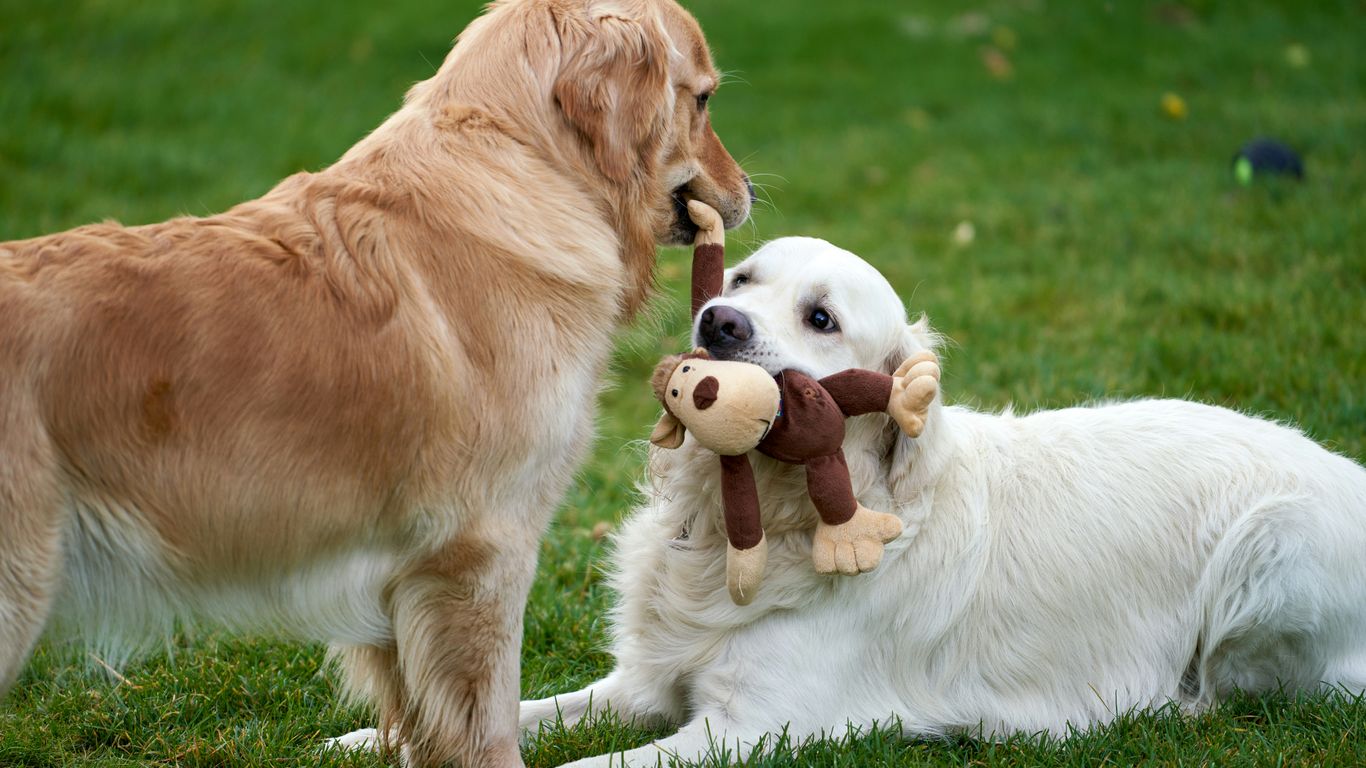
Training your puppy doesn’t have to feel like a chore. In fact, making it enjoyable for both of you is a big part of why positive reinforcement works so well. When your puppy associates training with good times, they’ll be way more eager to learn.
Incorporate Play Into Training Sessions
Think of training as a game. Instead of just drilling commands, weave them into playful interactions. For example, when you’re playing fetch, ask for a ‘sit’ before you throw the ball. Or, during a tug-of-war, ask for a ‘down’ before releasing the toy. This keeps your puppy engaged and makes them see training as a fun activity, not work. It’s a great way to build their confidence too, with games designed to help them feel more secure confidence-building games for dogs.
Teach Tricks To Boost Engagement
Beyond basic obedience, teaching your puppy fun tricks can be incredibly rewarding. Tricks like ‘shake,’ ‘roll over,’ or ‘play dead’ are not only entertaining but also great for reinforcing focus and responsiveness. Plus, the novelty of learning new tricks keeps your puppy mentally stimulated and excited about training sessions. It’s amazing how quickly they pick up on your enthusiasm when they’re having a blast.
Keep The Energy Positive And Enthusiastic
Your attitude is contagious. If you’re excited and upbeat, your puppy will be too. Use a happy tone of voice, lots of praise, and enthusiastic rewards. Even when your puppy makes a mistake, try to keep your reaction light and redirect them gently. The goal is to build a strong, positive relationship where your puppy looks forward to interacting with you and learning new things. Remember, training is a journey, and celebrating every little step forward makes the whole process much more enjoyable for everyone involved.
Leverage Hand Signals And Verbal Cues
Dogs, bless their furry hearts, don’t process language quite like we do. They’re masters of observation, and often, what they see you do registers more clearly than what they hear. This is where combining hand signals with spoken words becomes a real game-changer for training. Think of it as giving your pup a visual cue and an auditory one, doubling down on clarity.
Combine Hand Signals With Verbal Commands
When you’re teaching a new behavior, like ‘sit’ or ‘stay,’ start by pairing a clear hand motion with the word. For instance, as you say ‘sit,’ move your hand in a downward motion. The visual cue often helps your dog understand what you’re asking for more quickly. Over time, as your dog gets the hang of it, you might find they respond just as well, or even better, to the hand signal alone. This is super helpful in noisy environments or when you’re a bit further away from your dog.
Start With Hand Signals For Clarity
Sometimes, it’s even more effective to introduce the hand signal first, before you even say the word. This way, your dog learns to associate the action with the reward without the potential confusion of a spoken word. Once they’re reliably responding to the gesture, you can start adding the verbal cue. This approach can be particularly useful for dogs who are easily distracted or have a harder time focusing on verbal commands initially. It’s all about building that initial understanding through a clear, visual prompt.
Add Verbal Cues As Your Pup Understands
Once your dog is consistently performing the action when you give the hand signal, it’s time to layer in the verbal cue. Say the word just as you give the hand signal. The goal is for the dog to eventually understand that the word itself means the same thing as the gesture. You’ll want to fade out the hand signal gradually, making it smaller or less obvious, while still using the verbal cue. This process helps your dog build a strong association between the spoken word and the desired behavior, making your communication even more effective.
Here’s a little breakdown of how you might introduce this:
- Step 1: Introduce the Hand Signal: Show your dog the hand motion and reward them for responding.
- Step 2: Pair Signal and Word: Say the word as you give the hand signal, then reward.
- Step 3: Fade the Signal: Gradually make the hand signal less prominent while still saying the word.
- Step 4: Test the Word: Try using just the verbal cue and reward if they respond correctly.
Using both hand signals and verbal cues creates a robust communication system for your dog. It acknowledges their visual learning strengths while also building their understanding of spoken language. This dual approach can speed up learning and make training sessions more successful and less frustrating for both of you.
Seek Professional Guidance For Faster Progress
Sometimes, even with the best intentions and a pile of treats, you hit a wall with your puppy’s training. It’s totally normal! Think of it like learning a new skill yourself; sometimes you just need an experienced hand to show you the ropes. Getting professional help can really speed things up and make the whole process smoother for both you and your pup.
Consult a Certified Dog Trainer
When you’re feeling stuck or facing a particularly tricky behavior, a certified dog trainer is your go-to resource. These folks have seen it all and have a deep well of knowledge about dog behavior and effective training methods. They can help you figure out why your puppy is doing what they’re doing and create a plan tailored to your specific situation. They can also help you understand your puppy’s communication, like when they’re barking excessively [24d3].
Attend Puppy Training Classes
Classes are fantastic for a few reasons. First, they provide a structured environment where your puppy can learn basic obedience alongside other dogs. This socialization is super important! Second, you get to learn from a professional trainer in real-time, and you can ask questions as they come up. It’s also a great way to see how other people are training their puppies and pick up new tips. Many places offer these classes, so it’s worth looking into what’s available locally.
Choose Trainers Who Use Positive Methods
This is a big one. When you’re looking for a trainer or a class, make sure they focus on positive reinforcement. This means rewarding good behavior rather than punishing mistakes. It builds trust and makes training a fun experience for your dog, which leads to better results. You want a trainer who understands how dogs learn and uses science-based techniques to help your puppy succeed. A good trainer will help you build a strong bond with your dog, not create fear or anxiety.
Here’s a quick look at what to expect:
- Assessment: A trainer can assess your puppy’s current skills and temperament.
- Personalized Plan: They’ll help create a training plan that fits your lifestyle and goals.
- Problem Solving: They can offer solutions for common puppy issues like house-training or nipping.
- Skill Building: They’ll guide you in teaching new commands and behaviors effectively.
Don’t be afraid to ask questions. A good trainer will be happy to explain their methods and help you understand the ‘why’ behind the training steps. It’s a partnership, after all.
Remember, investing in professional guidance early on can save you a lot of frustration down the line and set your puppy up for a lifetime of good behavior. It’s about building a happy, well-behaved companion, and sometimes, a little expert help goes a long way.
Want to see your dog learn faster and better? Sometimes, getting help from an expert is the quickest way to see real change. Our website has great tips and resources to help you and your furry friend succeed. Visit us today to discover how we can help you achieve your training goals!
Keep Up the Great Work!
So, you’ve learned a bunch of ways to train your puppy using positive methods. Remember, it’s all about rewarding good behavior and making training a fun part of your day. Little training sessions, lots of praise, and consistency are your best friends here. Don’t get discouraged if things don’t click right away; every dog learns at their own pace. If you hit a wall, reaching out to a professional trainer can make a huge difference. Keep practicing these techniques, and you’ll see your bond with your pup grow stronger while they learn to be a well-behaved companion. Happy training!
Frequently Asked Questions
What is positive reinforcement training for puppies?
Positive reinforcement means rewarding your puppy when they do something good. Instead of punishing them for mistakes, you give them a treat, praise, or a favorite toy when they get it right. This helps them learn faster because they associate good behavior with happy things.
How long should puppy training sessions be?
Keep training sessions short and fun, like 5 to 10 minutes at a time. Puppies have short attention spans, so doing this a few times a day is much better than one long session. This keeps them from getting bored or frustrated.
Why is consistency important in puppy training?
Being consistent means everyone in the house uses the same commands and rules. If one person lets the puppy on the couch but another doesn’t, the puppy gets confused. Clear and consistent rules help your puppy learn what you expect much more quickly.
Should I use treats or toys to reward my puppy?
It depends on your puppy! Some love food treats, while others prefer a favorite squeaky toy or a good belly rub. Experiment to see what motivates your puppy the most. The goal is to find what makes them excited to learn.
What if my puppy isn’t getting it right away?
Don’t worry if your puppy doesn’t master a new skill instantly. Break down the behavior into tiny steps and celebrate every little bit of progress. Focus on improvement, not just perfection, and keep the training positive and encouraging.
When should I consider getting a professional dog trainer?
If you’re finding training difficult or your puppy has specific behavior issues, a professional trainer can be a huge help. Look for trainers who use positive methods. They have a lot of experience and can offer personalized advice to help you and your pup succeed.