
Bringing home a puppy is an exciting adventure, but it can also feel a bit overwhelming. A solid puppy training schedule is key to ensuring your new furry friend grows up to be a well-behaved companion. This guide breaks down the essentials of puppy training, covering everything from basic commands to socialization techniques. Let’s get started on this journey together!
Key Takeaways
- Start training early to prevent bad habits.
- Keep training sessions short and fun.
- Focus on essential commands like ‘sit’ and ‘stay’.
- Socialize your puppy with different people and environments.
- Be consistent and patient throughout the training process.
Understanding Puppy Training Fundamentals
Importance of Early Training
Starting training at an early age helps guard against problems like chewing on your favorite shoes or jumping on guests. Beginning training early creates a foundation that lasts a lifetime. Here are some clear benefits of starting early:
- Prevents common behavior issues
- Helps your puppy pick up basic skills sooner
- Sets the stage for confident, happy learning
Below is a simple table that shows how starting training early can benefit your puppy:
| Age Range | Benefit | Note |
|---|---|---|
| 2-8 weeks | Social and basic exposure | Early play and gentle interactions |
| 8-12 weeks | Command recognition | Training sessions are short and fun |
| 12+ weeks | Advanced behavior cues | Builds on early lessons effectively |
For a hands-on approach, try using positive reinforcement regularly during these sessions.
Key Commands to Teach
When beginning, focus on a handful of basic instructions. Teaching commands like "sit," "stay," and "come" makes it easier for your puppy to understand what you expect. Try these three steps for simple command training:
- Introduce one command in a calm setting.
- Offer treats and praise when your pup complies.
- Repeat the exercise in various environments for consistency.
Incorporating positive reinforcement here ensures the learning process remains simple and fun.
Building a Positive Relationship
Establishing a warm, trusting bond is as important as the commands you teach. Spend quality time with your puppy—play, cuddle, and simply be there. Notice the spark in their eyes as they start realizing that training can be fun and rewarding. Try to:
- Use gentle, clear corrections over harsh scolding.
- Keep training sessions playful and relaxed.
- Involve everyone in your household to maintain consistency.
A strong bond between you and your puppy makes every training moment more enjoyable. A calm and respectful environment turns each lesson into a shared adventure.
Remember, using positive reinforcement techniques consistently not only aids learning but also builds lasting trust between you and your new friend.
Creating a Structured Puppy Training Schedule
When you set up a routine for your puppy, it can really help you both learn and have fun. There is a rough plan that you can modify to fit your puppy’s style and mood. Keeping things simple and consistent makes training less stressful.
Daily Training Sessions
Start your day with a short 5 to 10 minute session that focuses on one or two basic commands. Make these sessions interactive:
- A quick warm-up with basic commands
- Practice a specific command like "sit" or "stay"
- End with a short break and praise
You might find it helpful to track each session with a simple table like this:
| Time of Day | Training Focus | Notes |
|---|---|---|
| Morning | Greeting and Sit | 5-10 minutes |
| Afternoon | Recall and Play | Combine with a walk |
| Evening | Calm down & Review | Keep slow and quiet |
Incorporating Playtime
Playtime is not just fun—it also gives your puppy a chance to learn in a less formal setting. Mix in short bursts of play between training sessions. Here are some steps to create a balance:
- Schedule a time for play after each session
- Use simple games like fetch or hide and seek
- Alternate between training and free play to keep things fresh
For some hands-on dog training tips, check out advice on how to easily integrate these fun sessions into a busy day.
Adjusting for Energy Levels
Different puppies have different energy. Some may need more activity, while others do fine with shorter bursts. Look for these signs and adjust accordingly:
- If your puppy seems too excited, try a calmer walk before training
- If they look tired, shorten the session and use more gentle commands
- If they’re restless, include extra play breaks during the day
Below is a quick table to help you think about modifications:
| Energy Level | Morning Session | Afternoon Addition | Evening Change |
|---|---|---|---|
| High | Extended warm-up walk | Extra play and social time | Shorter, brisk review |
| Low | Brief session and praise | Quiet indoor play | Slower, calm review |
Adjusting the routine as your puppy grows helps both of you feel more at ease. Observing daily behavior can be a simple way to know when to tweak the plan.
This schedule is a good start, but feel free to modify it and see what works best for your puppy’s unique pace.
Essential Commands for Your Puppy
Sit and Stay
Teaching your puppy to sit and stay lays a strong base for other commands. Start in a quiet spot where distractions are minimal. Begin by holding a treat near the puppy’s nose and then slowly move it above their head so they naturally sit. Training with patience yields great progress.
Here’s a simple way to practice:
- Choose a calm area at home.
- Hold a treat near your puppy’s nose and guide them into a sitting position.
- Praise and reward once they keep sitting for a few seconds.
Remember, every session helps build a trusting bond between you and your puppy. Use consistency in your approach to see steady improvement.
Come When Called
Learning a reliable recall like "come when called" is important for safety. Start this training in a confined space to prevent distractions. A cheerful tone and excitement encourage your puppy to return when called.
Steps to try out:
- Begin training in a controlled, distraction-free area.
- Call your puppy by name followed by a clear command like "come".
- Reward them with a treat and lots of praise.
It can be helpful to mix up exercises; sometimes, a change in environment gives better results. Keep in mind, training consistency is simple when using effective cues.
Leave It and Drop It
Teaching your puppy to "leave it" or "drop it" is handy when they pick up something they shouldn’t. This command helps prevent accidents and stops them from chewing on dangerous items.
Follow these steps:
- Present a treat but then say "leave it" as your puppy shows interest.
- Once they disengage, offer a reward from the other hand.
- Practice in different settings to reinforce the behavior.
Below is a quick reference table for these commands:
| Action | Cue Phrase | Reward Type |
|---|---|---|
| Leave It | "leave it" | Small treat |
| Drop It | "drop it" | High value treat |
Practice these commands regularly to help your furry friend understand what’s expected and to keep them safe during adventures.
Socialization and Exposure Techniques
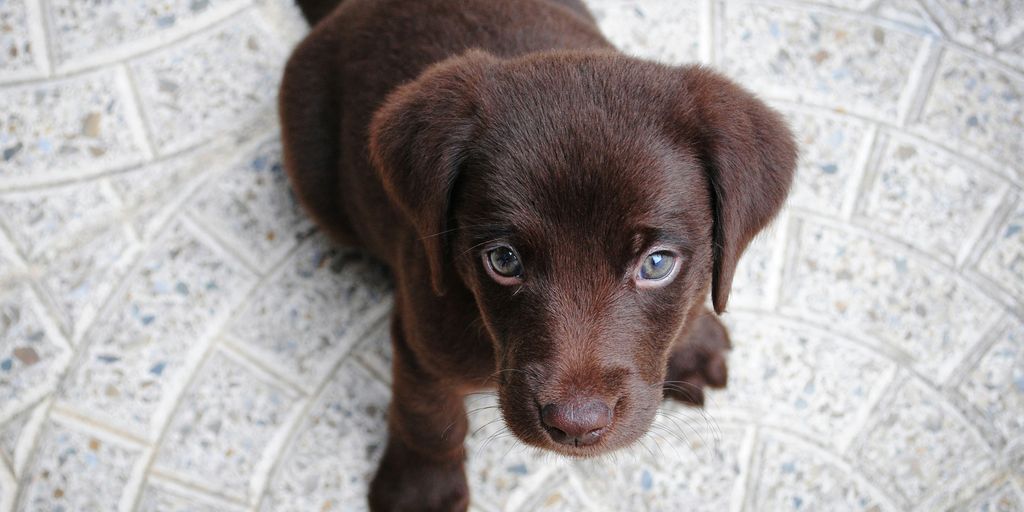
Introducing New Environments
Introducing your pup to new surroundings is a slow and steady process. Start with familiar, safe spots and work your way to busier areas. A short walk in a quiet neighborhood, followed by a visit to a local park, can work wonders. Exposing your puppy to varied settings early on builds lasting confidence. It’s important to keep these outings gentle with calm exposure techniques for the pup to adjust naturally. Consider these steps:
- Begin with short visits to low-traffic areas.
- Gradually introduce more stimulating environments.
- Monitor your puppy’s reactions and adjust accordingly.
For a few extra tips on socializing, check out socializing tips.
Meeting Other Dogs
When it comes to meeting other dogs, planning controlled encounters can make a big difference. Arrange playdates with dogs that have calm temperaments and invite them over one at a time. Training classes and dog parks are a common way to encourage gentle interactions. Some examples include:
- Organized play sessions with neighbors’ pets.
- Group walks in less crowded local parks.
- Attending small dog meet-ups or training classes.
Below is a quick overview of different interaction settings:
| Setting | Tip | Suggested Duration |
|---|---|---|
| Neighborhood | Short exposure during walks | 10 minutes |
| Dog Park | Watch interactions closely | 15 minutes |
| Training Class | Follow structured guidance | 20-30 minutes |
Be sure to pace these introductions. It’s all about gradual trust-building, with socializing steps integrated naturally into each outing.
Handling and Grooming
Grooming often starts with handling sessions. Acquaint your puppy with gentle touches and simple grooming tools. Keep the sessions calm and brief before extending the time. Here’s a list of initial steps you might follow:
- Begin with light petting sessions to help your puppy adjust to physical contact.
- Introduce grooming tools by letting your pup sniff them first.
- Gently brush and examine their ears and paws.
- Reward calm behavior with a treat or a kind word.
Remember, routine handling makes grooming a safe and steady experience for your puppy.
A steady pace and positive energy are key. As always, blend these approaches with expert positive training methods to foster a smoother transition into regular grooming routines.
Housebreaking and Crate Training Essentials
Potty Training Tips
Training your puppy to go outside takes time and patience. Watch for signs like sniffing, circling, or standing by the door. When you see these behaviors, take your pup out immediately using a calm tone.
Here are a few points to remember:
- Recognize your pup’s signals quickly.
- Take them out at consistent times after meals and naps.
- Use a friendly word or phrase every trip out so they can connect the command with the action.
A little consistency goes a long way. Keeping your approach steady helps your puppy understand what’s expected.
Crate Training Benefits
A crate isn’t just a small space—it can be a safe retreat for your puppy. Many owners find that crate training supports housebreaking by limiting accidents when you’re not around. Plus, using a crate can help reduce anxiety since your pet will have a quiet corner to relax in. For example, the quality crate training method uses a crate to create a positive and controlled environment.
Here’s a brief table comparing two popular crate types:
| Type | Pros | Cons |
|---|---|---|
| Plastic | Lightweight, travel-friendly | Less airy sometimes |
| Wire | Great ventilation and view | Heavier and can be noisier |
Also note that a crate can be used to teach your puppy to feel secure and learn boundaries, making other aspects of training smoother.
Establishing a Routine
Building a routine around housebreaking and crate training is key. It helps your puppy know exactly what to expect during the day.
Try these steps:
- Set regular meal times and corresponding potty breaks.
- Use the crate during quiet hours with some favorite toys or a soft blanket for comfort (familiarity matters a lot).
- Reward your puppy immediately after they do their business outside, reinforcing the routine.
A steady schedule can greatly reduce the stress on you and your puppy. Routine gives them a framework that makes the learning process smoother and less overwhelming.
Remember, both crate training and potty training need a level of commitment every day. By sticking with it, you lay the groundwork for a well-behaved pet.
Troubleshooting Common Training Issues
When your puppy’s learning journey hits a rough patch, it can be pretty frustrating. This section breaks down common problems and offers down-to-earth solutions to get things back on track.
Dealing with Distractions
Puppies are naturally curious. Even a slight noise or movement can pull their attention away. Start by setting up a quiet practice space and keep training sessions short. Here are some ideas:
- Choose a room with minimal noise.
- Keep sessions to 5-10 minutes to avoid overload.
- Reward moments when your pup stays on focus during the task.
A practical tip is to use simple training techniques that help your puppy tune out external commotion. Below is a quick table comparing common distractions with possible fixes:
| Distraction | Remedy |
|---|---|
| Background noise | Move indoors, quiet room |
| Movement outside | Limit window views |
| Other pets nearby | Separate training space |
Addressing Fear and Anxiety
It’s normal for a young pup to feel uneasy in new settings or around strangers. Gradually exposing your puppy to different scenarios can ease those nerves. Here are a few steps to try:
- Begin with low-key encounters and slowly introduce new elements.
- Use a soothing tone during every session.
- Increase the duration of interactions as your pup grows more comfortable.
Steady calm dog lessons can also turn intimidating experiences into learning opportunities.
When anxiety shows, even tiny improvements matter. Consistency over time builds a secure space for your pup.
Correcting Unwanted Behaviors
Correcting unwanted behaviors should always be approached with calm persistence rather than punishment.
When your puppy displays actions like jumping or biting, it’s often a sign of excitement or misunderstanding. Try these steps:
- Redirect the behavior using a favorite toy or command.
- Reward calm moments immediately so your pup knows what’s acceptable.
- Set clear boundaries and stick with them every day.
Using effective behavior fixes, you can gradually guide your puppy toward better habits. The following table illustrates a few common actions and how to address them:
| Behavior | Strategy |
|---|---|
| Jumping on people | Stand still and ignore |
| Nibbling or biting | Redirect with a toy |
| Excessive barking | Use a calm command to settle |
Maintaining Consistency in Training
Involving Family Members
When everyone in your home works together to teach your puppy, training becomes smoother. It’s important that all household members agree on the same words and gestures. Everyone in the household helps shape the puppy’s future behavior.
Here are some ways you can involve your family:
- Hold a quick family meeting to decide on common commands.
- Rotate the training responsibility so every member gets some time with the puppy.
- Keep your sessions fun and brief, very much in line with a daily routine.
Setting Clear Boundaries
Establishing clear rules in your home tells your puppy what’s acceptable and what isn’t. Setting boundaries helps build a safe and predictable space where your pup can thrive.
Follow these steps to set boundaries:
- Create designated spots for training and play.
- Agree on consistent responses for unwanted behavior.
- Clearly define which areas are off-limits to avoid confusion.
Below is a table to quickly compare some common home boundaries:
| Area | Allowed Behavior | Outcome |
|---|---|---|
| Living Room | Play and training | Calm and focused dog |
| Kitchen | Restricted access | Fewer accidents |
| Backyard | Supervised play | Safe exploration |
Stick with these limits as part of your day-to-day daily routine to help your puppy learn faster.
Tracking Progress and Adjustments
Keeping track of your puppy’s training not only shows you what’s working, but also helps you tweak the plan without feeling lost.
Try these ideas:
- Start a small diary to jot down how each session went.
- Highlight both successes and tricky spots.
- Adjust your methods slowly, making minor tweaks that fit with your daily routine.
Regularly reviewing your training notes can really boost your dog’s progress, making it clear that every small effort counts.
Keeping your training consistent is key to helping your dog learn and grow. When you stick to a routine, your dog will understand what to expect and will feel more secure. Make sure to practice regularly and use the same commands and rewards each time. This will help your dog learn faster and build a stronger bond between you two. For more tips and resources on dog training, visit our website!
Wrapping Up Your Puppy Training Journey
So, there you have it! Training your puppy is a journey, not a sprint. It takes time, patience, and a lot of love. Remember, every little step counts. Celebrate the small wins, whether it’s mastering ‘sit’ or finally getting through a walk without pulling. Consistency is key, so stick to your schedule and keep things fun. Your puppy is learning to trust you and see you as their guide. And trust me, the effort you put in now will pay off big time in the future. Enjoy the ride with your furry friend!
Frequently Asked Questions
When should I start training my puppy?
You can start training your puppy as soon as you bring them home, usually around eight weeks old.
What are some basic commands I should teach my puppy?
Important commands include ‘sit’, ‘stay’, ‘come’, and ‘leave it’.
How often should I train my puppy?
Aim for short training sessions of 5-10 minutes several times a day.
What if my puppy doesn’t seem to understand a command?
If your puppy struggles, go back to a command they know well to end on a positive note.
How can I help my puppy socialize?
Introduce your puppy to new environments, people, and other dogs to help them become comfortable.
What should I do if my puppy is scared or anxious?
Be patient and create a calm environment. Gradually expose them to new experiences.