
Training a puppy to walk on a leash can feel like a daunting task, but it’s essential for creating enjoyable walks. With the right approach, you can turn those chaotic outings into peaceful strolls. This guide will walk you through the basics and provide tips to help your puppy learn to walk nicely on a leash, making every walk a pleasant experience for both of you.
Key Takeaways
- Start leash training early to set a solid foundation.
- Use a sturdy leash and comfortable collar or harness for safety.
- Reward your puppy with treats for positive behavior during training.
- Be patient and consistent; training takes time and practice.
- Address common challenges like pulling and distractions calmly.
Understanding the Basics of Leash Training
What is Leash Training?
Leash training is the process of teaching your dog how to walk beside you calmly, without tugging or getting distracted. It starts in a low-key setting where your pet gets familiar with the leash and slowly adapts to staying near you. You might start by letting your dog explore while keeping control, then gently lead them into a walk. Here are a few points to consider:
- Introduce the leash slowly so your dog isn’t overwhelmed.
- Allow some exploration while keeping the environment safe.
- Encourage good behavior with regular rewards (a small treat or kind praise works well).
Remember, trying out effective dog training techniques can give you a helpful edge early on.
Why is Leash Training Important?
Doing leash training isn’t just about avoiding a tug-of-war every walk. When your dog knows how to walk properly beside you, the outings become more relaxed and enjoyable for both of you. Knowing the basics improves safety, helps with control, and even strengthens your connection. Check out this brief table that lays out the benefits:
| Benefit | What It Means |
|---|---|
| Safety | Keeps your pet from wandering too far or running into danger. |
| Control | Helps you handle distractions on busy streets or parks. |
| Bonding | Walks become quality time that builds your trust and relationship. |
Consistent efforts and a little patience go a long way in making walks pleasant for everyone involved.
Leash training turns daily walks into calm adventures.
Common Misconceptions
There are several ideas about leash training that can lead you astray. Here are a few misunderstandings that many new dog owners encounter:
- It only works for puppies – older dogs can learn too, though the approach might need slight adjustments.
- A perfect walk is achieved right away – every pet learns at its own pace, and setbacks are normal.
- If your dog pulls a lot, you’re not doing it right – sometimes the issue is simply that the training has just begun.
Breaking these myths can ease the training process. Using a gentle approach and being patient with progress can make a significant difference in the long run.
Step-by-Step Guide to Training a Puppy to Walk on a Leash
Introducing the Leash and Collar
Getting your puppy comfortable with the new gear is the first step. Start by letting your pup sniff and check out the collar and leash. This session is more about familiarization than strict training. Try these steps:
- Hold the leash gently at first, letting the puppy feel its presence.
- Associate the equipment with fun treats and cuddles.
- Walk around the room slowly, allowing your puppy to adjust.
Take care to choose a simple, sturdy leash harness that feels right for your puppy. The equipment should feel like a part of play time, not a chore.
Indoor Leash Training
Moving indoors is a great way to build confidence. Start in a low-distraction area like your living room. A few simple steps can really help here:
- Clip on the collar and leash, then encourage your puppy to follow you with small rewards.
- Keep sessions short—around 5 to 10 minutes—and gradually build their focus.
- Use a couple of consistent commands to signal start and stop of walking segments.
Remember to use consistency as you guide your puppy through indoor practice sessions. This approach helps them understand that indoor walking is a precursor to outdoor walks.
Short Outdoor Sessions
Once your puppy is doing okay indoors, it’s time to try the great outdoors. Begin with a quiet and familiar area where distractions are minimal.
- Begin with short walks lasting just a few minutes, gradually increasing the distance as your puppy grows more comfortable.
- Focus on positive reinforcement by giving your puppy frequent praise and rewards for staying close.
- Keep the pace relaxed, stepping outside at a gradual pace to match your puppy’s readiness.
Start with these brief outdoor trips and remember: every little step counts. By keeping these sessions short and low-stress, you’ll build a good foundation for longer walks later on.
A structured approach like this can make the leash training process feel more natural for both of you. Stick to your routine, remain patient, and celebrate every small win on the journey to enjoyable walks together.
Loose-Leash Training Techniques
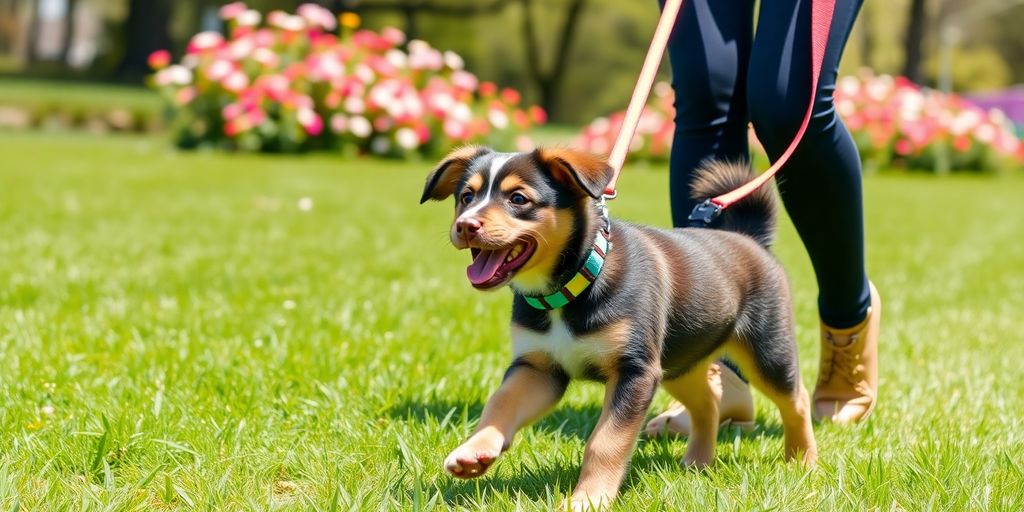
Training your puppy to walk calmly without pulling can really change your walks. Here, we’re breaking down three key areas that’ll help you and your dog enjoy every stroll.
How to Teach Loose-Leash Walking
Start by getting your puppy comfortable with the leash. A good trick is to use short sessions and reward good behavior immediately. Here’s a simple way to do it:
- Clip on the leash and let your dog roam indoors a bit.
- Walk slowly together, pausing when your dog pulls.
- Once they return to your side, give a treat and gentle praise.
Using techniques like the Figure 8 method can make a noticeable difference over time. Remember, practice makes perfect when teaching a calmer walk.
Addressing Pulling Behavior
When your dog starts pulling, it’s important to stay patient. Interrupt the pull immediately: stop walking and wait until the leash slackens. Here are a few things to keep in mind:
- Stop and wait: When your dog pulls, stand still until they refocus on you.
- Use a release word (like ‘okay’) once the leash is slack, so the dog understands the reward is coming after calm behavior.
- Gently guide them back without jerking the leash.
This kind of consistency helps your pup learn that pulling doesn’t get them what they want. When you incorporate steps like these, each walk turns into a learning moment.
Introducing Distractions
Real-life walks are full of distractions. Whether it’s another dog, a moving car, or interesting smells, your dog will need to learn focus amidst these disturbances. Try these strategies:
- Slowly introduce distractions by practicing in environments with mild interruptions.
- If your pup gets too excited, try turning and walking the opposite direction until they calm down.
- Always reward moments of focus, even if it’s just a quick return to your side.
Below is a brief table that outlines some common distractions and effective responses:
| Distraction | Recommended Response |
|---|---|
| Passing dogs | Stop walking until silence returns |
| Loud noises | Change direction to reduce stress |
| Other animals | Give a brief pause and then resume slowly |
Sometimes, a quiet moment where you both just stop and reconnect can be as important as any active training step.
With patience and regular practice, you’ll see changes in behavior. Keep your training sessions short, fun, and consistent to build a bond that lasts. Also, a little reminder: sometimes all it takes is changing direction quickly, as in the Figure 8 method, to reset your dog’s focus and calm them down.
Common Challenges in Leash Training
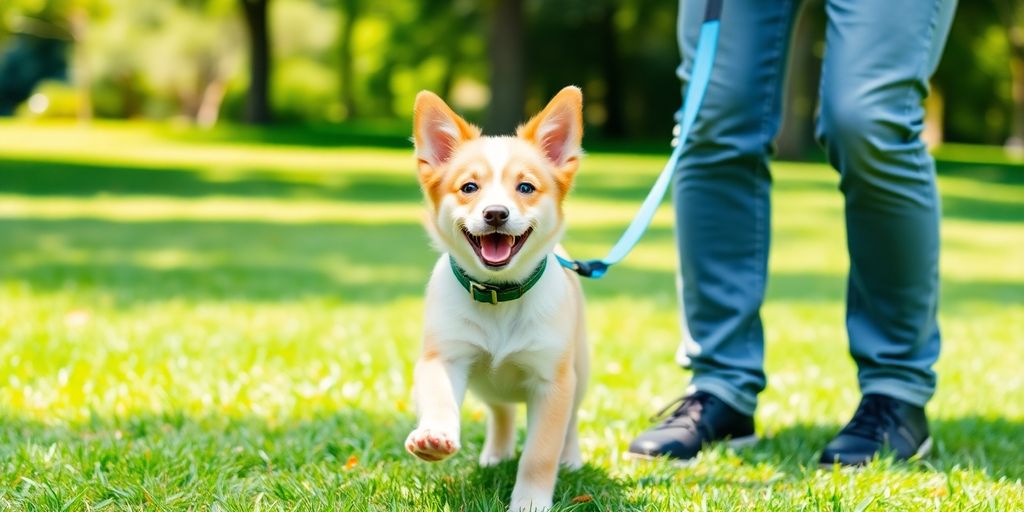
Training a puppy to walk on a leash isn’t always straightforward. There are hurdles that might slow you down, but working through them patiently can really make the difference. Here’s a closer look at some common hurdles:
Over-Excitement
A very common issue is when your puppy gets overly excited. This might mean they pull, run around, or even start biting at the leash – behaviors you can sometimes see in puppy biting issues. When this happens, consider these steps:
- Pause your walk until things settle down.
- Use a calm, steady voice to encourage your puppy to sit or slow down.
- Reward your pup for calming down using a small treat or a kind word.
Remember, a little extra time at the start can set a good pace for the whole training session.
Fear or Anxiety
Another challenge is when the puppy shows signs of fear or anxiety. They might hesitate or show nervous energy around the leash. Tackling these moments with gentle, gradual exposure is often the best route. Some fixes include:
- Slowly introduce the leash in a quiet, low-pressure setting.
- Pair the leash with treats and praise to create a positive vibe.
- Keep sessions short until your pup feels more secure.
This approach helps in building a calm experience for your dog while strengthening your bond over time.
Aggression
Aggression, though less common, may surface especially if the dog is uncomfortable or feels threatened. This can even occur in playful environments. To address this, try to:
- Stay calm and avoid sudden movements that could escalate things.
- Interrupt the behavior gently and redirect with a known command.
- Consider seeking guidance from a professional if the aggression continues.
Be patient as your puppy learns to adjust to the leash.
Patience isn’t just a virtue, it’s the main tool for making progress. Over time, you’ll notice that consistent practice leads to fewer challenges and a learning curve that works in your favor.
Each of these challenges can be managed with a bit of consistency and thoughtful planning. Remember, scoring small wins along the way can really help keep both you and your puppy on track.
Advanced Leash Training Techniques
Incorporating Training Commands
Integrating extra cues into your walks can really change how you and your pup connect. Simple commands like "heel", "sit", and "wait" can be introduced naturally during your daily strolls. Remember to stay positive and reinfuse your sessions with fun rewards, as it cements good habits quickly. For more ideas, check out dog walking tips.
Here are some practical steps to get started:
- Prepare a quiet spot before beginning a session.
- Keep sessions short and repeat often.
- Reward with treats and kind words when your dog reacts correctly.
Below is a small table outlining some common commands and a rough idea of how they might progress over training sessions:
| Command | Sessions Needed | Success Rate |
|---|---|---|
| Heel | 5-8 | 70-80% |
| Sit | 3-6 | 80-90% |
| Wait | 6-10 | 65-75% |
Using Clicker Training
The idea behind using a clicker is pretty straightforward. It works as a marker to let your puppy know they did something right. This small device can really simplify your command sessions.
Consider these tips when starting with clicker training:
- Click immediately after your dog performs the desired action.
- Follow up with a treat to reinforce the behavior.
- Keep your timing consistent for best results.
Building Focus Amidst Distractions
As your pup becomes better at following commands, it’s time to introduce distractions. This part of training can be challenging since unexpected noises or sights might grab your dog’s attention.
Here’s a simple plan to improve focus:
- Begin in a quiet area and then slowly move to busier places.
- Gradually increase the level of distraction while keeping training sessions fun.
- Praise your dog when they maintain their focus, even if it’s just for a moment.
It’s important to remember that every training step is a shared journey. Staying patient and keeping the mood light makes the process enjoyable for both of you.
With steady practice and a few creative tweaks, you’ll notice your puppy growing more confident during walks. Enjoy the process and keep encouraging your furry friend!
Connecting with Your Dog Through Leash Training
Building Trust and Understanding
Building a strong bond with your pup starts during leash training. When you commit to regular sessions, you show your dog that you’re reliable and calm. This trust is built over time with consistent communication, clear commands, and rewards for good behavior. Here are a few points to keep in mind:
- Consistency is key: Stick to a regular training schedule.
- Patience pays off: Allow your pup time to adjust.
- Clear signals: Use simple cues so your dog knows what’s expected.
A quick look at some milestones can help guide your progress:
| Milestone | Indicator | Approx. Timeframe |
|---|---|---|
| First steady pace walk | Makes eye contact | 1-2 weeks |
| Recognizing commands | Follows verbal cues | 2-4 weeks |
| Independent focus | Ignores mild distractions | 4-6 weeks |
It’s also important to know your role as a trusted leader in this journey.
Creating a Positive Experience
Each training step should feel fun for both you and your dog. Break up your sessions into short bursts to keep things light and stress-free. Here are three simple ways to create a good atmosphere:
- Keep training sessions brief and end each one on a high note.
- Mix up routines to avoid boredom and keep your pup interested.
- Offer small rewards as a reminder of your growing companionship.
Taking time to play a quick game or simply relax together after a session can turn training into quality time.
Celebrating Small Victories
Recognizing even the tiny improvements helps both of you appreciate the journey. Every small step forward is a reason to celebrate.
Every little win counts. Recognize the progress your pup makes with each session, and let these moments boost your morale. It’s all part of making your daily walks a real team effort.
Leash training is a great way to connect with your dog. It helps you both understand each other better and makes walks more enjoyable. Start by using a comfortable leash and collar, and practice walking together in a quiet area. Remember to reward your dog for good behavior, like walking beside you without pulling. This builds trust and makes your bond stronger. For more tips and resources on dog training, visit our website!
Wrapping Up Your Leash Training Journey
So, there you have it! Training your puppy to walk on a leash is a journey, not a sprint. It might feel like a lot at first, but with some patience and practice, you’ll both get the hang of it. Remember to keep things fun and rewarding. Celebrate those little wins, whether it’s a calm walk or just your pup staying by your side. And if things get tough, don’t sweat it—every dog learns at their own pace. Just keep at it, and soon enough, those walks will be something you both look forward to. Happy walking!
Frequently Asked Questions
What is leash training?
Leash training is teaching your dog how to walk nicely on a leash. This means they walk beside you without pulling or getting too excited.
Why is leash training important?
Leash training helps keep walks safe and enjoyable. It prevents accidents and helps you bond with your dog.
When should I start leash training my puppy?
You can start leash training as early as 7 to 8 weeks old, but around 10 weeks is best for good results.
What equipment do I need for leash training?
You’ll need a sturdy leash, a comfortable collar or harness, and some tasty treats to reward your dog.
How do I stop my dog from pulling on the leash?
If your dog pulls, stop walking until they come back to your side. Reward them when they walk calmly beside you.
What should I do if my dog gets too excited during walks?
If your dog becomes overly excited, pause and wait for them to calm down before continuing the walk.