
Living in a city with a dog can be a real adventure, can’t it? All the sounds, the people, the other dogs – it’s a lot for any pup to handle. But with the right approach, training a dog for urban environments can actually be a pretty rewarding experience. It’s all about helping your furry friend feel more comfortable and confident when you’re out and about. We’ll cover some helpful tips and tricks to make city living with your dog a lot smoother.
Key Takeaways
- Get your dog used to city sights and sounds gradually. Start with quieter areas and slowly move to busier spots.
- Teach your dog to focus on you amidst distractions. Games like ‘Look at That’ can help them notice things without reacting.
- Develop ‘ninja dog’ skills for quick escapes or finding quiet spots when things get overwhelming.
- Consider professional help. A good trainer can offer specialized classes or behavior modification techniques.
- Always celebrate small wins! Every bit of progress your dog makes in the city is a big deal.
Navigating City Streets With Your Canine Companion
Living in a city means your dog is going to encounter a lot more stimuli than a dog in a quieter area. Think busy sidewalks, loud traffic, sudden noises, and a constant stream of people and other animals. It can be a lot, right? The key is to prepare your dog gradually and build their confidence. We’re not aiming for a dog that ignores everything, but one that can handle the urban hustle without getting overwhelmed.
Understanding Urban Distractions
Cities are a sensory overload for dogs. Sirens, construction noise, skateboards, bicycles, and even just the sheer number of people can be a lot. It’s important to recognize what might be setting your dog off. Is it the loud truck? The person with a hat? Or maybe the small dog on a retractable leash that suddenly appears? Identifying these triggers is the first step. We want our dogs to learn that these things happen, and they don’t need to react every single time. It’s about teaching them to be aware but not alarmed.
Building Confidence in Busy Environments
How do you build confidence? Start small. Find a quieter park or street during off-peak hours. Practice basic commands like ‘sit’ and ‘stay’ while people and dogs pass at a distance. Reward calm behavior with high-value treats. As your dog gets more comfortable, slowly increase the level of distraction. You might move to a slightly busier street or a park with a few more people. The goal is to create positive associations with these environments. Think of it like this:
- Start Low: Begin in a low-distraction area.
- Go Slow: Gradually introduce more distractions.
- Reward Calm: Always reward your dog for remaining composed.
- End on a High: Finish training sessions before your dog gets stressed.
It’s not about forcing your dog into scary situations, but rather gently exposing them and showing them they can handle it. Patience is really the name of the game here.
Essential Obedience for City Living
Certain commands become non-negotiable in the city. A solid ‘leave it’ is a lifesaver when your dog spots something questionable on the sidewalk. A reliable ‘come’ is vital if they ever slip their leash, which is why practicing off-leash recall in safe, enclosed areas is so important, like those found at some training facilities. A strong ‘stay’ can prevent your dog from darting into traffic. And a good ‘watch me’ or ‘look’ command helps you redirect their attention away from distractions and back to you. These aren’t just tricks; they’re safety tools that help you manage your dog in unpredictable situations.
Mastering the ‘Look At That’ Game
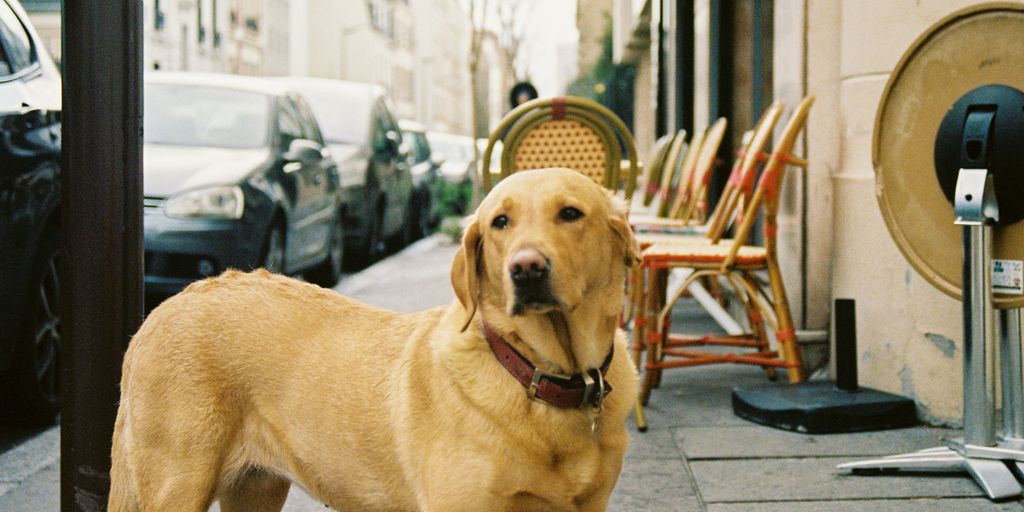
This game is a fantastic way to help your dog learn to observe the world around them without getting overly excited or anxious. It’s all about changing your dog’s emotional response to things they might normally react to, like other dogs, skateboards, or even loud noises. The goal is to teach them that seeing something interesting is actually a good thing because it means they get a reward from you.
Introducing the Concept
Start this game in a quiet place with minimal distractions. You’ll need some really high-value treats – the kind your dog absolutely loves. When your dog notices something, even something small like a leaf blowing, say "Yes!" and give them a treat. The key is to reward them as soon as they look at the thing, before they have a chance to react negatively. You’re essentially marking the moment of observation. This positive association is the foundation of the game.
Rewarding Calm Observation
As your dog gets the hang of it, you can start to be a bit more specific. When your dog looks at a distraction, say "Look at that," and then immediately give them a treat. The idea is that they look at the distraction, then look back at you for their reward. You want to reward that moment of checking in with you. It’s like they’re saying, "Hey, I saw that thing, what’s up?" and you’re saying, "Good job! Here’s a treat!" This helps build their confidence and teaches them that you’re the source of good things, even when there are exciting things happening around them. You can even use this to help them get used to things like agility equipment.
Applying the Game to Various Stimuli
Once your dog is doing well in controlled environments, you can start practicing in busier places. Begin with things that are a little distracting but not overwhelming. Maybe it’s a person walking on the other side of the street, or a distant siren. As your dog gets better, you can gradually introduce more challenging stimuli. Remember to keep the sessions short and positive. If your dog starts to get overwhelmed, it’s okay to take a step back to an easier situation. The aim is to build up their tolerance and positive associations gradually. It’s a process, and every dog learns at their own pace.
Developing a ‘Ninja Dog’ Strategy
Becoming a ‘ninja dog’ owner means you’re skilled at avoiding trouble before it starts. It’s about being aware of your surroundings and having a plan for when things get a bit hairy. Think of it as being a master of your dog’s environment, making sure they feel safe and secure, even when the city throws curveballs.
Proactive Avoidance Techniques
This is all about staying one step ahead. You learn to spot potential triggers from a distance and change your path before your dog even notices. It might mean crossing the street, ducking into a quiet alley, or even turning around if you see a situation that could be problematic. The goal is to prevent your dog from feeling overwhelmed or reacting in the first place. It’s like having a sixth sense for dog-related hazards. You start to map out your routes in your head, noting which houses have barking dogs or which streets tend to have off-leash dogs. It’s not about being scared; it’s about being smart and managing your dog’s world for them. You might even find yourself walking in wider areas or away from main paths, even when your dog isn’t with you, just out of habit. It’s a skill that develops over time, making your outings much smoother for both of you. You can learn more about managing your dog’s environment at notesfromadogwalker.com.
Quick Evasion Maneuvers
Sometimes, despite your best efforts, you’ll find yourself in a tricky spot. That’s where your ninja skills really come into play. This involves having a few go-to moves to quickly and calmly remove your dog from a situation. It could be a swift U-turn, a quick step behind a parked car, or even a sudden dash into a nearby shop if it’s open and welcoming. The key is to act fast and decisively, without causing a scene or escalating your dog’s stress. Practicing these moves when you’re not in a high-stress situation can make them second nature. Remember, the aim is to create distance and break your dog’s focus on the trigger.
Creating Safe Zones on the Go
This is about having a mental toolkit of places you can retreat to if needed. It could be a quiet side street, a less-trafficked park area, or even just a wide patch of grass away from the sidewalk. You learn to recognize these spots as you explore your neighborhood. Having these safe havens in mind means you’re never caught completely off guard. It builds your confidence, knowing you have options if a situation becomes too much for your dog. It’s about making sure your dog always has a place to feel secure, even in the middle of a busy city.
Working With Professional Trainers
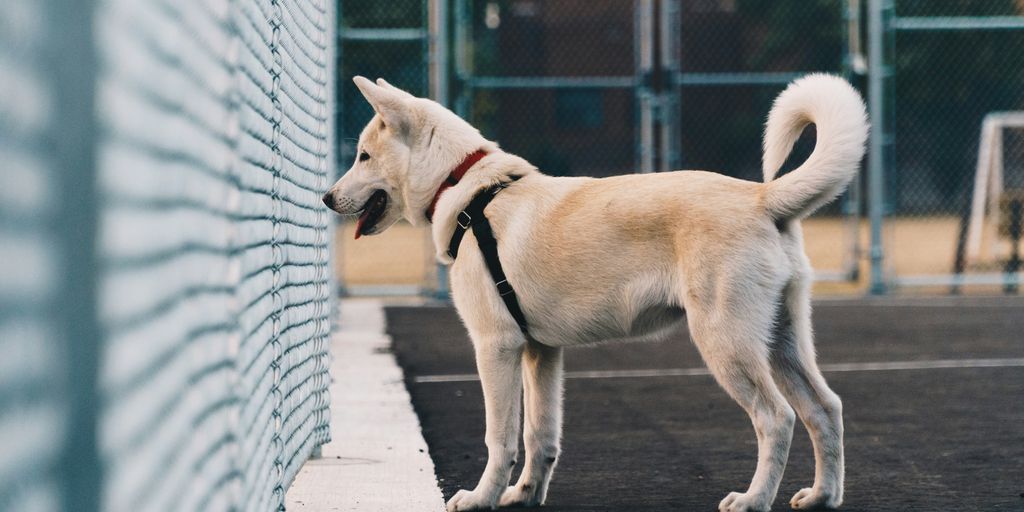
Sometimes, even with the best intentions and a lot of effort, you might find yourself needing a little extra help. That’s where professional trainers come in. They’ve seen a lot and know how to handle all sorts of doggy behaviors, especially those that pop up in a busy city. Finding the right trainer can make a huge difference in how you and your dog handle urban life. It’s not about admitting defeat; it’s about getting smart advice from someone who knows dogs inside and out.
Finding the Right Fit for Your Dog
When you’re looking for a trainer, think about what your dog needs. Are they a bit nervous? Do they get easily excited by other dogs? You want someone who understands your dog’s specific personality and challenges. Look for trainers who use positive methods – the kind that reward good behavior instead of punishing mistakes. This approach builds trust and makes training a more enjoyable experience for everyone. It’s a good idea to check out local training centers, like Raintown, which offers various classes taught by certified professionals. You can also ask other dog owners for recommendations. A good trainer will often offer an initial consultation to see if they’re a good match for you and your pup.
Understanding Behavior Modification Techniques
Trainers use different techniques to help dogs learn. Some common ones include counter-conditioning, which is about changing how your dog feels about something that usually makes them anxious, and desensitization, which means slowly getting your dog used to things that bother them. For example, if your dog barks at skateboards, a trainer might help you introduce them to skateboards from a distance, rewarding your dog for staying calm. They might also teach you specific games, like the "Look at That" game, to help your dog focus on you instead of the distraction. It’s all about making positive associations.
The Benefits of Specialized Classes
Beyond basic obedience, there are classes specifically designed for city dogs. Think about classes for dogs who are a bit reactive, or those that focus on building confidence in busy places. These specialized classes can be incredibly helpful. They provide a controlled environment where your dog can practice skills and learn to cope with common urban triggers, like traffic, crowds, or other animals. Plus, you’ll often meet other dog owners facing similar challenges, creating a supportive community. It’s a great way to learn new strategies and see how other people manage their dogs in the city.
Managing Reactive Behavior in Public
Dealing with a dog that reacts negatively to certain things in public can be tough, but it’s definitely manageable with the right approach. It’s not about forcing your dog to face their fears head-on, which can actually make things worse. Instead, it’s about understanding what sets them off and helping them feel more comfortable.
Identifying Triggers and Thresholds
First off, you need to figure out what makes your dog bark, lunge, or get really anxious. Is it other dogs? People in hats? Loud noises? Bikes? Keep a log of these situations. Note down what happened right before your dog reacted, how far away the trigger was, and what your dog did. This helps you understand their threshold – the point at which they start to get overwhelmed. Knowing this is key to preventing reactions before they happen. You want to keep your dog in a state where they can still learn and feel okay, not completely stressed out.
Counter-Conditioning Strategies
Once you know the triggers, you can start changing how your dog feels about them. This is called counter-conditioning. The basic idea is to pair the trigger with something really good, like a super tasty treat. For example, if your dog reacts to other dogs, you might see a dog at a distance where your dog notices but doesn’t react. As soon as your dog sees the other dog, you give them a treat. When the other dog is gone, the treats stop. The goal is to make your dog think, "Oh, that dog means good stuff is coming!" It takes time and patience, but it can really change their emotional response. You can find more information on managing your dog’s surroundings at managing your dog’s surroundings.
Maintaining Composure During Encounters
Even with training, sometimes you’ll still find yourself in a situation where your dog reacts. When this happens, try to stay calm yourself. Your dog can pick up on your stress. If you can, calmly move away from the trigger. Don’t punish your dog for reacting; they’re likely feeling scared or overwhelmed. Instead, focus on getting them to a quieter space. Sometimes, a quick U-turn or stepping behind a car can help create a little distance. Remember, every outing is a learning opportunity, and progress isn’t always linear. Celebrate the small wins, like a walk where your dog reacted less than usual.
Adapting Training to Your Dog’s Needs
Every dog is a unique individual, and what works wonders for one might not quite hit the mark for another. It’s like trying to find the perfect fit for a shoe; you can’t just grab any old pair. This is especially true when we’re talking about city living, which can throw a lot at our furry friends. We need to be flexible and really pay attention to our dog’s personality, their history, and what makes them tick.
Positive Reinforcement Beyond Food
While treats are often the go-to reward, they aren’t the only way to motivate your dog. Some dogs, especially those who are a bit stressed or have a lower food drive, might not be as excited about kibble or even high-value treats when there’s a lot going on. Think about what else your dog loves. Maybe it’s a favorite squeaky toy, a good game of tug, or even just some enthusiastic praise and a good scratch behind the ears. We need to find what truly makes our dogs happy and use that to our advantage. It’s about building that connection, not just trading behavior for food. Sometimes, a good play session after a successful walk can be more rewarding than any treat. It’s about understanding that pet trends often reflect our own needs for connection, and that applies to training too.
Building Trust Through Management
Management is a huge part of training, especially in a busy city. It means setting your dog up for success by controlling their environment and avoiding situations that might be too much for them. This isn’t about giving up; it’s about being smart and proactive. If your dog struggles with other dogs, you might plan your walks for quieter times or take routes that have fewer potential encounters. This doesn’t mean you’re hiding your dog away. It means you’re preventing them from practicing unwanted behaviors and building their confidence in a controlled way. When you manage the situation well, your dog learns that you’ve got their back, and that builds a really strong bond. It’s about being a reliable partner for your dog.
Celebrating Small Victories
Living in the city with a dog, especially one who might be a bit sensitive, can feel like a marathon. There will be days that are tough, and you might feel like you’re not making much progress. That’s why it’s so important to celebrate the small wins. Did your dog walk past a busy intersection without pulling excessively? That’s a win! Did they see another dog at a distance and remain calm? Huge win! We often get so focused on the end goal that we forget to acknowledge the steps along the way. Keep a little log or just make a mental note of these successes. It helps you see how far you’ve come and keeps your spirits up. Remember, every little bit of progress counts, and your dog is trying their best, just like you are.
Every dog is different, and what works for one might not work for another. Finding the right training approach means looking at your dog’s age, breed, and personality. We can help you figure out the best way to teach your furry friend. Visit our website to learn more about tailoring training to your dog’s unique needs!
Keep Practicing, Keep Celebrating
So, bringing your dog up in the city means a bit of extra work, for sure. You’ll have days where you feel like a total ninja, dodging distractions and finding those quiet spots. Other days might feel like a setback. But remember all the little wins. Did your dog walk past a loud truck without a peep? That’s a win. Did they ignore a squirrel that usually sends them into a frenzy? Big win. It’s all about progress, not perfection. Keep at it, stay patient with your furry friend, and don’t forget to celebrate those moments when things go right. You’re doing a great job, and your dog will thank you for it.
Frequently Asked Questions
What exactly is the ‘Look at That’ game?
The ‘Look at That’ game is a training method where you teach your dog to notice a distraction, like another dog or a skateboard, and then look back at you for a reward. It helps your dog focus on you instead of reacting to things in the city. You point out the distraction, say ‘Look at that,’ and when your dog looks at it and then looks back at you, you give them a treat. It’s like teaching them to say, ‘Oh, I see that, but I’m more interested in you!’
What does it mean to have a ‘ninja dog’ strategy?
A ‘ninja dog’ strategy means being super prepared and quick to avoid tricky situations. This could involve knowing the best times and routes to walk your dog to miss crowds, or having a plan to quickly move your dog out of the way if an unexpected distraction appears. Think of it as having secret escape routes and knowing how to disappear smoothly!
What is a ‘reactive dog’?
When a dog is ‘reactive,’ it means they overreact to certain things, like other dogs, people, or loud noises. They might bark a lot, lunge, or seem very stressed. It’s usually because they feel scared, unsure, or overly excited. The goal is to help them feel calmer and less bothered by these things.
How do I find a good trainer for my city dog?
Finding the right trainer is key! Look for someone who uses positive training methods and has experience with dogs in city environments or with reactive dogs. Ask about their experience, what methods they use, and if they offer classes specifically for city living or dogs that get easily overwhelmed. A good trainer will make you and your dog feel comfortable and confident.
Can I train my dog for the city without using food treats?
Yes, you can definitely train your dog without using food! Many dogs respond well to other rewards like praise, petting, a favorite toy, or a fun game of tug. The important thing is to figure out what motivates *your* dog. Some dogs might be more interested in playing or getting a good scratch than eating a treat, especially if they are excited or stressed.
Why is it important to celebrate small successes in training?
It’s important to celebrate every little success! If your dog calmly walked past a noisy bus, or didn’t bark at a squirrel, that’s a huge win! These small victories build up over time and show your dog that they can handle city life. Don’t get discouraged by setbacks; just keep practicing and cheering for your dog’s progress, no matter how small it seems.