
Thinking about hitting the road with your furry best friend for a marathon? It’s a big commitment, but with the right approach, you and your dog can conquer those miles together. This guide will walk you through everything you need to know, from picking the right gear to keeping your pup safe and happy on those long training runs. We’ll cover how to train a dog for a marathon, making sure both of you are ready for race day.
Key Takeaways
- Start slow and build mileage gradually, letting your dog get used to running. Don’t push them too hard, especially when they’re young or new to running.
- Choose gear that fits well and allows your dog to move freely, like a good harness and a hands-free leash system. Avoid collars that can cause choking.
- Use positive training methods with treats and praise to teach your dog commands and good running manners. Stop if they misbehave, and they’ll learn.
- Adjust your dog’s diet to match their increased energy needs, focusing on protein and fat. Always make sure they have plenty of water, especially on hot days.
- Watch your dog closely for signs of tiredness or overheating, and protect their paws from rough surfaces or hot pavement. Know your breed’s specific health risks.
Preparing Your Canine Companion for Marathon Training
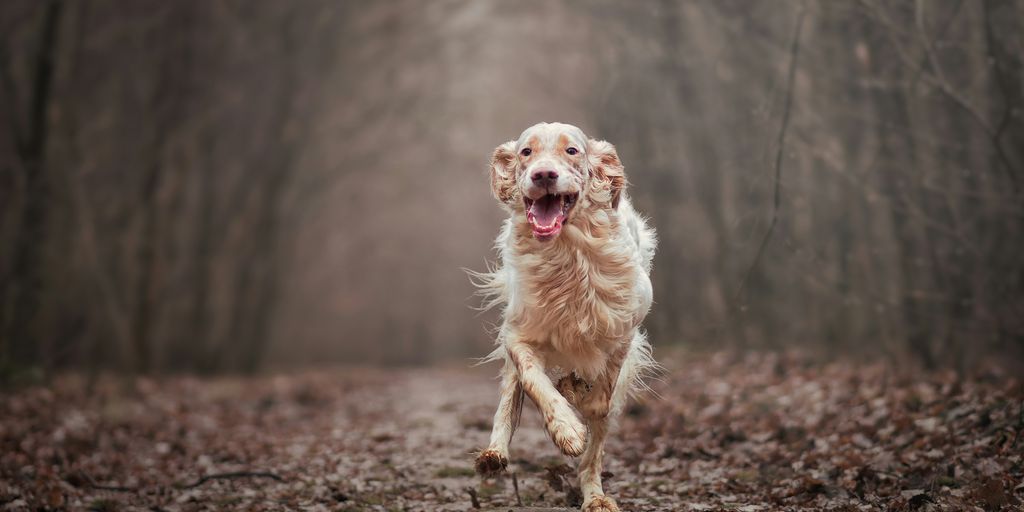
Getting your dog ready for marathon training isn’t just about lacing up your shoes and hitting the pavement. It requires a thoughtful approach to make sure your furry friend is up for the challenge and stays healthy. Think of it like preparing yourself – you wouldn’t jump into a marathon without building up your mileage, right? Your dog needs the same gradual introduction to endurance running.
Assessing Breed Suitability for Endurance Running
Not all dogs are built for long-distance running. Some breeds, due to their physical structure, are better suited for shorter bursts of activity. For instance, brachycephalic (short-nosed) breeds like Pugs and Bulldogs can have trouble breathing and cooling down, making them less ideal for intense, prolonged exercise. Similarly, very large or barrel-chested dogs might be at a higher risk for conditions like bloat, especially if they exercise too soon after eating. On the flip side, many working breeds and herding dogs, such as German Shepherds, Border Collies, and Vizslas, often have the energy and stamina for longer runs. It’s important to research your specific breed’s characteristics and limitations. Even within a breed, individual dogs can vary; a Puggle with a longer snout and legs might handle running better than a typical Pug. Understanding your dog’s natural capabilities is the first step. You can find more information on dog running suitability.
Gradual Mileage Buildup for Optimal Conditioning
Once you’ve determined your dog is a good candidate, the key is to start slow and build up gradually. Don’t expect your dog to run miles right away. Begin with short, easy runs, perhaps just a mile or two, and focus on establishing a comfortable pace. Pay attention to your dog’s signals – are they lagging, panting excessively, or showing signs of fatigue? If so, it’s time to shorten the run or take a break. Over weeks and months, you can slowly increase the distance and duration of your runs. A common guideline is to increase mileage by no more than 10% per week. This slow progression helps build muscle, improve cardiovascular health, and prevent injuries. Remember, consistency is more important than intensity when you’re starting out.
Understanding Age and Growth Plate Considerations
Age plays a significant role in a dog’s ability to handle strenuous exercise. Puppies, especially those of larger breeds, have growth plates that are still developing. Running too much or too intensely before these plates have closed can lead to serious, long-term joint damage. Generally, it’s advised to wait until a dog is fully grown, which can be anywhere from 12 to 24 months depending on the breed, before starting serious marathon training. Even then, older dogs might need more rest days and shorter runs. Always consult with your veterinarian if you have concerns about your dog’s age and readiness for training.
Essential Gear for Your Running Partner
Getting the right gear for your dog is super important when you start training for longer distances. It’s not just about having a leash; it’s about making sure both of you are safe and comfortable. Think of it like you picking out your best running shoes – your dog needs their own specialized equipment.
Choosing the Right Harness and Leash System
Forget clipping a leash to your dog’s collar, especially for marathon training. A collar can put too much pressure on their neck, and honestly, a determined dog could slip out of it. A good harness distributes the pressure across their chest and back, which is way better for their body and keeps them securely attached. Look for harnesses designed for running, often with a front and back clip option. This gives you more control, especially if your dog tends to pull. A well-fitting harness is the foundation of safe running.
Considering Paw Protection for Varied Terrains
Your dog’s paws are going to take a beating on those long miles. Depending on where you run – pavement, trails, gravel – their paws can get rough, blistered, or even cut. For really tough surfaces or if you notice your dog lifting their paws a lot, consider some dog booties. They might seem a bit silly at first, but they can really save your dog from a lot of pain. It’s worth trying a few different types to see what fits best and what your dog tolerates. You can find some great options at places that specialize in dog running gear.
The Benefits of a Hands-Free Leash Setup
When you’re covering serious mileage, you want your hands free to pump your arms and maintain your own balance. A hands-free leash system, often worn around your waist, is a game-changer. It attaches to the harness and allows your dog to run comfortably beside you without you having to hold onto a leash. This setup gives you more freedom of movement and can actually help you run more efficiently. Plus, it’s easier to manage your dog’s pace and direction when your hands are completely free. It really makes a difference on those longer training days.
Training Techniques for Marathon Success
Getting your dog ready for marathon training is a big step, and how you approach the actual running sessions makes a huge difference. It’s not just about putting on a leash and hitting the pavement; it’s about building a partnership and teaching your dog the ropes of consistent, enjoyable running.
Implementing Positive Reinforcement for Behavior
Forget old-school methods that rely on fear. Modern training focuses on making running a positive experience for your dog. This means rewarding good behavior with treats and praise. If your dog is pulling ahead or getting too excited, a simple pause in your stride can work wonders. Your dog will eventually learn that staying with you means the run continues, and they’ll be much happier doing it. Consistency and patience are your best friends here.
Managing Sniffing and Distractions on the Run
Dogs naturally want to sniff; it’s how they gather information about the world. While this is great on a casual walk, it can disrupt your running rhythm. The trick is to gradually reduce sniffing time. Allow some sniffing at the start of your run, but then encourage your dog to focus on moving forward. Running in the middle of wider paths can also help minimize distractions from the sides. Over time, your dog will learn to associate running time with forward motion.
Teaching Essential Running Commands
Clear communication is key. You’ll want to teach your dog a few basic commands specifically for running. These might include ‘wait’ for stops, ‘left’ or ‘right’ for turns, and ‘easy’ or ‘slow’ to manage pace. Practicing these commands in a controlled environment before hitting longer distances will make your runs much smoother. A well-trained dog is a safer and more enjoyable running partner. You can find some great tips on training techniques at running with your dog.
Building these skills takes time, so don’t get discouraged if your dog doesn’t pick them up immediately. Celebrate small victories and keep the training sessions fun and rewarding. Remember, the goal is to create a happy, healthy running team.
Nutrition and Hydration for the Canine Athlete
Feeding your dog right is super important when they’re training for something big like a marathon. It’s not just about giving them more food; it’s about giving them the right kind of fuel. Dogs process food differently than we do, and running too soon after a big meal can cause some serious tummy troubles, like bloat, which can be really dangerous. You’ll want to wait at least two hours after they eat before hitting the trail, and give them an hour to chill after the run before their next meal.
Optimizing Diet for Increased Energy Demands
Think of your dog like a car – they need premium fuel for peak performance. As mileage increases, so does their need for calories, protein, and fat. Many regular dog foods just won’t cut it. Look for a food specifically made for active dogs, often labeled as ‘performance’ or ‘active’ formulas. These usually have a higher protein and fat content. A good starting point is a food with around 30% protein and 20% fat. This helps them build and repair muscle and provides the energy they need to go the distance. It’s amazing how much better they feel and perform when they’re on the right diet. We found that switching to a denser food meant we didn’t have to feed as much, which was a nice surprise.
Timing Meals Around Training Sessions
When you feed your dog matters. As mentioned, avoid feeding them right before or immediately after a run. A good rule of thumb is to feed them at least two hours before a long run and wait an hour after the run to feed them. This gives their body time to digest and recover properly. Smaller, easily digestible snacks might be okay closer to a run if needed, but always observe your dog’s reaction. Some dogs do better with a larger meal the night before a long run to top off their energy stores.
Ensuring Adequate Hydration During Runs
Staying hydrated is just as critical as the food they eat. For shorter runs, they might be okay with just water before and after, but for marathon training, you absolutely need to carry water for them on longer outings. A collapsible bowl is handy, or you can even learn to give them water directly from the bottle. Don’t forget that electrolytes are lost through sweat too. While plain water is usually sufficient, for very long or hot runs, you might consider adding a bit of unsweetened bone broth to their water or food for a natural electrolyte boost. Always offer water frequently during runs, especially in warmer weather. Dogs can’t tell you when they’re thirsty, so you have to be proactive about it.
Safety and Health Considerations During Training
When you’re getting ready for a marathon with your dog, keeping them safe and healthy is the absolute top priority. Dogs can’t tell us when they’re feeling off, so it’s up to us to watch for the signs. Paying close attention to your dog’s physical state is key to preventing injuries and heat-related issues.
Monitoring for Signs of Fatigue and Overheating
Dogs push themselves, sometimes even when they’re tired or too hot. You need to be their eyes and ears. Look for things like slowing down, panting way more than usual, or them trying to stop and lie down. If you see any of these, it’s time to call it a day for that run. Remember, temperatures above 80 degrees Fahrenheit can be tough on dogs, especially those with shorter snouts or darker coats. It’s better to be safe than sorry, so don’t push them if the weather is too warm. You can find more tips on handling overheating and injuries at this run recipes.
Protecting Paws from Environmental Hazards
Your dog’s paws take a beating on long runs. You’ve got to check them during and after your run. Things like foxtails, burrs, glass, or even rough pavement can cause serious damage. Barbed weeds can work their way into the skin, sometimes needing surgery to remove. It’s a good idea to get into the habit of checking inside their nose, ears, between their toes, and on their belly. If you’re running on really rough ground, consider getting some dog booties. They might take some getting used to, but they can save a lot of pain later.
Recognizing Breed-Specific Health Risks
Every dog is different, and some breeds have specific health concerns that can affect their ability to run. For example, dogs with short snouts, like Pugs or Bulldogs, have a harder time breathing and cooling themselves down. Larger breeds with deep chests, such as German Shepherds or Boxers, are at risk for bloat, a serious condition where their stomach twists. This can happen if they exercise too soon after eating or drinking. Always let your dog rest after meals before heading out for a run. Knowing your dog’s breed and its potential health issues is a big part of responsible training.
Route Planning and Environmental Awareness
Planning your running routes with your dog is about more than just distance; it’s about creating a safe, enjoyable, and effective training experience for both of you. Thinking ahead about where you’ll run and what the environment is like can make a huge difference.
Selecting Appropriate Running Surfaces
Not all ground is created equal when it comes to canine paws. Hard surfaces like asphalt can be tough on your dog’s joints and paws, especially over long distances. Softer surfaces like packed dirt trails, grass, or even sand (if your dog is accustomed to it) are generally much kinder. Varying your surfaces can also help build strength and resilience in your dog’s feet and legs. If you know you’ll be on a harder surface for a portion of your run, consider using dog booties for protection. It’s a good idea to introduce new surfaces gradually, just like you would increase mileage. You want to avoid anything too rocky or with sharp debris that could cause injury. Finding safe routes is a big part of running with your dog.
Managing Waste Disposal on Longer Runs
Nobody likes carrying around dog waste longer than they have to. For shorter runs, it’s simple enough to carry a few bags. But on marathon training runs, this becomes a real logistical challenge. A good strategy is to map out your route with public trash cans in mind. Plan your longer runs to pass by areas where you know you can dispose of waste. This way, you’re not stuck with a smelly bag for miles. Some runners even use specialized waste bag carriers that clip onto their waist or leash, but simply planning your route around disposal points is often the easiest solution.
Adapting to Weather Conditions
Weather plays a massive role in how your dog handles a run. On hot days, you need to be extra careful. Running early in the morning or late in the evening when it’s cooler is a must. Look for shaded paths or routes that include water access, like a creek or lake, where your dog can cool off. If temperatures are extreme, consider cutting the run short or opting for an indoor activity. In cold weather, while dogs generally tolerate it better than heat, you still need to be mindful. Some dogs might benefit from a dog coat, especially shorter-haired breeds. Always check the paw pads for ice balls or cracking, and be aware of salt or chemicals used on roads and sidewalks, which can be harmful.
When planning your adventures, think about how your actions might affect the environment. Choosing eco-friendly routes and being mindful of nature helps keep our planet healthy for everyone. Want to learn more about making responsible travel choices? Visit our website for tips on planning greener trips!
Hitting the Pavement with Your Pup
So, you’ve made it through the guide! Training your dog for longer runs takes time and patience, kind of like training yourself. Remember to start slow, pay attention to your dog’s signals, and always put their safety first. It’s not about breaking records, it’s about enjoying the miles together. Whether you’re aiming for a marathon or just a few extra miles on the weekend, running with your dog can be a really great experience. Keep up the good work, and happy trails to you and your furry friend!
Frequently Asked Questions
When is the right time to start running with my dog?
It’s best to wait until your dog is almost fully grown before starting regular running. For smaller breeds, this might be around nine months, but larger breeds like German Shepherds might need up to a year or more. Running too early can harm their developing bones and joints, potentially causing lasting problems.
How should I adjust my dog’s diet and feeding schedule for running?
You’ll want to feed your dog at least two hours before a run and wait about an hour after running to give them their next meal. This helps prevent stomach issues like bloat, which can be serious. For active dogs covering more miles, consider a food with higher protein and fat content, around 30% protein and 20% fat, to give them the energy they need.
How do I gradually build up my dog’s running distance?
Start with short, easy runs, maybe 10-30 minutes, with walk breaks included. Gradually increase the distance and time over several weeks. Think of it like building up your own running mileage – you wouldn’t go from couch to marathon overnight, and your dog shouldn’t either. Pay attention to how your dog is doing and don’t push them too hard.
What are the signs my dog is getting too tired or hot during a run?
You need to watch your dog closely for signs of getting too tired or overheated. If your dog starts slowing down a lot, is panting much harder than usual, or tries to lie down, it’s time to stop running. Dogs can’t tell you when they’re struggling, so you have to be their eyes and ears. Avoid running in very hot weather (above 80°F) as dogs can overheat easily.
What kind of leash and harness is best for running with my dog?
A comfortable, well-fitting harness is usually best, as it won’t put pressure on their neck like a collar can. For leash systems, a hands-free leash that attaches to your waist can be great for keeping your hands free and maintaining a steady pace. Make sure the leash isn’t too long, so you can easily control your dog and keep them close by your side.
Should I teach my dog specific commands for running?
Yes, you should teach your dog basic commands for running. Useful commands include ‘run,’ ‘stop,’ ‘easy’ (to slow down), ‘speed up,’ ‘leave it’ (to ignore distractions), and ‘sidewalk’ or ‘street’ to guide them. Using positive reinforcement, like treats and praise, when they follow commands will help them learn quickly.