
Training a dog not to bite can feel like a big task, but with the right steps, it’s totally doable. Puppies, just like kids, are curious and learning about their world, and sometimes that means using their mouths a bit too much. This guide will walk you through understanding why puppies bite and how you can teach them to keep those teeth to themselves. Whether it’s through positive reinforcement, socialization, or knowing when to call in a pro, we’ve got you covered. Let’s dive into some straightforward strategies that’ll help your pup grow into a well-behaved dog.
Key Takeaways
- Puppies bite out of curiosity, teething, or to get attention. Understanding why helps in addressing the behavior.
- Positive reinforcement works wonders. Reward your pup for good behavior and be consistent with training.
- Socialization is key. Dogs learn a lot from playing with others, which helps them control their bite.
- Redirecting their energy with toys and structured play can prevent biting incidents.
- If biting persists, seek help from a certified trainer to address specific issues.
Understanding the Root Causes of Puppy Biting
Puppy biting is a common issue that many new dog owners face. Let’s explore the root causes to better manage this behavior.
Exploration and Curiosity
Puppies are naturally curious creatures. They explore their world through their mouths, much like human babies do. This is their way of learning about their environment. Biting is often just a puppy’s way of saying, "What’s this?" It’s crucial to guide them gently towards understanding what’s okay to nibble on and what’s not.
Teething and Discomfort
Just like us, puppies go through teething phases. This can be uncomfortable and even painful for them. Chewing on things can relieve some of that discomfort. Providing appropriate chew toys can help ease their pain and save your furniture from becoming a teething ring.
Attention-Seeking Behavior
Sometimes, puppies bite because they want your attention. If they learn that biting gets a reaction from you, even if it’s negative, they’ll keep doing it. It’s important to not reinforce this behavior. Instead, ensure they get plenty of positive attention when they’re behaving well.
Anxiety and Fear
Puppies can also bite when they’re scared or anxious. New environments, loud noises, or unfamiliar people can all trigger this. Recognizing when your puppy is feeling uneasy and providing comfort can help reduce biting incidents.
Understanding why your puppy bites is the first step in addressing the behavior. By identifying the cause, you can tailor your approach to meet your puppy’s needs.
Implementing Positive Reinforcement Techniques

Training your dog not to bite can be a rewarding experience for both you and your furry friend. Positive reinforcement is all about encouraging good behavior by rewarding it, rather than punishing bad behavior. Here’s how you can make it work:
Rewarding Good Behavior
When your puppy does something right, like sitting calmly or playing gently, make sure to reward them immediately. This helps them associate the good behavior with positive outcomes. You can use treats, toys, or even a happy tone of voice. The key is to be consistent so your dog knows exactly what earns them a reward.
Using Treats and Praise
Treats are a great motivator for dogs. Pair them with verbal praise to reinforce the behavior you want to see more of. For instance, if your dog refrains from biting during play, give them a treat and say something like "Good job!" This combination of treats and praise can be very effective in training a puppy not to bite.
Consistency in Training
Consistency is crucial in any training regimen. Make sure everyone in the household is on the same page and using the same commands and rewards. This uniformity helps your dog learn faster and reduces confusion. If you’re consistent, your dog will know exactly what to expect and what is expected of them.
Avoiding Negative Reinforcement
Negative reinforcement, like yelling or physical punishment, can lead to fear and anxiety in dogs. Instead, focus on redirecting their attention to something positive. For example, if your puppy starts to bite, calmly offer them a chew toy instead. This teaches them what they can chew on without instilling fear or aggression.
Remember, training takes time and patience. Celebrate small victories and keep a positive attitude. Your dog will pick up on your energy and respond better to training when it feels like a fun, rewarding experience.
Socialization and Bite Inhibition
Learning from Littermates
Puppies naturally learn bite inhibition from their littermates and mother. When a puppy bites too hard during play, the littermate will yelp and stop playing, teaching the puppy that biting too hard ends the fun. This natural lesson is crucial for developing gentle mouthing behavior. Without this early socialization, a puppy might need extra guidance to understand how to play gently.
Controlled Socialization
Socializing your puppy in a controlled environment helps them learn appropriate behavior with other dogs and humans. Start with calm and friendly dogs to ensure positive interactions. Gradually introduce your puppy to different settings and situations, allowing them to adapt to new experiences without feeling overwhelmed.
Teaching Gentle Play
Encourage gentle play by using toys to interact with your puppy. If they bite too hard, let out a high-pitched "Ouch!" to mimic how their siblings would react. Immediately stop the play if they continue biting, reinforcing that biting ends the fun. Consistency in this approach helps them learn boundaries.
Recognizing Overstimulation
It’s important to recognize when your puppy is overstimulated, which can lead to biting. Signs include flattened ears, rapid breathing, and a tense body. When you notice these signs, it’s best to give your puppy a break from play. This helps them calm down and reduces the likelihood of biting incidents.
Redirecting and Managing Playtime
Providing Appropriate Chew Toys
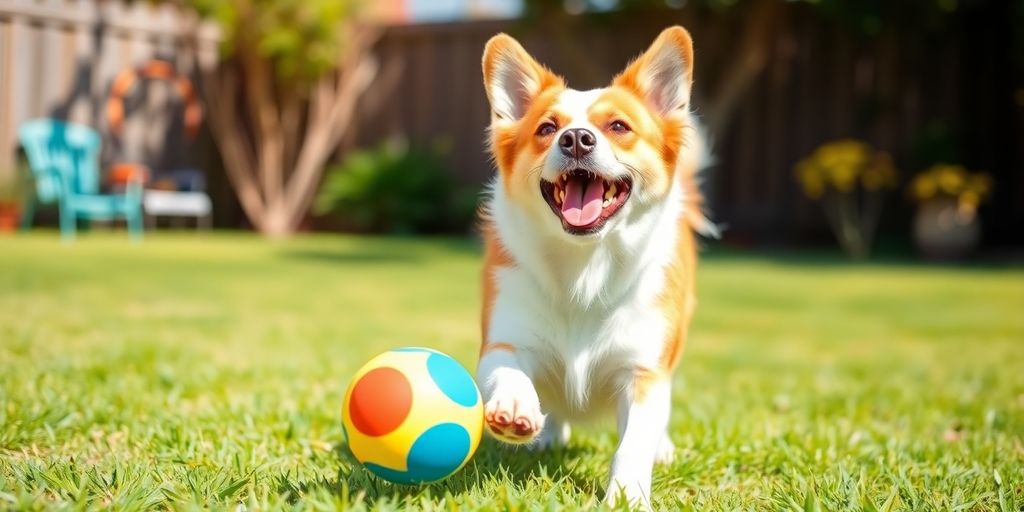
When it comes to managing a puppy’s biting habits, offering a variety of chew toys is a game-changer. Puppies have a natural urge to chew, especially during teething. Safe and durable toys not only help satisfy this urge but also protect your furniture and fingers. Opt for toys that can be frozen; the coolness can soothe your puppy’s sore gums. Make sure the toys are appropriately sized for your puppy to prevent any choking hazards.
Structured Play Sessions
Organizing play sessions can help manage your puppy’s energy and reduce unwanted biting. Set aside time each day for structured play. This isn’t just a free-for-all; it’s a chance to teach your puppy how to interact properly. Use this time to introduce games that encourage good behavior, like fetch or tug-of-war, but always ensure the play remains calm and controlled.
Interactive Toys and Games
Interactive toys are great for keeping your puppy engaged and mentally stimulated. Puzzle toys that dispense treats can keep a puppy busy and focused, reducing the likelihood of biting out of boredom. Consider rotating toys to keep things fresh and exciting for your pup.
Recognizing Signs of Overexcitement
It’s important to know when your puppy is getting too excited. Overexcitement can lead to biting, so watch for signs like rapid breathing, tense body, or flattened ears. When you spot these, it’s time to take a break. Let your puppy calm down before resuming play. This not only prevents biting but also teaches your puppy to manage their own excitement levels.
Puppies thrive on routine and structure. By providing them with the right toys and managing their playtime effectively, you can guide them towards more acceptable behaviors and create a more harmonious home environment.
Seeking Professional Help When Needed
Identifying When to Seek Help
Sometimes, despite all your efforts, your puppy’s biting behavior might seem out of control. You might notice that your dog is not responding to basic training techniques or that the biting is linked to other behavioral issues like anxiety or aggression. If your dog’s biting becomes a persistent problem, it may be time to seek professional assistance.
Choosing a Certified Trainer
Finding the right trainer can make a world of difference. Look for someone with certifications and a good reputation. A certified trainer can assess your dog’s behavior and provide insights that you might not have considered. Here’s a quick checklist to help you choose:
- Verify their certifications and training methods.
- Check reviews or ask for references.
- Ensure they use positive reinforcement techniques.
Tailored Training Plans
Professional trainers can offer customized training plans that address the root causes of biting, such as teething, fear, or other underlying factors. These plans are designed to meet the specific needs of your dog, ensuring a more effective training process.
Addressing Underlying Issues
Sometimes, biting is a symptom of a deeper problem. A professional can help identify these issues, whether they are medical or behavioral. They can work alongside veterinarians if needed, ensuring that all aspects of your dog’s health are considered.
"When your dog’s behavior signals something more serious, it’s wise to consult professionals who can provide the necessary care and attention."
Remember, seeking help is not a sign of failure but a step towards a happier, healthier relationship with your furry friend.
Creating a Safe and Structured Environment
Puppy-Proofing Your Home
Puppy-proofing is a must if you want to create a safe home for your new furry friend. Start by getting down to their level and looking around. You’ll be surprised at what they might find interesting—and potentially dangerous. Remove small objects that can be swallowed, secure electrical cords, and ensure cleaning supplies are out of reach. Think of it like baby-proofing, but for a curious puppy!
Establishing Boundaries
Setting boundaries is key to a harmonious home. Decide on areas where your dog is allowed and where they aren’t. Use baby gates or dog barriers to keep them out of places like the kitchen or the baby’s room. It’s not about being mean; it’s about keeping everyone safe. Consistency is important here, so make sure everyone in the household knows the rules.
Designating Play Areas
Dogs need their own space to play and relax. Designate a spot in your home where they can have their toys, bed, and maybe even a crate. This area will become their safe haven, a place where they know they can chill out without any stress. It’s also a great way to teach them where they can and can’t go.
Monitoring Interactions
Keep an eye on how your dog interacts with family members and visitors. Not every dog is comfortable with strangers, and some might get anxious or overexcited. Watch for signs of stress or discomfort, like growling or hiding. If you notice these behaviors, give your dog some space and time to calm down. This not only keeps them safe but also prevents any unwanted incidents.
Understanding and Responding to Body Language
Recognizing Stress Signals
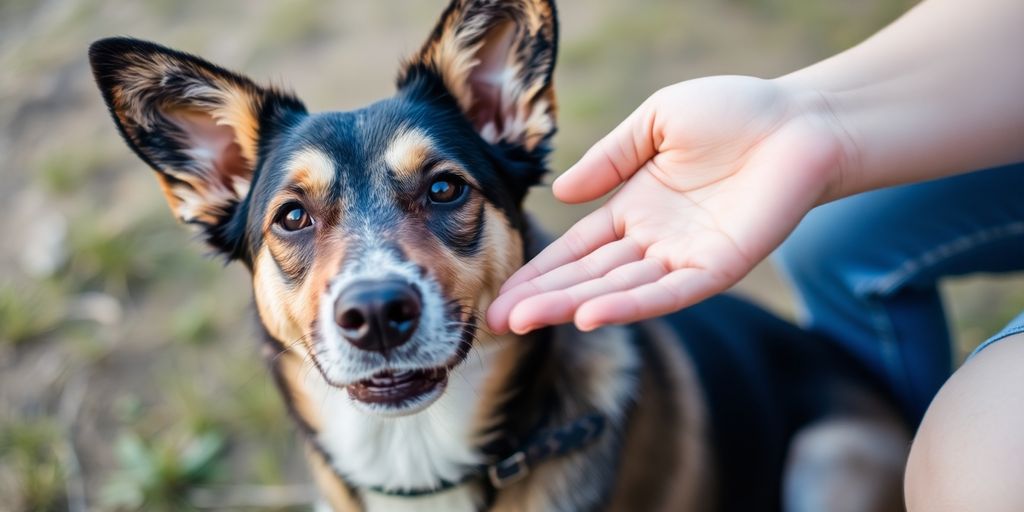
Dogs communicate a lot through their body language, and recognizing stress signals is key to preventing biting incidents. Some signs to watch for include:
- Tail between legs: This usually indicates fear or submission.
- Lip licking and yawning: These can be signs of anxiety or discomfort.
- Ears flattened: Often a sign that a dog is feeling threatened or uneasy.
Understanding these cues can help you manage situations before they escalate.
Calming Techniques
Once you’ve identified that a dog is stressed, there are several techniques you can use to help calm them down:
- Provide space: Allow the dog to retreat to a safe area where they feel secure.
- Speak softly: A gentle voice can be reassuring and help ease a dog’s anxiety.
- Offer a distraction: Sometimes a favorite toy or treat can redirect their focus.
These methods can be particularly effective in reinforcing calm, stationary behaviors in puppies to prevent nipping.
Preventing Biting Incidents
Preventing bites involves a proactive approach:
- Educate children about dog body language. Kids should know when a dog needs space and how to interact safely.
- Supervise interactions between dogs and young children closely.
- Avoid sudden movements or loud noises that might startle a dog.
By being aware of these strategies, you can create a safe environment for both your dog and your family.
Building Trust and Confidence
Building a trusting relationship with your dog takes time and patience. Here are some tips:
- Consistent training: Use positive reinforcement to encourage good behavior.
- Routine: Dogs thrive on routine, so try to keep feeding, walking, and playtimes consistent.
- Respect their space: Allow your dog to have their own space where they can relax and feel secure.
"Building trust with your dog is like growing a garden. It requires patience, nurturing, and a lot of love."
In conclusion, understanding and responding to your dog’s body language not only helps prevent biting incidents but also strengthens the bond you share with your furry friend.
Understanding body language is key to better communication. It helps us see what others are feeling without words. When you notice someone’s gestures or expressions, you can respond in a way that shows you care. Want to learn more about how to read body language and improve your interactions? Visit our website for tips and resources!
Wrapping It Up: Your Journey to a Bite-Free Pup
So, there you have it. Training your dog not to bite isn’t something that happens overnight, but with patience and consistency, you’ll get there. Remember, it’s all about setting clear boundaries and sticking to them. Use positive reinforcement to reward good behavior and don’t forget to give your pup plenty of appropriate chew toys. If things get tough, don’t hesitate to reach out to a professional for guidance. Every dog is different, and sometimes a little extra help can make all the difference. Keep at it, and soon enough, you’ll have a well-mannered, bite-free companion by your side. Good luck!
Frequently Asked Questions
How can I quickly teach my puppy to stop biting?
The key is being consistent. Always redirect your puppy’s biting to a toy, ignore them when they bite, and reward them for chewing on appropriate items. This helps them learn faster.
Will my puppy naturally outgrow biting?
Puppies do tend to bite less as they grow and learn social cues. However, training is important to teach them human boundaries and ensure they develop good bite inhibition.
What are some additional tips for managing puppy biting?
Make sure to puppy-proof your home to reduce biting chances, be patient as learning takes time, and consider seeking help from a certified dog trainer if needed.
Why does my puppy bite so much?
Puppies use their mouths to explore the world. Biting is often a form of play, teething, or a way to get attention, and it’s rarely aggressive. Understanding this helps you respond calmly.
How do I discipline a puppy that bites?
Instead of harsh discipline, use gentle guidance. Redirect their biting to a toy, and if they persist, give them a short time-out to show that biting ends playtime.
When should I seek professional help for my puppy’s biting?
If your puppy’s biting doesn’t improve with consistent training or if it seems aggressive, it might be time to consult a certified dog trainer or behaviorist for personalized advice.