
Training your dog to be calm, no matter the chaos around, can be a game-changer. It’s not just about having a well-behaved pet, but also about creating a peaceful environment for both of you. This guide is packed with tips and tricks to help you achieve that calmness. From understanding what makes your dog tick to using the right training techniques, we’ve got you covered. Let’s dive into the world of dog calmness and make life a little more serene.
Key Takeaways
- Understanding your dog’s triggers is the first step to training them to be calm.
- Creating a calm environment at home can significantly reduce your dog’s anxiety.
- Consistent training using positive reinforcement can teach your dog to stay calm.
- Socializing your dog with new experiences helps them remain composed in different situations.
- Addressing specific anxieties like separation or noise phobia is crucial for long-term calmness.
Understanding Canine Calmness
The Science Behind a Calm Dog
Ever wonder why some dogs seem naturally chill while others are a bundle of nerves? It all starts in the brain. Dogs, like humans, have neurotransmitters that affect mood and behavior. Serotonin, often called the "happy chemical," plays a big role in keeping dogs relaxed. When serotonin levels are balanced, dogs tend to be more at ease. On the flip side, low levels can lead to anxiety and stress.
Common Triggers of Anxiety in Dogs
Dogs can get anxious for a bunch of reasons. Some common triggers include:
- Loud noises like thunderstorms or fireworks
- Changes in their environment, like moving to a new home
- Being left alone for long periods
Recognizing these triggers is key to helping your dog stay calm. Sometimes, it’s about managing the environment to reduce exposure to these stressors.
The Role of Breed and Temperament
Not all dogs are created equal when it comes to staying calm. Some breeds are naturally more laid-back, while others are high-energy and easily excitable. For instance, breeds like the Labrador Retriever and Basset Hound are known for their calm demeanor. On the other hand, breeds like the Jack Russell Terrier can be more hyperactive.
But it’s not just about breed. Individual temperament matters too. A dog’s personality can be shaped by their experiences, training, and even the bond they share with their owner. Understanding your dog’s unique traits can help you tailor your approach to keeping them calm.
Dogs, much like people, have their own personalities and quirks. Embracing these differences can lead to a more harmonious relationship and a more serene environment for both you and your furry friend.
For those involved in dog training for competitions, understanding these aspects can make a huge difference in how you approach training sessions. It’s all about clear communication and establishing trust, which is crucial for both everyday calmness and high-pressure situations.
Creating a Calm Environment
Setting Up a Safe Space
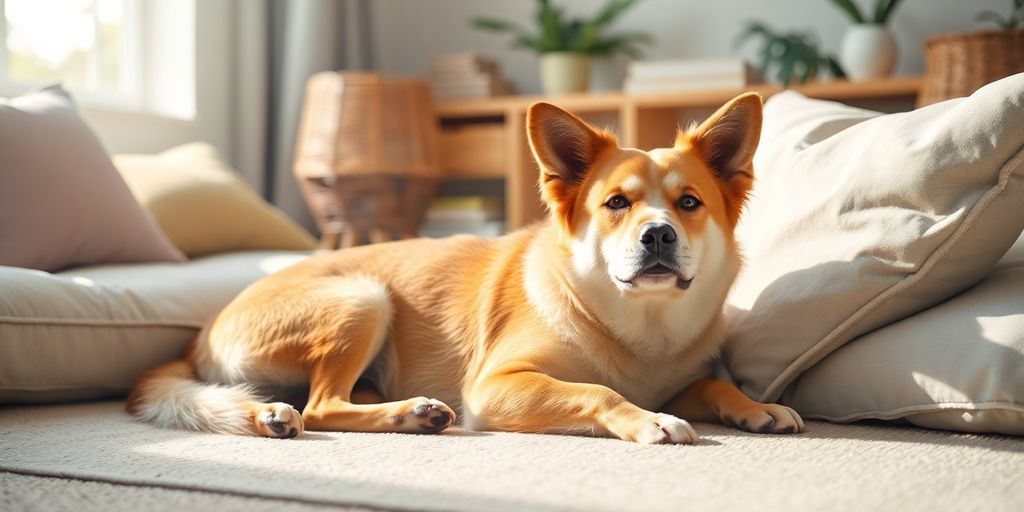
Creating a safe place for dogs is the first step in ensuring they feel secure and relaxed. Start by choosing a quiet corner of your home, away from the hustle and bustle, where your dog can retreat. This space should be comfortable, with a cozy bed and their favorite toys. Make sure there’s easy access to food and water, and consider adding calming scents like lavender. The goal is to make this area a sanctuary where your dog can unwind and feel at ease.
The Importance of Routine
Dogs thrive on consistency. Establishing a routine helps your dog know what to expect, reducing anxiety and stress. Feed them at the same times each day, and stick to a regular schedule for walks and playtime. This predictability can be incredibly soothing for dogs, making them feel more secure in their environment.
Using Calming Aids and Tools
Sometimes, dogs need a little extra help to stay calm. Calming aids like pheromone diffusers, anxiety wraps, or even soothing music can make a big difference. These tools can be especially useful during stressful times, like thunderstorms or fireworks. It’s important to find what works best for your dog and incorporate it into their daily routine to maintain a peaceful environment.
Creating a calm environment for your dog is not just about the physical space but also about establishing a routine and using tools that help them feel secure. Remember, a calm dog is a happy dog.
Training Techniques for Calmness
Positive Reinforcement Strategies
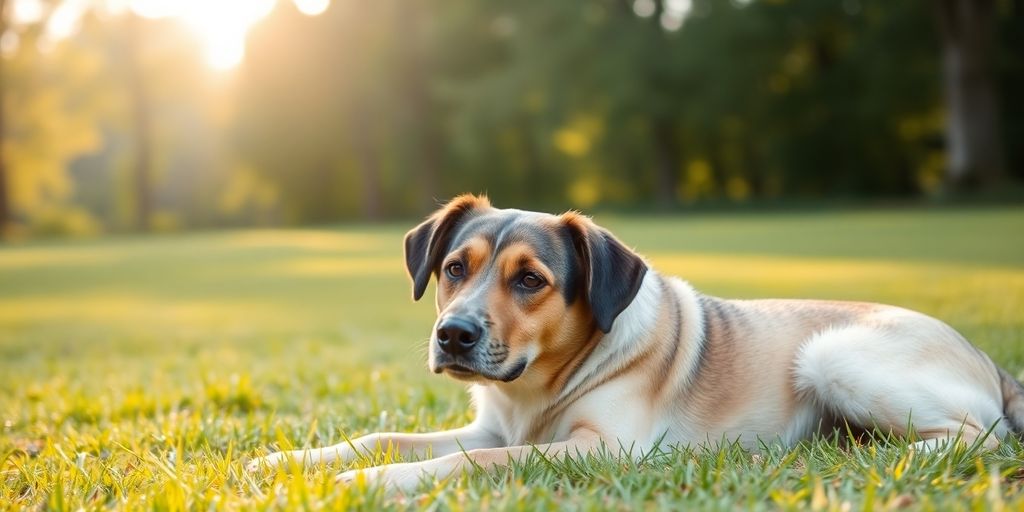
Positive reinforcement is all about rewarding your dog for displaying calm behavior. When your dog is lying down or sitting quietly, you can reinforce calm behavior by rewarding them with treats. This encourages a peaceful atmosphere at home. Here’s how you can start:
- Identify calm behaviors you wish to encourage, like sitting or lying down quietly.
- Use treats or praise immediately when your dog shows these behaviors.
- Be consistent. Over time, your dog will associate calmness with positive outcomes.
Desensitization and Counterconditioning
Desensitization involves gradually exposing your dog to a trigger at a low intensity so they can get used to it without anxiety. Counterconditioning pairs this exposure with something positive, like a treat. Here’s a step-by-step guide:
- Identify the trigger that causes anxiety in your dog.
- Introduce the trigger at a distance or intensity that doesn’t provoke a response.
- Reward your dog with treats or praise when they remain calm.
- Gradually increase the intensity of the trigger while continuing to reward calm behavior.
The Power of Consistency
Consistency is key in training. It’s a marathon, not a sprint. Celebrate small victories and remember that progress isn’t always linear. Some days will be better than others, and that’s perfectly normal. Here are some tips:
- Stick to your training routine. Dogs thrive on routine, and knowing what to expect helps them stay calm.
- Use the same commands and rewards every time to avoid confusion.
- Be patient. Training takes time, and every dog learns at their own pace.
Training your dog to be calm is a journey that requires patience and persistence. By using positive reinforcement, desensitization, and maintaining consistency, you’ll set your dog up for a lifetime of calmness and happiness.
Socialization and Exposure
Introducing Your Dog to New Experiences
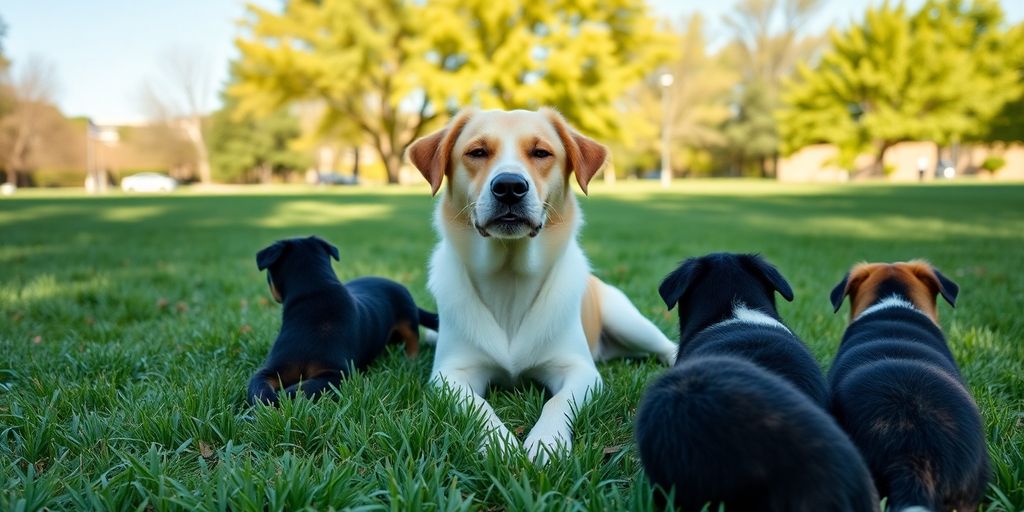
Getting your dog used to new experiences is like teaching a kid to ride a bike. Start small and slow. Introduce your pup to different sights, sounds, and smells in a controlled environment. Begin with familiar places, then gradually move to more challenging settings. Think of it as a step-by-step adventure—first, a quiet park, then maybe a busier street. This helps your dog build confidence without feeling overwhelmed. Remember, patience is key.
Managing Interactions with Other Dogs
When it comes to doggy meet-and-greets, not every pooch is a social butterfly. Some dogs need a more structured approach to playdates. Here’s a simple plan:
- Choose a neutral location for introductions, avoiding either dog’s territory.
- Keep initial meetings short and sweet.
- Watch for signs of discomfort, like tail tucking or growling.
- Use positive reinforcement to reward calm behavior.
By following these steps, your dog will learn to enjoy the company of other dogs without feeling stressed.
Handling Encounters with Strangers
Meeting new people can be tricky for some dogs. They might get too excited or shy away. To help your dog handle these situations, try this:
- Have a friend approach with a treat, keeping their distance initially.
- Let your dog sniff the treat, but not take it right away.
- Once your dog is calm and seated, allow them to have the treat.
This approach helps your dog associate strangers with positive experiences. Over time, they’ll learn that meeting new people can be a good thing.
"Exposing your dog to different environments and people is like giving them a passport to the world. The more they see, the more they learn to stay calm and relaxed."
For more tips on how to socialize your dog effectively, check out selecting environments for socializing your adventure-ready puppy.
Addressing Specific Anxiety Issues
Separation Anxiety Solutions
Dealing with separation anxiety in dogs can be a real challenge. Some dogs feel a wave of panic when left alone, leading to destructive behavior or excessive barking. Creating a consistent routine can help your dog feel more secure. Start by leaving your dog alone for short periods and gradually increase the time. Providing a special toy or treat that your dog only gets when you’re away can also help them associate your absence with something positive.
Noise Phobia Management
Loud noises like thunderstorms or fireworks can send some dogs into a frenzy. To help manage noise phobia, consider using a desensitization technique. This involves gradually exposing your dog to the sound at a low volume and rewarding them for staying calm. Over time, increase the volume as your dog’s comfort level grows. Additionally, creating a safe, quiet space for your dog to retreat to during loud events can provide comfort.
Travel Anxiety Tips
Traveling with a dog who experiences anxiety can be stressful for both of you. Before a trip, take your dog on short car rides to help them get used to the motion and sounds. Bring along familiar items like their favorite blanket or toy to provide comfort. If your dog struggles with severe travel anxiety, consult your vet about possible calming aids or medications. Remember, patience and preparation are key to a smoother travel experience.
Dogs, much like humans, can experience anxiety in various forms. Understanding and addressing these specific issues with patience and care can lead to a more peaceful life for both you and your furry friend.
For more advanced techniques, including desensitization strategies, it’s important to understand your dog’s triggers and work through them at a comfortable pace. This approach not only helps in reducing anxiety but also strengthens your bond with your dog.
Maintaining Long-Term Calmness
Regular Exercise and Mental Stimulation
Keeping your dog calm over the long haul means giving them plenty of exercise and things to think about. Regular walks, playtime, and mental challenges are essential. Dogs need to burn off energy, and if they don’t, they might act out. Try to mix up their routine with different activities. You could go for a walk in the park one day and maybe try some agility training the next. Puzzle toys can also be a lifesaver, keeping their minds sharp and engaged.
Monitoring and Adjusting Training Plans
Training isn’t a one-and-done deal. You gotta keep an eye on how things are going and be ready to tweak your approach. Maybe you’ve noticed your dog isn’t responding to a command like they used to. That might mean you need to change your tactics. Keep a training log to track progress and setbacks. This way, you can spot patterns and figure out what works best for your furry friend.
Recognizing Signs of Stress
It’s crucial to watch for signs that your dog might be stressed. Look for things like excessive panting, pacing, or even changes in appetite. If you catch these signs early, you can train your dog using positive reinforcement to help them stay calm. Addressing stress quickly can prevent bigger issues down the road. Remember, a calm dog is a happy dog, and keeping an eye on their stress levels is a big part of that.
"Dogs thrive on routine and understanding. They look to us for guidance, and when we provide a stable environment, they feel secure and calm."
By focusing on these areas, you can help your dog maintain their cool, no matter what life throws their way. With patience and persistence, you’ll have a calm companion ready to face any situation.
To keep calm for a long time, it’s important to practice relaxation techniques regularly. Simple activities like deep breathing, meditation, or even taking a walk can help you feel more peaceful. Remember, staying calm is a skill that takes practice. For more tips on how to maintain your calmness and improve your dog’s behavior, visit our website!
Conclusion
Training your dog to stay calm in any situation isn’t just about teaching commands; it’s about building a bond of trust and understanding. Remember, every dog is unique, and what works for one might not work for another. Be patient and consistent, and celebrate the small wins along the way. With time and effort, you’ll find that your furry friend can handle life’s surprises with grace and ease. So keep at it, and soon enough, you’ll have a calm and collected companion by your side, ready to face the world together.
Frequently Asked Questions
How can I help my dog stay calm during thunderstorms?
During thunderstorms, create a safe space for your dog with their favorite toys and a cozy bed. Playing soft music or using a white noise machine can also help drown out the storm sounds.
What are some signs that my dog is feeling anxious?
Common signs of anxiety in dogs include excessive barking, pacing, panting, drooling, and hiding. If your dog shows these behaviors, try to identify and remove any stressors.
Can all dog breeds be trained to be calm?
While all dogs can learn to be calmer with training, some breeds are naturally more energetic or anxious. Understanding your dog’s breed and temperament can help tailor the training approach.
How does exercise help in keeping a dog calm?
Regular exercise helps burn off excess energy, reducing anxiety and promoting relaxation. Activities like walks, fetch, or agility training can be great for maintaining a calm demeanor.
What is positive reinforcement, and how does it work?
Positive reinforcement involves rewarding your dog for good behavior, encouraging them to repeat it. Rewards can be treats, praise, or playtime, which help build a positive association with calm actions.
How can I help my dog with separation anxiety?
To ease separation anxiety, start by leaving your dog alone for short periods and gradually increase the time. Providing toys or puzzles can keep them occupied, and using calming aids might also help.