
Want to teach your dog to herd sheep? It’s a cool skill, but it takes some real effort. Think about it: you’re basically teaching your dog to be a furry, four-legged shepherd. This guide will walk you through everything, from getting your dog ready to understanding their quirks, so you can both become pros at training a dog to herd sheep. It’s a journey, not a sprint, but totally worth it.
Key Takeaways
- Always get your dog checked by a vet before starting herding training to make sure they’re healthy enough for the activity.
- Start with basic commands like ‘sit’ and ‘stay’ before moving on to specific herding signals.
- Use short training sessions and watch your dog for signs of tiredness or stress to avoid overdoing it.
- Pick a training spot where you can keep a good eye on both your dog and the sheep.
- Be super patient and consistent; teaching a dog to herd sheep takes time and a lot of practice.
Preparing for Herding Training
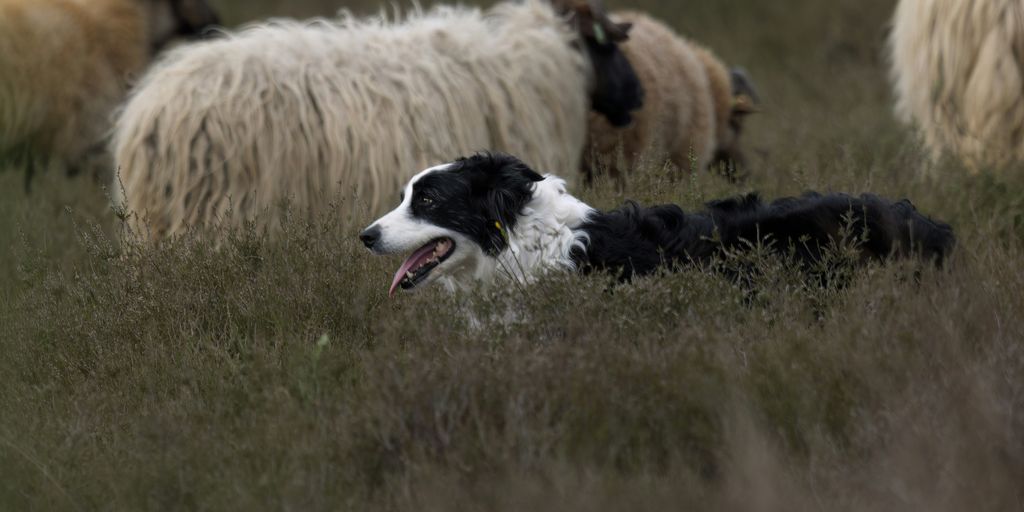
Before you even think about putting your dog in a field with sheep, there’s some prep work to do. It’s not just about throwing them in and hoping for the best. A little planning goes a long way in making the whole process smoother and safer for everyone involved. Let’s get into it.
Veterinary Check-Up
First things first, a vet visit is a must. Herding is physically demanding, and you need to make sure your dog is up to the task. We’re talking about running, turning, and potentially dealing with uneven terrain. A vet can check for any underlying health issues that might make herding dangerous for your dog. Think of it as getting the all-clear before starting a marathon. It’s also a good time to discuss parasite prevention, as your dog will be spending time around livestock.
Essential Equipment
Okay, so you’ve got a healthy dog, now what? Time to gather the gear. You don’t need a ton of fancy stuff to start, but there are a few essentials:
- Leashes: You’ll want both a short leash for close control and a long line for giving your dog some freedom while still maintaining a connection.
- Collar/Harness: Make sure it fits well and is comfortable for your dog. A harness can be a good option if your dog tends to pull.
- Whistle: A good quality whistle is important for clear communication.
- Treats: High-value treats are your best friend for positive reinforcement. Think small, tasty, and easy to eat quickly.
- First-aid kit: For both your dog and yourself. Accidents happen, so be prepared.
Choosing the Right Livestock
This is a big one. You can’t just grab any old sheep and expect things to go well. Start with livestock that are used to dogs. It makes a huge difference. You might even consider starting with smaller, less intimidating animals like ducks or chickens to get your dog used to the idea of herding before moving on to sheep. The goal is to create a positive experience for both your dog and the livestock. Also, make sure you have a training enclosure to work in.
It’s important to remember that herding training is a journey, not a race. Be patient with your dog, and don’t push them too hard, too soon. A slow and steady approach will yield better results in the long run. Focus on building a strong foundation of trust and communication, and you’ll be well on your way to mastering the art of herding.
Establishing Foundational Commands
Starting with Basic Obedience
Before your dog can effectively herd sheep, it’s important that they have a solid base in basic obedience. Think of it as building blocks. You can’t build a house without a strong foundation, right? Commands like ‘sit,’ ‘stay,’ ‘come,’ and ‘down’ are important. These commands establish control and focus, which are needed when working with livestock. It’s not just about following orders; it’s about your dog understanding and respecting your leadership. This stage is all about building a strong relationship based on trust and clear communication. It’s also a good time to work on socialization, making sure your dog is comfortable around different people and environments. This will help them stay calm and focused when they’re eventually working with sheep.
Introducing Herding Commands
Once your dog has mastered basic obedience, you can start introducing specific herding commands. These commands will guide your dog’s movement and behavior around the sheep. Some common commands include:
- ‘Come Bye’ (go left around the sheep)
- ‘Away to Me’ (go right around the sheep)
- ‘Stand’ (stop)
- ‘Walk Up’ (approach the sheep slowly)
It’s important to introduce these commands one at a time, using clear and consistent verbal cues. Start in a controlled environment, like a small pen, and gradually increase the complexity as your dog progresses. Remember to use positive reinforcement, like praise and treats, to reward desired behaviors. The goal is to create a clear association between the command and the action. You can start with a few basic commands and then add more as your dog gets better.
Utilizing Hand and Whistle Signals
In addition to verbal commands, hand and whistle signals can be incredibly useful for herding. Hand signals allow you to communicate with your dog from a distance, while whistle signals can carry over long distances and through noisy environments. Combining verbal, hand, and whistle signals creates a versatile communication system.
Consider these points when implementing signals:
- Start by pairing each verbal command with a corresponding hand or whistle signal.
- Gradually fade out the verbal command as your dog becomes more responsive to the signal.
- Use distinct and easily recognizable signals to avoid confusion.
Consistency is key. Make sure everyone who works with the dog uses the same commands and signals. This will prevent confusion and help your dog learn more quickly. It’s also a good idea to practice in different environments to ensure your dog responds reliably in any situation.
Optimizing the Training Environment
It’s easy to underestimate how much the surroundings affect your dog’s ability to learn. A chaotic, distracting environment will make training sessions less productive, no matter how skilled you are. Think of it like trying to study for a test at a rock concert – not ideal, right?
Selecting the Training Location
Where you train matters a lot. Start in a quiet, enclosed area with minimal distractions. A small paddock or a fenced-in field works well. As your dog progresses, you can gradually introduce more complex environments with more stimuli. This helps them generalize their skills and learn to focus even when things are happening around them. Remember, the goal is to prepare them for real-world herding situations, not just controlled exercises. Consider these factors when choosing a location:
- Safety: Ensure the area is free of hazards like holes, sharp objects, or poisonous plants.
- Size: The space should be large enough for the dog to move and work the livestock, but not so large that it becomes overwhelming.
- Terrain: Varying terrain can add complexity to the training, but start with relatively flat ground.
Implementing Leash Training
Even though herding is often done off-leash, leash training is still important, especially in the early stages. A long leash allows you to guide your dog and prevent them from getting too far ahead or making mistakes that could scare the livestock. Leash work helps establish control and communication before you transition to off-leash work. It’s also useful for teaching directional commands and building a solid foundation of obedience. Think of it as a safety net and a tool for fine-tuning your dog’s movements. The Border Collie Optimization can help with this.
Incorporating Whistle Commands
Whistle commands are a game-changer for herding. They allow you to communicate with your dog over long distances and in noisy environments. Start by associating simple whistle sounds with basic commands like "come," "stay," and directional cues. Be consistent with your whistle signals, and use positive reinforcement to reward your dog for responding correctly. Over time, your dog will learn to interpret the different whistle sounds and respond accordingly. It takes time and patience, but the payoff is huge. Here’s a simple progression:
- Pair a verbal command with a whistle.
- Fade the verbal command, relying more on the whistle.
- Practice in different locations with varying levels of distraction.
A well-optimized training environment sets the stage for success. It minimizes distractions, promotes clear communication, and allows your dog to learn at their own pace. Remember, patience and consistency are key. Don’t rush the process, and always prioritize the safety and well-being of both your dog and the livestock.
Understanding Canine Behavior
Reading Your Dog’s Body Language
Okay, so you’re out there trying to get your dog to herd sheep, but are you really watching your dog? It’s not just about them following commands; it’s about understanding what they’re telling you. A dog’s body language is like a constant stream of information, and if you miss it, you’re missing a big piece of the puzzle. Are their ears perked up and forward, or are they pinned back? Is their tail wagging loosely, or is it tucked between their legs? These are all clues. For example, a low, slow tail wag might indicate uncertainty or stress, while a high, fast wag usually means they’re excited and happy. Pay attention to their eyes too. A hard stare can be a sign of dominance or aggression, while averted eyes might mean they’re feeling submissive or uncomfortable. It’s like learning a new language, but instead of words, you’re reading postures and expressions. It takes time and practice, but it’s so worth it.
Managing Motion Sensitivity
Some dogs are more sensitive to motion than others, and this can really impact their herding ability. Think about it: sheep are constantly moving, and if your dog gets easily overwhelmed by that movement, it’s going to be tough for them to focus. You might see them getting distracted, barking excessively, or even trying to chase the sheep in a way that’s not productive.
Here are a few things to consider:
- Start slow: Introduce your dog to the sheep gradually, giving them time to adjust to the movement.
- Use positive reinforcement: Reward them for staying calm and focused, even when the sheep are moving around.
- Create a safe space: Make sure your dog has a place where they can retreat if they’re feeling overwhelmed. This could be a crate or a designated area where they can take a break.
It’s also important to rule out any underlying medical conditions that could be contributing to their motion sensitivity. If you’re concerned, talk to your vet. They can help you determine if there’s a medical reason for your dog’s behavior and recommend appropriate treatment options.
Being Mindful of Their Traits
Every dog is an individual, and that’s especially true when it comes to herding. Some dogs are naturally more assertive, while others are more cautious. Some are quick learners, while others need more time and repetition. Understanding your dog’s individual traits is key to tailoring your training approach. For example, if you have a dog that’s naturally independent, you might need to work on building a stronger bond and teaching them to trust your guidance. On the other hand, if you have a dog that’s very eager to please, you might need to be careful not to put too much pressure on them.
Consider these points:
- Temperament: Is your dog naturally confident or more timid?
- Learning Style: Do they learn best through visual cues, verbal commands, or physical guidance?
- Energy Level: Do they have a high drive to work, or do they tire easily?
Knowing these things will help you create a training plan that’s tailored to your dog’s specific needs and abilities. Remember, the goal is to channel their instincts in a way that’s both effective and enjoyable for both of you. And don’t forget, patience is your best friend.
Effective Training Practices
Maintaining Patience and Consistency
Training a herding dog isn’t a sprint; it’s a marathon. You’ve got to be patient. It’s easy to get frustrated when your dog isn’t picking things up as quickly as you’d like, but remember that every dog learns at their own pace. Consistency is just as important. If you’re not consistent with your commands and expectations, your dog will get confused, and progress will stall.
- Use the same commands every time.
- Practice regularly, even if it’s just for a few minutes each day.
- Make sure everyone involved in the training is on the same page.
Avoiding Overtraining
It’s tempting to push your dog hard, especially when you see progress. However, overtraining can lead to burnout, injury, and a general dislike of herding. Keep training sessions relatively short and focused. Watch for signs that your dog is getting tired or losing interest, and don’t be afraid to call it quits for the day. Remember, a fresh and engaged dog learns much better than a tired and stressed one.
Monitoring for Stress and Fatigue
Herding training can be physically and mentally demanding for dogs. It’s important to be able to recognize the signs of stress and fatigue so you can adjust your training accordingly. Some common signs include:
- Excessive panting
- Yawning
- Lip licking
- Tail tucking
- Avoidance behavior
If you notice any of these signs, give your dog a break. Make sure they have access to water and a shady spot to rest. Sometimes, a simple change of scenery or a less demanding activity can help them recharge. Paying attention to your dog’s well-being is key to successful and enjoyable herding training.
Remember, the goal is to build a strong working relationship with your dog, not to break them. A happy and healthy dog will always perform better than one that’s stressed and exhausted.
Safety and Supervision During Training
Prioritizing Dog and Livestock Safety
Okay, so you’re getting into herding. Awesome! But before you picture your dog as a sheep-wrangling superstar, let’s talk safety. This isn’t just about preventing injuries; it’s about creating a positive experience for everyone involved. We’re talking about your dog, the livestock, and even you. A simple scratch can turn into a serious infection, and a spooked sheep can cause a whole lot of chaos. Always be aware of your surroundings and potential hazards.
Supervising Early Interactions
Those first few meetings between your dog and the sheep are critical. Don’t just unleash your dog and hope for the best. Keep your dog on a long leash initially. This gives you control and allows you to correct unwanted behaviors before they escalate. Watch your dog’s body language closely. Are they excited but respectful, or are they showing signs of aggression or excessive prey drive? Early intervention can prevent bad habits from forming. Think of it like introducing siblings – slow and steady wins the race. You might want to consider a training enclosure to help with this.
Preventing Physical Contact
Herding is about influence, not physical force. Your dog shouldn’t be biting or excessively nipping at the livestock. This is where clear commands and consistent training come in. If your dog starts to get too physical, immediately redirect their attention. Use a firm "Leave it" command or a whistle signal to break their focus. Remember, the goal is to guide the sheep, not to attack them. Here are some things to keep in mind:
- Teach your dog a reliable "Leave it" command.
- Use positive reinforcement to reward calm behavior around livestock.
- Supervise all interactions closely, especially in the beginning.
It’s important to remember that every dog learns at their own pace. Don’t get discouraged if your dog doesn’t immediately understand what you want them to do. Be patient, be consistent, and always prioritize safety. With the right approach, you can train your dog to be a skilled and responsible herder.
Keeping your dog safe and making sure someone is watching them closely during training is super important. You want to make sure they don’t get hurt and that they’re learning in a good way. It’s like having a coach who always has your back. To learn more about how to keep your furry friend safe and happy while they learn new tricks, check out our website for the best dog training courses.
Wrapping It Up
So, training a dog to herd sheep, huh? It’s definitely a journey, and yeah, it can be tough sometimes. But honestly, seeing your dog work with those sheep, moving them around like a pro, it’s pretty amazing. Just remember to be patient, keep things fun, and don’t push your dog too hard. Every dog learns at its own speed, and that’s totally fine. If you stick with it, you’ll build a super strong bond with your dog, and they’ll be doing what they were born to do. Good luck out there!
Frequently Asked Questions
Why is a vet check-up important before starting herding training?
Before you begin training, it’s super important to take your dog to the vet. Herding is a very active job, and you need to make sure your dog is healthy enough for all that running and working. The vet can give them a check-up and make sure they’re ready for the challenge.
What kind of equipment do I need to start dog herding training?
You’ll need a few things! First, a small group of animals to herd – sheep or even calm chickens can work. You’ll also want treats to reward your dog, and both a long and short leash for control. A training pen or a fenced area is also helpful to keep everyone safe and focused.
What basic commands should my dog know before learning to herd?
Start with the basics: ‘come,’ ‘sit,’ ‘stay,’ and ‘down.’ Your dog needs to listen to these commands really well before you add herding specific ones. Think of it like learning your ABCs before you can read a book!
Can I use whistles and hand signals for herding commands?
Yes, they can be a big help! Whistles can be used to give commands, and hand signals can show your dog where to move the animals. It’s like having a secret language with your dog that helps them understand what you want them to do.
How important are patience and consistency in herding training?
It’s really important to be patient and keep practicing. Herding takes time to learn, and every dog learns at their own speed. Don’t push them too hard, and make sure to end training sessions if they seem tired or stressed. Short, fun sessions are better than long, tiring ones.
What are the key safety tips for herding training?
Always put safety first! Make sure your dog and the animals they’re herding are safe. Watch them closely, especially when they’re first getting to know each other. You want to avoid your dog actually touching or hurting the animals. Herding is about guiding, not chasing aggressively.