
The world of dog care is changing fast, thanks to new smart home gadgets. It used to be that pet tech was super basic, like just a microchip or a simple automatic feeder. But now, with AI and the Internet of Things (IoT) getting better, we can understand and look after our dogs in ways we never thought possible. These smart devices are helping with everything from keeping our pets healthy to making training easier and even just keeping them entertained. It’s pretty cool how these AI-powered dog tools are letting us keep an eye on our furry friends, almost like having a vet or trainer right at home. Let’s dig into some of the big changes happening in dog care.
Key Takeaways
- AI is changing dog care, making things easier for owners and better for pets.
- Smart devices, like automated treat dispensers and cameras, help with consistent training.
- AI-powered collars do more than just track; they monitor health and behavior.
- Beyond training, smart tech helps with daily dog life, from pet doors to interactive toys.
- While tech is great, human connection and positive reinforcement are still super important for your dog.
The Rise of AI in Dog Care
Just a few years ago, pet tech was pretty basic. We had microchips, GPS trackers, and those simple automatic feeders. But now, thanks to AI and the Internet of Things, things have changed a lot.
Today, smart devices are making pet care better, from health to training. AI gadgets are helping us keep an eye on our dogs in ways we couldn’t before, unless we were constantly at the vet or with a trainer.
Let’s look at some of the big changes happening in dog care.
From Basic Tech to Smart Solutions
It wasn’t that long ago that pet gadgets were pretty limited. Now, we’re seeing a shift from simple tools to smart, AI-powered systems. This change is making it easier to monitor and manage our dogs’ well-being. Think about it: we’ve gone from basic feeders to systems that track eating habits and suggest diet changes. It’s a whole new world.
- Basic microchips for identification
- Simple GPS trackers for location
- Automatic feeders with set schedules
The move from basic tech to AI solutions marks a significant leap in pet care. It’s not just about convenience; it’s about gaining deeper insights into our dogs’ health and behavior.
Enhancing Pet Health and Training
AI is making a big difference in pet health and training. Smart collars can now track activity levels, sleep patterns, and even detect early signs of illness. Dog training apps offer personalized training plans and track progress, making it easier to teach new tricks and correct bad habits. This means we can catch health problems sooner and provide more effective training.
- Activity tracking and sleep monitoring
- Early illness detection
- Personalized training plans
Innovations Shaping the Future
The future of dog care is looking pretty cool. We’re seeing things like AI-powered toys that adjust to a dog’s play style and smart feeders that automatically adjust portion sizes based on activity levels. These innovations are making it easier to provide personalized care and keep our dogs happy and healthy. Some companies are even working on AI that can translate dog barks and body language. Imagine understanding exactly what your dog is trying to tell you!
- AI-powered toys that adapt to play style
- Smart feeders that adjust portion sizes
- AI that translates dog language
Meet the AI Trainers: What They Are and How They Work

AI trainers are basically systems designed to recognize what your dog is doing. They use cameras and sensors to "see" and then "learn" what different actions look like. Think of it like teaching a computer to understand what "sit," "stay," or "fetch" means just by watching. It’s pretty cool, actually.
Recognizing Behaviors with Cameras and Sensors
So, how does a computer know when your dog sits? Well, it uses cameras to watch your dog in real-time. The software analyzes the video, looking for specific postures and movements. Sensors can also play a role, detecting things like changes in pressure when a dog sits down. It’s like teaching a robot to see and understand doggy language. Many believe AI can enhance pet care by detecting these behaviors.
Consistent Cues and Rewards
The best part about AI trainers is their consistency. Unlike us humans, they don’t get tired or distracted. They can deliver cues and rewards at exactly the right moment, every single time. This is super important for effective training. Imagine clicker training, but the click and treat always happen at the perfect split second. No more late rewards because you were checking your phone!
The Colorado State University Prototype
Researchers at Colorado State University built a really neat prototype. They used a small computer and a camera to watch a dog. When the dog performed a desired behavior, like sitting, the system would automatically give it a treat. It’s like having a digital dog trainer that never gets bored or runs out of snacks. This smart dog training system is a game changer.
Your Home, Their Classroom: Types of Smart Devices Helping Out
Your home can easily become a training ground with the help of some cool gadgets. It’s amazing how technology is changing the way we interact with our dogs, making training more effective and fun. Let’s explore some of the devices making a difference.
Automated Treat Dispensers and Training Systems
These devices are like having a personal, tireless dog trainer in your home. Inspired by research prototypes, these systems use cameras and AI to recognize good behavior and reward it instantly. Imagine your dog finally nailing the "stay" command – the dispenser shoots out a treat right away! These systems are great for reinforcing good habits, especially when you’re busy or not at home. They can be programmed to work on specific commands, making training consistent and effective. Some systems even allow you to record your voice, so your dog hears your familiar cues even when you’re away. This is a game-changer for smarter dog training.
Smart Cameras for Remote Interaction
Ever wonder what your dog does all day when you’re not around? Smart cameras let you peek into their world. With two-way audio, you can say a quick "hello" during your lunch break or gently remind them that the couch isn’t a chew toy. Some models even have treat-tossing capabilities or fun features like laser pointers for remote play. It’s a great way to stay connected and address any anxiety or boredom they might be experiencing. These cameras are not just for surveillance; they’re for interaction and reassurance.
Smart Feeders for Portion Control
Smart feeders are more than just automatic food bowls. They dispense the right amount of food at scheduled times, which is perfect for dogs who need help with weight management or have specific dietary needs. You can control portions and timing through an app, ensuring your dog gets the right amount of food, even if your schedule is hectic. Some feeders even monitor your dog’s eating habits and send you alerts if they’re not eating properly. This is especially helpful for senior dogs or those with health conditions that affect their appetite.
Smart devices are revolutionizing dog training by providing consistency, convenience, and data-driven insights. They help bridge the gap between human limitations and the need for constant reinforcement, ultimately leading to happier, well-behaved dogs.
AI-Powered Smart Collars: More Than Just a Tracker
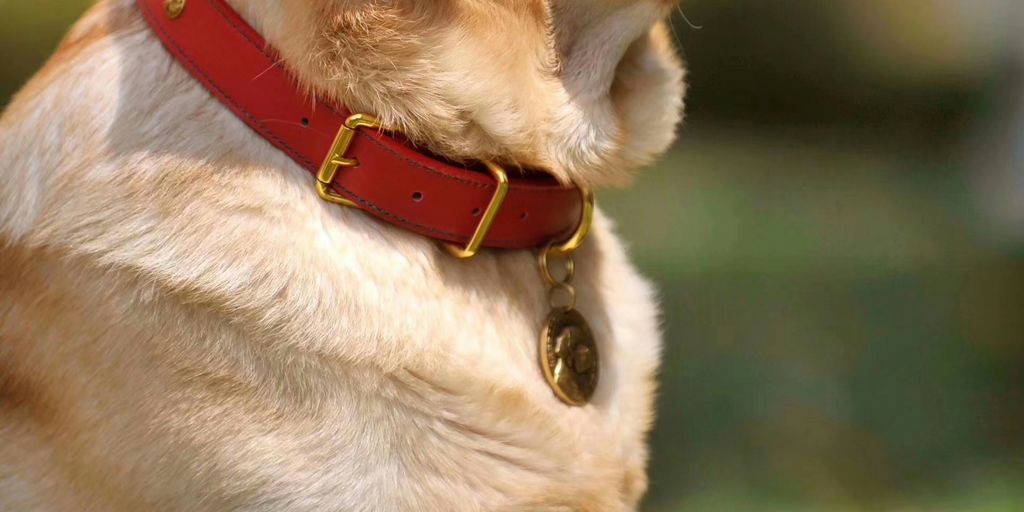
Smart collars have come a long way! They’re not just for finding your dog if they escape anymore. Now, they’re packed with tech that can give you real insights into your dog’s health and behavior. It’s like having a little health monitor right on their collar.
GPS and Activity Monitoring
One of the primary functions of these collars is, of course, location tracking. But it’s so much more than that. Modern smart collars use GPS to pinpoint your dog’s location, and they also track their activity levels throughout the day. This is super helpful for making sure your dog is getting enough exercise. Plus, you can set up virtual fences and get alerts if your dog wanders outside of them. It’s a great way to keep an eye on your furry friend, especially if they’re prone to exploring. Consider using proper e-collar use for training.
Analyzing Behavior and Health Data
These collars don’t just track where your dog is; they also track what your dog is doing. They can monitor things like sleep patterns, scratching, and even licking. The data is then analyzed to identify any unusual trends or potential health issues. For example, if your dog is suddenly sleeping more than usual, it could be a sign that something’s not right. Or, if they’re scratching excessively, it could indicate allergies or a skin infection.
Detecting Early Signs of Illness
Some of the more advanced smart collars can even monitor vital signs like heart rate and respiratory rate. This can be incredibly useful for detecting early signs of illness, especially in senior dogs or dogs with pre-existing health conditions. The collars can also track changes in these metrics over time, providing valuable information to your vet. It’s like having a continuous health check-up for your dog, which can help you catch problems early and get them the treatment they need.
Smart collars are not a replacement for regular vet visits, but they can be a valuable tool for monitoring your dog’s health and well-being. They provide a wealth of data that can help you make informed decisions about your dog’s care and catch potential problems early on.
Beyond Training: Smart Devices for Daily Dog Life
Smart Pet Doors for Independent Access
Smart pet doors are a game-changer, especially if you have a busy schedule. These aren’t your grandma’s doggie doors! They use your dog’s microchip or a special collar sensor to grant access, keeping unwanted critters out. Some even sync with cameras, so you can keep an eye on your dog’s potty breaks from your phone. It’s all about giving your dog a little independence and you some peace of mind. Imagine not having to rush home every time your dog needs to go outside!
Interactive Toys and Companionship Robots
Okay, these might sound a little futuristic, but hear me out. Interactive toys and even companionship robots are designed to keep your dog mentally stimulated and physically active. A bored dog is often a destructive dog, so these gadgets can be a lifesaver. They’re not just about fun and games; they can help reduce anxiety and prevent problem behaviors. Think of it as enrichment, but in a high-tech package. You can find a range of dog gadgets in the UK.
Mental Stimulation and Reduced Boredom
Beyond the fancy gadgets, it’s about keeping your dog’s mind engaged. Puzzle toys, treat-dispensing balls, and even just rotating their toys regularly can make a big difference. A mentally stimulated dog is a happy dog, and a happy dog is less likely to chew your furniture or bark at every passing car. Here are some ideas:
- Puzzle feeders for meal times
- Rotating toy selection weekly
- Short training sessions throughout the day
It’s easy to overlook the importance of mental stimulation. A tired body and a bored mind can lead to all sorts of behavioral issues. Taking a few minutes each day to engage your dog’s brain can make a world of difference in their overall well-being.
The Benefits of Training a Dog Using Smart Home Devices
Consistency in Reinforcement
One of the biggest challenges in dog training is maintaining consistency. We’re human, we get distracted, tired, or just plain forgetful. Smart devices, however, don’t have these limitations. They deliver cues and rewards with unwavering precision, ensuring your dog receives clear and consistent feedback, which is key to effective learning. This is especially helpful when teaching basic commands or addressing behavioral issues.
Overcoming Human Limitations
Let’s face it, sometimes we’re not the best trainers. Maybe our timing is off, or we’re not clear in our commands. Smart devices can bridge these gaps. They can provide personalized training plans and deliver rewards at the exact moment a desired behavior is exhibited, something that’s difficult for humans to replicate consistently. This can lead to faster and more reliable results, especially for complex training tasks.
Convenience and Accessibility
Smart home devices bring training to your fingertips, no matter where you are. Whether you’re at work, on vacation, or simply busy with other tasks, you can still engage with your dog and reinforce their training. This level of convenience makes it easier to integrate training into your daily routine, turning your home into a dog’s classroom. Plus, many devices offer remote monitoring and interaction, allowing you to check in on your dog and provide encouragement even when you’re not physically present.
Smart devices aren’t meant to replace human interaction, but rather to supplement and enhance it. They provide tools to overcome common training challenges and create a more consistent and effective learning environment for your dog. By embracing these technologies responsibly, we can unlock new possibilities in dog training and strengthen the bond with our furry companions.
Keeping it Kind and Smart: Ethical Thoughts
Human Connection First
No gadget can truly replace the bond you share with your dog. Smart devices are there to help, but the core of training and care should always be your interaction. Think of the joy of a simple walk or a good belly rub – those moments are irreplaceable. AI can assist, but the connection is your job, and it’s the most rewarding part.
Positive Reinforcement Only
When choosing AI training tools, make sure they focus on rewards, not punishment. A good system will use praise and treats to encourage good behavior. If a device suggests scolding or any kind of punishment, it’s a red flag. Building trust is the goal, not creating fear. Positive reinforcement is key to teaching a dog to close doors.
Responsible Tech and Data Privacy
Just like with any tech that collects data, it’s important to think about privacy and ethics. Make sure you understand how the device uses your dog’s information and that the company has good data protection practices. It’s about using tech responsibly to protect your pet’s well-being.
AI devices should be seen as helpful assistants, providing structure and consistency when you can’t. This frees you up for the fun stuff, like those perfect training moments and all the belly rubs!
It’s super important to be kind and smart when thinking about what’s right. We want to make sure we’re always doing good things and making good choices. If you want to learn more about how to make smart and kind decisions, especially when it comes to training your furry friends, check out our website. We have lots of helpful tips and courses there!
The Tail-Wagging Future
So, what’s the big takeaway here? Smart home devices are changing how we train our dogs, for sure. They help us be more consistent, even when we’re busy. But remember, these gadgets are just tools. They’re not a replacement for belly rubs, long walks, or just hanging out with your best friend. The real magic happens when you mix this cool tech with your own love and attention. That’s how you get a truly happy, well-behaved dog. It’s all about making your life easier and your dog’s life better, together.
Frequently Asked Questions
What exactly are smart home devices for dogs?
Smart home devices for dogs are gadgets that use computer brains (AI) to help with things like training, feeding, and keeping an eye on your dog. They can do things like give treats when your dog does a trick, watch them when you’re not home, or even track their health.
How do these devices help with dog training?
These devices help by being super consistent. Unlike people who might get tired or forget, AI systems can give the same commands and rewards every time. This helps your dog learn faster and more reliably. They also let you keep up with training even when you’re busy or away.
What kinds of smart devices are available for dog owners?
Some popular ones include automatic treat dispensers that reward good behavior, smart cameras that let you see and talk to your dog from anywhere, and smart feeders that give out the right amount of food at the right time. There are also smart collars that track activity and health.
Can smart collars really tell me about my dog’s health?
Yes, smart collars can do more than just track your dog’s location. Many can monitor their activity levels, sleep patterns, and even heart rate. This data can help you spot if your dog is getting enough exercise, or if there might be an early sign of a health problem.
Do these devices replace human interaction with my dog?
While smart devices are amazing tools, they shouldn’t replace your time with your dog. Your dog still needs your love, playtime, and direct training. Think of these devices as helpful assistants that make your life easier and keep your dog engaged, but your bond is still the most important thing.
What should I keep in mind when using smart devices with my dog?
Always choose devices that use positive reinforcement, meaning they reward good behavior instead of punishing bad behavior. Also, look into how the company handles your dog’s data to ensure their privacy. If your dog has special needs or behavior issues, it’s always best to talk to a vet or a certified dog trainer.