
Teaching your furry friend to enjoy the pool can be a fun and rewarding experience for both of you. It’s not just about playtime; knowing how to get around in the water can also be a big safety measure for your dog. This guide will walk you through the steps for training a dog to use a pool, making sure they feel safe and happy every splash of the way.
Key Takeaways
- Always make sure your dog is comfortable with water before starting any pool training.
- Use tasty treats and favorite toys to make pool sessions positive and fun.
- Teach your dog how to get out of the pool independently using the steps or a ramp.
- Keep training sessions short and upbeat, especially at the beginning.
- Never leave your dog unsupervised around the pool, even if they’re good swimmers.
Preparing for Pool Training
Before you even think about getting your dog wet, some prep work is needed. It’s not just about tossing them in and hoping for the best! We need to make sure they’re ready, both mentally and physically, and that you have everything you need to make the experience safe and fun. Think of it like preparing for a road trip – you wouldn’t just jump in the car without checking the tires and packing snacks, right? Same goes for pool training!
Assessing Your Dog’s Comfort with Water
First things first, how does your dog really feel about water? Some dogs are natural swimmers, while others are… less enthusiastic. Don’t assume that just because they’re a Labrador, they’ll automatically love the pool. Start with small exposures. Does your dog enjoy bath time? Do they like playing in the rain, or do they run for cover? A good way to test the waters (pun intended!) is with a kiddie pool. See how they react to just getting their paws wet. If they seem nervous, don’t force it. You can build their confidence gradually by associating water with positive experiences, like treats and praise. If your dog is really nervous about the pool at first, this is a spectacular confidence building exercise! So, don’t feel frustrated if your dog does not take to the pool right away. Use that as an opportunity to build up your dog’s confidence, and strengthen their trust in your leadership.
Gathering Essential Training Supplies
Okay, so you’ve got a general idea of your dog’s water tolerance. Now it’s time to gather your gear. Here’s a quick checklist:
- High-value treats: Think small, tasty, and irresistible. These are your motivators!
- Floating toys: Something that your dog loves to fetch. This will help make swimming fun.
- Dog-friendly sunscreen: Yes, dogs can get sunburned too, especially those with light-colored fur.
- A well-fitting dog life vest: Even if your dog is a strong swimmer, a life vest provides extra safety and can help them conserve energy. It’s like having extra safety.
- A long leash: For guiding your dog in the water and preventing them from wandering off.
- Towels: Lots of towels! You’ll need them to dry your dog off after each session.
Choosing the Right Pool Entry Point
Not all pool entries are created equal. A gentle slope or wide steps are ideal for dogs, as they allow for a gradual entry and exit. Avoid areas where your dog might have to jump or struggle to get in or out. If your pool only has a ladder, you might need to consider getting a set of dog-friendly pool steps. The steps on a pool are designed for human use. Therefore, don’t assume that your dog can safely follow them to exit the pool without being shown how. Teach your pet where the stairs are and how to use them to get out of the water on his own.
Consider the depth of the water at the entry point. You want it to be shallow enough for your dog to stand comfortably, at least initially. This will help them feel more secure and confident. Remember, the goal is to make this a positive experience, not a terrifying one!
Introducing Your Dog to the Pool
Creating a Positive First Impression
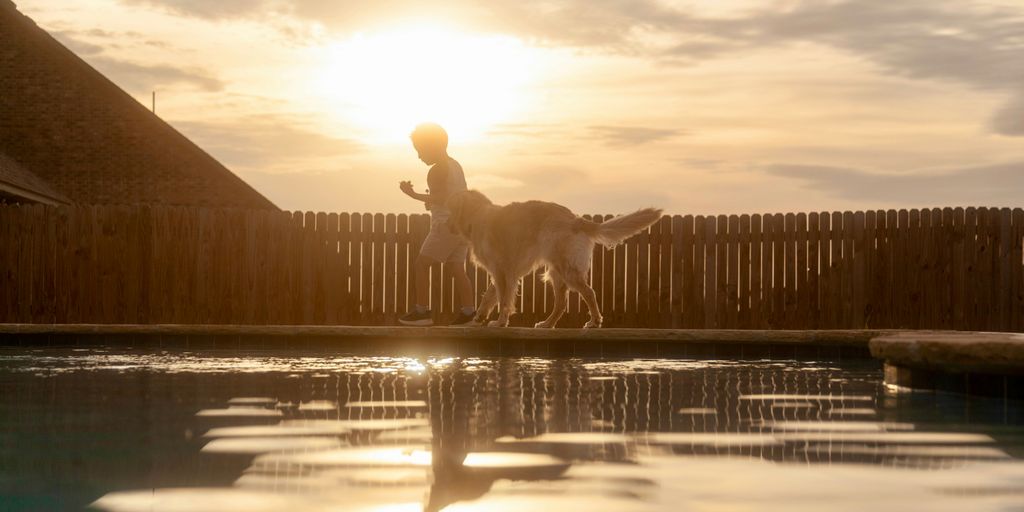
The first introduction to the pool is super important. You want your dog to associate the pool with fun and positive experiences. Don’t rush things! Let your dog explore the area around the pool at their own pace. Bring treats, toys, and lots of praise. If your dog seems nervous, don’t force them. Just let them sniff around and get comfortable. Maybe even toss some treats near the edge of the pool to encourage them to come closer. Remember, patience is key!
Gradual Entry into Shallow Water
Once your dog seems comfortable around the pool, it’s time to introduce them to the water. Start in the shallow end where they can easily stand. Gently encourage them to walk into the water, using treats or toys as motivation. If they’re hesitant, don’t push them. Let them go at their own pace. Some dogs might be more comfortable if you get in the water with them. If you have a larger dog, allow them to enter at their own pace.
Using Treats and Toys for Encouragement
Treats and toys are your best friends during pool training! Use high-value treats that your dog loves to reward them for any positive interaction with the pool. Toss a favorite toy into the shallow water and encourage them to retrieve it. Make it a game! The more fun they have, the more likely they are to enjoy swimming. Remember to keep the sessions short and positive. End on a good note, even if it’s just a few minutes of splashing around. You can even try a Kong toy to make it more fun!
It’s important to remember that every dog is different. Some dogs will take to the water right away, while others may need more time and patience. Don’t get discouraged if your dog doesn’t become a swimming pro overnight. Just keep the training positive and fun, and eventually, they’ll learn to love the pool.
Teaching Basic Pool Skills
Guiding Your Dog Through the Water
Once your dog is comfortable being in the shallow end, it’s time to gently guide them through the water. I found that using a harness with a handle is super helpful for this. Support their body as they start to paddle, making sure they keep their head above water. Don’t force it! If they seem stressed, go back to the shallow end and try again later. It’s all about building confidence, not creating anxiety. I usually start by walking alongside the pool, encouraging them to swim a short distance with me.
Encouraging Natural Swimming Instincts
Most dogs have a natural instinct to paddle, but some need a little encouragement. Here’s what I did:
- Start with short distances.
- Use toys as motivation.
- Praise and reward every little success.
It’s important to let your dog find their own rhythm. Don’t try to control their every move. Just provide gentle support and encouragement, and they’ll figure it out. Remember, every dog learns at their own pace.
Keeping Initial Sessions Short and Positive
This is probably the most important thing. Keep those first swimming sessions short – like, really short. I’m talking 5-10 minutes max. You want your dog to associate the pool with fun and positive experiences, not exhaustion or fear. End each session on a high note, even if it’s just a small accomplishment. Lots of praise, treats, and maybe a favorite toy will do the trick. This helps build water confidence for future sessions.
Mastering Pool Exits
Training Your Dog to Use Pool Steps
Okay, so your dog is paddling around like a pro, but getting out of the pool is just as important as getting in! We need to make sure they know exactly where the steps are and how to use them. Start by guiding your dog to the shallow end and the steps. Use a leash at first, if needed, to gently lead them up and out. Repeat this a bunch of times. Make it a positive experience with praise and maybe a small treat each time they nail it.
Practicing Multiple Exit Points
Don’t just rely on one set of steps. If your pool has multiple exit points, like a tanning ledge or another set of steps, show your dog all of them. The goal is for them to know how to get out no matter where they are in the pool. Practice having them swim to each exit point from different locations in the pool. This way, they won’t panic if they’re far from their usual exit. It’s all about building confidence and creating options.
Ensuring Independent Exit Capability
Once your dog seems comfortable with the steps, it’s time to see if they can do it on their own. Have someone stand at the top of the steps and call your dog. Start with you in the pool, a short distance from the steps. Let go and encourage them to swim to the steps and exit. If they hesitate, gently guide them. The idea is to get them to exit independently. Keep practicing this over several days, and test them a month later to reinforce the training. It’s important to teach your dog how to exit safely.
Building Confidence and Endurance
Gradually Increasing Water Depth
Once your dog is comfortable in shallow water, it’s time to slowly increase the depth. Don’t rush this! The goal is to build confidence, not create anxiety. Start by moving to slightly deeper areas where your dog can still touch the bottom, and gradually progress from there. Make sure you’re always there to offer support and encouragement. If your dog shows any signs of distress, immediately return to shallower water. Remember, patience is key.
Extending Swimming Session Durations
As your dog gets more comfortable, you can start extending the length of the swimming sessions. Begin with short sessions, maybe 5-10 minutes, and gradually increase the time as your dog’s stamina improves. Watch for signs of fatigue, such as heavy panting or struggling to stay afloat. If you notice these signs, end the session immediately. It’s better to end on a positive note than to push your dog too hard.
Incorporating Playtime and Retrieval
Turn swimming into a fun game! Throw a dog-friendly toy into the pool and encourage your dog to retrieve it. This not only builds endurance but also makes swimming a positive and enjoyable experience. Start with short distances and gradually increase the distance as your dog gets stronger. Remember to use toys that float well and are easy for your dog to grab.
Keep in mind that every dog learns at their own pace. Some dogs may take to swimming quickly, while others may need more time and encouragement. The most important thing is to be patient, positive, and supportive. With consistent training and plenty of love, your dog will be swimming like a pro in no time!
Here’s a sample progression for increasing swim time:
| Session | Duration | Focus |
|---|---|---|
| 1-3 | 5-10 minutes | Shallow water familiarization |
| 4-6 | 10-15 minutes | Gradual depth increase |
| 7-9 | 15-20 minutes | Toy retrieval in shallow water |
| 10+ | 20-30 minutes | Full pool exploration |
Remember to adjust this schedule based on your dog’s individual progress and comfort level.
Prioritizing Safety Around the Pool
It’s super important to think about safety when your dog is around the pool. It’s not just about teaching them to swim; it’s about making sure they’re always safe near the water. I’ve seen too many close calls, and honestly, a little preparation goes a long way.
Supervising All Water Activities
Never, ever leave your dog unsupervised near the pool. Even if they’re great swimmers, things can happen fast. They might get tired, disoriented, or just plain spooked. Always keep a close eye on them when they’re in or around the water. It’s like watching a toddler; you can’t assume they’ll be okay just because they seem to know what they’re doing. I always make sure I’m right there, ready to help if needed.
Understanding Canine Water Hazards
Pools can be tricky for dogs. They can swallow too much water, which isn’t good. Also, some dogs have a hard time seeing the steps, especially if the water is murky. Be aware of things like pool chemicals too; you don’t want your dog drinking that stuff.
Here’s a quick rundown of potential hazards:
- Water intoxication (hyponatremia)
- Drowning (even in shallow water)
- Chemical ingestion
- Sunburn (especially for dogs with short fur)
I remember one time, my friend’s dog got a mouthful of pool water and started coughing like crazy. It was scary! Luckily, he was okay, but it was a good reminder that even a little bit of pool water can cause problems.
Providing Fresh Water and Rest Breaks
Make sure your dog has access to fresh, clean water while they’re playing around the pool. They’ll get thirsty, and you don’t want them drinking the pool water. Also, give them plenty of breaks. Swimming is tiring, and they need a chance to rest and cool down. I usually bring a water bowl and a shady spot for my dog to relax. A secure pool fence is also a great idea to prevent unsupervised access.
Addressing Common Training Challenges
Overcoming Water Aversion
So, your dog isn’t exactly thrilled about the pool? That’s okay, it happens! Some dogs just aren’t natural swimmers, and forcing them will only make things worse. The key is patience and positive reinforcement.
- Start slow. Like, really slow. Just getting them used to the pool area might be the first step.
- Use high-value treats. Think of their absolute favorite snack.
- Make it fun! No pressure, just playtime near the water. Maybe a game of fetch that gradually gets closer to the pool’s edge.
Don’t rush the process. If your dog is showing signs of stress (panting, shaking, tail tucked), back off and try again another day. It’s all about building positive associations.
Managing Over-Excitement in the Pool
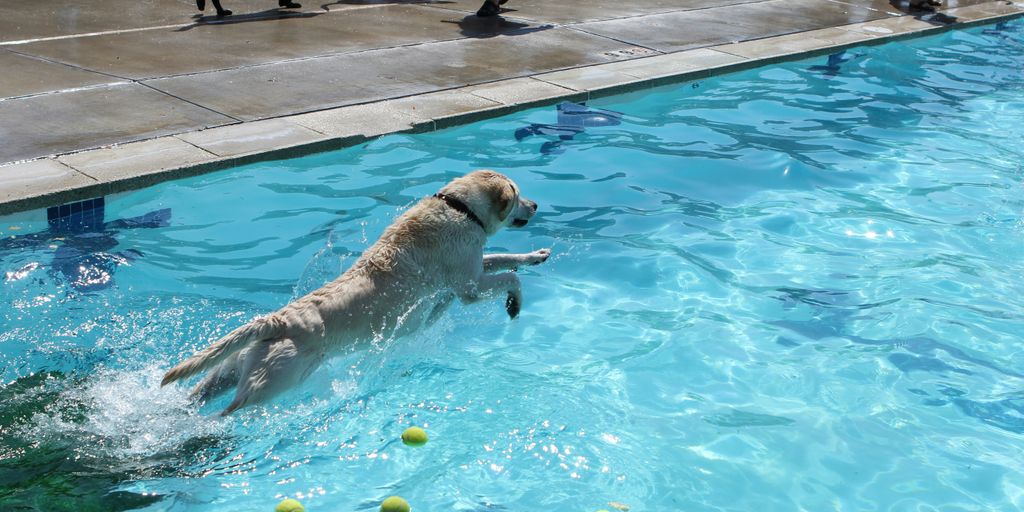
Okay, so maybe your dog loves the pool a little too much. This can be just as challenging as water aversion! An overexcited dog might not listen to commands, which can be dangerous. Teaching your dog to exit safely is important.
- Establish clear boundaries. Use a leash initially to keep them from jumping in without permission.
- Practice obedience commands near the pool. Sit, stay, and come are essential.
- Use a "calm down" cue. A specific word or phrase that signals them to relax.
Troubleshooting Exit Difficulties
One of the biggest concerns is making sure your dog can get out of the pool easily. If they can’t, panic can set in quickly. It’s important to teach them how to use the steps or any other exit points. Some dogs need additional options.
- Start by guiding them to the steps. Use treats and praise to encourage them.
- Practice from different locations in the pool. So they know how to find the steps no matter where they are.
- Make sure the steps are easy to use. Some dogs might need a ramp or extra support.
| Problem | Solution |
|---|---|
| Can’t find the steps | Guide them repeatedly, use brightly colored markers. |
| Afraid of the steps | Make the steps more inviting with a non-slip surface, use treats to lure them up. |
| Can’t reach the steps | Consider adding a ramp or platform to make the distance shorter. |
Having trouble with your dog’s behavior? Don’t worry, many dog owners face similar issues. We’ve put together some great tips to help you overcome common training problems and build a stronger bond with your furry friend. Ready to make training easier and more fun? Check out our best dog training courses today!
Wrapping Things Up
So, there you have it! Getting your dog comfy with the pool might take a little time and some patience, but it’s totally worth it. Think about it: they get to cool off, get some exercise, and you both get to have fun together. Just remember to take it slow, keep things positive, and always put their safety first. Soon enough, your furry friend will be splashing around like a pro, and you’ll have a happy, water-loving dog on your hands. It’s a pretty cool skill for them to have, and it makes those hot summer days way more enjoyable for everyone.
Frequently Asked Questions
Why is it so important for my dog to learn how to exit the pool by themselves?
It’s super important to teach your dog how to get out of the pool on their own. Show them where the steps are and practice getting out many times. This way, if they accidentally fall in, they’ll know how to get to safety.
Do all dogs naturally know how to swim, or do some need more help?
Not all dogs are natural swimmers! Some breeds, like Bulldogs or Pugs, might have a harder time in the water because of their body shape. Even dogs that like water might not know how to swim effectively. It’s always best to teach them properly.
What are the most important safety tips for dogs around a pool?
Always keep a close eye on your dog when they’re near or in the pool. Make sure they have a clear way to get out, like steps or a ramp. Also, offer them fresh drinking water often, so they don’t drink too much pool water.
My dog seems scared of the water. How can I help them feel more comfortable?
Start slowly and make it fun! Use tasty treats and their favorite toys to encourage them. Never force your dog into the water, as this can make them scared. Keep early sessions short and positive.
What’s the best age to start teaching a dog to swim?
The best age to start is when they’re young, like a puppy, but you can teach an older dog too! Just be patient and gentle. Puppies often learn quickly, but older dogs can also pick up new skills with the right approach.
Is swimming good exercise for my dog?
Absolutely! Swimming is a fantastic exercise because it’s easy on their joints. It can help dogs stay fit, especially if they have joint problems or are older. It’s also a great way to cool down on hot days.