
Taking your dog to the beach can be a blast, but it’s not just about showing up with a leash and a ball. To make sure everyone has a good time and stays safe, some planning and training are definitely in order. This guide will walk you through how to train a dog for beach outings, covering everything from basic safety to making sure your dog is ready for all the new sights and sounds.
Key Takeaways
- Always keep a close watch on your dog at the beach.
- Make sure your dog knows how to come when called, especially around distractions.
- Pack plenty of water, shade, and treats for your dog.
- Consider your dog’s personality and energy level before heading to a busy beach.
- Check beach rules and cleanliness before you go.
Prioritizing Safety for Beach Outings
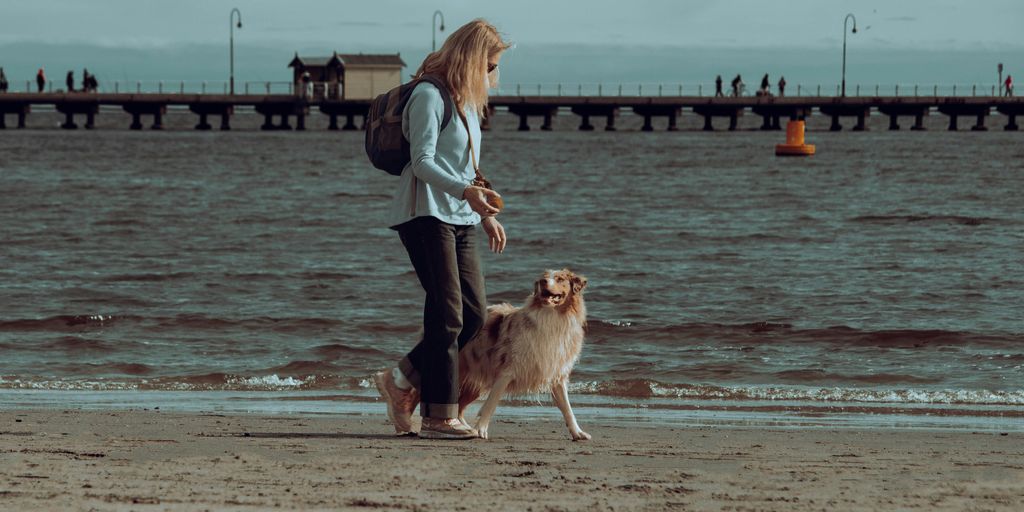
Taking your dog to the beach can be a blast, but it’s super important to think about safety first. It’s not just about letting them run wild; it’s about making sure they’re protected and that everyone around them is safe too. From keeping an eye on them to understanding the beach environment, there’s a lot to consider.
Always Keep a Close Eye on Your Dog
Seriously, never take your eyes off your dog at the beach. It’s easy to get distracted by the waves or other people, but dogs can get into trouble quickly. They might try to eat something they shouldn’t, wander off, or get into a scuffle with another dog. Constant supervision is key to preventing accidents and making sure they’re having a good time without any mishaps. Think of it like watching a toddler – they need your full attention.
Understanding Environmental Challenges
The beach isn’t just sand and water; it can be full of hidden dangers. Pay attention to warning flags; purple flags might mean jellyfish, and red flags often indicate strong currents. Also, be aware of:
- Riptides: These can pull even strong swimmers out to sea.
- Sharp objects: Broken glass or shells can hurt your dog’s paws.
- Extreme heat: Sand can get really hot and burn their paws.
It’s a good idea to check the beach for potential hazards before letting your dog off-leash. Look for trash, broken glass, or anything else that could be harmful. Also, be mindful of the tide – you don’t want to get caught in a high tide situation.
Ensuring Responsiveness to Cues
Before you even think about letting your dog off-leash, make sure they’re rock-solid on their recall. This means they come back to you immediately when you call their name, no matter what distractions are around. Practice this in different environments, not just at home. If your dog isn’t reliable with recall, keep them on a long leash to prevent them from running off. A reliable recall can prevent many dangerous situations.
Here’s a simple table to illustrate the importance of recall:
| Scenario | Potential Danger | Recall Solution | Outcome |
|---|---|---|---|
| Dog spots another dog | Could lead to a fight or unwanted interaction | Call dog back immediately | Prevents conflict, maintains control |
| Dog finds something to eat | Could ingest something toxic or harmful | Call dog back before they eat it | Prevents poisoning or digestive issues |
| Dog wanders towards water | Could get caught in a riptide or swept out to sea | Call dog back to safety | Prevents drowning or dangerous situation |
Essential Gear for Beach Adventures
Beach days with your dog can be awesome, but being prepared is key. I’ve learned the hard way that forgetting something can turn a fun outing into a stressful one. So, here’s what I always make sure to pack for my furry pal.
The Importance of a Long Leash
A long leash is a must-have for beach trips. It gives your dog some freedom to explore while still keeping them safely under your control. I prefer a leash that’s at least 20 feet long. This way, they can sniff around and wander a bit without getting into trouble. It’s also super helpful for practicing recall in a more open space. Just remember to keep an eye on them and be ready to reel them in if needed. You can find a good dog-friendly beaches online.
Packing Plenty of Dog Treats
Treats are your best friend when training or just trying to keep your dog happy on the beach. I usually bring a mix of high-value treats (like small pieces of cooked chicken or cheese) and regular kibble. The high-value treats are great for rewarding good behavior, especially when there are lots of distractions around. Keep them in a waterproof container to prevent them from getting sandy or soggy. Here’s a quick list of why treats are important:
- Positive reinforcement for good behavior
- Distraction from other dogs or people
- Motivation during training sessions
Hydration and Shade Provisions
Keeping your dog hydrated and protected from the sun is super important. I always bring a collapsible water bowl and a big bottle of fresh water. Offer water frequently, especially if they’re running around a lot. A beach umbrella or a small pop-up tent can provide much-needed shade. I also like to bring a cooling mat for them to lie on. Trust me, they’ll appreciate it. I also bring a thick blanket for my pup to lie on, both on the hot sand and in your car on the way home. Also bring some towels to dry off. A large beach umbrella will provide your dog with shade from the hot sun.
Don’t forget poop bags! Cleaning up after your dog is not just polite, it’s often the law. Always be prepared to pick up after your pet to keep the beach clean and enjoyable for everyone. Nobody wants to step in a surprise while they’re trying to relax.
Mastering Recall for Off-Leash Freedom
One of the biggest joys of taking your dog to the beach is letting them run free. But that freedom comes with responsibility. A reliable recall is essential for your dog’s safety and the peace of mind of everyone around you. It’s not just about shouting their name; it’s about building a solid foundation of trust and responsiveness.
Practicing Recall in Distracting Environments
The key to a good recall isn’t just about practicing at home. You need to proof it in places with lots of distractions. Start with a long line leash at the beach. This gives your dog the feeling of freedom while still allowing you to maintain control. Practice recall with the waves crashing, the seagulls squawking, and other dogs playing nearby. If they respond, great! If not, gently guide them back with the leash and try again. Remember to keep it positive and fun!
Rewarding Successful Responses
Positive reinforcement is your best friend. When your dog comes back to you, make it the best thing that’s happened to them all day! Use high-value dog treats, enthusiastic praise, and maybe even a favorite toy. The goal is to make them think, "Wow, coming back to my human is the most awesome thing ever!" Vary the rewards to keep them guessing and engaged. A simple "good dog" might work at home, but at the beach, you need to bring out the big guns!
Gradual Transition to Off-Leash Play
Once your dog is consistently responding to recall on the long leash, you can start thinking about off-leash play. But don’t rush it! Choose a time when the beach isn’t too crowded, and start by letting them off-leash for short periods. Keep a close eye on them, and call them back frequently, even if they’re not going anywhere. This reinforces the idea that they need to check in with you regularly. If they start to ignore you, go back to the long leash for a while. It’s all about building confidence and trust, one step at a time.
Remember, every dog is different. Some dogs will take to off-leash freedom like a duck to water, while others will need more time and patience. Don’t get discouraged if your dog isn’t perfect right away. Just keep practicing, keep it positive, and enjoy the journey!
Preparing Your Dog for Beach Success
Before you even think about packing your beach umbrella and heading to the shore, it’s important to make sure your dog is actually ready for the experience. A little prep work can make a huge difference in how much fun everyone has. Not all dogs are beach dogs by nature, and that’s okay! It’s all about setting them up for success.
Assessing Your Dog’s Temperament
First things first: is your dog the type who enjoys new experiences and meeting new people (and dogs)? Or are they more on the shy or anxious side? Knowing your dog’s personality is key. A dog who gets easily stressed by unfamiliar situations might not have the best time at a crowded beach. Think about how they react to things like loud noises, lots of movement, and other animals. If they tend to get overwhelmed, you might need to take things extra slow or consider if a busy beach is really the right place for them. Maybe a quieter spot or even just a short visit is a better starting point.
Considering Age and Energy Levels
Age and energy levels play a big role too. A young, energetic dog might be ready to run and play for hours, while an older dog or a dog beach gear with lower energy might tire out quickly. Puppies, while full of enthusiasm, might not have the best impulse control yet, which can be a challenge in a stimulating environment like the beach. Similarly, senior dogs might have physical limitations that make navigating sand and waves difficult. Be realistic about what your dog can handle and plan accordingly. Frequent breaks in the shade and plenty of water are essential, especially for older or less active dogs.
Building Confidence in New Settings
If your dog isn’t a seasoned traveler, start small. Expose them to new sights, sounds, and smells gradually. Take them to parks, introduce them to new people and dogs in controlled environments, and get them used to car rides. The goal is to build their confidence and help them learn to adapt to new situations without getting overwhelmed. You can even practice walking on different surfaces, like sand or gravel, to get them used to the feeling under their paws. Positive reinforcement is your best friend here. Reward them with treats and praise when they show calm and confident behavior in new settings. This will help them associate new experiences with positive feelings, making them more likely to enjoy their beach adventure.
Navigating Beach Etiquette and Distractions

Managing Interactions with Other Dogs
Okay, so you’re at the beach, and there are other dogs. Awesome, right? Well, it can be, but it can also be a recipe for disaster if you’re not careful. First, watch your dog’s body language. Is their tail wagging loosely, or are they stiff? Are they play-bowing, or are they staring intensely? These are important clues. Not every dog wants to be friends, and that’s okay. If you see signs of tension, it’s best to move along. Also, be mindful of size differences. A tiny chihuahua might not appreciate a boisterous Great Dane bounding toward it. Keep your dog on a leash until you’re sure the other dog is friendly and the owners have given the okay for them to interact.
Preventing Raiding of Other People’s Supplies
This is a big one. Nobody wants a sandy dog nosing around their picnic basket. It’s just rude. Make sure your dog knows the "leave it" command really well. Practice it at home with tempting items. At the beach, keep a close eye on your dog and be ready to redirect them if they start heading toward someone else’s stuff. Pack plenty of your own dog treats and toys to keep them occupied. A bored dog is much more likely to get into trouble. Also, teach your dog not to beg. It’s cute when they’re puppies, but not so much when they’re full-grown and drooling on someone’s sandwich.
Handling Loud Noises and Crowds
Beaches can be sensory overload for dogs. There are waves crashing, kids screaming, music blasting, and people everywhere. If your dog is sensitive to noise or gets overwhelmed easily, start with short visits to less crowded beaches. Bring a long leash so they can explore a bit without getting too far away. Watch for signs of stress, like panting, pacing, or tucked tail. If your dog seems anxious, find a quiet spot for them to relax, or consider calling it a day. It’s better to leave early than to push your dog past their comfort zone. Some dogs do well with a Thundershirt or calming treats, but talk to your vet before using anything like that.
Remember, your dog’s safety and well-being are the top priorities. If the beach is too crowded or noisy, it’s okay to choose a different activity. There will be other beach days. The goal is to have a fun and safe experience for everyone involved.
Health and Comfort on Sandy Shores
Beach days are awesome, but it’s easy to forget about your dog’s well-being amidst all the fun. It’s not just about letting them run wild; you’ve gotta think about their paws, temperature, and energy levels. I’ve seen dogs get super uncomfortable real quick if you don’t pay attention.
Protecting Paws from Hot Sand and Debris
Okay, so picture this: you’re walking barefoot on the sand, and it’s scorching. Your dog feels that heat too! Their paws are sensitive, and hot sand can burn them. Plus, there might be sharp shells or trash hiding in the sand.
Here’s what I do:
- Walk your dog during cooler parts of the day (early morning or late afternoon).
- Feel the sand yourself. If it’s too hot for you, it’s too hot for them.
- Consider dog booties if the sand is consistently hot. My friend swears by them, but my dog hates them, so it’s a gamble.
Recognizing Signs of Overheating
Overheating is a serious risk. Dogs can’t sweat like we do, so they rely on panting to cool down. But sometimes, that’s not enough. It’s important to know the signs of overheating dog training tips so you can act fast.
Look out for:
- Excessive panting or difficulty breathing
- Drooling
- Weakness or lethargy
- Bright red gums
- Vomiting or diarrhea
If you see any of these, get your dog to a cooler spot immediately, offer them water, and consider pouring cool (not ice-cold) water over them. If they don’t improve quickly, a vet visit is a must.
Ensuring Adequate Rest Breaks
Beaches are stimulating environments. There’s so much to see, smell, and chase! But all that excitement can tire a dog out quickly. It’s easy for them to push themselves too hard, especially if they’re having a blast.
Make sure to schedule regular rest breaks. Find a shady spot, offer water, and let your dog just chill for a bit. Don’t wait until they’re panting heavily and collapsing; be proactive. A tired dog is more likely to get injured or overheat. Plus, it’s just good to give them a chance to process everything they’re experiencing. It’s like a mini-vacation for them within the vacation. I always bring a dog-friendly beach blanket for this purpose.
Selecting the Ideal Dog-Friendly Beach
Okay, so you’re ready to hit the beach with your dog? Awesome! But not all beaches are created equal, especially when you’ve got a furry friend in tow. It’s not just about finding a stretch of sand; it’s about finding a place where your dog is welcome, safe, and can actually have a good time. Let’s get into what to look for.
Researching Beach Regulations
First things first: do your homework. Many beaches have specific rules about dogs, and ignoring them can lead to fines or, worse, getting kicked off the beach. Check the local government’s website or call the parks and recreation department. Look for signs at the beach entrance, too. Regulations can cover a bunch of stuff:
- Whether dogs are allowed at all
- If there are specific times of day or year when dogs are permitted
- Leash laws (some beaches require leashes at all times)
- Areas where dogs are prohibited (like near lifeguard stands or protected wildlife areas)
It’s always better to be safe than sorry. A little research beforehand can save you a lot of hassle and ensure a smooth, enjoyable visit.
Evaluating Beach Cleanliness
Think about what your dog might sniff around. A clean beach is a happy beach, especially for dogs. Look for beaches that are regularly maintained and free from trash, broken glass, and other hazards. A beach covered in debris can be dangerous for your dog’s paws and could lead to them ingesting something harmful. Plus, a cleaner beach usually means cleaner water, which is important if your dog likes to take a dip. If you’re unsure, check online reviews or local forums to see what other dog owners have to say about the beach’s cleanliness. You can also look for beaches that have waste stations with bags and disposal bins – a good sign that the beach is dog-friendly and well-maintained. For more information on dog training tips, check out our other resources.
Considering Crowds and Other Animals
Some dogs thrive in social situations, while others get stressed out by crowds or other animals. Think about your dog’s personality and choose a beach that suits them. If your dog is easily overwhelmed, opt for a less crowded beach or visit during off-peak hours. Also, consider whether the beach is popular with other dogs. A beach full of off-leash dogs can be a blast for some, but a nightmare for others. If your dog isn’t great with other dogs, look for a beach with leash laws or designated dog-free zones. Keep in mind that some beaches may also attract wildlife, such as birds or seals, which could be tempting for your dog to chase. Always be prepared to manage your dog’s behavior and keep them under control, no matter how tempting the distractions may be.
Picking the perfect beach for your dog means thinking about things like how busy it gets, if there’s shade, and if there’s fresh water. You also want to check the rules for dogs. For more tips on making sure your dog has a great time, check out our website for the best dog training courses.
Wrapping Things Up
So, there you have it. Getting your dog ready for a beach trip isn’t too hard, but it does take a little thought. You want them to have a good time, right? Just remember to keep an eye on them, make sure they listen when you call, and bring along some yummy treats. Doing these things means everyone, including your furry friend, can enjoy a super fun and safe day by the ocean. It’s all about making those beach memories without any stress.
Frequently Asked Questions
Why is it so important to watch my dog carefully at the beach?
It’s super important to keep a close eye on your dog at the beach. The ocean can be tricky, and your dog might get so excited they don’t listen as well as they do at home. Also, the noise from waves and people can make it hard for them to hear you. If your dog isn’t great at coming when called, keep them on a long leash so you can still control them and keep them safe from dangers like strong currents or things they shouldn’t eat.
What should I do to get my dog ready for a beach trip?
Before heading to the beach, make sure your dog knows how to come back to you when you call, no matter what’s going on around them. This is called ‘recall.’ Practice this in places with lots of distractions. Also, bring a long leash, plenty of yummy treats, and lots of water. Think about your dog’s personality and energy level too.
Do I need to protect my dog’s paws at the beach?
Yes, absolutely! Hot sand can hurt your dog’s paws, and things like broken glass or sharp shells can cause cuts. Consider getting them some dog booties to protect their feet. Always check the sand temperature with your hand – if it’s too hot for you, it’s too hot for them.
How can I tell if my dog is getting too hot, and what should I do?
Dogs can get too hot, just like people. Watch for signs like heavy panting, drooling a lot, or looking dizzy. Make sure they have access to shade and plenty of fresh water. Take breaks often, especially if it’s a very sunny day or your dog is older or a puppy.
Are all beaches dog-friendly, and what rules should I know?
Always check the rules for the beach you plan to visit. Some beaches don’t allow dogs, or only allow them during certain times or in specific areas. Look for signs that say if dogs are welcome and if they need to be on a leash. It’s also a good idea to pick up after your dog to keep the beach clean for everyone.
How should my dog behave around other dogs and people at the beach?
When other dogs are around, keep your dog on a leash if they tend to get overly excited or if you’re not sure how they’ll react. Don’t let your dog bother other people or try to grab their food or toys. If the beach is very crowded or noisy, find a quieter spot or consider coming at a less busy time.