
Training a dog to wear a costume can be a fun and rewarding experience, but it requires patience and a thoughtful approach. Dogs can be sensitive to new things, especially clothing that might feel strange or restrictive. With the right techniques, you can help your furry friend become comfortable wearing costumes, whether it’s for Halloween, a party, or just for fun. Here are some effective tips to make the process smoother for both you and your dog.
Key Takeaways
- Start introducing the costume weeks in advance to help your dog get used to it.
- Choose a costume made from soft materials that won’t irritate your dog’s skin.
- Gradually let your dog wear the costume for short periods to build comfort and confidence.
- Use treats and praise to create positive experiences around wearing costumes.
- Practice in safe environments to help your dog adjust to wearing a costume in public.
Start Early To Introduce Costumes
It’s never too early to start thinking about Halloween, especially when it comes to your furry friend’s costume. The earlier you begin, the more relaxed and accepting your dog will be when the big day arrives. Don’t wait until the last minute! Think of it as a gradual introduction, not a sudden surprise. This approach allows your dog to adjust at their own pace, making the whole experience much more pleasant for everyone involved. well-behaved dog are easier to train.
Unpack The Costume Ahead Of Time
Before you even think about putting the costume on your dog, let them get acquainted with it. Take the costume out of its packaging a few weeks in advance and leave it in a place where your dog spends time. This allows them to investigate it at their own pace, sniffing and exploring without any pressure. It also helps to air out any new smells that might be overwhelming to their sensitive noses. Think of it as introducing a new toy – let them check it out on their terms.
Allow Your Dog To Explore The Costume
Let your dog sniff, paw, and generally investigate the costume. Curiosity is a powerful tool! If they seem hesitant, you can even place a few treats near the costume to encourage them to approach. The goal is to create a positive association with the item, so they see it as something interesting and harmless, not scary or threatening. Make sure the costume is easily accessible so they can get used to it.
Create Positive Associations With The Costume
This is where the treats come in! Every time your dog interacts with the costume in a positive way (sniffing, touching, or even just looking at it), reward them with a treat and praise. This helps them associate the costume with good things, making them more likely to accept it later on. Keep the sessions short and fun, and always end on a positive note.
Think of it like introducing a new person. You wouldn’t just throw them into a crowded room; you’d start with a quiet introduction and let them get to know each other gradually. The same goes for costumes. By taking it slow and making it a positive experience, you’re setting your dog up for success and a much happier Halloween.
Choose The Right Costume For Comfort
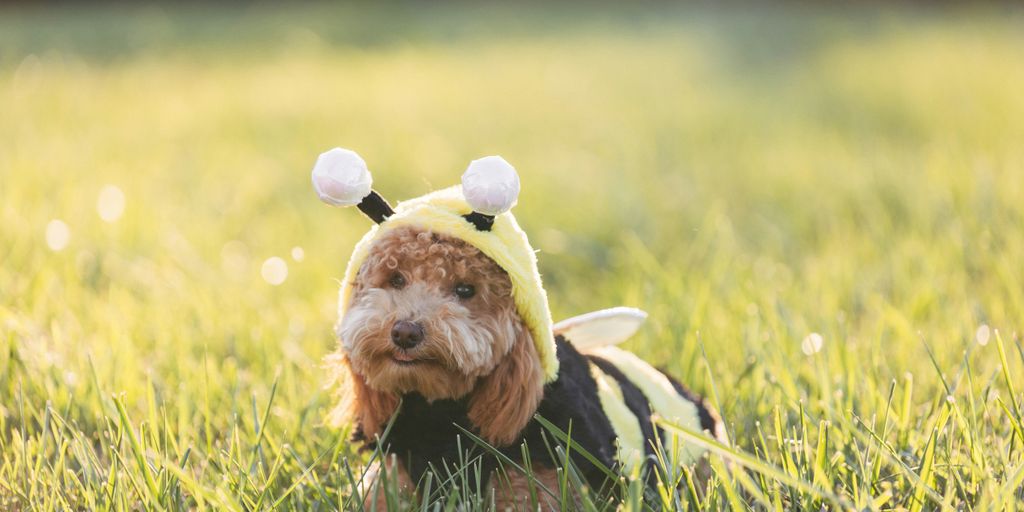
Choosing the right costume is super important for your dog’s comfort. It’s not just about how cute they look; it’s about how they feel. A happy dog is way more fun to show off than one that’s clearly miserable. Let’s dive into making sure your pup is comfy and stylish.
Select Comfortable Materials
Think about what the costume is made of. Opt for soft, breathable fabrics like cotton or fleece. Avoid anything scratchy, stiff, or that could cause irritation. Imagine wearing a wool sweater on a hot day – not fun, right? It’s the same for your dog. Also, consider the weather. A heavy costume in warm weather is a no-go, but something warmer might be nice if it’s chilly. If you’re crafty, you can even make a dog costume yourself to have total control over the materials.
Avoid Heavy Accessories
Keep it simple. Big, bulky accessories might look cool, but they can weigh your dog down and make it hard for them to move. Things that dangle can be tempting to chew on, which is a safety hazard. Think about how the costume will feel when your dog is walking, running, and playing. If it seems like it would get in the way, it probably will.
Ensure Proper Fit Without Restriction
A well-fitting costume is key. It shouldn’t be too tight, restricting movement, or too loose, causing it to slip and slide around. Make sure your dog can move their legs, head, and tail freely. Check that the costume doesn’t rub against their under-leg areas or genitals. It’s a good idea to measure your dog before buying a costume and compare those measurements to the costume’s size chart. A good fit ensures your dog can enjoy the festivities without feeling trapped or uncomfortable. Here are some things to keep in mind:
- Neck size
- Chest girth
- Body length
It’s better to err on the side of slightly too big than too small. You can always make alterations to a larger costume, but you can’t add material to one that’s too tight. Plus, a little extra room allows for more comfortable movement.
Gradual Introduction To Wearing Costumes
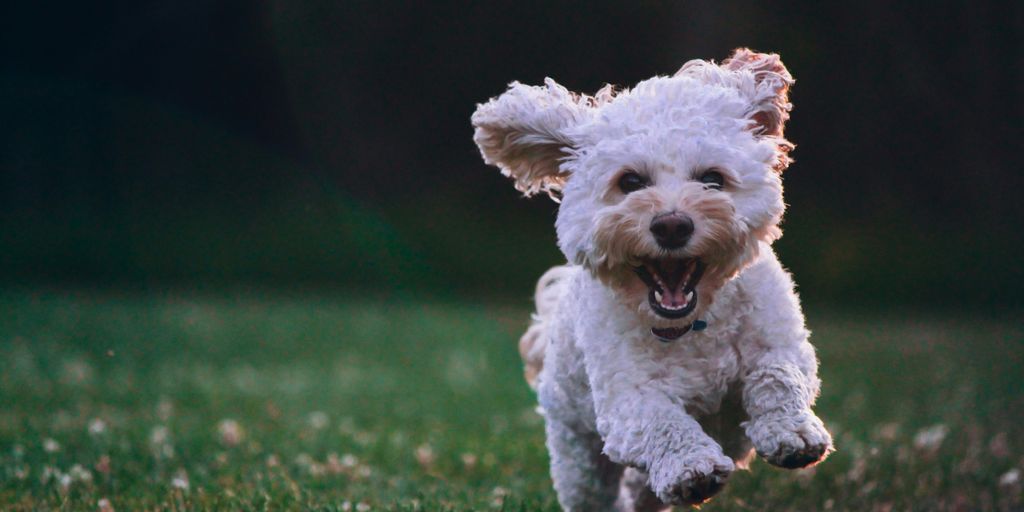
So, you’ve got the costume, and your dog has sniffed it a bunch. Now what? It’s time to actually get your dog wearing the thing, but patience is key. Don’t rush it! Think of it like introducing a toddler to broccoli – slow and steady wins the race. We want them to associate the costume with good things, not stress or fear.
Start With Short Exposure Times
Begin with just a few seconds. Seriously. Put a piece of the costume on for maybe 5-10 seconds, then take it off. Shower them with praise and treats during that brief time. The goal is to make it a positive experience, not a wrestling match. You can gradually increase the time as your dog gets more comfortable. Think baby steps, not leaps and bounds. If you’re planning to participate in Dress Up Your Pet Day, start the training weeks in advance.
Introduce One Piece At A Time
Don’t try to put the whole costume on at once! If it has multiple parts, introduce them one at a time. Maybe start with a hat, then a vest, then the pants (if there are pants). This prevents overwhelming your dog and allows them to adjust to each new sensation individually. It’s like layering clothes on a cold day – one piece at a time until you’re warm and cozy.
Use Treats To Encourage Participation
Treats are your best friend here. High-value treats, the kind your dog goes bonkers for. Use them liberally during the costume-wearing process. Hold a treat near the costume piece, so your dog has to interact with it to get the reward. This creates a positive association and makes them more willing to participate. Think of it as bribery, but in a good way.
It’s important to remember that every dog is different. Some will adapt quickly, while others may need more time and patience. Pay attention to your dog’s body language and adjust your training accordingly. If they seem stressed or uncomfortable, back off and try again later at a slower pace.
Desensitize Your Dog To The Costume
Okay, so your dog isn’t exactly thrilled about the costume. Totally normal! This is where desensitization comes in. We’re going to slowly get them used to the idea, making it a positive experience. It’s all about baby steps and lots of rewards. Think of it like introducing them to a new friend – you wouldn’t just throw them into the deep end, right?
Use Counter Conditioning Techniques
Counter conditioning is all about changing your dog’s emotional response to something. If they associate the costume with something negative (like fear or discomfort), we want to flip that script. How? By pairing the costume with something amazing – like their favorite treats! Every time the costume is present, good things happen. It’s like saying, "Hey, that weird outfit means yummy snacks are coming!" This helps them build a positive association over time. It’s a game changer.
Drape The Costume Over Your Dog
Don’t just try to shove your dog into the costume right away. That’s a recipe for disaster! Instead, start by simply draping the costume dog’s comfort over them for a few seconds. Make sure it’s loose and not constricting. If they stay calm, reward them immediately. Gradually increase the amount of time you leave the costume on them. The goal is to get them used to the feeling of the costume without causing any stress. Think of it as a gentle introduction, not a forced encounter.
Reward Calm Behavior With Treats
This is key! Every time your dog shows calm behavior around the costume – whether it’s just looking at it, sniffing it, or wearing it – shower them with praise and treats. This reinforces the idea that being calm and relaxed around the costume is a good thing. Use high-value treats that they absolutely love. This will make the experience even more rewarding for them. Consistency is important here. Make sure you reward them every time they exhibit the desired behavior.
Remember, patience is your best friend here. Some dogs may take longer to desensitize than others. Don’t get discouraged if your dog isn’t immediately comfortable with the costume. Just keep practicing and rewarding them for their progress. With time and consistency, you can help your dog learn to tolerate, and maybe even enjoy, wearing a costume.
Make Training Sessions Fun
It’s super important to keep things light and enjoyable when you’re teaching your dog to wear costumes. If it feels like a chore, they’re way less likely to cooperate. Think of it as a game, not a task!
Incorporate Playtime With Costumes
Turn costume time into playtime! Don’t just make them stand there. Get them moving. A great way to do this is to introduce garments during a regular play session. Toss a ball, play tug-of-war, or do whatever your dog loves. The goal is to associate the costume with fun and excitement. If they’re having a blast, they’ll forget they’re even wearing something silly.
Use High-Value Treats
Okay, let’s be real: treats are magic. But not just any treat will do. You need the really good stuff. Think small pieces of cooked chicken, cheese, or those super stinky training treats they go crazy for. Save these high-value treats specifically for costume training. This makes the experience extra special and gives them a major incentive to cooperate.
Here’s a quick guide to treat selection:
| Treat Type | Value Level | Best For |
|---|---|---|
| Kibble | Low | Basic commands, everyday rewards |
| Store-bought treats | Medium | Good behavior, occasional rewards |
| Cooked Chicken | High | Costume training, challenging situations |
| Cheese | High | Costume training, extra special rewards |
Remember, the goal is to make your dog associate the costume with positive experiences. By using high-value treats, you’re creating a strong incentive for them to participate and enjoy the process.
Celebrate Small Victories With Praise
Don’t wait for the grand finale to celebrate. Acknowledge every little step in the right direction. Did they let you put the costume over their head without fussing? Huge win! Shower them with praise, tell them how awesome they are, and give them a treat. Positive reinforcement is key. The more you celebrate their successes, the more confident and willing they’ll be to continue training.
Practice In Controlled Environments
It’s time to move beyond the living room once your dog seems comfortable with the costume indoors. The goal here is to generalize their positive associations with the costume to different places and situations. This step is vital for ensuring they’re relaxed and happy wearing their costume, even when there are distractions.
Take Trial Runs In Safe Spaces
Start with places your dog already knows and loves, like your backyard or a quiet park. The key is to avoid overwhelming them with too much, too soon. Put the costume on them briefly, offer praise and treats, and then take it off. Observe their body language closely. If they seem anxious or stressed, shorten the trial runs and go back a step in the training process.
Gradually Increase Exposure Duration
As your dog becomes more comfortable in familiar environments, slowly increase the amount of time they wear the costume. Begin with just a few minutes, and gradually extend it as they show signs of relaxation. Don’t rush this process; some dogs may need several sessions at each duration before they’re ready to move on. Remember, off-leash dog training can be a great way to build trust and confidence during these trial runs.
Monitor Your Dog’s Comfort Level
Pay close attention to your dog’s body language throughout the training process. Look for signs of stress, such as panting, lip licking, whale eye (showing the whites of their eyes), or a tucked tail. If you notice any of these signs, immediately remove the costume and end the session on a positive note with lots of praise and a favorite treat. It’s always better to err on the side of caution and avoid pushing your dog beyond their comfort zone.
Remember, the goal is to make wearing a costume a positive experience for your dog. By practicing in controlled environments and carefully monitoring their comfort level, you can help them feel confident and relaxed in their costume, no matter where they are.
Maintain Consistency Throughout Training
Training your dog to wear a costume isn’t a one-time event; it’s an ongoing process. Think of it like teaching them any other trick or behavior. You wouldn’t expect them to master ‘sit’ after just one session, right? The same applies here. Consistency is key to ensuring your dog remains comfortable and happy wearing their costume. It’s about building a positive, lasting association, not just getting them through one Halloween.
Schedule Regular Training Sessions
Set aside specific times for costume training, even if it’s just for a few minutes each day. Short, frequent sessions are much more effective than long, infrequent ones. Aim for a time when your dog is relaxed and receptive to learning. Maybe after their morning walk or before dinner. This helps them anticipate the training and associate it with a routine. Make sure you have tasty treats ready!
Be Patient And Persistent
Some dogs will take to costumes right away, while others may need more time and encouragement. Don’t get discouraged if your dog doesn’t immediately love wearing their outfit. Patience is crucial. Keep the sessions positive and upbeat, and avoid pushing your dog too far, too fast. Celebrate small wins, and remember that every dog learns at their own pace.
Adjust Training Based On Your Dog’s Reactions
Pay close attention to your dog’s body language during training. Are they showing signs of stress, such as panting, lip licking, or whale eye (when you can see the whites of their eyes)? If so, it’s time to scale back the training or take a break. The goal is to make the experience positive, so adjust your approach based on their individual needs and reactions. If they seem uncomfortable with a certain part of the costume, maybe try a different comfortable costume altogether.
Remember, the ultimate goal is for your dog to feel comfortable and safe. If they’re truly unhappy wearing a costume, it’s okay to skip it. Their well-being is always the top priority. It’s better to have a happy, costume-free dog than a stressed-out one in a fancy outfit.
To get the best results in dog training, it’s really important to stay consistent. This means practicing the same commands and rules every time. If you change things up too much, your dog might get confused. So, stick to your training plan and keep practicing regularly. For more tips and resources on dog training, visit our website today!
Wrapping It Up: Costume Training Success
So, there you have it! Training your dog to wear a costume can be a fun experience if you take it slow and keep it positive. Remember, start early, keep sessions short, and use plenty of treats and praise. Your pup might surprise you and end up loving their costume, especially if it means getting extra attention. Just be patient and let them get used to it at their own pace. Before you know it, your furry friend will be ready to strut their stuff in style, whether it’s for Halloween or any other occasion. Happy training!
Frequently Asked Questions
How can I help my dog get used to wearing a costume?
Start by introducing the costume slowly, using treats and praise to create a positive experience. Let your dog wear it for short periods to help them feel more comfortable over time.
What should I consider when choosing a costume for my dog?
Look for costumes made from soft materials that won’t irritate your dog’s skin. Avoid heavy accessories and make sure the costume fits well without being too tight.
What if my dog seems scared of the costume?
Take it slow! Use gentle exposure techniques, such as letting them sniff the costume first, and reward them for calm behavior with treats.
How long does it take for a dog to get used to wearing a costume?
It can take a few weeks for a dog to feel comfortable in a costume. Be patient and consistent with your training.
Can I train my dog to wear costumes for occasions other than Halloween?
Absolutely! You can train your dog to wear costumes for any occasion, like birthdays or holidays, using the same techniques.
What are some fun ways to encourage my dog to wear a costume?
Make training sessions fun by incorporating playtime and using high-value treats. Celebrate their progress with lots of praise and attention!