
Want to let your dog run free, but still keep them safe? It’s a common wish for dog owners. This guide will show you how to get your dog ready for off-leash adventures, focusing on how using GPS trackers in dog training can add an extra layer of security. We’ll cover everything from basic training to cool tech tools, helping you and your dog enjoy more freedom together.
Key Takeaways
- Before letting your dog off-leash, make sure they understand basic commands and you know the local rules.
- GPS trackers help you keep an eye on your dog’s location in real-time and set up safe zones.
- Consistent training and positive rewards are super important for off-leash success.
- Technology, like GPS trackers and training apps, can really help improve your dog’s training.
- Short, fun training sessions and staying consistent with commands will get you the best results.
Understanding Off-Leash Dog Training
Defining Off-Leash Freedom
Off-leash training is more than just letting your dog run wild; it’s about responsible freedom. It means your dog can enjoy open spaces while still listening to your commands and staying safe. It’s about building a relationship based on trust and communication, so your dog chooses to stay with you, even without a leash. This level of freedom can greatly enrich your dog’s life, allowing them to explore and exercise in a natural way. It’s a big step up from regular walks, but it requires careful planning and consistent training.
Assessing Your Dog’s Readiness
Before you even think about taking your dog off-leash, you need to be honest about their current training level. Does your dog consistently respond to basic commands like "sit," "stay," and, most importantly, "come"? Do they have good impulse control, or are they easily distracted by squirrels, other dogs, or interesting smells? It’s also important to consider their temperament. Are they friendly and well-socialized, or do they tend to be reactive or aggressive? Answering these questions honestly will help you determine if your dog is truly ready for off-leash freedom. Here are some key indicators:
- Reliable recall in a controlled environment
- Consistent obedience to basic commands
- Good socialization skills with people and other dogs
It’s better to be overly cautious than to put your dog or others at risk. If you have any doubts about your dog’s readiness, it’s best to work with a professional trainer to address any issues before attempting off-leash training.
Legal Considerations for Off-Leash Areas
Not every park or open space allows dogs to be off-leash. It’s your responsibility to know and follow the local leash laws. Many areas have designated off-leash dog parks, but even these may have specific rules and regulations. Ignoring these laws can result in fines, or worse, if your dog causes an accident or injury. Always check the local ordinances and posted signs before letting your dog off-leash. Also, be aware of any seasonal restrictions, such as during nesting season for birds or other wildlife. Make sure you’re aware of any leash laws in your area. Being a responsible dog owner means respecting the rules and regulations of the community.
Mitigating Risks in Off-Leash Environments
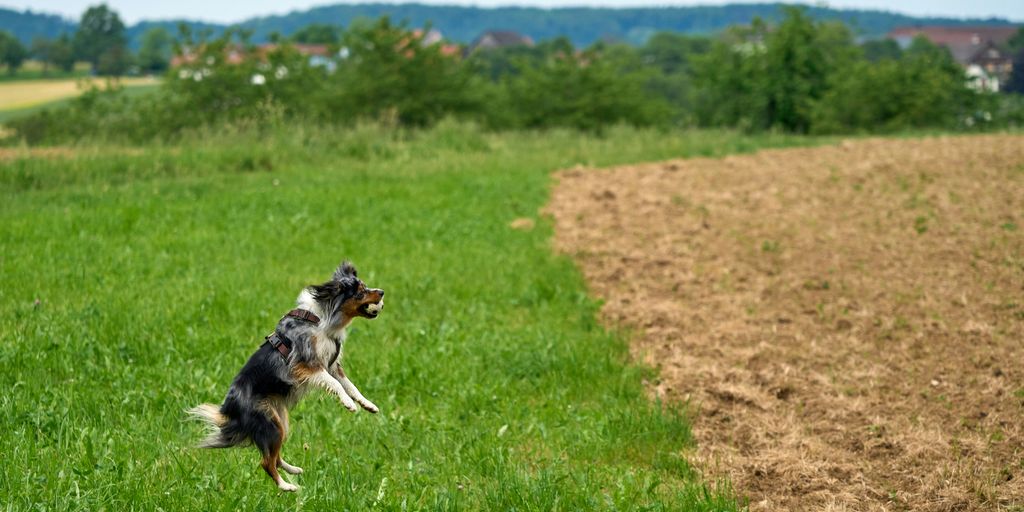
Off-leash freedom is awesome, but it comes with responsibilities. It’s not just about letting your dog run wild; it’s about managing potential problems to keep your dog safe, other people safe, and to respect the rules of the area. You can use a dog GPS tracker to help.
Identifying Potential Hazards
Off-leash areas aren’t always risk-free. Think about what could go wrong. Are there busy roads nearby? Could your dog encounter wildlife like squirrels they might chase into traffic, or even something dangerous like a snake? What about other dogs? Not all dogs are friendly, and even a playful encounter can turn sour quickly. It’s important to scout the area beforehand and be aware of these potential dangers.
- Traffic
- Wildlife
- Other Dogs
- Poisonous Plants
Preventing Your Dog From Bolting
One of the biggest fears of any dog owner is their dog running off. Dogs bolt for all sorts of reasons: they see something interesting, they get scared by a loud noise, or they just decide they want to explore. A solid recall command is key, but it’s not foolproof. Make sure your dog’s recall is rock solid before letting them off-leash, and always be vigilant. A long leash can be a good intermediate step.
It’s a good idea to practice recall in a safe, enclosed area before trying it in a more open environment. Start with short distances and gradually increase the distance as your dog gets better. Use high-value treats and lots of praise to reinforce the behavior.
Ensuring Public Safety and Etiquette
It’s not just about your dog’s safety; it’s about being a responsible dog owner and respecting others. Not everyone loves dogs, and even those who do might not appreciate a strange dog running up to them. Keep your dog under control, be mindful of other people and their pets, and always clean up after your dog. Some people are afraid of dogs, so be respectful of their space. Always be aware of leash laws in your area.
- Keep your dog in sight
- Clean up after your dog
- Respect other people’s space
Integrating GPS Trackers for Enhanced Safety
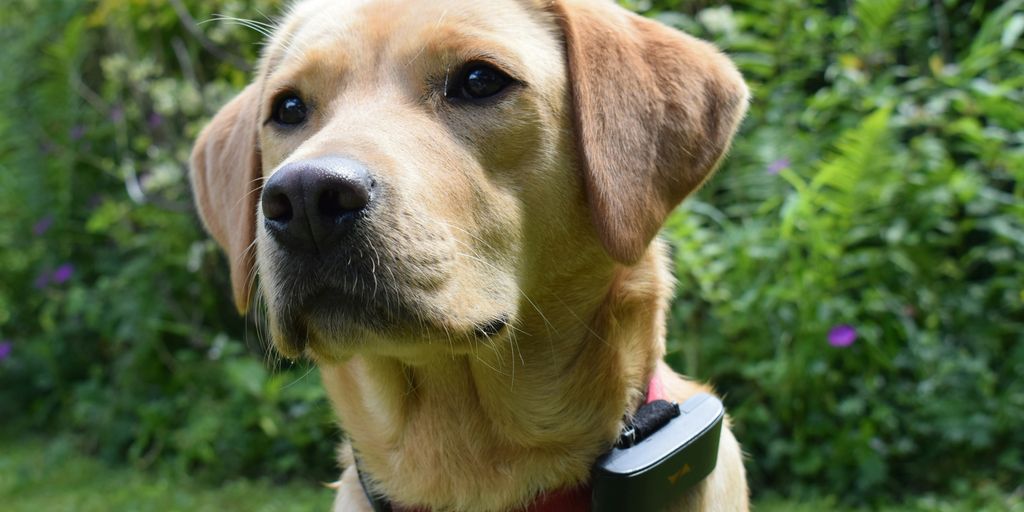
GPS trackers are a game-changer when it comes to off-leash dog training. They provide an extra layer of security and peace of mind, allowing you to monitor your dog’s whereabouts and react quickly if they wander too far. I remember when I first started using a tracker; it completely changed my confidence level during our off-leash sessions. It’s not just about knowing where they are; it’s about being able to intervene before a small adventure turns into a big problem.
Real-Time Location Monitoring
The primary benefit of a GPS tracker is, of course, the ability to see your dog’s location in real-time. This is especially useful in unfamiliar or densely wooded areas. Instead of constantly scanning the horizon, you can glance at your phone and know exactly where your furry friend is. It’s like having a digital leash, even when they’re running free. I find it particularly helpful when my dog is exploring and I want to make sure they aren’t getting too close to roads or other hazards. You can easily track their every move with a quick glance at your phone.
Setting Up Virtual Fences
Virtual fences, or geofences, are another fantastic feature. You can define safe zones, and if your dog crosses the boundary, you’ll receive an alert. This is great for preventing them from wandering into areas with potential dangers, like busy streets or neighboring properties. I set up a virtual fence around the perimeter of the park we frequent, and it’s saved me a few times when my dog got a little too curious about what was on the other side of the trees. It’s like having an invisible barrier that keeps them safe and sound.
Emergency Tracking and Retrieval
In the unfortunate event that your dog does bolt or get lost, a GPS tracker can be invaluable for emergency tracking and retrieval. The ability to pinpoint their exact location significantly increases the chances of a quick and safe reunion. I’ve heard stories of dogs being found miles away thanks to their trackers, and it’s a comforting thought to know that technology can help bring them home. It’s not something anyone wants to think about, but being prepared for an emergency is part of responsible dog ownership.
A GPS tracker is not a substitute for proper training and responsible supervision. It’s a tool to enhance safety, not a replacement for it. Always prioritize building a strong recall and maintaining control over your dog, even when they’re off-leash.
Foundational Obedience for Off-Leash Success
Mastering Basic Commands
Before even thinking about letting your dog roam free, it’s vital they know their basic commands. We’re talking sit, stay, come, down, and leave it. These aren’t just cute tricks; they’re safety nets. Think of it like this: if your dog is about to run into traffic, a solid "stay" could save their life. Start with on-leash training in a controlled environment, like your living room or backyard. Once they’ve nailed it there, gradually introduce distractions. Remember, consistency is key.
The Importance of Consistent Training
Training isn’t a one-and-done thing. It’s an ongoing process. You can’t expect your dog to listen perfectly if you only practice once a month. Short, frequent sessions are way more effective than long, infrequent ones. Aim for at least 10-15 minutes of training every day. And don’t just drill the commands; make it fun! Use toys, treats, and praise to keep your dog engaged. Also, remember to proof your commands in different environments. What works in your backyard might not work at the park with squirrels running around. You need to practice everywhere. This is where a GPS tracker can be helpful to monitor progress.
Utilizing Positive Reinforcement Techniques
Forget about punishment. Positive reinforcement is the way to go. Reward your dog for good behavior, and ignore or redirect bad behavior. Treats are great, but praise, toys, and even a simple pat on the head can work wonders. Find what motivates your dog and use it to your advantage. The goal is to create a positive association with training, so your dog actually wants to listen to you.
Think of training like building a relationship. You want your dog to trust you and want to please you. Positive reinforcement helps build that bond, making training more effective and enjoyable for both of you.
Here’s a quick guide to positive reinforcement:
- Identify what motivates your dog (treats, toys, praise).
- Reward desired behaviors immediately.
- Keep training sessions short and fun.
- Be consistent with your commands and rewards.
- Gradually fade out treats as your dog becomes more reliable.
Advanced Training with GPS Tracker Insights
Analyzing Movement Patterns
Okay, so you’ve got your dog kitted out with a GPS tracker, and they’ve mastered the basics. Now it’s time to get a little bit more advanced. One of the coolest things you can do is analyze your dog’s movement patterns. Are they consistently veering off to the same spot during walks? Maybe there’s a particularly interesting smell there, or another dog they like to greet. Understanding these patterns can help you anticipate their behavior and work on redirecting them if needed. It’s like having a little spy on your own dog!
- Identify common routes.
- Note areas of high activity.
- Look for deviations from the norm.
Identifying Training Hotspots
Ever notice how your dog seems to forget everything you’ve taught them the second you step into a certain park? GPS data can help you pinpoint these training hotspots. By looking at where your dog’s recall or obedience starts to falter, you can focus your training efforts in those specific locations. It’s all about addressing the challenges where they actually occur. For example, if the data shows your dog’s recall is terrible near the dog park, that’s where you need to spend more time practicing. This is way more effective than just doing drills in your backyard.
Customizing Training Routines
The real power of GPS trackers comes from using the data to customize your dog’s training. Instead of following a generic training plan, you can tailor your approach to your dog’s specific needs and tendencies. If the tracker shows they’re always pulling to the left on walks, you can work on leash manners specifically targeting that behavior. Or, if they tend to wander off in a certain direction, you can practice recall in that area with increasing levels of distraction. It’s all about making the training relevant and effective for your individual dog. You can even use the Fi Smart Dog Collar to track their activity levels and adjust training intensity accordingly.
Using GPS data to customize training routines is a game-changer. It allows you to address specific behavioral issues in real-world scenarios, leading to faster and more lasting results.
Leveraging Technology in Dog Training
Technology has really changed the game when it comes to dog training. It’s not just about treats and commands anymore; we’ve got apps, gadgets, and even AI helping us understand our furry friends better. It’s pretty cool how much easier and more effective training can be with these tools.
Exploring Dog Training Applications
Dog training apps are everywhere, and they’re not all created equal. Some offer basic command tutorials, while others provide personalized training plans based on your dog’s breed, age, and temperament. The best apps often include video demonstrations, progress tracking, and even the ability to connect with certified trainers for one-on-one guidance. It’s like having a dog training expert in your pocket. For example, apps like Puppr and Dogo offer structured programs and community support. It’s important to read reviews and try out a few different apps to find one that fits your needs and training style. Don’t forget to keep the app updated to get the latest features and bug fixes. Ignoring app updates can mean missing out on improvements.
Benefits of Wearable Devices
Wearable tech isn’t just for humans anymore. Dog activity trackers and GPS collars can provide a wealth of information about your dog’s activity levels, sleep patterns, and even stress levels. This data can be incredibly useful for tailoring your training approach. For example, if you notice that your dog is particularly restless on certain days, you might adjust your training schedule to accommodate their energy levels. GPS collars, like those from Dogtra, offer real-time location monitoring, which is especially helpful for off-leash training.
Wearable devices can also help you identify potential health issues early on. Changes in activity levels or sleep patterns can be indicators of underlying medical conditions, allowing you to seek veterinary care sooner rather than later.
Here’s a simple example of how activity data might look:
| Activity | Duration (minutes) | Calories Burned |
|---|---|---|
| Walking | 30 | 150 |
| Running | 15 | 100 |
| Resting | 60 | 30 |
Tracking Progress and Milestones
One of the biggest advantages of using technology in dog training is the ability to track progress and celebrate milestones. Many apps and devices offer features that allow you to record your dog’s performance, monitor their improvement over time, and even earn badges or rewards for achieving specific goals. This can be incredibly motivating for both you and your dog. Plus, it provides a tangible record of your training journey, which can be helpful for identifying areas where your dog may need extra support. Gamification and challenges within apps can keep owners engaged. It’s a fun way to stay consistent with training and share progress. Remember, training is a lifelong process, and technology can make it more accessible and enjoyable. Don’t ignore your dog’s body language; adjust the training pace to keep your dog comfortable and engaged. The clickers that accompany TrainAway can turn the rain into a more useful one. This technology is the catalyst that speeds up the learning process while encouraging users to behave well. The dog whistle might be a great tool for the pet owner to facilitate the dog to learn and attach to the master.
Here are some ways to track progress:
- Record training sessions and note areas for improvement.
- Use apps to track command success rates over time.
- Set specific, measurable goals and celebrate when you achieve them.
Expert Tips for Effective GPS Tracker Use
Keeping Training Sessions Engaging
It’s easy for both you and your dog to get bored during training, so variety is key. Mix up the activities, locations, and rewards to keep things fresh. Don’t just drill the same commands over and over. Try incorporating games or challenges that utilize the GPS tracker’s features. For example, set up a virtual fence and reward your dog for staying within the boundary, then gradually increase the size or complexity of the area. This keeps them mentally stimulated and eager to participate. Remember, a tired dog is a good dog, but a bored dog is a destructive one!
Maintaining Command Consistency
Consistency is super important. If you use the command "Come" one way today and another way tomorrow, your dog will get confused. Make sure everyone in the family uses the same commands and hand signals. This includes tone of voice and body language. If you’re not consistent, your dog won’t be either. It’s also a good idea to practice in different environments to generalize the commands. You can even use a dog training app to help you keep track of your progress.
Gradually Introducing Distractions
Start training in a quiet, controlled environment, like your living room. Once your dog has mastered the basics, slowly introduce distractions. This could be anything from a squeaky toy to another person walking by. The GPS tracker can be helpful here, as it allows you to monitor your dog’s location even when they’re distracted. If they start to wander off, you can use the tracker to guide them back. Remember to reward them for staying focused, even with distractions present. This will help them learn to obey commands in any situation. It’s also important to be aware of potential hazards in off-leash environments.
Training isn’t a one-time thing; it’s an ongoing process. Even after your dog has mastered the basics, it’s important to continue practicing and reinforcing their training. This will help them stay sharp and prevent them from reverting to bad habits. Think of it like maintaining a car – you can’t just drive it and expect it to run forever without any maintenance. The same goes for dog training.
Want to get the most out of your GPS tracker? Knowing how to use it right makes all the difference. Our website has even more great advice to help you keep track of what matters most. Check out our full guide for all the details!
Wrapping Things Up
So, that’s the scoop on using GPS trackers in your dog’s training. It’s pretty clear these gadgets can really help you out, whether you’re just starting with basic commands or trying to get your dog ready for off-leash adventures. They give you a little extra peace of mind, knowing you can always find your buddy if they wander off. Plus, seeing where they go can actually help you understand their habits better, which is pretty cool. It’s not about replacing good old training, but more about adding a smart tool to your kit. So, go ahead, give it a try. You might be surprised how much easier and less stressful dog training can become when you’ve got a little tech on your side.
Frequently Asked Questions
What exactly is a GPS tracker for dogs?
A GPS tracker is like a small device you attach to your dog’s collar. It uses satellites to figure out where your dog is and sends that info to your phone. This means you can always see your dog’s location on a map, even if they run off.
Are GPS trackers safe for my dog to wear?
Yes, they are! Most GPS trackers are made to be tough and safe for dogs. They’re usually small and light, so your dog won’t even notice it. Just make sure it fits well and doesn’t bother them.
How can a GPS tracker help with off-leash training?
GPS trackers are super helpful for off-leash training. If your dog wanders too far, you can quickly find them. You can also set up ‘virtual fences’ on your phone, and the tracker will tell you if your dog leaves a safe area. This gives you peace of mind while they explore.
Does a GPS tracker replace actual dog training?
Not really. While a GPS tracker is great for finding your dog, it doesn’t train them. You still need to teach your dog basic commands like ‘come’ and ‘stay’. The tracker is more of a safety net and a way to keep an eye on them.
Do GPS trackers work everywhere, like in thick forests?
Most GPS trackers work pretty well in open spaces where they can get a clear signal from satellites. In really dense woods or areas with lots of tall buildings, the signal might be a bit weaker, but they usually still give you a good idea of where your dog is.
How long does the battery last on a dog GPS tracker?
The battery life depends on the brand and how often you check your dog’s location. Some last a few days, while others can go for weeks. It’s a good idea to charge it regularly, especially before you go on a big adventure.