
Winter can be a tough season for our furry friends, but with the right approach, we can keep them active and happy. It’s important to adapt our dog training methods to the colder months, ensuring they get enough exercise and mental stimulation. Here are some essential winter dog training tips to help your pup thrive during the chilly season.
Key Takeaways
- Understand your dog’s exercise needs based on breed, age, and health.
- Incorporate both indoor and outdoor activities to keep your dog engaged.
- Protect your dog’s paws from cold and harmful substances like salt.
- Establish a consistent exercise routine to prevent boredom and anxiety.
- Stay mindful of your dog’s hydration and nutritional needs during winter.
Understanding Your Dog’s Exercise Needs in Winter
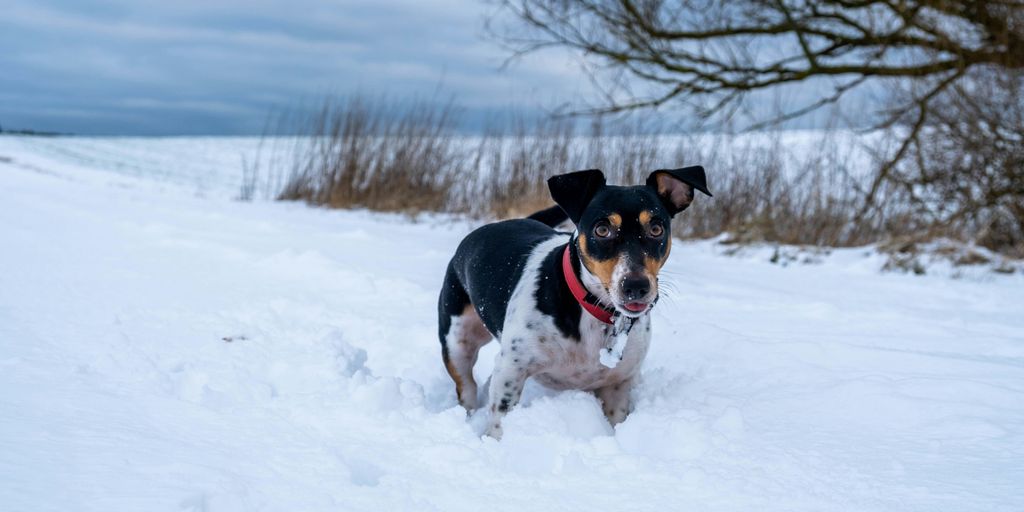
Before diving into winter activities, it’s important to understand that each dog has specific exercise needs. What works for a husky won’t necessarily work for a chihuahua. It’s all about tailoring the plan to your individual pup.
Tailoring Activities to Breed
Some breeds, like Border Collies or Australian Shepherds, are basically furry energy bombs. They need a lot more activity than, say, a Bulldog. Consider your dog’s breed and what they were originally bred for. Herding dogs need to herd, retrievers need to retrieve, and so on. If you can’t provide the original job, find a substitute that uses similar skills and energy levels. For example, a herding ball can be a great substitute for sheep.
Adjusting for Age and Health
An energetic puppy has different needs than a senior dog with arthritis. Puppies need shorter, more frequent bursts of activity to avoid overdoing it and damaging their developing joints. Older dogs might need slower, gentler exercise to manage pain and stiffness. If your dog has any health issues, talk to your vet about appropriate activity levels and modifications.
Recognizing Signs of Fatigue
It’s easy to get carried away when you’re having fun, but it’s crucial to watch for signs that your dog is getting tired. These can include:
- Excessive panting
- Slowing down or stopping
- Lying down and refusing to move
- Stumbling or weakness
- Changes in behavior (e.g., becoming irritable)
If you notice any of these signs, stop the activity immediately and let your dog rest. Pushing them too hard can lead to injury or exhaustion. Always bring water and offer it frequently, even if they don’t seem thirsty. It’s better to be safe than sorry when it comes to your dog’s well-being.
Outdoor Winter Dog Activities
Even when it’s cold, there are still ways to keep your dog active outside. It’s important to remember that not all dogs are built for the cold, so keep an eye on them and adjust activities as needed. With a little planning, you and your pup can enjoy the winter wonderland together.
Morning Walks for Mental Stimulation
Don’t underestimate the power of a simple morning walk. Even a short stroll can provide your dog with the mental stimulation they need to start the day off right. The new sights, sounds, and smells of winter can be incredibly engaging for them. It’s a great way to start the day on a positive note.
Winter Hiking Adventures
If you and your dog are up for a bit more adventure, consider a winter hike. Look for pet-friendly trails and be sure to watch for signs of fatigue or cold-related stress. Dress your dog appropriately, and bring plenty of water for both of you. Remember, safety first! Here are some things to keep in mind:
- Check the weather forecast before you go.
- Choose a trail that is appropriate for your dog’s fitness level.
- Bring a first-aid kit.
Hiking with your dog in winter can be a great way to bond and enjoy the outdoors. Just be prepared and prioritize their well-being.
Snowshoeing and Sledding Fun
For dogs with lots of energy, snowshoeing or sledding can be a blast. If you’re into snowshoeing, get your dog used to being around the snowshoes first. Sledding can be fun if your dog enjoys pulling or running alongside. Always supervise your dog closely and make sure they don’t get too tired. It’s all about finding activities that you both enjoy and can do safely. Remember to monitor your dog closely.
Indoor Winter Dog Training Techniques
When the weather outside is frightful, keeping your dog mentally and physically stimulated indoors becomes super important. It’s easy for them to get bored and restless, which can lead to unwanted behaviors. But don’t worry, there are plenty of fun and effective ways to keep your pup engaged without stepping outside.
Setting Up Agility Courses
Who says agility is just for outdoors? You can create a mini-agility course right in your living room! Use household items like pillows, blankets, chairs, and even cardboard boxes to create jumps, tunnels, and weave poles. Start simple and gradually increase the difficulty as your dog gets the hang of it. This is a great way to burn energy and improve their coordination. Just make sure the area is safe and free of anything they could knock over and break. My dog, Max, absolutely loves this, and it’s amazing to see him navigate the course with such enthusiasm. You can even use treats to motivate your dog and make it more rewarding.
Engaging Brain Teasers
Brain games are a fantastic way to challenge your dog mentally and prevent boredom. There are tons of puzzle toys available that require your dog to solve a problem to get a treat. These puzzles can range from simple hiding games to more complex contraptions that require multiple steps. Start with easier puzzles and gradually introduce more challenging ones as your dog gets better. This not only keeps them entertained but also helps improve their problem-solving skills. I usually give Luna a puzzle toy while I’m working, and it keeps her occupied for a good chunk of the afternoon.
Interactive Playtime Ideas
Interactive play is all about engaging with your dog and providing them with mental and physical stimulation. This could include games like fetch, tug-of-war, or hide-and-seek. The key is to be actively involved and make it fun for your dog. For example, instead of just throwing a ball, try hiding it and having them use their nose to find it. Or, play tug-of-war with a rope toy, letting them win sometimes to keep them motivated. Interactive play not only burns energy but also strengthens the bond between you and your furry friend.
Remember to keep training sessions short and positive. End on a high note, and always reward your dog for their efforts. Consistency is key, so try to incorporate these indoor activities into your daily routine, even if it’s just for a few minutes each day. This will help keep your dog happy, healthy, and well-behaved throughout the winter months.
Here are some ideas for interactive play:
- Hide-and-Seek: Hide treats or toys around the house and let your dog find them.
- Tug-of-War: A classic game that’s great for building strength and bonding.
- Fetch: Even indoors, you can play fetch in a hallway or open space.
Keeping Your Dog Safe in Cold Weather
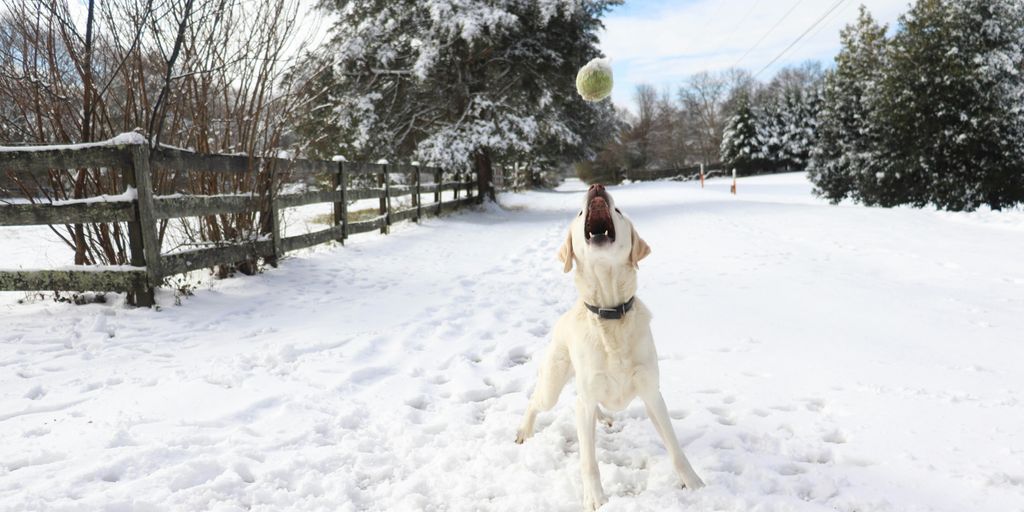
Winter can be a blast for you and your furry friend, but it’s super important to take extra precautions to keep them safe from the cold. I’ve learned a few things over the years, and I want to share them so your pup stays happy and healthy all season long.
Protecting Paws from Ice and Salt
Those adorable paws need some serious protection! Ice and salt can be really harsh. I always try to avoid areas that are heavily salted, but sometimes it’s unavoidable. Here’s what I do:
- Dog booties: These are a lifesaver! It might take a little getting used to, but they really shield paws from the elements. I recommend getting a few pairs, because they can get lost easily.
- Paw wax: If your dog hates booties (and some do!), paw wax is a good alternative. It creates a barrier against salt and ice.
- Warm water wash: After every walk, I give my dog’s paws a good rinse with warm water. This gets rid of any lingering salt or chemicals. It’s a simple step that makes a big difference. Make sure to dry them thoroughly afterwards!
Choosing Appropriate Winter Gear
Not all dogs are built for winter. Some breeds, like Huskies, are made for the cold, but others, especially those with short hair, need extra help. A good warming coat is a must-have for many dogs. I usually look for coats that are waterproof and cover a good portion of their body. Also, consider a sweater underneath for extra warmth on really cold days. It’s all about layering!
Monitoring for Hypothermia Signs
Hypothermia is a serious risk in the winter. It’s important to know the signs so you can act quickly. Here’s what to watch out for:
- Shivering: This is usually the first sign.
- Lethargy: If your dog seems unusually tired or weak, that’s a red flag.
- Muscle stiffness: Difficulty moving or stiff muscles can indicate hypothermia.
- Pale gums: Check your dog’s gums. If they’re pale, it’s a sign of concern.
If you suspect your dog has hypothermia, get them inside immediately and wrap them in warm blankets. Use a hair dryer on a low setting to gently warm them up, but be careful not to burn their skin. Contact your vet right away. It’s always better to be safe than sorry.
Remember, winter can be a wonderful time for you and your dog, but it’s important to be prepared and take the necessary precautions. A little extra care can go a long way in keeping your furry friend safe and happy all season long. Don’t forget to schedule those winter wellness checks with your vet!
The Importance of Consistent Exercise
Winter can throw a wrench into your dog’s regular exercise routine, but it’s super important to keep them active. It’s easy to let things slide when it’s cold and snowy, but consistent exercise is key for their physical and mental well-being. Think of it like this: a tired dog is a good dog! Regular activity helps burn off excess energy, preventing boredom and destructive behaviors. Plus, it’s a great way to strengthen the bond between you and your furry friend. Let’s face it, we all feel a little cooped up in the winter, and our dogs are no different.
Establishing a Routine
Setting up a consistent schedule is half the battle. Dogs thrive on routine, so try to stick to a similar exercise time each day, even if it’s just a shorter walk or indoor play session. This helps them anticipate activity and can reduce anxiety. It doesn’t have to be rigid, but having a general plan will make it easier to stay on track. For example, maybe a quick walk before breakfast and a longer play session in the evening. Even on the coldest days, a little bit of something is better than nothing. Think of it as winter dog activities to keep them happy.
Benefits of Regular Activity
Regular exercise isn’t just about burning calories; it has a ton of other benefits too. It helps maintain a healthy weight, which is especially important in winter when dogs tend to be less active. It also strengthens their muscles and bones, improves cardiovascular health, and boosts their immune system. Plus, it’s a great way to provide mental stimulation, which can prevent boredom and destructive behaviors. A well-exercised dog is generally a happier and healthier dog.
- Maintains a healthy weight
- Strengthens muscles and bones
- Improves cardiovascular health
- Boosts the immune system
Preventing Boredom and Anxiety
Winter can be a tough time for dogs who are used to running around outside. All that pent-up energy can lead to boredom, which often manifests as destructive behaviors like chewing, barking, and digging. Consistent exercise, even indoors, can help alleviate boredom and reduce anxiety. It gives them a positive outlet for their energy and helps them feel more relaxed and content. Think of it as a way to keep them mentally stimulated and physically satisfied during the long winter months.
Socialization Opportunities During Winter
Winter doesn’t have to mean your dog’s social life goes into hibernation! It’s still super important for them to interact with other dogs and people, even when it’s chilly. You just have to get a little creative.
Dog Parks in Winter
Dog parks can still be an option, but you need to be smart about it. Check the park’s conditions before you go. Is it icy? Is there a ton of snow? If so, it might not be safe. Also, keep an eye on your dog and other dogs to make sure everyone is playing nicely and safely. Shorter visits might be better in really cold weather. Remember to bring winter dog gear to keep your pup warm.
Organizing Playdates
Why not host a doggy playdate at your place? If you have the space, invite a few of your dog’s friends over for some indoor fun. You can set up some toys, play some games, and let them run around and burn off some energy. It’s a great way to keep them socialized and active when it’s too cold to be outside for long. Make sure all the dogs get along well to avoid any scuffles. It’s also a good idea to have some engaging brain teasers available.
Participating in Training Classes
Winter is a perfect time to brush up on your dog’s training! Sign up for a class – obedience, agility, or even just a fun tricks class. It’s a great way for your dog to socialize with other dogs and people in a controlled environment, and they’ll learn something new too. Plus, it’s a good way for you to bond with your dog and keep them mentally stimulated during the long winter months. Consistent training is key, and classes offer a structured way to achieve that. Regular training can help with preventing boredom and anxiety.
Don’t let the winter blues get you and your dog down. Socialization is still important, and with a little planning, you can find plenty of ways to keep your dog happy and social all winter long. Just remember to prioritize safety and comfort, and you’ll both have a great time.
Hydration and Nutrition in Winter
Importance of Water Intake
It’s easy to forget about hydration when it’s cold, but dogs need just as much water in the winter as they do in the summer. The dry air from indoor heating can actually make them more dehydrated. Make sure fresh water is always available. If your dog isn’t drinking enough, try adding a little bit of low-sodium chicken broth to their water to make it more appealing. You can also try a pet water fountain, some dogs prefer running water. Remember to keep an eye on their water bowl and refill it regularly, preventing ice formation.
Adjusting Diet for Activity Levels
If your dog is less active during the winter, you might need to adjust their diet to prevent weight gain. Overfeeding can lead to obesity, which can cause a whole host of health problems. Talk to your vet about the right amount of food for your dog’s breed, age, and activity level. If your dog is still getting plenty of exercise, you might not need to change their diet at all. It really depends on the individual dog. Consider consulting with a vet to determine the best course of action. You can also try:
- Reducing the portion size slightly.
- Switching to a food with fewer calories.
- Cutting back on treats.
Snacks for Energy During Activities
For dogs who are still active in the winter, providing them with healthy snacks can help maintain their energy levels. Think of it like fueling up for a hike! Good options include small pieces of cooked chicken, sweet potato, or even a few of their regular kibble pieces. Avoid giving them too many treats, as this can lead to weight gain. Always make sure the snacks are safe for dogs and don’t contain any harmful ingredients like chocolate or grapes. Remember to factor in these extra calories when calculating their daily food intake. Consider wet food to increase hydration.
It’s important to monitor your dog’s weight and adjust their diet and exercise accordingly. Regular vet checkups are crucial to ensure they stay healthy and happy throughout the winter months. Don’t hesitate to ask your vet for advice on the best way to care for your dog during the colder months.
During winter, it’s super important to stay hydrated and eat well. Cold weather can make you feel less thirsty, but your body still needs water. Drinking enough fluids helps keep your skin healthy and your energy up. Eating warm, nutritious meals can also boost your mood and keep you feeling good. So, make sure to drink water and enjoy hearty foods this winter! For more tips on staying healthy, visit our website!
Wrapping It Up for a Happy Winter with Your Dog
So, there you have it! Keeping your dog active and happy during winter doesn’t have to be a chore. With a bit of planning and creativity, you can turn those chilly days into fun adventures. Remember, it’s all about finding what works best for your pup. Whether it’s a brisk morning walk, some indoor games, or a snowy hike, just make sure to keep an eye on their comfort and safety. A little extra effort goes a long way, and your furry friend will definitely appreciate it. So bundle up, grab those treats, and enjoy the winter wonderland together!
Frequently Asked Questions
How can I tell if my dog is too cold in winter?
If your dog is shivering, whining, or seems anxious, they might be too cold. Look for signs like lifting their paws off the ground or trying to go back inside.
What are some good indoor activities for my dog during winter?
You can set up a mini-agility course at home, play hide and seek, or use puzzle toys that hide treats to keep your dog entertained indoors.
Is it safe to walk my dog in the snow?
Yes, but make sure to keep walks short and watch for signs of cold stress. Use dog booties to protect their paws from ice and salt.
How much exercise does my dog need in winter?
It depends on your dog’s breed and age. Generally, aim for at least 30 minutes of activity each day, but adjust based on your dog’s energy levels.
Can I take my dog hiking in winter?
Absolutely! Just choose safe, dog-friendly trails and ensure your dog is warm enough. Bring water and snacks for both of you.
What should I feed my dog during winter?
Keep your dog’s diet balanced, but you might need to increase their food slightly if they are more active. Always provide fresh water to keep them hydrated.