
Taking your dog on a camping trip can be a great way to bond and explore the great outdoors together. However, without the right preparation, it can also be a recipe for stress. This guide offers essential tips for training a dog for camping trips, ensuring you both have a fun and safe adventure. From picking the right campsite to managing your dog’s anxiety, these tips will help make your camping experience a breeze.
Key Takeaways
- Make sure your dog is healthy and up-to-date on vaccinations before your trip.
- Choose a campsite that welcomes dogs and check their specific rules.
- Pack all the essentials for your dog, including food, water, and a first aid kit.
- Keep your dog calm by identifying anxiety triggers and using calming techniques.
- Always have your dog on a leash and be aware of wildlife hazards.
Preparing Your Dog for Camping Adventures
Camping with your dog can be an amazing experience, but it requires some preparation to ensure everyone has a safe and enjoyable time. It’s not just about throwing a leash in the car and hitting the road. Think of it as prepping a kid for their first camping trip, but furrier and with a tail.
Conduct a Pre-Camping Wellness Check
Before you even think about packing, schedule a visit to the vet. This is essential to ensure your dog is healthy enough for the trip. Camping can expose your dog to ticks, mosquitoes, and potential injuries. Make sure your pup is up-to-date on their heartworm and flea/tick medications. Ask your vet about appropriate mosquito sprays or itch relief sprays/ointments. If your dog has long fur, consider getting them groomed to make it easier to check for ticks and remove debris.
Train Basic Obedience Commands
Having a well-behaved dog is crucial for a stress-free camping trip. Work on basic obedience commands like sit, stay, come, and leave it. These commands will help you manage your dog in various situations, such as encountering other campers or wildlife. Practice recall in an open area so your dog will reliably return to you when called. You might want to check dog training books for beginners.
Socialize Your Dog Before the Trip
If your dog isn’t used to being around other people or dogs, a campground can be overwhelming. Expose your dog to different sights, sounds, and smells before the trip. Take them to dog parks, on walks in busy areas, or to outdoor cafes. This will help them become more comfortable and confident in new environments. A well-socialized dog is less likely to be anxious or reactive during your camping adventure.
It’s important to remember that every dog is different. Some dogs thrive in new environments, while others may need more time to adjust. Be patient and understanding with your dog, and don’t push them beyond their comfort zone. With proper preparation and training, you can create a memorable and enjoyable camping experience for both you and your furry friend.
Choosing the Right Campsite
Okay, so you’re ready to take your dog camping. Awesome! But before you just pick any old spot, you gotta think about your furry friend. Not all campsites are created equal, especially when it comes to dogs. Let’s break down how to find the perfect place for you and your pup.
Look for Dog-Friendly Campgrounds
This might seem obvious, but it’s the most important step. Not all campgrounds welcome dogs, and some have restrictions you need to know about. Start by checking the campground’s website or calling them directly. Look for phrases like "pet-friendly" or "dogs allowed." Don’t just assume! Some things to consider:
- Are there breed restrictions? Some campgrounds ban certain breeds.
- Is there a limit to the number of dogs allowed per site?
- Are there designated dog areas, like off-leash parks?
Understand Campsite Rules and Regulations
Okay, so the campground says it’s dog-friendly. Great! But that doesn’t mean it’s a free-for-all. Most places have rules you need to follow. These rules are in place to keep everyone safe and happy, including your dog. Here’s what to look for:
- Leash laws: Most campgrounds require dogs to be on a leash at all times. This is for their safety and the safety of other campers and wildlife. Usually, this means a leash no longer than 6 feet.
- Barking rules: Excessive barking can be a problem, especially at night. Some campgrounds have quiet hours and may ask you to leave if your dog is too noisy. If you think your dog might bark a lot, consider calming aids or techniques.
- Waste disposal: You’ll need to clean up after your dog. Always bring poop bags and dispose of them properly. Some campgrounds have designated pet waste stations.
Following these rules isn’t just about being a good camper; it’s about being a responsible dog owner. It shows respect for the environment and other people enjoying the outdoors.
Consider Accessibility for Your Dog
Think about your dog’s physical abilities and needs when choosing a campsite. Is your dog older or have mobility issues? A site with a steep hill might not be the best choice. Here are some things to keep in mind:
- Terrain: Is the ground rocky, sandy, or grassy? Some surfaces are easier on paws than others.
- Shade: Does the campsite have plenty of shade? Dogs can overheat quickly, so shade is important, especially during the summer.
- Water access: Is there a water source nearby? You’ll need to keep your dog hydrated, so easy access to water is a plus.
- Proximity to trails: If you plan on hiking, choose a campsite that’s close to dog-friendly trails. This will make it easier to get out and explore without having to drive everywhere. Also, be careful about wildlife; you should be careful about more than just other people and their pets on the campground.
Packing Essentials for Your Dog
Okay, so you’re planning a camping trip with your furry best friend? Awesome! But before you hit the road, let’s talk about packing. It’s not just about throwing some kibble in a bag. You need to think about everything your dog will need to be safe, comfortable, and happy in the great outdoors. Trust me, a little preparation goes a long way in preventing a camping catastrophe.
Create a Comprehensive Packing List
Start with the basics: food, water, bowls, and poop bags. But don’t stop there! Think about what your dog uses every day and what might be different about camping. Does your dog need a special bed? A favorite toy? What about a leash and harness? I always bring an extra leash, just in case. It’s also a good idea to keep your dog’s belongings in a separate bag for easy access. You don’t want to be digging through your stuff when your dog needs something right now. For travel and walking, it’s smart to consolidate all supplies into one or two bags. Essentials for travel and walking should be organized in a smaller backpack or tote for convenience.
Here’s a quick checklist to get you started:
- Food and water (plus extra!)
- Bowls (collapsible ones are great)
- Leash and harness (plus an extra leash)
- Poop bags (lots of them!)
- Bedding (blanket, bed, or sleeping bag)
- Toys (a few favorites)
- Towel (for drying off muddy paws)
- Brush (for removing burrs and dirt)
Don’t forget to pack any medications your dog needs! It’s easy to overlook these in the excitement of planning a trip, but they are super important.
Include a First Aid Kit for Your Dog
Accidents happen, especially when you’re out in nature. A well-stocked first aid kit is a must-have for any camping trip with your dog. You can buy pre-made kits, or you can assemble your own. Make sure it includes:
- Bandages (various sizes)
- Antiseptic wipes
- Gauze pads
- Medical tape
- Tweezers (for removing ticks and splinters)
- Hydrogen peroxide (to induce vomiting if necessary – consult your vet first!)
- Benadryl (for allergic reactions – again, check with your vet for the correct dosage)
- A copy of your dog’s vaccination records
It’s also a good idea to know where the nearest emergency veterinary services are located before you head out on your trip.
Pack Enough Food and Water
This might seem obvious, but it’s easy to underestimate how much food and water your dog will need when camping. They’ll likely be more active than usual, so they’ll need more fuel. Pack more food than you think you’ll need, just to be safe. Store the food in an airtight, waterproof container to keep it fresh and to prevent critters from getting into it. And don’t forget the water! Bring plenty of fresh water for your dog, and a collapsible bowl makes it easy to offer water on the go. Consider bringing a portable water filter or purification tablets if you’re not sure about the water source at your campsite. Also, remember to keep the dog food and treats out of the sun, preferably in the trunk of your vehicle.
Managing Your Dog’s Anxiety
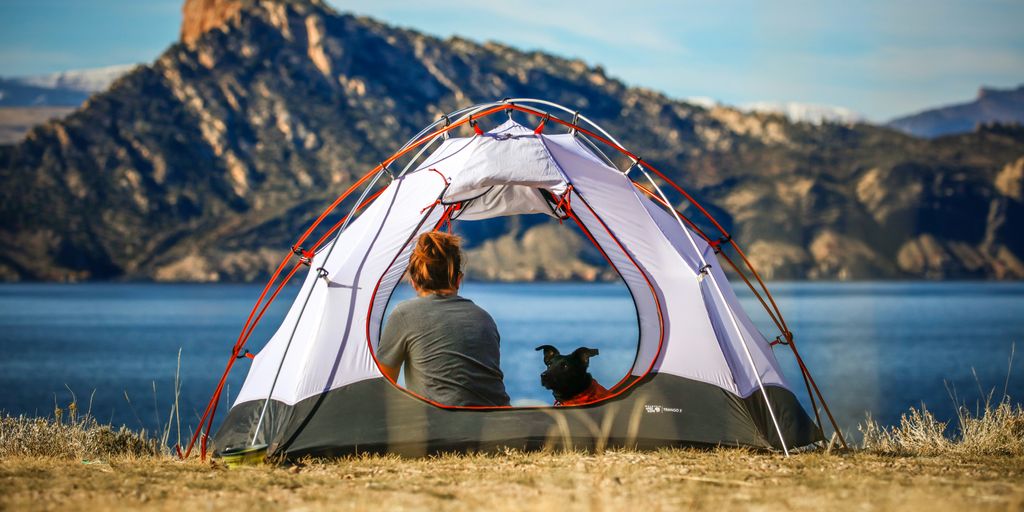
Camping can be a sensory overload for some dogs. New sights, sounds, and smells can trigger anxiety, especially if your dog isn’t used to such environments. It’s important to be proactive in managing your dog’s stress levels to ensure a pleasant trip for everyone.
Identify Triggers for Anxiety
Before you even pack your bags, think about what makes your dog anxious. Is it loud noises, like fireworks survival, or the presence of strangers? Maybe it’s being confined to a small space or separated from you. Knowing these triggers is the first step in managing your dog’s anxiety. Once you know what sets them off, you can take steps to minimize exposure to those triggers during your camping trip. For example, avoid crowded campgrounds or choose a campsite further away from high-traffic areas.
Use Calming Aids and Techniques
There are several calming aids and techniques you can use to help your dog relax.
Here are some options:
- Anxiety Vests: These apply gentle, constant pressure, which can have a calming effect on some dogs. Make sure your dog is comfortable wearing it before the trip.
- Supplements or Medications: Talk to your vet about whether supplements or anti-anxiety medications are appropriate for your dog. Never give your dog any medication without consulting a vet first.
- Pheromone Diffusers or Sprays: These release synthetic pheromones that mimic the scent of a mother dog, which can help to calm anxious dogs.
- Calming Music: Playing soft, calming music can help to mask other noises that might be triggering your dog’s anxiety.
Remember to introduce any new calming aids or techniques gradually before your camping trip to see how your dog responds.
Plan for Quiet and Relaxing Spaces
Make sure your dog has a safe and comfortable space to retreat to when they’re feeling overwhelmed. This could be their crate, a dog bed, or even just a quiet corner of the tent. Bring familiar items from home, like their favorite blanket or toy, to help them feel more secure. It’s also important to schedule regular breaks for your dog to relax and decompress. This could involve taking them for a walk in a quiet area, spending some time cuddling with them in the tent, or simply letting them nap in their safe space.
Safety Precautions While Camping
Camping with your dog can be an amazing experience, but it’s super important to prioritize their safety. You’re in a new environment, and they’re relying on you to keep them safe from potential hazards. Here’s how to do it:
Keep Your Dog on a Leash
This is probably the most important rule. Even if your dog has amazing recall, the excitement of a new place can override their training. Plus, you never know what kind of wildlife or other dogs you might encounter. A leash keeps your dog close and prevents them from running off or getting into trouble. Consider using a dog tether at the campsite to give them some freedom while still keeping them secure.
Watch for Wildlife and Hazards
Camping means you’re sharing space with wild animals, and some of them could pose a threat to your dog. Be aware of your surroundings and keep an eye out for:
- Snakes
- Bears
- Birds of prey (especially if you have a small dog)
- Poisonous plants like poison ivy or oak
Also, be careful about letting your dog drink from standing water sources like puddles, lakes, or streams. They can contain bacteria or parasites that can make your dog sick.
Ensure Your Dog’s ID Tags are Updated
Before you leave for your trip, double-check that your dog’s ID tags are up-to-date with your current contact information. It’s also a good idea to add a temporary tag with your campsite number or cell phone number. Microchipping is also a must. If your dog gets lost, these updated ID tags will significantly increase the chances of them being returned to you safely.
Creating a Comfortable Sleeping Arrangement
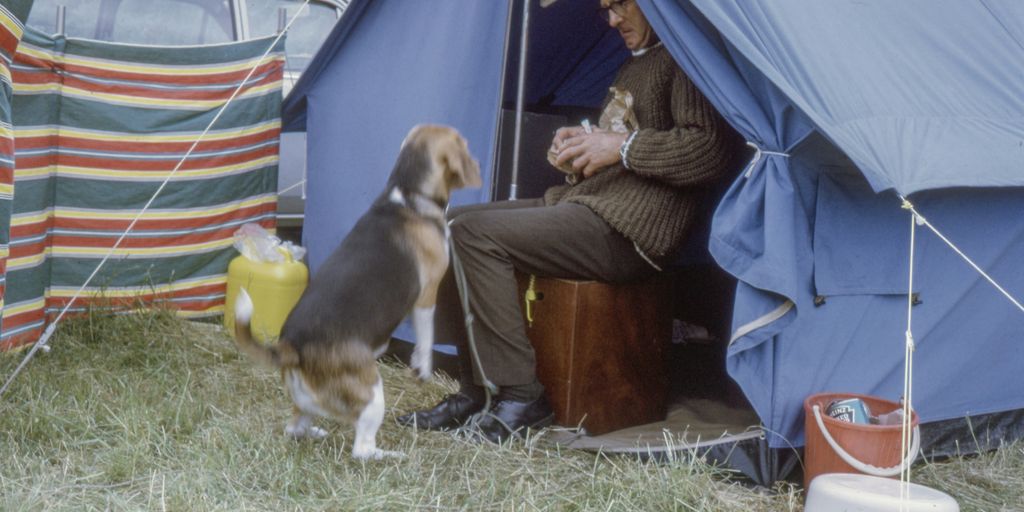
Making sure your dog has a good night’s sleep while camping is super important for everyone’s enjoyment. A well-rested dog is a happy dog, and a happy dog makes for a much more relaxing camping trip. It’s all about creating a familiar and safe space for them, so they feel secure even in a new environment.
Choose the Right Sleeping Setup
Think about what your dog is used to at home. Do they sleep in a crate, on a dog bed, or right next to you? Try to replicate that as closely as possible while camping. If they use a crate, bring it along! If they sleep on a bed, make sure you have a dog camping bed that’s easy to pack and comfortable for them. For larger dogs, consider a spacious dome tent to ensure they have enough room to stretch out. Also, consider the weather. A raised bed can help with airflow in warmer weather, while extra blankets can provide warmth on colder nights.
Bring Familiar Items from Home
Familiar scents can do wonders for a dog’s anxiety. Pack their favorite blanket, a well-loved toy, or even an old t-shirt that smells like you. These items can provide a sense of security and comfort, helping them to relax and settle down in their new surroundings. It’s like bringing a little piece of home with you, which can make a big difference in how well they sleep.
Ensure Your Tent is Dog-Friendly
Before you even head out, set up your tent at home and let your dog explore it. This helps them get used to the space and reduces anxiety when you’re actually at the campsite. Inside the tent, make sure there’s enough room for both you and your dog to sleep comfortably. Consider a tent with durable flooring to withstand your dog’s nails, or invest in a puncture-proof tent liner. Also, keep in mind the ventilation. Good airflow is important to prevent overheating, especially on warm nights.
Remember, a little preparation goes a long way in ensuring your dog has a comfortable and safe sleeping arrangement while camping. By replicating their home environment as much as possible, you can help them relax and enjoy the adventure just as much as you do.
Engaging Your Dog During the Trip
Camping isn’t just about relaxing by the fire for you; it’s also about keeping your dog happy and engaged. A bored dog can quickly become a destructive or anxious dog, which is the last thing you want on a camping trip. Careful planning is key to ensuring your furry friend has a blast.
Plan Activities to Keep Your Dog Active
Don’t just let your dog lie around all day! Plan activities that cater to their energy level and breed. This could include:
- Hiking: Choose trails appropriate for your dog’s fitness level. Start with shorter, easier hikes and gradually increase the distance and difficulty. Remember to bring fresh water and a collapsible bowl.
- Swimming: If your dog loves water and the campsite has a safe swimming area, let them take a dip! Always supervise them closely, and consider a dog life jacket if they aren’t strong swimmers.
- Agility: Set up a mini agility course using natural elements like logs and rocks. This is a great way to challenge your dog mentally and physically.
A tired dog is a good dog. Make sure your dog gets plenty of exercise throughout the day to minimize boredom and destructive behaviors.
Bring Interactive Toys
Toys are essential for keeping your dog entertained at the campsite. Choose toys that are durable and appropriate for outdoor use. Some good options include:
- Puzzle toys: These toys challenge your dog’s problem-solving skills and keep them occupied for extended periods.
- Fetch toys: Balls, frisbees, and other fetch toys are great for burning energy and providing mental stimulation.
- Chew toys: Durable chew toys can help prevent your dog from chewing on things they shouldn’t, like tent poles or camping gear.
Schedule Regular Breaks for Exploration
While structured activities are important, it’s also crucial to allow your dog some free time to explore their surroundings. Let them sniff around, investigate new smells, and simply enjoy being in nature. Just make sure they’re always on a leash and under your supervision to prevent them from wandering off or getting into trouble. Remember to bring dog camping essentials!
When you’re on a trip with your dog, keeping them entertained is key to a fun experience for both of you. Bring along their favorite toys, play games, or take breaks for walks to explore new places together. This not only keeps your dog happy but also strengthens your bond. For more tips on how to make your travels enjoyable for your furry friend, visit our website!
Wrapping Up Your Camping Adventure with Your Dog
Camping with your dog can be a blast if you plan ahead. Make sure to pack all the essentials, like food, water, and a first-aid kit. Keep an eye on your pup to avoid any mishaps with wildlife or other campers. Remember, it’s all about making sure both you and your dog have a good time. With a little preparation and patience, you can create some great memories together in the great outdoors. So, get out there, enjoy nature, and have fun with your furry friend!
Frequently Asked Questions
What should I do before taking my dog camping?
Before camping, take your dog to the vet for a health check. Make sure they have all their vaccinations and are up to date on flea and tick prevention.
How can I find a dog-friendly campsite?
Look for campgrounds that specifically allow dogs. Check their rules about leashes and whether dogs are allowed on trails.
What should I pack for my dog when camping?
Pack food, water, collapsible bowls, a first aid kit, poop bags, a leash, and any medications your dog may need.
How can I help my anxious dog during the trip?
Identify what makes your dog anxious and bring calming items like their favorite toys or a dog anxiety vest. Keep them close to you and avoid crowded areas.
What safety measures should I take while camping with my dog?
Always keep your dog on a leash, watch for wildlife, and ensure their ID tags are updated with your contact information.
How can I keep my dog comfortable while camping?
Create a cozy sleeping space with their bed or a blanket. Bring familiar items from home to help them feel secure.