
So, you’ve got a new furry friend and you’re wondering when to start training. It’s a common question, and honestly, the answer is pretty straightforward: the sooner, the better! Think of your puppy like a little sponge, eager to learn about the world and how to be a good dog. Getting started early not only makes training easier but also helps your pup grow into a confident, well-behaved companion. We’ll break down the best age to start dog training and what you should focus on.
Key Takeaways
- The ideal time to begin training your puppy is between 7 to 8 weeks old, as they are highly receptive to learning basic commands.
- Early training, starting in puppyhood, is important for developing a well-adjusted and well-behaved adult dog.
- The period between 8 and 16 weeks is critical for socialization, helping puppies become confident and comfortable in various situations.
- While 6 to 12 months is a prime window for more advanced training and preventing problem behaviors, foundational training should start much earlier.
- It’s never too late to train a dog, but starting early builds a stronger emotional foundation and makes learning easier.
Understanding The Optimal Age For Dog Training
When you bring a new puppy home, it’s easy to get caught up in the cute factor and forget that they’re also little learning machines. Figuring out the best time to start training can feel a bit overwhelming, but honestly, the sooner the better. Think of it as building a strong foundation for your dog’s entire life. Puppyhood is truly the golden era for learning.
The Golden Era: Early Puppyhood Training
This period, typically from when they’re about 7 to 8 weeks old, is when puppies are super receptive to new information. They’re like little sponges, soaking up everything around them. This is the prime time to introduce them to basic commands and good manners. It’s not about complex routines yet, just getting them used to listening and responding.
Why Early Training Matters
Starting early helps prevent problems down the road. When puppies are exposed to different sights, sounds, and experiences during this sensitive time, they tend to grow into more confident and well-adjusted adult dogs. It’s much easier to shape their behavior positively now than to try and fix ingrained habits later. This early intervention can really set them up for success and help avoid future behavioral issues. You can find some great resources on starting professional dog training during a puppy’s critical socialization period at 521f.
The Importance of Foundational Commands
Focusing on basic commands like ‘sit,’ ‘stay,’ and ‘come’ isn’t just about teaching tricks. These commands are vital for your dog’s safety and your peace of mind. They are the building blocks for communication and help manage your dog in various situations. Teaching these early creates a reliable way to interact with your dog and keep them safe.
The Essentials of Beginning Puppy Training
Starting training with your puppy early on is a big deal. It really sets them up for a good life. Think of it like this: puppies are sponges, soaking up everything around them. This is the perfect time to introduce them to basic commands and good manners. It’s not just about teaching them to sit or stay, though those are super important. These early lessons are about building a solid foundation for everything else they’ll learn, and honestly, for their safety too.
Starting Early for Well-Adjusted Dogs
Getting a head start on training helps your puppy become a confident, well-behaved dog. When you start early, you’re teaching them how to interact with the world in a positive way. This means they’re less likely to develop fear or anxiety later on. It’s all about making them feel comfortable and secure in different situations.
Focusing on Basic Commands
When you begin, keep it simple. Commands like “sit,” “stay,” and “come” are your starting point. These aren’t just tricks; they’re tools for communication and safety. Imagine needing your dog to come back to you when they’re off-leash – that “come” command could be a lifesaver. Keep training sessions short, maybe just 5 to 10 minutes, because puppies have short attention spans. You don’t want to overwhelm them.
Positive Reinforcement Techniques
This is where the magic happens. Positive reinforcement means rewarding your puppy when they do something right. This could be a tasty treat, some enthusiastic praise, or a favorite toy. The key is to make training a fun and rewarding experience for both of you. This builds a strong bond and makes your puppy eager to learn more. It’s way better than any kind of punishment, which can just make them scared or confused. You can find great tips on positive reinforcement that really work.
Building a good relationship with your puppy through training is like building a strong friendship. It takes time, patience, and lots of positive interactions. Remember, consistency is your best friend here. Stick to a routine, and your puppy will thrive.
Ideal Timing For Board And Train Programs
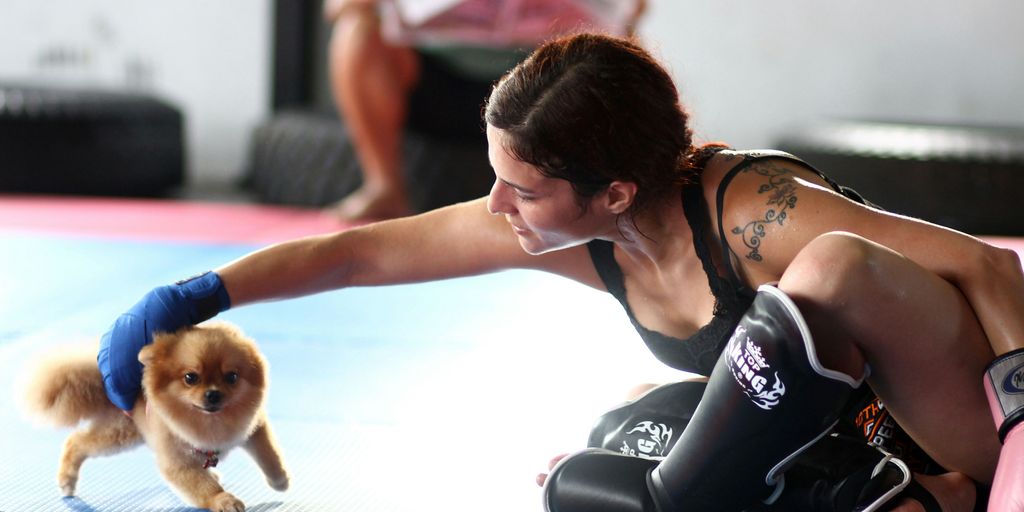
When thinking about enrolling your dog in a board and train program, timing really does matter. While puppies can start some basic training much earlier, most experts suggest waiting until your dog is around six months old for these more intensive programs. Why six months? Well, at this age, dogs generally have a better capacity for learning and remembering what they’re taught. They’re also a bit more emotionally ready to handle being away from home for a bit, which can make the whole experience smoother for them.
The Six-Month Milestone
Reaching the six-month mark is often seen as a good starting point for board and train. By this age, your dog has usually completed their initial vaccination series, making them safer to be around other dogs and in new environments. More importantly, their cognitive development is at a stage where they can process and retain training information more effectively. This means the lessons learned during a program are more likely to stick, leading to lasting behavioral changes. It’s a time when they can really benefit from structured learning.
Benefits of Later Puppyhood Training
Sending your dog to a program between six and twelve months offers several advantages. This period is often called the ‘sweet spot’ for training because dogs are highly receptive to learning new commands and concepts. It’s also a prime time for socialization, helping them become well-adjusted adults. Getting them into a program now can help prevent common behavioral issues from becoming ingrained habits. Think of it as getting ahead of the curve, shaping good behavior before problems even start. It’s a great time to build a solid foundation for future training and good manners, perhaps even exploring options like Camp Heel Yeah!.
Emotional Maturity and Training Success
Emotional maturity plays a big role in how well a dog adapts to a board and train setting. Dogs around six months or older tend to be more emotionally stable. This means they can handle the separation from their owners with less stress and anxiety. A calmer, more confident dog is more likely to engage positively with trainers and absorb the training. This emotional readiness contributes significantly to the overall success of the program, making it a more positive experience for both the dog and the owner.
The 6-12 Month Sweet Spot For Training
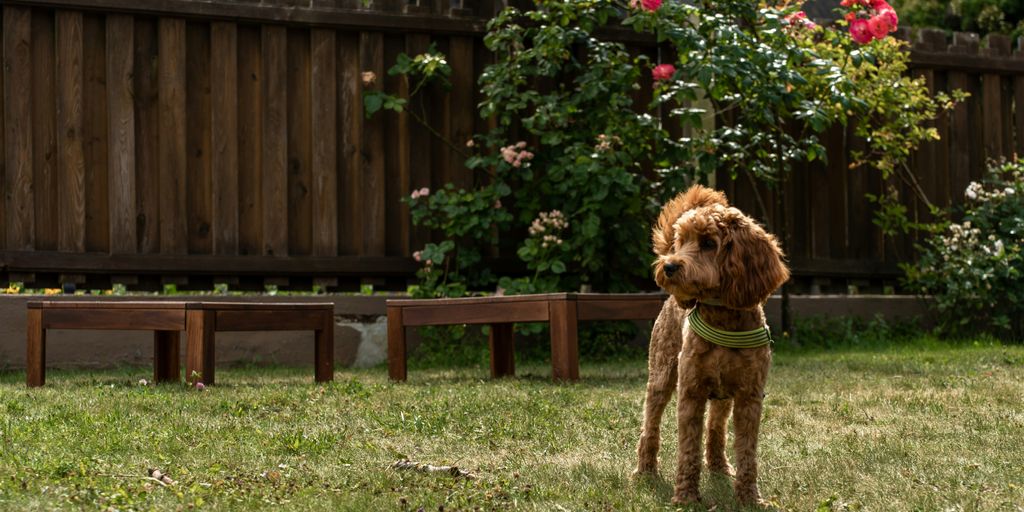
The period between six and twelve months of age is often considered a prime time for dog training, especially for more structured programs like board and train. Your pup is past the super-fragile early puppy stage but still young enough to be incredibly receptive to learning. Think of it as their peak learning phase. They’ve got a better handle on their physical coordination and are developing more focus than they did just a few months prior.
Peak Learning Prowess
Around six months, dogs really start to hit their stride cognitively. They can process information more effectively and have a longer attention span than their younger counterparts. This makes them excellent candidates for learning more complex commands and behaviors. It’s a fantastic time to build upon the basic foundation you might have already started.
The Socialization Window
While the most critical socialization window is earlier, the 6-12 month period is still very important for reinforcing and expanding social skills. This is when they are figuring out their place in the world and how to interact with different people, dogs, and environments. Proper exposure during this time helps prevent future fear-based or aggressive behaviors. Continuing to introduce them to new, positive experiences is key to raising a well-adjusted dog.
Preventing Problem Behaviors
This age range is also ideal for proactively addressing potential behavioral issues before they become ingrained habits. Things like jumping, excessive barking, or leash pulling can be managed and corrected more easily now than if you wait until your dog is fully grown. It’s much simpler to shape good behavior from the start than to try and fix deeply rooted problems later on. If you’re considering a structured program, this is often the sweet spot. You can find great options for puppy training programs that cater to this age group.
Introducing Training To Puppies
Getting your new puppy started with some basic training early on is a fantastic idea. It’s not about complex routines right away, but more about building a good foundation and a positive relationship. Think of it as teaching them the very first words in a new language.
Starting With The Basics
When you first bring your puppy home, the world is a big, new place for them. The most important thing is to help them feel safe and comfortable with you and their surroundings. This means focusing on simple things. Teaching your puppy to sit is a great starting point. It’s a command that’s easy to grasp and can be used in many situations, like before they get their food or when you want them to calm down for a moment. It’s like asking them to pause and pay attention to you. You can also start working on a reliable recall, which is super important for their safety. Getting them to come when called, even from a short distance, is a skill that can prevent a lot of trouble down the road. Remember, puppies learn best when things are fun and rewarding.
Keeping Sessions Short and Engaging
Puppies have pretty short attention spans, so trying to do long training sessions will likely just frustrate both of you. Aim for multiple short sessions throughout the day, maybe just 5 to 10 minutes each. This keeps things fresh and prevents them from getting bored or overwhelmed. Use high-value treats – something your puppy really loves – and lots of praise. Make it a game! If a session isn’t going well, it’s okay to stop and try again later. The goal is for them to associate training with good things.
Socialization Needs Vary
Every puppy is a little different, and their comfort levels with new experiences will vary. Some puppies are naturally bold and curious, eager to meet everyone and everything. Others might be a bit more shy or hesitant. It’s really important to pay attention to your puppy’s body language and temperament. Don’t force them into situations that seem to scare them. Instead, gently expose them to new sights, sounds, and people at their own pace. The idea is to make the world seem like a friendly place, not a scary one. You want them to build confidence through positive exposure, not fear. For example, if your puppy is nervous about loud noises, start by playing sounds at a very low volume while giving them treats, gradually increasing the volume over time as they get more comfortable. This careful approach helps them learn that new things aren’t necessarily bad.
Building a strong bond with your puppy through positive training experiences is key. It’s about clear communication and mutual trust, making the journey of raising a well-behaved dog enjoyable for everyone involved.
Tailoring Training To Your Dog’s Needs
Choosing The Right Program
When you’re looking at different training options, it’s not a one-size-fits-all situation. There are various programs out there, from one-on-one sessions to full immersion board-and-train experiences. Think about what fits best with your lifestyle and your dog’s personality. Some dogs might thrive in a structured group setting, while others do better with individual attention. It’s really about finding the right fit for your specific dog.
Creating A Tailored Learning Environment
Once you’ve picked a program, the next step is making sure the learning environment works for your dog. This means considering their temperament and energy levels. A shy dog might need a quieter, less overwhelming space to build confidence, whereas a high-energy dog might benefit from more stimulating activities. Working with trainers to figure out the best approach for your furry friend is key. You want to set them up for success, not stress.
When It’s Never Too Late
Sometimes life gets busy, or maybe you’ve adopted an older dog. The good news is, it’s genuinely never too late to start training. While puppies are sponges, adult dogs can absolutely learn new behaviors and overcome challenges. The methods might need slight adjustments, but the core principles of positive reinforcement and patience still apply. You can still build a strong bond and improve your dog’s behavior, no matter their age. If you’re looking for professional help, Dog Training Elite empowers owners with lifelong skills to continue successes with dogs of any breed, size, or age. They focus on training methods that ensure lasting results and build confidence in both the dog and the owner. Dog Training Elite can be a great resource for dogs of all ages.
Here are a few things to keep in mind when training an older dog:
- Assess their health: Older dogs might have physical limitations or health issues that could affect training. A vet check-up is a good first step.
- Be patient: They might learn a bit slower than a puppy, so extra patience is needed.
- Keep sessions short: Just like puppies, older dogs can get tired. Shorter, more frequent sessions are usually best.
- Focus on positive reinforcement: This builds trust and makes learning enjoyable.
The Critical Role Of Early Socialization
Think of your puppy’s first few months as their big introduction to the world. This period, especially between 8 and 16 weeks, is when they’re really figuring out how everything works. It’s not just about teaching them to sit or stay; it’s about showing them that the world is a generally safe and interesting place. Exposure to different sights, sounds, people, and other animals during this time is super important for building a confident, well-adjusted dog.
Socialization Between 8 and 16 Weeks
This is really the prime time. Puppies are naturally curious, and you want to channel that curiosity positively. It means taking them to new places, letting them hear different noises (like traffic or vacuum cleaners, from a safe distance at first), and meeting all sorts of people – kids, older folks, people with hats, people with canes. The goal is to make these experiences positive, not overwhelming. You’re basically building a mental library for them, cataloging all these new things as ‘okay’ or even ‘fun’. This early exposure helps prevent fear-based reactions later on. It’s much easier to introduce them to new things now than to try and fix a fearful dog down the road. You can start by just letting them observe from a distance and gradually get closer as they seem comfortable. Remember, positive associations are key. A few treats and some calm praise can go a long way. You can find some great tips on how to introduce your puppy to new experiences at Doggie Academy.
Building Confidence Through Exposure
When you expose your puppy to a variety of situations in a controlled and positive way, you’re directly building their confidence. Imagine a puppy who has experienced many different things and learned they can handle them. That’s a confident dog! This confidence translates into fewer anxieties and a greater willingness to explore and engage with their surroundings. It’s about creating a dog that isn’t easily startled or fearful when encountering something new. This proactive approach helps prevent common issues like noise phobias or stranger anxiety. It’s a bit like preparing them for life’s curveballs, giving them the tools to react calmly and positively.
The Impact of Early Socialization on Behavior
Honestly, the impact of this early socialization period is huge. Puppies who miss out on this critical window can develop behavioral problems as they get older. They might become overly fearful, reactive, or aggressive towards new things because they simply haven’t learned how to process them. This can lead to a dog that’s difficult to manage and may even require professional intervention. On the flip side, a well-socialized puppy is more likely to be friendly, adaptable, and a joy to be around. They tend to be more relaxed in new environments and generally have better relationships with both people and other animals. It really sets the stage for a happy, well-behaved companion for years to come.
Getting your puppy used to new people and experiences early on is super important for their future happiness. This early time helps them learn how to act and feel comfortable around others. Want to learn more about how to give your dog the best start? Visit our website for expert tips and training guides!
Wrapping Up: Your Dog’s Training Journey
So, we’ve talked about when to start training your dog, and it really comes down to starting early. Puppies are like little sponges, soaking up everything, so getting them into basic commands like ‘sit’ and ‘come’ around 7 or 8 weeks old is a great idea. It helps them learn good habits from the get-go. While older dogs can definitely learn new things, starting young makes it a bit easier for them to pick things up and remember them. Plus, getting them used to different people and places early on is super important for them to grow into confident, well-behaved dogs. It’s all about building that connection and making sure they’re safe and happy.
Frequently Asked Questions
When is the ideal age to start training my puppy?
The best time to start training your puppy is around 7 to 8 weeks old. At this age, they are like little sponges, soaking up information! They’re old enough to understand simple commands but still young enough to form good habits easily. Getting started early helps prevent them from picking up bad behaviors.
Is it too late to train my dog if they are older?
Yes, you absolutely can teach an older dog new tricks! While puppies learn quickly, older dogs can still learn a lot with patience and consistency. The key is to understand their learning style and use methods that work best for them. It’s never truly too late to start training.
What are the best ways to train my puppy?
Positive reinforcement is super effective! This means rewarding your dog with treats, praise, or toys when they do something right. It makes training fun and helps them want to repeat good behavior. It also builds a strong, happy bond between you and your dog.
Why is socializing my puppy so important?
Socialization is super important, especially between 8 and 16 weeks old. This is when puppies are most open to new things. Exposing them to different sights, sounds, people, and other friendly dogs helps them grow into confident, well-behaved adults. It’s like helping them learn how to be comfortable in the world.
When is a good age for a ‘board and train’ program?
While starting basic commands early is great, many experts suggest waiting until around 6 months for more intensive programs like ‘board and train.’ By this age, dogs are often more emotionally mature and can handle being away from home better. They also tend to remember training for longer.
Are basic commands really that important for young puppies?
Absolutely! Basic commands like ‘sit,’ ‘stay,’ and ‘come’ are the building blocks of good behavior. They’re not just tricks; they help keep your dog safe and make life easier for both of you. Teaching these early sets them up for success.