
So, you’ve got a dog and you want them to be a good boy or girl. That’s awesome! Training your dog using verbal commands is a really effective way to communicate what you want. It’s not just about teaching them tricks, it’s about building a solid relationship and making sure they’re safe. We’re going to break down how to train a dog using verbal commands, covering everything from the basics to handling those tricky moments.
Key Takeaways
- Using clear, simple verbal cues consistently is the best way to train your dog.
- Start training in quiet places and gradually add distractions to help your dog learn.
- Positive reinforcement, like treats and praise, works wonders for motivation.
- Be patient! Dogs learn at their own pace, so keep training sessions short and fun.
- Practicing commands in different spots helps your dog understand them everywhere.
Understanding the Fundamentals of Dog Training
Getting your dog to listen and respond is all about clear communication. Think of it like learning a new language together. Before we jump into specific commands like ‘sit’ or ‘stay,’ it’s super helpful to get a handle on the basics of how dogs learn and what makes training work. This isn’t about being a drill sergeant; it’s about building a partnership.
The Importance of Clear Verbal Commands
Dogs don’t naturally understand English (or any human language, for that matter). They learn to associate specific sounds, or words, with actions or outcomes. That’s why using clear, consistent verbal commands is so important. If you say "Fido, come here, boy!" one time and "Fido, get over here!" the next, your dog might get confused about what you actually want. Sticking to one word for each action, like a simple "Come," helps your dog understand exactly what you’re asking. It’s the foundation for everything else we’ll cover, making sure your dog knows what you expect.
Essential Training Tools for Success
You don’t need a whole lot of fancy gear to start training. The most important things are things you probably already have or can get easily. High-value treats are a big one – think small, soft, and super tasty things your dog goes crazy for. These are your primary way of saying "good job!" You’ll also need a leash and collar or harness for safety and control, especially when you start practicing outside your home. Some people like using a clicker, which is a small device that makes a clicking sound, to mark the exact moment the dog does something right. But honestly, a simple verbal marker like "Yes!" works just as well. The key is to have something that tells your dog, "That’s it! That’s what I wanted!"
Choosing the Right Training Environment
Where you train your dog makes a big difference, especially when you’re just starting out. You want to begin in a place with as few distractions as possible. Your living room, when it’s quiet, is usually a great spot. This way, your dog can focus on you and the command without getting sidetracked by squirrels outside or the mail carrier walking by. Once your dog is reliably responding to commands in this calm setting, you can slowly start introducing more distractions. Think of it as gradually increasing the difficulty, moving from your quiet house to the backyard, then maybe a quiet park, and eventually to busier places. This process, sometimes called ‘proofing,’ helps your dog learn that the command means the same thing no matter where you are. It’s all about building up their understanding step-by-step.
Training is a journey, not a race. It’s about building a relationship and clear communication with your dog. Be patient, celebrate the small wins, and remember that every dog learns at their own pace. Consistent practice, even for just a few minutes each day, makes a huge difference in helping your dog learn positive reinforcement techniques.
Mastering Core Verbal Commands
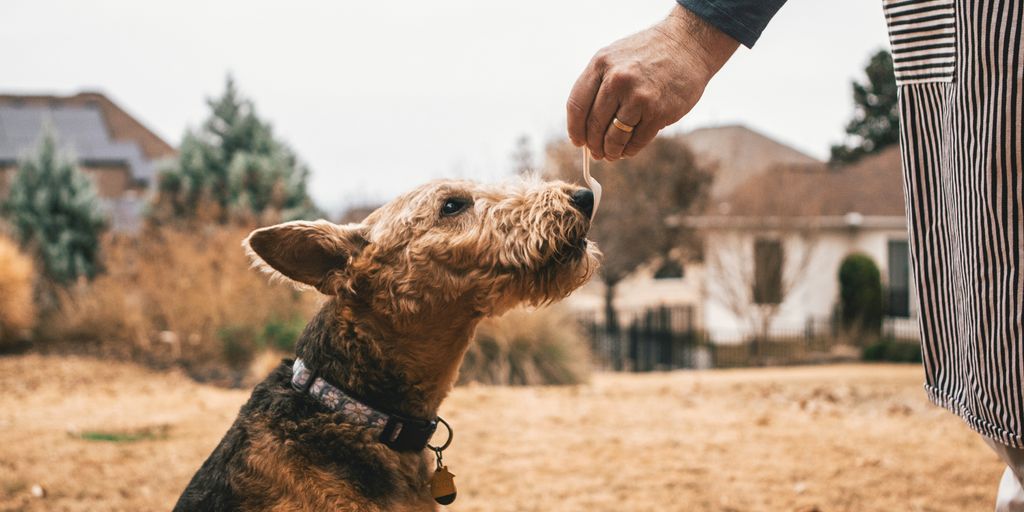
Let’s talk about the core commands that really form the backbone of good manners for your dog. These aren’t just tricks; they’re about clear communication and building a solid foundation for everything else you’ll do together. Getting these right makes a huge difference in your daily life.
Teaching the ‘Sit’ Command
This is usually the first command people teach, and for good reason. It’s pretty straightforward for most dogs and is a great starting point. It’s useful for everything from polite greetings to waiting for their food bowl. To teach it, you can use a treat. Hold it near your dog’s nose and move it up and back over their head. As their nose follows the treat, their rear end should naturally go down. The second their bottom hits the floor, say "Sit!" and give them the treat. Keep sessions short and repeat often. Don’t push their rear down; let them figure it out with the lure. Also, try not to repeat the command over and over if they don’t do it right away; it just teaches them to ignore the first command. We want them to respond to the first word, not the fifth.
Introducing the ‘Down’ Command
The ‘Down’ command is fantastic for helping your dog relax. It’s also a good control command because it puts them in a less active position. You can teach this using a lure, similar to ‘Sit.’ Start with a treat at their nose, then move it down to the floor and slide it away from them between their paws. Their body should follow the treat into a down position. Mark the moment they lie down with your verbal cue and reward. You can also ‘capture’ this behavior. If you see your dog naturally lying down for a nap, say ‘Down!’ as they do it and then give them a treat. This command is great for encouraging calm behavior when you have guests or when you just want them to settle beside you. It’s a really useful cue for calming your dog.
The ‘Stay’ Command for Safety
‘Stay’ teaches your dog to hold a position until you release them. This is super important for safety. Think about preventing them from running into a busy street or dashing out the front door. To start teaching ‘Stay,’ have your dog in a ‘Sit’ or ‘Down.’ Say "Stay," take just one small step back, and then immediately step back to your dog, reward them, and give your release cue, like "Okay." Gradually increase the distance you step away, and then slowly increase how long they have to hold the position. Always return to your dog to give the reward at first. Only when they’re doing well with you returning should you start rewarding them from a distance. If your dog moves, don’t make a big deal; just calmly reset them and make the next attempt shorter or with less distance. Make sure your release word is clear and always used.
| Command | Purpose |
|---|---|
| Sit | Foundation, polite greetings, waiting |
| Down | Relaxation, settling, control |
| Stay | Safety, impulse control, holding position |
Building Impulse Control and Safety
Teaching the ‘Wait’ Command
Teaching your dog to ‘Wait’ is all about building that all-important impulse control. It’s different from ‘Stay’ because ‘Wait’ means pause for just a moment, with the understanding that you’ll give them a release cue soon. Think of it as a quick pause before something good happens. We use it at doorways, before meals, or even before they jump into the car. It’s a safety net, really. Start simple: have your dog on a leash and approach an open door. As they try to go through, say ‘Wait’ and gently block them with your body or the leash. The second they pause, even for a split second, give your release word like ‘Okay!’ and let them pass, rewarding them as they go. You can do the same thing with their food bowl. Put it down, and if they move too fast, cover it and say ‘Wait.’ When they pause, uncover it and let them eat. It teaches them patience around things they really want.
The ‘Leave It’ Command for Prevention
This command is a lifesaver, no joke. ‘Leave It’ teaches your dog to ignore things they shouldn’t have, whether it’s a dropped pill, a piece of trash on the sidewalk, or something even more tempting. It’s about teaching them to disengage from something potentially harmful. You can start by putting a treat in your closed fist. Let your dog sniff and lick, but don’t let them have it. The moment they pull away, even for a second, say ‘Yes!’ and give them a different, better treat from your other hand. Once they understand that backing off gets them a reward, you can progress to putting a treat on the floor and covering it with your hand, saying ‘Leave It.’ If they try to get it, cover it again. When they stop trying and look away, reward them with a treat from your other hand. This is a great way to practice polite greetings and maintain boundaries, and it’s a key part of training a therapy dog.
Reliable Recall with the ‘Come’ Command
Honestly, ‘Come’ is probably the most important command you can teach. It can genuinely save your dog’s life. It means they need to come straight to you, no matter what else is going on. To teach it, you want to make it the most exciting thing ever. Start in a quiet place, get down on their level, use a happy, upbeat voice, and say ‘Come!’ while backing away. When they run to you, go wild with praise and give them a bunch of their favorite treats – a jackpot! Never, ever use ‘Come’ for something unpleasant, like giving medicine or ending playtime. You want them to associate coming to you with good things. If your dog doesn’t come, don’t punish them when they finally do. Just try to figure out why – maybe your rewards weren’t exciting enough, or there were too many distractions. You might need to go back to a quieter spot and build it up again.
Building these commands takes time and a lot of repetition. It’s not about being perfect, but about being consistent and making it a positive experience for your dog. Remember, they’re learning a whole new language, and patience is your best friend here.
Enhancing Communication Through Training
The ‘Heel’ Command for Pleasant Walks
Walking your dog should be a joy, not a tug-of-war. Teaching the ‘heel’ command is all about getting your dog to walk calmly beside you, paying attention to your direction. It’s not just about looking good; it’s about safety, especially when you’re out and about with distractions. We want our dogs to be aware of us and our pace, not just pulling ahead to sniff every single thing. This requires a partnership built on clear communication and mutual respect.
Here’s a simple breakdown of how to start teaching ‘heel’:
- Start Indoors: Begin in a quiet area with minimal distractions. Have some tasty treats ready.
- Lure and Reward: Hold a treat near your dog’s nose and lure them to walk beside your leg. As they move with you, say "heel" in a happy tone. When they are in the correct position, give them the treat and praise.
- Add the Leash: Once they understand the movement, attach a leash. Keep it loose. If they pull ahead, stop walking. Only resume when the leash slackens. Reward them for walking nicely beside you.
- Increase Duration: Gradually increase the distance you walk before rewarding. Make sure to reward frequently at first.
Combining Verbal Commands and Cues
Dogs are smart, and they learn to read us in more ways than just our words. While verbal commands are fantastic for clear instructions, incorporating cues – like hand signals or even subtle body movements – can make communication even richer. Think of it like having a secret language with your dog. For instance, a pointed finger towards their bed can mean ‘go lie down,’ or a slight shift in your weight might signal it’s time to move. This dual approach helps your dog understand what you want even in noisy environments where verbal commands might get lost. It’s about building a more nuanced conversation.
Building a Stronger Bond Through Training
Training isn’t just about teaching your dog to sit or stay; it’s a powerful way to deepen the connection you share. Every training session is an opportunity for your dog to learn about you, and for you to learn about them. When you consistently reward good behavior and communicate clearly, you build trust. This trust is the bedrock of a strong relationship. It gives your dog confidence, helps them understand their place in the family, and provides them with important mental stimulation. Plus, honestly, it’s just really rewarding to see your dog respond to you and know what you’re asking. It’s a shared activity that benefits both of you, making everyday life smoother and more enjoyable. It’s about creating a team, not just a pet owner and their animal. You can find more tips on building this bond by looking at effective sled dog training.
Training is a journey, and every small success is worth celebrating. Remember that your dog is learning a new language, and patience is your most important tool. Keep sessions positive and short, and always end on a good note. This consistent effort builds not just obedience, but a lasting friendship.
Ensuring Training Success
Getting your dog to listen and respond reliably takes more than just knowing the commands. It’s about building a solid foundation of understanding and trust. Timing and consistency are your secret weapons here. Think of it like learning a new language; the clearer and more regular your communication, the faster your dog will pick things up.
The Role of Timing and Consistency
When you’re training, the window for rewarding the correct behavior is tiny. You need to deliver that reward – whether it’s a treat, praise, or a favorite toy – within a second or two of your dog doing what you asked. If you wait too long, they won’t connect the reward with the action. Consistency means everyone in the house is on the same page. If one person uses "down" and another uses "lie down," or if rules change daily, your dog will get confused. It’s best to keep training sessions short, maybe 5 to 10 minutes, a few times a day. This keeps things fresh and prevents your dog from getting bored or overwhelmed. It’s about building good habits, not marathon training sessions.
The Power of Positive Reinforcement
This is where the magic happens. Positive reinforcement means rewarding your dog for doing the right thing. It’s not just about treats, though tasty rewards are great! It can also be enthusiastic praise, a good scratch behind the ears, or a quick game of fetch. The key is that the reward is something your dog genuinely loves. This makes training a fun experience for them, building a positive association with learning and with you. It’s far more effective and humane than any method involving punishment or fear. Remember, your dog is trying to figure out what you want, and rewarding their efforts makes them want to try harder. You can find some great ideas for high-value treats at dog training supplies.
Practice in Different Environments
Once your dog has a good handle on a command in a quiet place, like your living room, it’s time to test it out elsewhere. This process is sometimes called "proofing." Start with slightly more distracting places, like your backyard, and then move to places with more activity, like a quiet park. This helps your dog understand that the command means the same thing no matter where you are. It’s a gradual process, and you might need to go back a step if they struggle. Don’t get discouraged; it just means you need to adjust the difficulty level. Building this reliability takes time and patience, but it’s what makes training truly useful in everyday life.
Troubleshooting Common Training Challenges
So, your dog isn’t quite getting that "sit" command, or maybe the "stay" is more of a "go play"? Don’t sweat it. Every dog owner hits a few bumps in the road when training. It’s totally normal, and honestly, it’s part of the process. The key is to figure out why it’s not clicking and then adjust your approach. Sometimes, the simplest change makes all the difference.
When Commands Aren’t Working
If your dog seems to be ignoring you or just not understanding, take a step back. Are you being clear enough? Dogs pick up on our energy and our body language just as much as our words. Maybe the command itself is too long, or you’re using a tone that’s confusing. It’s also possible the environment is just too much for them right now. Think about it: asking a dog to "stay" in a busy park is a lot harder than asking them to "stay" in your quiet living room. We need to make sure the difficulty matches their current skill level.
Here’s a quick checklist if things aren’t going as planned:
- Reward Value: Are the treats you’re using actually exciting for your dog? A dry biscuit might not cut it if there are squirrels around.
- Timing: Are you rewarding the exact moment they do the right thing? Even a second too late can make them wonder what they’re being praised for.
- Distractions: Is the training space too busy? Try a quieter spot to rebuild their confidence.
- Consistency: Is everyone in the house using the same words and signals? Mixed messages are super confusing for dogs.
- Clarity: Is your body language or tone sending mixed signals? Sometimes we think we’re being clear, but our dog is reading something else entirely.
The Importance of Patience and Persistence
Look, training is a marathon, not a sprint. Your dog isn’t being stubborn; they’re learning a whole new way to communicate and behave. It takes time, and everyone learns at their own pace. Celebrate the small wins – like a slightly longer "stay" or a quicker "come." Keep your training sessions short, fun, and positive. If you get frustrated, your dog will sense it, and that just makes things harder. Remember, effective dog training is built on a foundation of patience.
Dogs are always learning, and sometimes they need us to slow down and break things down into smaller steps. It’s about building trust and understanding, not just getting them to perform a trick. If you’re feeling stuck, it’s okay to go back to basics and build up again. That’s not failing; that’s smart training.
Proofing Commands Against Distractions
Once your dog reliably performs a command in a quiet room, you’ve got to "proof" it. This means practicing in different places with different things going on. Start small – maybe practice "sit" by the front door with the door closed. Then, try it with the door open but no one walking through. Gradually increase the distractions. This helps your dog understand that "sit" means "sit" whether you’re at home, at the park, or even when another dog walks by. It’s about making the command reliable in the real world, not just in your living room. This process helps them generalize their learning, making your commands much more dependable in everyday life.
Facing common training problems with your dog? Don’t worry, many pet owners run into similar issues. We’ve got simple tips to help you overcome these hurdles and build a better relationship with your furry friend. Ready to make training easier? Visit our website for more helpful advice!
Keep Up the Great Work!
So, you’ve learned a bunch about getting your dog to listen to your words. Remember, teaching your dog commands is really about talking with them, building that connection. It takes time, sure, and sometimes it feels like you’re not getting anywhere, but stick with it. Keep those training sessions short and sweet, use lots of praise, and don’t forget to practice in different spots. Your dog wants to please you, and with a little patience and consistency, you’ll have a well-behaved buddy who understands what you’re asking. It’s a journey, but seeing your dog respond and knowing you’ve built that clear line of communication? Totally worth it.
Frequently Asked Questions
Why is timing and consistency so important when teaching my dog commands?
Think of timing like this: the second your dog does what you asked, you give them a reward. This needs to happen super fast, like within one or two seconds! If you wait too long, they won’t know what they’re getting the treat for. Everyone in the house should use the same words and signals for commands, too. Short training sessions, maybe five to ten minutes a few times a day, work way better than one long session.
Where should I start teaching my dog new commands?
Start training in a quiet place where there aren’t many things to distract your dog, like your living room. Once they know the command there, slowly try it in places with more going on, like the backyard or a park. This helps them understand that “sit” means sit no matter where you are or what’s happening around them.
What basic tools do I need to train my dog?
You don’t need fancy stuff! Just get some really tasty treats that your dog loves, a leash and collar or harness for safety, and maybe a clicker if you want to be super precise with rewards. A simple “Yes!” can also mark the right behavior.
What should I do if my dog isn’t responding to commands?
If your dog isn’t listening, don’t get mad! First, check if your rewards are good enough. Are you giving the treat right after they do the command? Is the place you’re training too noisy or busy? Maybe you need to go back to a quieter spot. Also, make sure everyone in your family is using the same words and signals. Sometimes, the command might be too hard for the situation, so go back to easier steps.
Why is patience so important in dog training?
Training is like teaching your dog a new language. They learn at their own speed, so be patient! Celebrate the small wins, like when they get a command right even once. Keep practicing regularly, and remember your dog isn’t trying to be difficult, they’re just learning. It’s all about building a good relationship and communicating clearly.
What happens after my dog learns the basic commands?
Once your dog knows the basics, you can teach them more advanced things like staying calm around distractions or even doing cool tricks. Training helps your dog understand their place in the family and makes your bond even stronger. It’s a lifelong journey of learning and having fun together!