
Teaching a dog to understand boundaries is super important for their safety and for a peaceful home. Think about doors, gates, or even just entering a room – these are all places where a dog needs to know how to behave. It’s not just about stopping them from running out into the street, though that’s a big one. It’s also about building their self-control and showing them that you’re in charge, in a good way. This guide will walk you through how to get your dog to wait patiently and calmly at these spots, making life easier for both of you.
Key Takeaways
- Threshold training teaches your dog to pause and wait for your permission before crossing doorways or other boundaries.
- This skill is vital for preventing accidents, like your dog running out into traffic.
- Start training in a quiet area with high-value treats and a leash.
- Consistency is key; practice regularly at various thresholds and gradually introduce distractions.
- If your dog struggles, go back a few steps and reinforce calm behavior before moving forward.
Understanding Threshold Training
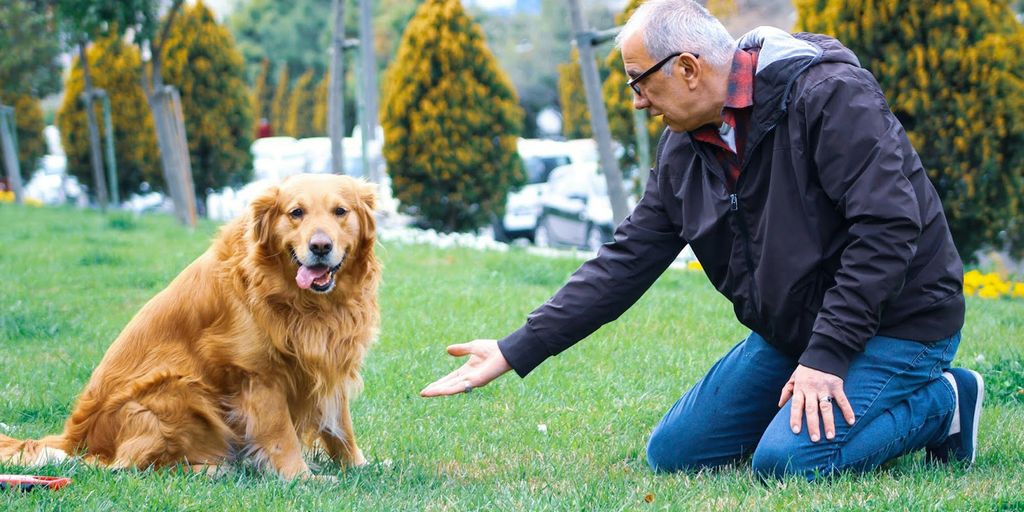
Threshold training is all about teaching your dog to pause and wait for your permission before crossing a boundary. Think of it like teaching them to wait at a doorway, a gate, or even the entrance to their crate. It’s not just about obedience; it’s a way to build patience, reduce anxiety, and help your dog focus on you as the leader. This kind of training is super important for safety and control, especially if your dog tends to bolt out the door or pull hard on the leash. It really helps them understand that you’re in charge and that good things happen when they listen.
What is Threshold Training?
Basically, threshold training is a method to teach your dog to stop and wait at any point that acts as a boundary, like a doorway, a gate, or even the edge of a rug. They learn to look to you for a cue before they move forward. It’s a way to instill a sense of calm and control in situations where they might normally get overexcited and rush ahead. This training helps dogs develop better impulse control and respect for boundaries.
Why Threshold Training Matters
There are a few big reasons why this training is so useful. First off, safety. A dog that bolts out an open door can easily get lost or hurt. Then there’s impulse control. Teaching your dog to wait at a threshold helps them practice self-control, which can spill over into other areas of their behavior, like not jumping on guests or grabbing things they shouldn’t. It also strengthens your bond. When your dog learns to look to you for direction at these points, it builds trust and reinforces your role as their guide. It’s a really positive way to communicate what you expect.
Essential Tools for Success
To get started with threshold training, you don’t need a ton of fancy equipment. Here’s what’s helpful:
- High-value treats: Think small, super tasty morsels your dog absolutely loves. Things like bits of chicken, cheese, or special training treats work wonders. These are your primary reward system.
- A leash and collar/harness: For safety and control, especially when you’re first starting out. A standard leash and a comfortable collar or harness are perfect.
- Patience: This is probably the most important tool. Every dog learns at their own pace, and some days will be better than others. Just keep at it!
- A positive attitude: Your dog picks up on your energy. Staying calm and encouraging makes the training process much more enjoyable for both of you. It’s also helpful to have a clear release word, like "Okay" or "Free," that signals to your dog they can move forward.
Threshold training is a process that requires patience and consistency. It’s about building a shared understanding with your dog, where they learn to trust your guidance and respond to your cues, leading to a more harmonious relationship and a safer environment for everyone.
Step-by-Step Guide to Doorway Manners
Teaching your dog to wait politely at doorways is a big deal. It’s not just about preventing them from bolting out the door, though that’s a huge safety win. It’s also about building their self-control and showing them that you’re the one in charge of when and where they go. This isn’t usually a super complicated process, but it does take some patience and consistency. We’re going to break it down into manageable steps.
Establishing the Initial Boundary
First things first, we need to teach your dog that the doorway itself is a boundary they shouldn’t cross without your say-so. Start with your dog on a leash. Walk towards the door, but stop a few feet away. As you get close, use a clear command like "Wait." You can also use a hand signal, like holding up your hand. The goal here is to get them to pause before they reach the door.
Reinforcing Calmness at the Threshold
Once you’re stopped before the threshold, the next step is to reward your dog for being calm. This means waiting until they stop pulling, maybe sit down, or just stand still without fussing. It’s important to wait for that moment of stillness. When you see it, offer praise and a high-value treat. This positive reinforcement shows them exactly what you want. If they try to push past, just hold the leash gently to prevent them from moving forward. We’re looking for that quiet, settled behavior before we move on. You can find some great tips on positive reinforcement for dogs here.
Gradual Release and Controlled Movement
After your dog has successfully waited calmly for a bit, it’s time to teach them how to move through the doorway. Give a release command, something like "Okay" or "Come." Then, you’ll walk through the doorway together. Make sure your dog moves with you in a controlled manner, not rushing ahead. Once you’re both on the other side, have them pause again briefly. This reinforces that the calm behavior continues even after crossing the threshold. It’s all about teaching them to move with you, not just rush past you.
Building Impulse Control at Boundaries
Introducing Temptations Near Thresholds
Once your dog has a good grasp on waiting at a doorway, it’s time to make things a little more challenging. This is where we really work on that impulse control. Think of it like adding a little test to see if they can stay focused even when something fun is right there. We’re not trying to trick them, just help them learn that waiting is more rewarding than rushing.
Start by placing a favorite toy or a tasty treat just inside or outside the doorway, but still out of reach. Your dog should be in a sit-stay or a down-stay. The goal is for them to see the temptation, acknowledge it, and then look back at you, or at least remain in their stay position without lunging for it. If they break their stay, that’s okay! Just calmly guide them back to their spot and try again. We want to make sure they understand that staying put is the right choice, no matter what’s nearby.
Practicing Patience with Distractions
This step is all about building your dog’s ability to ignore things that might normally make them lose focus. We’re going to introduce mild distractions while they’re practicing their threshold waits. This could be anything from a person walking by at a distance to another dog on a leash across the street. The key here is to start small and gradually increase the intensity of the distraction as your dog gets better.
Here’s a breakdown of how to approach it:
- Start with low-level distractions: Think about sounds or sights that are noticeable but not overwhelming for your dog. Maybe someone walking past the window or a car driving by.
- Gradually increase intensity: As your dog remains calm, you can move to slightly more engaging distractions. This might involve having a family member walk past the door while you’re training, or practicing near a park where other dogs are present.
- Reward calm behavior: Whenever your dog sees or hears a distraction but remains focused on you or holds their stay, give them a big reward! This positive reinforcement teaches them that ignoring distractions is a good thing.
Remember, the aim isn’t to eliminate distractions entirely, but to teach your dog that they can remain composed and attentive to you, even when other things are happening around them. This builds a strong foundation for real-world scenarios.
Reinforcing Focus on the Handler
This is where we really solidify that connection between you and your dog. Even with distractions present, we want your dog to check in with you and look to you for guidance. This is a great time to practice attention exercises, like calling their name and rewarding them when they make eye contact. You can also incorporate simple cues like "touch" where they touch their nose to your hand. The more they practice looking to you for direction, the less likely they are to get sidetracked by what’s going on around them. It’s about making yourself the most interesting thing in their environment, even when there are other exciting things happening. This is a core part of attention and impulse control training. Keep those rewards coming, and celebrate every little success – it makes a big difference!
Consistency and Practice for Lasting Results
So, you’ve been working on those boundary skills with your dog, and things are starting to click. That’s awesome! But here’s the thing: training isn’t a one-and-done deal. To make sure your dog really gets it and keeps those good manners, you’ve got to be consistent and keep practicing. It’s like anything worthwhile, really. You wouldn’t expect to become a concert pianist after just one lesson, right? Same goes for your dog learning to wait patiently at the door or stay off the couch. It takes time and repetition.
Varying Thresholds and Environments
Once your dog is doing well in your living room, don’t stop there! Start introducing those same exercises in different places. Try the front door, then maybe a gate, or even the entrance to the backyard. Each new spot is like a new learning opportunity. Also, think about the environment. Is it quiet? Are there other people or dogs around? Start easy, with fewer distractions, and slowly add more. This helps your dog understand that the rules apply everywhere, not just in one specific spot. It’s all about building a solid foundation for reliable behavior.
Increasing Duration and Distance
Remember the ‘Three Ds’ we talked about? Distance, Duration, and Distraction. Now’s the time to play with them. Can your dog wait a little longer? Can you take a step further away before releasing them? Gradually increase how long they have to hold a ‘stay’ or how far you can move from them. Don’t try to do too much too soon, though. If your dog starts to struggle, just dial it back a bit. It’s a dance, and you’re learning the steps together. We want to build success, not frustration.
Integrating Training into Daily Routines
This is where the magic really happens. Instead of just doing ‘training sessions,’ weave these skills into your everyday life. Ask your dog to wait before you put their food bowl down. Have them ‘stay’ for a moment before you open the door to go for a walk. Even small moments count. This makes the training feel natural and reinforces the behaviors constantly. It’s about making good manners a part of your dog’s normal life, not just something they do when you have treats in your hand. Effective dog training relies on consistency in cues, rules, and routines to help your dog understand and retain new behaviors. This approach reinforces learning and builds a strong foundation for obedience and a well-behaved companion. This approach reinforces learning.
The key is to keep it positive and fun. If you’re getting stressed, your dog will pick up on that. Celebrate the small wins, be patient with the setbacks, and remember that every dog learns at their own pace. Consistency is your best friend here.
Advancing Your Dog’s Boundary Skills
Once your dog has a solid grasp on basic doorway manners, it’s time to really push their skills further. This is where we build on that foundation, making their obedience reliable even when things get a bit more complicated. Think of it as graduating from basic training to the advanced classes – it takes patience, but the results are totally worth it.
Off-Leash Threshold Control
This is a big step! When your dog can reliably wait at a door with a leash, the next move is to try it without the leash. Start in a safe, enclosed space, like your living room. Ask your dog to wait at a doorway, and then step away. If they stay put, great! Give them a reward. If they move, no big deal, just calmly guide them back and try again. Gradually, you can move to more challenging spots, like the front door, but always make sure it’s secure. The goal is for them to understand that the boundary is important, leash or no leash. This is a key part of responsible pet ownership.
Multi-Dog Boundary Training
Got more than one furry friend? Training them together at thresholds adds another layer of challenge. You’ll want to work with them one at a time initially, then bring them together. It requires them to pay attention not just to you, but also to each other’s behavior. You might have one dog wait while the other crosses, then switch. Eventually, you’ll have them both waiting patiently side-by-side. It’s a great way to build pack harmony.
Advanced Obstacle Challenges
To really test your dog’s impulse control, start adding distractions near the threshold. Think about placing a favorite toy or a tasty treat just inside or outside the doorway. Your dog needs to learn that even with these tempting items present, they still must wait for your cue. It’s like saying, "Yes, that’s there, but you still have to wait for me." This helps them generalize their training and understand that boundaries are absolute, not just suggestions.
Troubleshooting Common Boundary Training Issues
Addressing Door-Bolting Behavior
So, your dog sees the door as a starting line for a sprint? It happens. If your dog bolts through the threshold the second it opens, it’s a sign we need to rewind a bit. Go back to reinforcing that calm behavior before you even think about opening the door. Make sure they understand that the door opening doesn’t automatically mean ‘GO!’.
Here’s a quick rundown:
- Practice the Wait: Have your dog sit or stay a few feet from the door. Open it just a crack. If they move, close it immediately. No fuss, just a closed door.
- Reward Stillness: The moment they stay put, even for a second, reward them. Gradually increase the time they have to wait as you open the door wider.
- Controlled Release: Only give a release cue (like "Okay!") when the door is fully open and they are still waiting. This teaches them that you control when they can move.
The key is to make them wait for permission, not just charge through.
Improving Focus and Engagement
Sometimes, training hits a wall because your dog just isn’t paying attention. It’s like trying to teach a toddler calculus when they’d rather be playing with blocks. If your dog struggles to focus, try making your rewards way more exciting. Think super-high-value treats they only get during training. Also, shorten those training sessions. Five minutes of focused work is better than twenty minutes of your dog looking at squirrels.
- Reward Value: Use treats that are irresistible – bits of chicken, cheese, or special training treats.
- Session Length: Keep sessions short and sweet, especially when starting out. End on a positive note.
- Environment: Start in a quiet place with zero distractions. Once they’re solid there, slowly introduce mild distractions. You can find some good tips on dog training basics.
It’s easy to get frustrated when your dog isn’t focused, but remember, their attention span is limited. Be patient and make training a game they want to play.
Managing Difficulty with Distractions
Distractions are the bane of any dog trainer’s existence, right? If your dog is doing great in a quiet room but loses their mind when the mail carrier walks by or another dog barks outside, we need to work on desensitization. This means slowly introducing those distractions while keeping your dog calm and rewarded.
- Start Small: Begin with very mild distractions. Maybe have someone walk by outside the window at a distance where your dog notices but doesn’t react. Reward calm behavior.
- Gradual Increase: Slowly, over many sessions, decrease the distance or increase the intensity of the distraction. If your dog reacts, you’ve gone too fast; back up a step.
- Positive Association: Pair the distraction with something good, like a tasty treat. This helps your dog learn that the distraction isn’t scary or exciting, but just a cue for a reward.
Having trouble with your dog sticking to boundaries? Don’t worry, many owners face similar challenges. We’ve put together some easy-to-understand tips to help you sort out common boundary training problems. If you want to learn more and get expert advice, visit our website today!
Wrapping Up: Building a Better Bond
So, we’ve gone over how to teach your dog to wait at doors and other boundaries. It takes some patience, for sure, and you’ll need to be consistent with what you’re asking. But sticking with it really pays off. Your dog will be safer, and honestly, it just makes living together a lot smoother. Remember to keep training sessions positive and fun, and don’t get discouraged if you have a few off days. Every dog learns at their own pace, and with a little effort, you’ll both get there. You’ve got this!
Frequently Asked Questions
What exactly is threshold training for dogs?
Threshold training is teaching your dog to wait patiently at doorways, gates, or other openings before passing through. It’s about teaching them to pause and get your okay before moving forward, which helps keep them safe and teaches them self-control.
Why is teaching my dog about thresholds so important?
It’s super important because dogs can sometimes dash out of doors without thinking, which could be dangerous if there’s traffic or they could get lost. This training helps prevent that by teaching them to wait for your permission, making them safer and more obedient.
What supplies do I need to start threshold training?
You’ll need a leash and collar to keep your dog close, and some really tasty treats that your dog loves. These treats act as rewards when your dog does a good job waiting.
How do I teach my dog to wait at the door?
Start by approaching a door with your dog on a leash. Ask them to ‘wait’ and reward them with a treat when they stay calm. Once they’re good at waiting, you can give a release word like ‘okay’ and walk through together, making sure they go calmly.
What if my dog tries to bolt through the door?
If your dog tries to rush out, just calmly close the door and try again. Make sure you’re rewarding them for staying calm *before* you open the door and give the release command. Practice makes perfect!
How often should I practice threshold training?
Yes, consistency is key! Practice this training often, not just at the front door, but at other openings too. Try increasing how long they have to wait or practicing when there are small distractions, like someone walking by outside.