

Crate training for puppies can feel a bit overwhelming at first, but it’s one of the best things you can do for your new furry family member. Not only does it help with house training, but it also gives your pup a safe, cozy place to call their own. Whether you’re just starting out or looking to improve your approach, this guide will walk you through everything you need to know.
Key Takeaways
- Start crate training as early as possible to build good habits.
- Always use positive reinforcement to encourage your puppy.
- Choose a crate that’s the right size and comfortable for your pup.
- Patience is key—take small steps and don’t rush the process.
- Avoid using the crate as punishment to keep it a positive space.
Understanding the Basics of Crate Training for Puppies
What Is Crate Training?
Crate training is the process of teaching your puppy to see their crate as a safe and comfortable space. Think of it as giving them their own little room where they can relax, nap, or retreat when things feel overwhelming. It’s not about locking them up—it’s about creating a positive association. A crate can mimic a dog’s natural den instincts, offering them a place that feels secure and cozy.
Why Crate Training Is Important
Crate training isn’t just convenient for you—it’s also beneficial for your puppy. Here’s why:
- Helps with house-training by teaching bladder control.
- Provides a safe space during stressful situations, like fireworks or parties.
- Prepares your puppy for travel or vet visits, as crates are often required in those scenarios.
- Prevents destructive behaviors when you can’t supervise them.
When done right, crate training sets the stage for a well-behaved and confident dog.
Common Misconceptions About Crate Training
There are a lot of myths out there about crate training. Let’s clear some of them up:
- “Crates are cruel.” Nope! When introduced properly, dogs actually enjoy having a private space.
- “It’s just for punishment.” Absolutely not. A crate should never be used to discipline your puppy.
- “My dog will hate being confined.” Most dogs adapt well to crates when the process is gradual and positive.
Crate training is about creating trust and comfort, not fear or force.
By understanding these basics, you’re already on the right path to making crate training a success for both you and your puppy. Learn more about creating a safe space for your dog.
Choosing the Right Crate for Your Puppy
Types of Crates and Their Benefits
When deciding on a crate for your puppy, you’ll come across several options, each with its own perks:
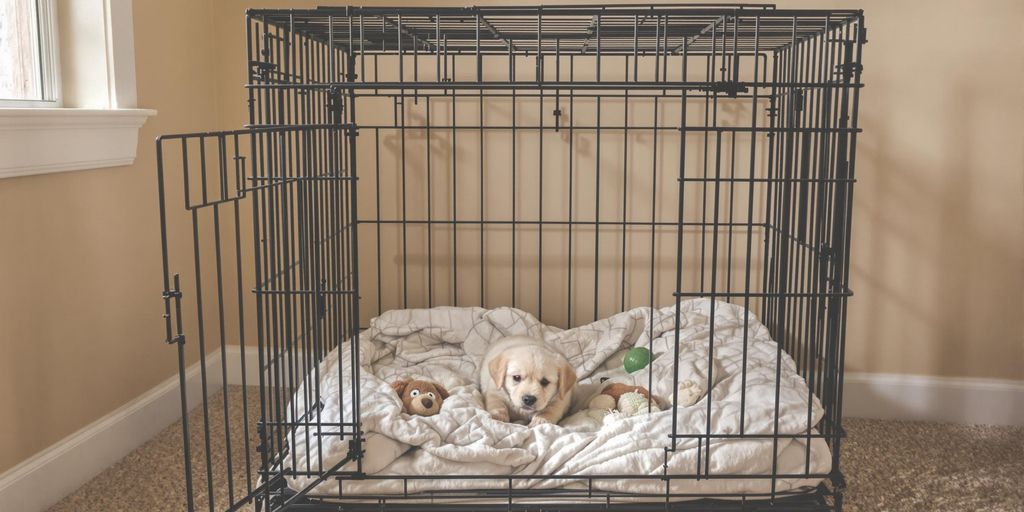
- Wire Crates: These are airy, provide great visibility, and often include dividers, which are perfect for a growing puppy.
- Plastic Crates: Ideal for travel or creating a more enclosed, den-like feel. They’re also lightweight and durable.
- Soft-Sided Crates: Best for calm dogs or temporary use, but not great for chewers.
- Furniture-Style Crates: If you’re looking for something that blends with your home decor, these are stylish but less practical for training.
Each type has its pros and cons, so think about your puppy’s needs and your lifestyle before choosing.
How to Select the Correct Size
Getting the size right is super important. A crate that’s too big can lead to accidents, while one that’s too small will feel cramped. Here’s how you can figure it out:
- Measure your puppy’s length from nose to tail and height from floor to head.
- Add a few inches to both measurements to ensure comfort.
- If your puppy is still growing, look for a crate with a divider so you can adjust the space as they grow.
A properly sized crate allows your puppy to stand, turn around, and lie down comfortably without leaving too much extra room.
Essential Features to Look For
Not all crates are created equal. Here are some features that can make your life easier:
- Durability: Puppies can be rough, so a sturdy crate is a must.
- Easy to Clean: Look for a slide-out tray or washable surfaces to handle accidents effortlessly.
- Portability: If you plan to move the crate around, choose one that’s easy to carry or foldable.
- Ventilation: Ensure good airflow, especially for wire or plastic crates.
- Safety: No sharp edges or gaps where your puppy could get stuck.
A well-chosen crate can make training smoother and give your puppy a safe, cozy spot to call their own.
For more guidance on selecting the ideal crate, check out this guide to measuring and choosing the right size.
Step-by-Step Guide to Crate Training for Puppies
Introducing the Crate Gradually
Start by placing the crate in a familiar area, like the living room. Keep the door open and let your puppy explore it at their own pace. Toss a few treats or toys inside to make it more inviting. Patience is key here—some puppies may take a few days to feel comfortable. Avoid forcing them inside, as this can create fear. Introduce the crate gradually to help them adjust comfortably.
Using Positive Reinforcement
Whenever your puppy interacts with the crate—whether they sniff it, step inside, or even just look at it—reward them with praise and a treat. Gradually, they’ll associate the crate with good things. If they lie down inside, give them an extra treat. Remember, consistency is your best friend in this process.
Extending Time in the Crate
Once your puppy is comfortable entering the crate, start closing the door for short periods. Begin with just a minute or two, then slowly increase the time. Make sure to stay nearby at first so they don’t feel abandoned. Over time, work up to leaving the room for brief intervals. If they whine, wait until they’re calm before letting them out—this way, they won’t learn that whining gets them out of the crate.
Overcoming Common Challenges in Crate Training
Dealing with Whining and Barking
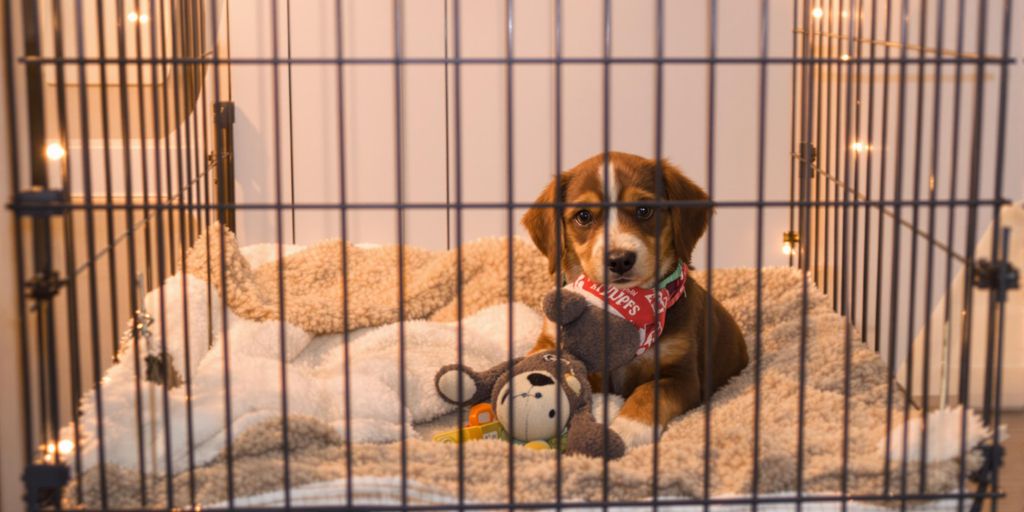
Whining and barking are probably the most common issues during crate training. Puppies might whine because they’re adjusting to the crate or because they feel lonely. It’s important not to rush the process. Start by keeping the crate in the same room as you so your puppy feels your presence. Gradually increase the time they spend alone in the crate. If the whining persists, it might mean you’ve moved too quickly and need to take a step back.
Here are a few tips:
- Avoid letting them out while they’re whining, as this can reinforce the behavior.
- Use a soothing tone to calm them, but don’t overdo it.
- Introduce a comfort item, like a toy or blanket, to make the crate feel cozier.
Addressing Separation Anxiety
Some puppies struggle with separation anxiety, making crate training more difficult. Signs of hesitancy, like refusing to enter the crate when you leave, could indicate anxiety. Understanding these behaviors helps you address the root cause.
Ways to ease separation anxiety include:
- Practicing short departures and returns to show your puppy you’ll always come back.
- Leaving a piece of clothing with your scent in the crate.
- Gradually increasing the time you’re away, starting with just a few minutes.
What to Do If Crate Training Fails
Crate training doesn’t work for every dog, and that’s okay. If your puppy shows extreme stress, like excessive drooling, destructive behavior, or trying to escape, it might be time to consider alternatives.
Options include:
- Setting up a puppy-proof area with a baby gate or playpen.
- Consulting a professional trainer or vet for guidance.
- Exploring other safe spaces, like a dog-safe room.
Some puppies just need a different solution. It’s not a failure—it’s finding what works best for them.
Making the Crate a Safe and Comfortable Space
Setting Up the Crate Properly
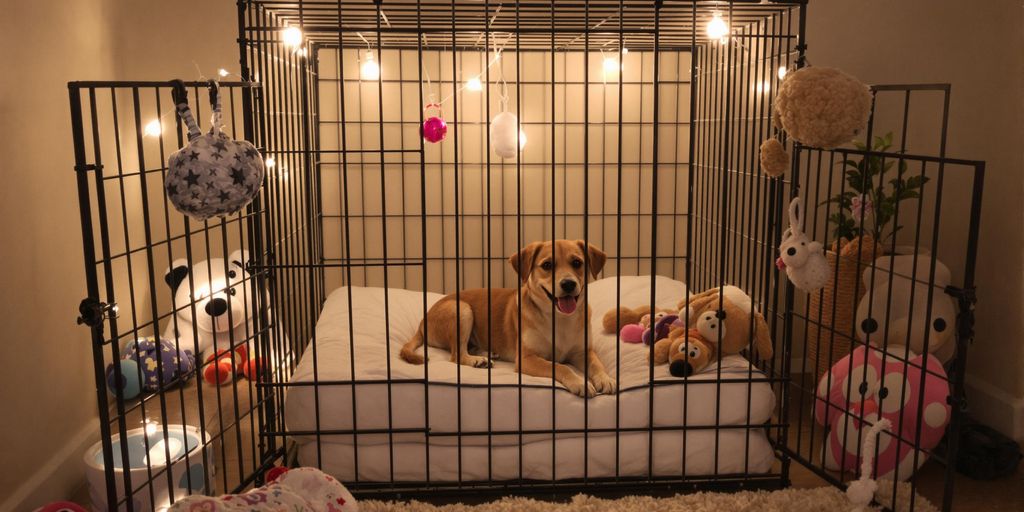
Getting the crate ready is the first step to making it feel like home for your puppy. Place the crate in a quiet but not isolated spot in your house—somewhere your puppy can feel part of the family but not overwhelmed by activity. Add a soft blanket or crate mat to the bottom for extra comfort. Never use the crate as punishment, as this can make your puppy fear it instead of seeing it as a safe haven.
Using Toys and Treats for Comfort
Introduce toys and treats to make the crate a positive space. Chew toys, especially ones that can be stuffed with treats, are fantastic for keeping your puppy entertained. A favorite toy or two can help them feel less lonely, especially during the adjustment period. Interactive toys are a great option—they keep your puppy busy and happy while they’re inside the crate.
Maintaining a Clean and Inviting Environment
A clean crate is a happy crate. Puppies, like humans, are more comfortable in a space that smells fresh and inviting. Regularly wash the bedding and wipe down the crate with pet-safe cleaning products. Keeping the crate clean also helps with house-training since dogs naturally avoid soiling their sleeping area. Positioning the crate near a heating vent or adding a warm blanket can make it extra cozy, especially during colder months. For tips on making the crate warm and inviting, check out this guide.
A well-prepared crate can become your puppy’s favorite spot, offering them a sense of security and comfort no matter what’s happening around them.
Nighttime Crate Training Tips for Puppies
Establishing a Bedtime Routine
Creating a consistent bedtime routine is the first step to successful nighttime crate training. Puppies thrive on structure, so aim to follow the same steps each night. For example:
- Take your puppy out for a final potty break, even if they seem sleepy.
- Wind down with a calm activity, like gentle petting or quiet play.
- Place your puppy in the crate with a comforting item, such as a soft blanket or a toy.
Consistency is key here—it helps your puppy learn what to expect and reduces anxiety.
Handling Nighttime Whining
Nighttime whining is common, especially during the early days of crate training. While it’s tempting to rush to your puppy at every sound, doing so can reinforce the behavior. Here’s how to handle it:
- Wait for a pause in the whining before letting your puppy out, so they don’t associate noise with getting attention.
- Ensure their needs are met before bedtime—this includes potty breaks, food, and water.
- Consider placing the crate near your bed initially. Your presence can be reassuring, and you’ll be able to tell if the whining is due to a genuine need.
Ensuring a Restful Night for Your Puppy
Making the crate a comfortable and secure space is essential for a good night’s sleep. Here are some tips to help:
- Use a properly sized crate. It should be big enough for your puppy to stand, turn around, and lie down comfortably, but not so large that they feel lost.
- Include a calming item, like a heartbeat toy or a familiar blanket, to help them feel safe.
- Keep the crate in a quiet, dimly lit area to encourage sleep.
A restful night starts with preparation. By meeting your puppy’s needs and creating a cozy environment, you’re setting both of you up for success.
Remember, crate training is a process. Be patient and stick with it—your puppy will adjust with time and consistency. For more on creating a safe and comfortable crate environment, check out crate training puppies.
Advanced Crate Training Techniques
Incorporating Crate Games
Crate games are a fantastic way to make the crate a fun and engaging space for your puppy. Try these ideas:
- Hide-and-Seek: Place a treat inside the crate and encourage your puppy to find it. This builds a positive association.
- Tug-of-War: Play near the crate to make it part of their play zone.
- "Go to Your Crate" Challenge: Use a command and reward them when they go inside on their own.
Using the Crate for Travel
Traveling with your puppy? The crate can be their safe haven on the go. Here’s how to prepare:
- Start with short car rides to get them used to the motion.
- Place familiar toys or blankets inside for comfort.
- Always secure the crate to prevent sliding or tipping.
Transitioning to Longer Periods
Gradually extending crate time helps your puppy adjust without stress. Follow these steps:
- Increase crate time by 5-10 minutes daily.
- Stay nearby at first, then slowly leave the room for short intervals.
- Monitor their behavior—whining or barking might mean you’re moving too fast.
Advanced techniques like these not only improve crate training but also strengthen your bond with your puppy. Patience and consistency are key.
Looking for more guidance? Learn the essential steps to begin crate training.
When it comes to crate training your dog, using advanced techniques can make a big difference. Start by making the crate a cozy and inviting space for your pet. Use soft bedding and toys to help them feel safe. Gradually introduce your dog to the crate, allowing them to explore it at their own pace. Remember to reward them with treats and praise when they enter the crate willingly. This positive reinforcement will help them associate the crate with good experiences. For more tips and detailed guidance, visit our website!
Wrapping It Up
Crate training your puppy might feel like a big task at first, but with patience and a little consistency, it can really pay off. The key is to take it slow, keep things positive, and remember that every pup learns at their own pace. Whether you’re using treats, short sessions, or just a lot of encouragement, the goal is to make the crate a safe and happy space for your furry friend. Stick with it, and before you know it, your puppy will see their crate as their own little cozy corner. Good luck, and don’t forget to enjoy the journey with your new best friend!
Frequently Asked Questions
What is crate training, and why is it helpful?
Crate training teaches your puppy to see their crate as a safe and comfortable place. It helps with housebreaking, provides a secure spot for rest, and can reduce anxiety.
How do I choose the right crate size for my puppy?
Pick a crate that allows your puppy to stand, turn around, and lie down comfortably. Avoid crates that are too large, as this might encourage accidents inside.
How long should I leave my puppy in the crate?
Start with short periods, like 10–15 minutes, and gradually increase the time as your puppy gets comfortable. Puppies should not be crated for more than a few hours at a time during the day.
What do I do if my puppy whines in the crate?
If your puppy whines, ensure they don’t need to go potty. Otherwise, avoid letting them out immediately, as this might teach them whining gets them out. Instead, wait for a moment of calm to open the crate.
Can I use the crate as a punishment?
No, never use the crate as a punishment. It should always be a positive and safe space for your puppy, not associated with negative feelings.
What should I put inside the crate for my puppy?
Place soft bedding, a chew toy, and maybe a treat inside to make the crate cozy and inviting. Avoid leaving items that could be chewed up and swallowed.