
Teaching your puppy its name is an essential step in building a strong bond and effective communication. This simple yet powerful game not only helps your pup learn to respond to its name but also sets the groundwork for future training. Let’s explore how to teach a puppy its name in a fun and engaging way.
Key Takeaways
- Gather your puppy, tasty treats, and a calm environment to start training.
- Use positive reinforcement to create a strong connection with your puppy’s name.
- Short, fun training sessions keep your puppy engaged and eager to learn.
- Gradually introduce distractions to help your puppy focus in different situations.
- Avoid negative associations with the name to ensure your puppy responds positively.
What You’ll Need to Play the Name Game
Teaching your puppy their name is a fun and rewarding process. To get started, you’ll need a few essentials to make the experience both effective and enjoyable.
Your Puppy
Obviously, the star of the show is your furry friend. Make sure your puppy is in a relaxed and playful mood. If they’re tired or distracted, it might be harder for them to focus on learning.
High-Value Training Treats
Treats are a great motivator for puppies. Opt for high-value treats that your puppy loves—think small, pea-sized pieces of chicken, cheese, or freeze-dried liver. These treats should be enticing enough to grab their attention quickly.
A Quiet, Familiar Space
Choose a calm environment where your puppy feels comfortable. Avoid areas with too many distractions, like loud noises or other pets. A quiet space helps your puppy concentrate better on learning their name.
The right setup can make all the difference in how quickly your puppy learns. Keeping the environment consistent and positive will set the stage for successful training sessions.
Why the Name Game Works
Positive Reinforcement
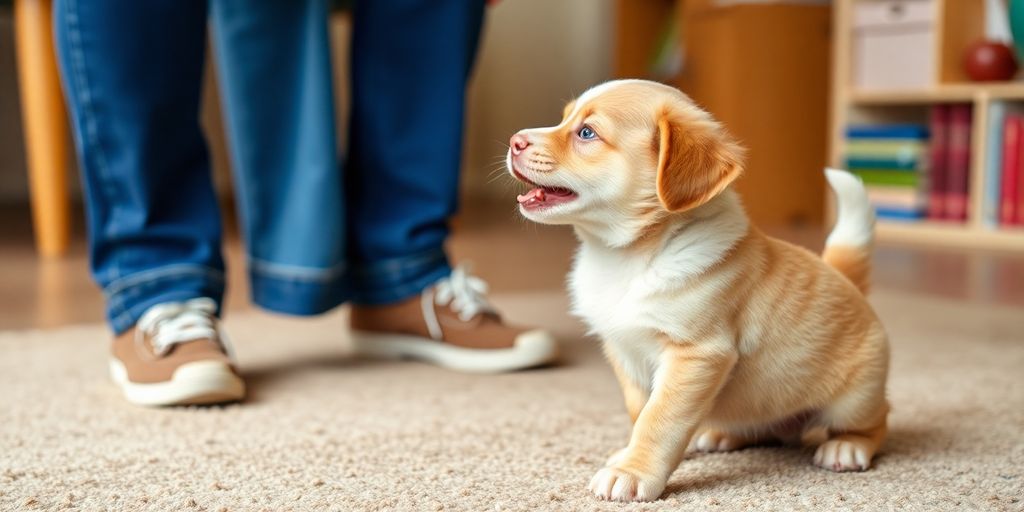
The Name Game taps into the power of positive reinforcement. When your puppy hears its name and something good follows, like a treat or a fun game, it starts to associate its name with good things. This makes the name a reliable cue for grabbing their attention anytime you need it. The magic here is in the consistency—every time your pup responds to its name, make sure you reward it with something it loves.
Building Attention Cues
Teaching your puppy its name is more than just getting it to look at you. It’s about building a foundation for communication. When your dog learns that their name means "focus on me," it sets the stage for more complex commands and interactions. This training approach boosts your puppy’s confidence by encouraging it to seek reinforcement through its choices, creating a relaxed environment for both the puppy and the trainer.
Creating Positive Associations
The goal is to make your puppy’s name mean something wonderful. Each time you call out their name and they respond, it should be followed by a positive experience. Whether it’s a tasty treat, a gentle pat, or a fun toy, these positive associations make your puppy eager to respond. Over time, this not only strengthens the bond between you and your furry friend but also helps in managing their behavior in various situations.
Remember, the Name Game is not just a trick—it’s a way to build a strong, communicative relationship with your puppy. Keep it fun, keep it positive, and watch as your puppy learns to love their name.
Understanding the Importance of the Name Game
Attention and Focus
Getting your puppy to respond to their name is like having a magic button for their attention. When they hear their name and turn to look at you, it’s the first step in building a reliable communication system. This skill is especially handy in situations where you need your dog to focus, like at the dog park or during a walk.
Foundation for Future Training
Think of the Name Game as the groundwork for all future training. Once your pup knows to respond to their name, teaching them other commands becomes a whole lot easier. It’s like laying down the tracks before you can run the train. Without this foundation, other training efforts might not be as effective.
Safety and Control
A dog that responds to their name is not only easier to manage, but also safer. Imagine calling out to your dog in an emergency and having them come to you immediately. It’s a key part of teaching a dog to come when called, which can be a lifesaver in unpredictable situations. Plus, it helps you maintain control in everyday scenarios, reducing stress for both of you.
Grasping the importance of the Name Game isn’t just about obedience; it’s about building a secure and trusting relationship with your puppy. It’s the first step towards a harmonious life together.
Starting the Name Game Training
Creating Positive Associations
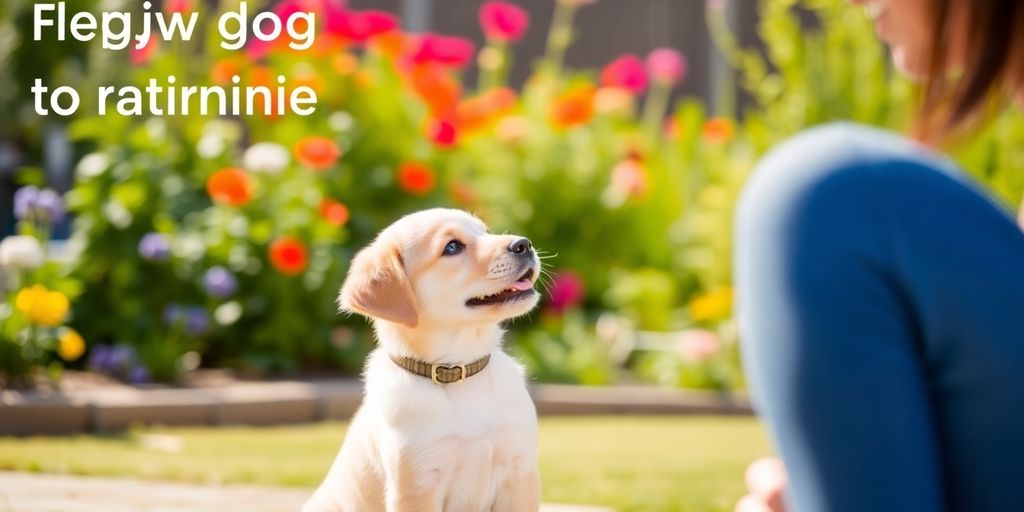
Starting the Name Game is all about laying a good foundation. Your puppy’s name should always be linked to something positive. This means every time you say their name, something great happens, like getting a treat or a belly rub. Begin by saying their name and immediately rewarding them with a tasty treat. Keep it simple and fun. This helps them learn that responding to their name is a good thing.
Using Enthusiastic Tone
Your voice is a powerful tool in training. When you call your puppy’s name, use a happy, upbeat tone. This makes your puppy more likely to respond. Dogs are like little mood detectors, and they pick up on your enthusiasm. So, if you sound excited, they’ll be excited too. Try saying their name like it’s the best thing ever, and watch them perk up.
Short and Fun Sessions
Puppies have short attention spans, so keep training sessions brief and enjoyable. Aim for 5-10 minute sessions, a few times a day. It’s better to have multiple short sessions than one long one. This keeps your puppy engaged and prevents them from getting bored or frustrated. Remember, the goal is to make learning their name a fun game, not a chore.
Advanced Name Game Challenges
Change Locations
Once your puppy has nailed responding to their name at home, it’s time to mix things up. Start by taking the Name Game outside. Begin in quiet spots, like your backyard, and gradually move to busier areas like a park. This helps your puppy learn to focus on you despite distractions.
Vary the Treat Delivery
Switch up how you reward your puppy. Instead of always handing them a treat, try tossing it a short distance for them to chase. You can also place treats in different spots to encourage them to seek them out. This keeps the game exciting and unpredictable.
Add Movement
After calling your puppy’s name, add some movement to the mix. Walk backward or jog a few steps, encouraging your puppy to follow you. This not only reinforces their response to their name but also adds an element of fun and playfulness.
As you introduce these challenges, remember to keep the sessions short and enjoyable. Celebrate every little success with your puppy, and don’t rush the process. Patience and consistency are key. Training a puppy can be overwhelming, but with patience and consistency, it becomes manageable. Start early with short sessions, using positive reinforcement like treats and praise to encourage good behavior. Focus on basic commands such as "sit," "stay," and "come" to build trust and communication. Create a safe environment and socialize your puppy with various people and pets to foster confidence. Address common issues like chewing and barking with appropriate strategies. Remember, every puppy learns at their own pace, so celebrate small victories along the way.
Tips for Successful Name Training
Consistency is Key
Consistency is the backbone of teaching your puppy its name. Always use the same name and tone when calling your pup. Avoid using their name in a negative context; this could confuse them. Whether you’re calling them for a snuggle or a treat, keep it positive and consistent.
Patience and Positive Reinforcement
Training your puppy requires a lot of patience. Celebrate every small win, like when your puppy looks at you after hearing its name. Use positive reinforcement by rewarding them with treats or praise. Over time, they’ll associate their name with good things.
Practice with Distractions
Once your puppy starts responding to its name in a quiet setting, it’s time to up the game. Gradually introduce distractions like visitors or practice in different environments. This helps your puppy learn to focus on you, no matter what’s happening around them.
"Training is not just about teaching commands; it’s about building a bond with your puppy."
Keeping sessions short and sweet is essential. Aim for 5-minute sessions to keep your pup engaged without losing interest. With consistent practice and patience, your puppy will master its name in no time.
Common Mistakes to Avoid
Using the Name Negatively
One big mistake folks make is using their pup’s name in a negative way. Imagine this: your dog just chewed up your favorite shoe, and you shout their name in frustration. Avoid doing this. Your dog’s name should always be a positive thing. If they start associating their name with scolding, they’ll be less likely to respond happily when you call them. Instead, use the name for good stuff like treats, playtime, or affection.
Inconsistency in Training
Consistency is a huge part of dog training. If you call your dog by different names or tones, it can confuse them. Stick to one name and use it the same way every time. This helps your dog learn faster and makes training more effective. It’s like teaching a kid to spell their name—if you keep changing the letters, they’ll never learn it.
Ignoring Small Wins
It’s easy to overlook the little victories when you’re focused on the big picture. But celebrating small wins is a great way to keep your dog motivated. Did your dog come running when you called their name? Give them a treat or a pat. These small gestures build confidence and reinforce the behavior you want. Remember, training a new dog is about building trust and understanding, so every step forward is worth acknowledging.
"Training isn’t just about teaching commands; it’s about creating a bond. Every time you call your dog’s name and they respond, you’re strengthening that connection."
When training your dog, it’s easy to make mistakes that can slow down progress. One common error is using harsh methods instead of positive reinforcement. This can hurt your dog’s trust and make training harder. Always choose methods that reward good behavior, like treats or praise. Also, make sure to check the trainer’s background and experience. Look for someone with good reviews and proper certifications. Finally, find a course that fits your needs and offers support. For more tips and resources, visit our website!
Wrapping Up the Name Game
Teaching your puppy their name is a journey that pays off big time. It’s not just about getting them to respond; it’s about building a bond and making communication easier. Remember to keep things light and fun. Celebrate those little wins, and don’t sweat the setbacks. Stay positive, and your puppy will pick up on that energy. With a bit of patience and some tasty treats, you’ll have a pup who not only knows their name but also loves hearing it. So, get out there and start playing the Name Game—your furry friend will thank you!
Frequently Asked Questions
What supplies do I need to teach my puppy their name?
You’ll need your puppy, some tasty treats, and a quiet place to train without distractions.
Why is it important for my puppy to know their name?
Knowing their name helps your puppy pay attention and is the first step in teaching them other commands.
How do I create positive associations with my puppy’s name?
Every time you say your puppy’s name, reward them with a treat or praise to make it a happy experience.
What if my puppy doesn’t respond to their name right away?
Be patient! Keep practicing and use a cheerful tone to encourage them.
Can I teach my puppy their name in different places?
Yes! Once they learn their name at home, try practicing in new places with fewer distractions.
What are some common mistakes to avoid when training my puppy?
Avoid using their name in negative situations and be consistent in your training.