

Socializing a puppy is one of the most important things you can do as a dog owner. It’s all about helping your little buddy get comfortable with the world around them—people, other animals, and new places. When done right, it sets your puppy up for a lifetime of confidence and good behavior. But, let’s be real, it’s not always straightforward. That’s why we’ve put together this guide to help you navigate the process and avoid common pitfalls.
Key Takeaways
- Start socializing your puppy as early as possible, ideally before 16 weeks.
- Use treats and praise to create positive experiences in new situations.
- Introduce your puppy to a variety of people, animals, and environments gradually.
- Watch for signs of stress or fear and adjust the pace accordingly.
- Avoid punishment—it can create negative associations and slow progress.
Understanding the Importance of Socializing a Puppy
Why Early Socialization Matters
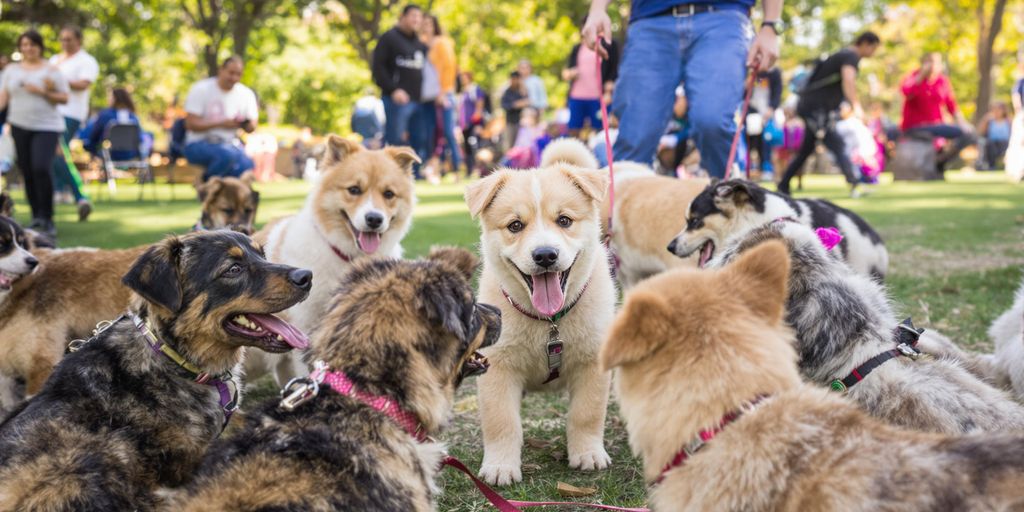
The first few months of a puppy’s life are like a sponge phase—they absorb everything around them. During this time, their brains are wired to learn and adapt to new experiences. Starting socialization early, ideally before 16 weeks, is key because this is when your puppy is most open to forming positive associations. Without this early exposure, they might grow up fearful or reactive when faced with new situations. Whether it’s meeting strangers or hearing the vacuum cleaner for the first time, these early encounters shape their future behavior.
Long-Term Benefits of Proper Socialization
A well-socialized puppy often becomes a confident and adaptable adult dog. This means fewer behavioral issues, like aggression or extreme shyness, down the road. Socialized dogs are also more likely to enjoy outings, whether it’s a trip to the park or a family gathering. Plus, they’re less stressed in unpredictable situations—think vet visits or crowded sidewalks. It’s not just about avoiding problems; it’s about helping your dog thrive in the world.
Common Misconceptions About Puppy Socialization
- “It’s too late after a certain age.” While early socialization is ideal, it’s never truly too late. Older puppies and even adult dogs can still learn to feel comfortable in new settings with patience and positive reinforcement.
- “Socializing just means meeting other dogs.” Nope. Socialization is about introducing your puppy to all kinds of people, environments, sounds, and even textures (like grass or tile floors).
- “You should let them figure it out on their own.” Wrong again. Puppies need guidance to ensure their experiences are positive, not overwhelming or scary.
Think of socialization as an investment. The effort you put in now will pay off with a well-rounded, happy dog who’s ready to take on the world.
Creating Positive Experiences for Your Puppy
Using Treats and Praise Effectively
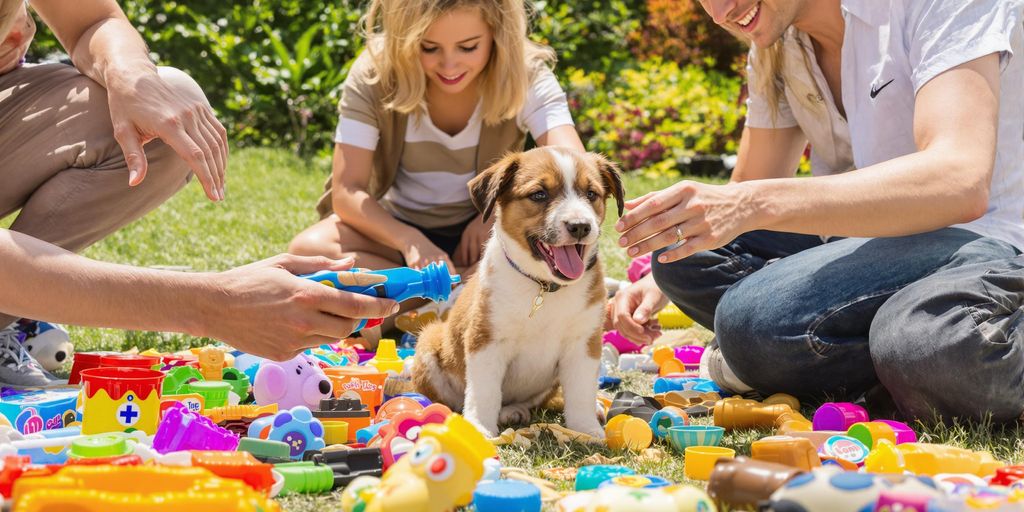
Positive reinforcement is your best friend when it comes to socializing a puppy. Reward your puppy with treats, toys, or verbal praise every time they encounter something new and react calmly. For example, if they meet a stranger or hear a loud noise without fear, let them know they did great. Break treats into small, easy-to-eat pieces so you can reward them often without overfeeding. Remember, your tone matters too—keep it upbeat and encouraging to build trust.
Introducing New Environments Gradually
Throwing your puppy into overwhelming situations can backfire. Instead, take baby steps. Start with familiar environments and slowly expand their world. For instance:
- Begin with short walks around your home or yard.
- Gradually introduce them to busier places like parks or quiet streets.
- Once they seem comfortable, try exposing them to noisier areas like markets or playgrounds.
Each new environment should feel like a fun adventure, not a stressful ordeal. Keep an eye on your puppy’s body language to ensure they’re not feeling overwhelmed.
Building Confidence Through Controlled Exposure
Building confidence takes time and patience. Introduce your puppy to a variety of experiences, but keep them controlled. For example:
- Let them walk on different textures like grass, gravel, or wooden floors.
- Expose them to everyday sounds, like a vacuum cleaner or doorbell, at a low volume initially.
- Arrange safe meetups with calm, friendly dogs to teach them appropriate social behavior.
Puppies learn best when they feel safe. Controlled exposure to new things helps them grow into confident, well-adjusted dogs.
By focusing on these steps, you’ll create a foundation of positive experiences that will shape your puppy’s behavior for years to come.
Introducing Your Puppy to People and Animals
Meeting Different Types of People
The world is full of different kinds of people, and your puppy needs to meet as many of them as possible. Start by introducing them to family members and close friends. Once they seem comfortable, expand their circle to include strangers of various ages, appearances, and behaviors. Think of people wearing hats, sunglasses, or even carrying umbrellas. A positive first impression can build lifelong trust.
Here are some practical steps to follow:
- Begin with calm, patient individuals who will let your puppy approach them first.
- Gradually introduce more energetic or louder people, like children.
- Use treats and praise to reward your puppy for calm interactions.
Puppies learn a lot from observing our reactions. If you stay relaxed, they’ll feel safe, too.
Safe Interactions with Other Dogs
Socializing with other dogs is key to teaching your puppy proper canine communication. Make sure any dogs they meet are healthy, vaccinated, and friendly. Arrange one-on-one playdates before exposing them to larger groups.
- Start with dogs of similar size and energy levels.
- Observe their body language to ensure both dogs are comfortable.
- Keep initial meetings brief and gradually increase the duration.
Remember, your puppy may be shy at first. That’s okay—give them time to warm up.
Handling First Encounters with Cats or Other Pets
Introducing your puppy to cats or other pets in the household can be tricky but manageable. Keep these interactions controlled and supervised. Use a leash for your puppy and allow the other pet to approach at their own pace.
Tips for success:
- Let them sniff each other through a barrier, like a baby gate, initially.
- Reward calm behavior with treats and praise.
- Never force interactions; patience is key.
Socializing your puppy with both people and animals ensures they grow into a confident, well-rounded dog. For example, puppies should be socialized with humans early, but contact with other pets should wait until they are 10 to 12 weeks old and fully vaccinated. Proper socialization is crucial for developing a well-adjusted dog (puppy socialization).
Overcoming Challenges in Puppy Socialization
Helping Timid Puppies Gain Confidence
Some puppies are naturally shy, and that’s okay! The key is to take it slow. Start with quiet settings, like your living room or backyard, and gradually introduce new experiences. Never force your puppy into a situation that scares them—this can backfire and make them even more nervous. Instead, use treats, affection, and a calm voice to help them feel safe. Remember, small wins count. If your puppy takes a step toward something new, reward them with a tasty treat or a belly rub. Effective puppy socialization often means letting your pup set the pace.
Addressing Early Signs of Aggression
Puppy aggression, like snapping or growling, can be a sign of fear or frustration. It’s important to tackle this early. First, stay calm—your reaction can either escalate or defuse the situation. Avoid punishment, as it often makes things worse. Instead, redirect their focus with a toy or treat. If aggression persists, it’s a good idea to consult a trainer who specializes in positive reinforcement. They can help you figure out what’s triggering the behavior and how to manage it. Meanwhile, keep introducing your puppy to new people and situations in a controlled, positive way.
Managing High-Energy Breeds During Socialization
High-energy breeds, like Border Collies or Jack Russells, can be a handful when it comes to socialization. These pups need plenty of physical and mental stimulation to stay focused. Before introducing them to new experiences, try burning off some of their energy with a brisk walk or a game of fetch. Keep socialization sessions short and upbeat—five to ten minutes is often enough. Always have high-value treats on hand to reward good behavior. With consistency and patience, even the most energetic pups can learn to adapt to new situations.
Balancing Health and Socialization
Understanding Vaccination Schedules
Your puppy’s health is the foundation of successful socialization. Puppies get some immunity from their mother’s milk, but this fades as they grow. To keep them safe, they require a series of vaccines. Most vets recommend avoiding public places or interactions with unvaccinated dogs until these vaccines are complete. Here’s a general idea of what to expect:
| Age (Weeks) | Vaccines Needed |
|---|---|
| 6-8 | Distemper, Parvovirus |
| 10-12 | DHPP (Distemper, Hepatitis, Parainfluenza, Parvovirus) |
| 14-16 | Rabies, DHPP Booster |
Always talk to your vet about a schedule tailored to your puppy.
Minimizing Health Risks During Socialization
Even with vaccinations in progress, you can still introduce your puppy to the world safely. Here are a few tips:
- Carry your puppy in public areas to limit contact with unknown surfaces and animals.
- Host small get-togethers at home with healthy, vaccinated dogs.
- Gradually expose them to new sights and sounds from a safe distance.
Make sure to clean their paws if they’ve been in public spaces, as this reduces exposure to germs.
Puppies thrive when they feel secure. Protecting their health while introducing them to new experiences builds trust and confidence.
Choosing Safe Socialization Activities
Not all activities are created equal when it comes to balancing health and socialization. Consider these options:
- Puppy playdates: Invite friends with vaccinated dogs for controlled, fun interactions.
- Short car rides: Help them get used to the motion and sounds of travel.
- Noise desensitization at home: Play recordings of city sounds or fireworks while offering treats.
By choosing activities that match your puppy’s health status and comfort level, you’re setting them up for a lifetime of positive experiences.
The Role of Training in Socializing a Puppy
Benefits of Puppy Training Classes
Puppy training classes are a fantastic way to combine learning and socializing. These classes not only teach basic commands but also provide a controlled environment where your puppy can interact with other dogs and people. The structured setting ensures that interactions are safe and positive, reducing the chances of negative experiences. Plus, trainers are on hand to guide you through any challenges, making it easier to address specific issues like fear or overexcitement.
Incorporating Socialization into Daily Training
Everyday training sessions are golden opportunities to expose your puppy to new experiences. While practicing commands like "sit" or "stay," you can introduce small distractions such as new sounds or objects. This helps your puppy learn to focus even in unfamiliar situations. For example:
- Practice "stay" while someone walks past.
- Use "come" when introducing them to a new room or outdoor space.
- Reward calm behavior when they encounter a new item, like a vacuum cleaner.
This approach not only sharpens their skills but also builds their confidence over time.
Using Positive Reinforcement to Shape Behavior
Positive reinforcement is your best friend when socializing a puppy. Rewarding desired behaviors with treats, praise, or playtime encourages your puppy to repeat them. If your pup approaches a new person or object without hesitation, give them a treat to reinforce that bravery. Similarly, if they remain calm in a noisy environment, a little praise goes a long way. Consistency is key—make sure everyone in your household is on the same page to avoid mixed signals.
Training isn’t just about teaching commands; it’s about building trust and helping your puppy feel secure in the world around them.
Avoiding Common Socialization Mistakes
Recognizing Signs of Over-Socialization
Believe it or not, you can overdo socialization. If your puppy seems constantly stressed, avoids interaction, or shows signs of exhaustion like excessive yawning or hiding, it might be too much. Balance is key—give your puppy time to rest and process new experiences. Watch for subtle cues that they need a break, like turning their head away or tucking their tail. Overloading them can backfire, leading to fear or anxiety rather than confidence.
Avoiding Negative Associations
Not every encounter will go perfectly, but the goal is to minimize negative experiences. For example, if a child pulls on your puppy’s tail, it could leave a lasting bad impression. Always supervise interactions and step in if things go south. Use positive reinforcement to counteract any fear—treats and a calm voice can work wonders. Remember, your puppy is learning what’s safe and what’s not, so you want to tip the scales toward safety and trust.
Knowing When to Seek Professional Help
Sometimes, despite your best efforts, things don’t go as planned. If your puppy shows ongoing fear or aggression, it might be time to bring in a professional trainer. Look for someone who specializes in positive reinforcement methods. It’s not a failure on your part—it’s about giving your puppy the best chance to thrive. Professional guidance can make a world of difference, especially for persistent issues like fear of strangers or other dogs.
Puppies are like sponges—they absorb everything, good or bad. Take it slow, stay patient, and always aim for positive experiences. Small steps today lead to big wins tomorrow.
When it comes to socializing, many people make simple mistakes that can be easily avoided. It’s important to remember that everyone has their own pace and comfort level. Instead of rushing into conversations or forcing interactions, take your time to understand the situation and the people around you. This way, you can build genuine connections without feeling overwhelmed. For more tips on how to improve your social skills, visit our website!
Wrapping It Up
Socializing your puppy might seem like a big task, but it’s really just about taking small, steady steps. Every new experience you share with your pup helps them grow into a confident, friendly companion. Remember, patience and positivity go a long way—don’t rush the process. Celebrate the little wins, like a wagging tail or a curious sniff, and don’t sweat the setbacks. At the end of the day, the bond you’re building with your puppy is what matters most. So take your time, enjoy the journey, and know that all your effort now will lead to years of happiness together. Good luck, and happy socializing!
Frequently Asked Questions
When should I start socializing my puppy?
The best time to start socializing your puppy is as early as possible, ideally before they turn 16 weeks old. This is when they are most open to new experiences, making it easier for them to adapt.
How can I help my puppy feel safe during socialization?
Use treats and gentle praise to encourage your puppy. Keep new experiences positive and never force them into situations that make them scared or uncomfortable.
What if my puppy is afraid of other dogs?
Start by letting your puppy observe other dogs from a safe distance. Gradually decrease the distance as they become more comfortable. Controlled interactions with calm, friendly dogs can also help build their confidence.
Can I socialize my puppy before they are fully vaccinated?
Yes, but you need to be cautious. Avoid high-risk areas like dog parks and stick to safe environments, such as your home or the homes of vaccinated pets.
What should I do if my puppy shows signs of aggression?
If your puppy shows aggression, stay calm and avoid punishment. Consult a professional trainer or behaviorist who uses positive reinforcement to address the issue early.
How do I avoid overwhelming my puppy during socialization?
Introduce new experiences gradually and watch for signs of stress, such as excessive panting or yawning. If your puppy seems overwhelmed, take a break and try again later.