
Getting a new puppy is exciting, but let’s be real, it can also be a bit chaotic. One tool that can really help smooth things out is crate training. It might sound a little intimidating, but it doesn’t have to be stressful for you or your new furry friend. We’ll walk through how to make crate training a positive experience for your puppy, setting you both up for success.
Key Takeaways
- Make the crate a safe and comfy spot by placing it in a busy room and adding soft bedding. Think of it as their own little den.
- Introduce your puppy to the crate slowly. Let them explore it with the door open, using treats and praise to make it a happy place.
- Build good feelings about the crate by feeding meals inside and rewarding your puppy for going in and staying calm.
- Be prepared for the first few nights. Puppies may whine, but try to stay consistent with potty breaks and positive reinforcement.
- Avoid common mistakes like using the crate for punishment, leaving your puppy in for too long, or overstuffing it with toys, which can cause anxiety or overstimulation.
Creating A Welcoming Den For Your Puppy
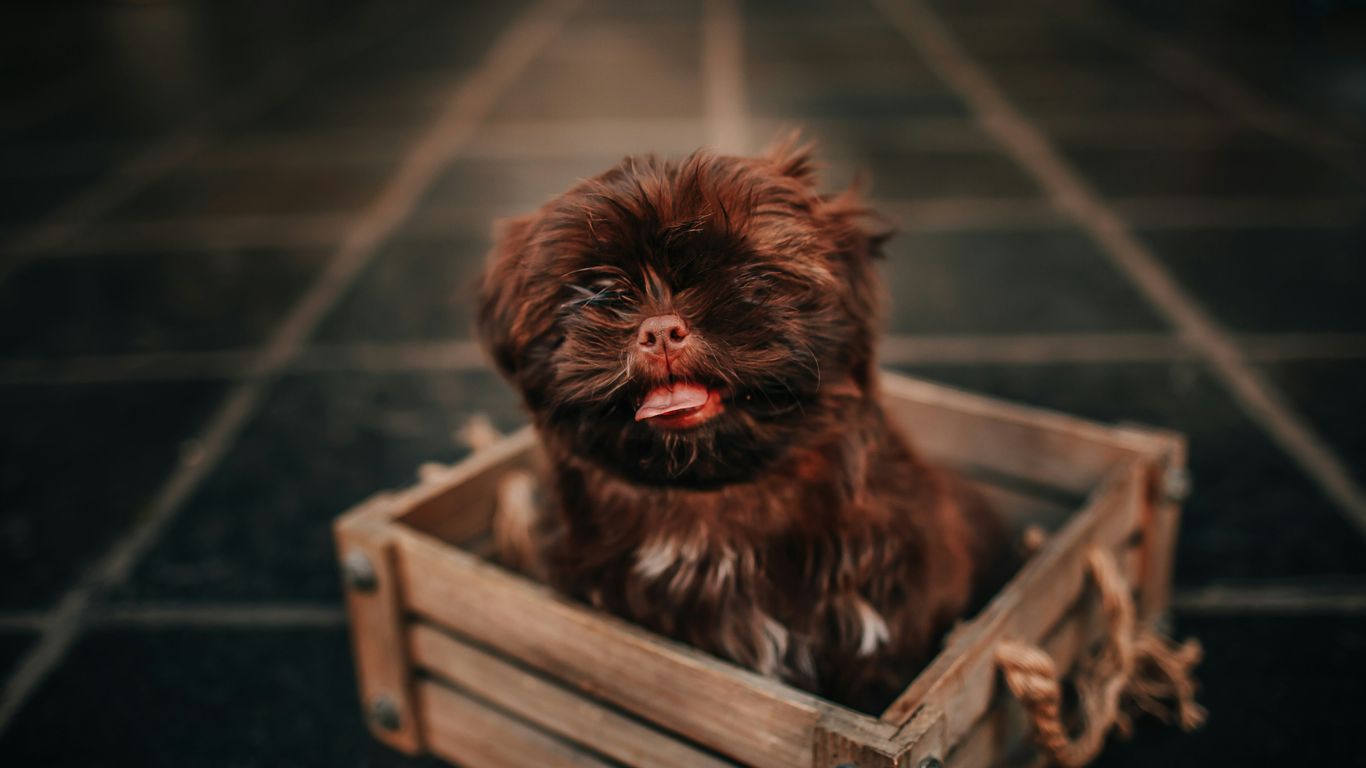
Think of the crate as your puppy’s personal space, a safe spot where they can relax and feel secure. Making it a welcoming den from the start is key to successful crate training. It shouldn’t feel like a prison, but rather a cozy retreat. This initial setup makes all the difference in how your puppy perceives their new accommodation.
Getting the size right is more important than you might think. Your puppy needs enough room to stand up, turn around, and lie down comfortably. Too much space, however, can lead to accidents in one corner while they sleep in another. A good rule of thumb is to measure your puppy from nose to the base of their tail and add a few inches for comfortable movement. If you’re using a larger crate for a growing puppy, consider a divider to adjust the space as they grow.
Once you have the right size, it’s time to make it inviting. Soft bedding is a must – think a comfy blanket or a plush dog bed. Some owners find that placing an old, unwashed t-shirt that carries your scent can be very reassuring for a puppy, especially during those first few nights. Ensure there are no loose threads or small items that could be a choking hazard. The crate should be a place of comfort, not a source of worry.
Where you put the crate matters. Ideally, it should be in a room where the family spends a lot of time, like the living room or kitchen. This way, your puppy doesn’t feel isolated. They can still be part of the household activities while getting used to their den. Avoid placing it in a noisy or high-traffic area, or somewhere drafty. The goal is to integrate them into the family, not to make them feel excluded or exposed.
Introduction Steps
- Allow Natural Exploration: Leave the crate door open and let your puppy investigate it on their own terms. Toss a few high-value treats near the entrance to pique their curiosity.
- Reward Proximity: Offer praise and a small treat every time your puppy approaches the crate, sniffs it, or even touches it with their nose.
- Entice Entry: Gradually toss treats further inside the crate, encouraging your puppy to step in to retrieve them. Start with just the entrance, then a little further, until they are comfortable going all the way in.
- Practice Door Closures: Once your puppy is happily entering, close the door for just a second or two while they are inside, then immediately open it and praise them. This teaches them that the door opening again is normal.
- Short Stays: Encourage your puppy to stay inside for slightly longer periods, perhaps while you toss a treat inside. Reward them for calm behavior before opening the door.
Remember, every puppy is different. Some will take to the crate immediately, while others will need more time and patience. Focus on positive reinforcement and celebrate small victories. The aim is to build a positive association with the crate, making it a place they want to go.
Positive Introductions To The Crate
Getting your puppy acquainted with their new crate should feel like a fun discovery, not a chore. The goal here is to make the crate a place they want to go, not one they’re forced into. Think of it as setting the stage for a great relationship with their den.
Allowing Natural Exploration
When you first present the crate, just leave the door open. Let your puppy approach it in their own time. They’re naturally curious creatures, so most will at least sniff around it. You can sit nearby and call them over, but don’t push them. Even if they just investigate the outside, that’s a win. We want them to feel comfortable just being near it.
Using Treats and Toys for Enticement
This is where the magic happens. Have plenty of small, tasty treats ready. Every time your puppy shows interest in the crate – whether they touch it, sniff it, or step inside – give them a treat and some praise. You can even toss a treat just inside the door to encourage them to take a peek. Gradually toss treats further inside, rewarding them for going deeper. The key is to make every interaction with the crate a rewarding experience.
Here’s a simple breakdown of how to use treats:
- Initial Approach: Reward any movement towards the crate.
- Entering the Crate: Reward for putting even one paw inside.
- Full Entry: Reward for going all the way in to get a treat.
Consider using a special toy, like a KONG filled with something yummy and frozen, to keep them occupied inside. This gives them a reason to stay and enjoy their time. You can find great ideas for enrichment toys that work well for crate training.
Gradual Steps to Crate Entry
Once your puppy is comfortable going inside for treats, start asking for a little more. Try tossing a treat inside and waiting for them to come back out on their own. Then, try closing the door for just a few seconds while they’re happily munching on a treat inside. Gradually increase the time the door is closed, always keeping it short and positive. If they seem anxious, open the door immediately. We’re building positive associations, so never push them past their comfort level. Remember, even short, positive experiences are better than long, stressful ones.
Building Positive Associations With The Crate
Now that your puppy is getting comfortable with the idea of the crate, it’s time to make it a place they genuinely look forward to. This isn’t about forcing them in, but rather showing them that good things happen when they’re inside. Think of it as creating a special spot just for them, filled with all their favorite things. The goal is to make the crate a happy place, not a chore.
Feeding Meals Inside The Crate
This is a super simple way to build a positive link. Start by putting your puppy’s food bowl just inside the crate door. If they eat it without hesitation, great! If they’re a bit shy, just leave the bowl where they can reach it from outside. As they get more comfortable, gradually move the bowl further inside until they’re happily eating their entire meal within the crate. This turns mealtime, which is already a high-value event for most pups, into a crate-associated pleasure.
Rewarding Crate Entry And Calmness
Every time your puppy voluntarily goes into the crate, even if it’s just to sniff around, offer a small, tasty treat and some quiet praise. You can also toss a favorite chew toy or a stuffed Kong toy inside. The key here is to reward calm behavior. If they’re pacing or whining, wait for a brief moment of quiet before offering the reward. This teaches them that being calm in the crate is what earns them good things. It’s all about reinforcing that good stuff happens when they’re in their den.
Practicing Door Openings
This step is about showing your puppy that the crate door isn’t a barrier that traps them forever. While your puppy is happily inside the crate (perhaps enjoying a stuffed toy), close the door for just a few seconds. Then, immediately open it and let them out. Repeat this several times, always rewarding them when they come out. This teaches them that the door opens and closes, and they won’t be stuck. It helps alleviate any worries about being confined and reinforces that they can come and go. It’s a small step, but it builds a lot of confidence.
Navigating The First Nights Of Crate Training
Alright, so you’ve got the crate set up, and your puppy has had a few positive introductions. Now comes the real test: the first night. It’s totally normal for puppies to be a bit unsettled when they first go into their crate for the night. They’re used to being with their littermates or their mom, and suddenly they’re in a new place, all by themselves. This can lead to some crying or whining, and honestly, it’s tough to hear. Try to stay consistent with your routine, even when they’re letting you know they’re not thrilled. Remember, they’re still learning and adjusting.
Understanding Puppy Sleep Patterns
Puppies, much like human babies, don’t sleep through the night right away. They have small bladders and need to go out more frequently. Expect them to wake up during the night, especially in the early stages. This is a normal part of their development, not a sign that something is wrong with the crate training itself. They might whine or bark when they need to go out, or simply because they’re not used to being alone.
Managing Nighttime Whining And Barking
When your puppy starts to fuss, it’s important to figure out why. Are they genuinely needing to go potty, or are they just seeking attention? If it’s been less than a few hours since their last potty break, it’s likely they need to go. Take them out quickly, with minimal fuss, and then right back into the crate. If they’re just whining for attention, try to wait it out for a short period. Giving in too quickly can teach them that whining gets them what they want. It’s a balancing act, for sure.
Establishing Bathroom Breaks
This is a big one for the first few nights. You’ll need to set an alarm or be prepared to wake up a few times. The frequency depends on your puppy’s age and bladder control. A general guideline for younger puppies is to take them out every 2-4 hours. You can gradually increase the time between breaks as they get older and show better control. Keep these nighttime potty trips very low-key – no playing or excessive talking. The goal is business, then back to the crate for sleep. This helps them learn that nighttime is for sleeping, not playing.
Here’s a rough idea of how often your puppy might need a potty break:
| Puppy Age (Months) | Expected Time Between Breaks |
|---|---|
| 2 | 2-3 hours |
| 3 | 3-4 hours |
| 4 | 4-5 hours |
| 5+ | 5-6 hours (or longer) |
It’s important to remember that these are just guidelines. Every puppy is different, and some may need more frequent breaks than others. Pay attention to your puppy’s cues and adjust accordingly.
Common Crate Training Pitfalls To Avoid
It’s easy to get excited about crate training and want to rush the process, but making a few common mistakes can really set you back. Think of it like learning to ride a bike; you wouldn’t try to do a backflip on day one, right? Same idea with your pup and their crate. Let’s talk about what not to do so you can keep things positive and productive.
This is probably the biggest mistake people make. If your puppy chews up your favorite shoes, it might be tempting to put them in the crate as a time-out. Don’t do it. The crate should always be a happy, safe place for your dog. If you start associating it with being sent away for bad behavior, your puppy will quickly learn to fear it. This makes all the other positive associations you’re trying to build go out the window. Keep the crate a positive zone, and deal with misbehavior outside of it.
When your puppy is in the crate, you want them to feel comfortable and have enough space to move around a bit. But don’t go overboard with toys and bedding. While it’s nice to make it cozy, too many items can actually be counterproductive. A puppy might get overstimulated by too many toys, making it hard for them to settle down and nap. It’s better to offer one or two favorite toys at a time. Also, make sure the bedding isn’t so bulky that it takes up all the space. You want them to be able to stand up, turn around, and lie down comfortably. Think of it as a den, not a toy box explosion.
It’s a common thought that more toys equals a happier, less bored dog in the crate. However, this can backfire. If you fill the crate with a bunch of different toys, your puppy might not know what to do with themselves. They could get overexcited, chew everything in sight, or just generally be too stimulated to relax and sleep. Instead of a toy buffet, choose one or two durable, safe toys that your puppy particularly enjoys. This keeps things simple and helps them focus on settling down. Rotating toys can also keep things interesting without overwhelming them. Remember, the goal is a calm, safe space, not a playground.
Key Takeaways:
- No Punishment: The crate is a sanctuary, not a jail cell. Never use it for discipline.
- Just Enough Stuff: Provide comfort with bedding and a toy or two, but avoid cluttering the space.
- Calm is Key: Limit toys to prevent overstimulation, helping your puppy learn to relax.
It’s really about creating a positive association. If your puppy sees the crate as their own special den, they’ll be much more likely to go in willingly and feel secure. This takes patience and consistency, but avoiding these common mistakes will make the whole process smoother for both of you. You can find great resources on positive reinforcement training to help build this bond with your dog.
Crate Contents Checklist:
| Item | Recommendation |
|---|---|
| Bedding | Soft, washable mat or a flat, chew-resistant bed |
| Toys | 1-2 durable, safe chew toys (rotate regularly) |
| Water | Clip-on water bowl if crate time is extended |
| Collar/Tags | Remove before crating to prevent entanglement |
Gradually Increasing Crate Time
Okay, so your puppy is starting to get the hang of the crate. They go in, they eat, they might even nap. That’s awesome! But now, how do we build on that without making them feel like they’re being punished or abandoned? It’s all about taking it slow and steady, like building a really good habit. We want them to see the crate as a safe spot, not a prison sentence. So, let’s talk about how to stretch those crate times out a bit, making sure it stays a positive experience for everyone involved.
Short Durations For Young Puppies
When you’ve got a little guy or gal, their bladder control isn’t exactly top-notch. Plus, they’re still learning about the world and can get overwhelmed easily. So, starting with super short stints in the crate is key. Think 10-15 minutes at first, especially if you’re just practicing while you’re still home. You can toss a special chew toy or a stuffed Kong in there to keep them occupied. The goal here is just to get them comfortable being in there with the door closed for a little bit, and then letting them out before they get upset. This way, they learn that the door always opens and they don’t have to stay in there forever. It’s all about positive reinforcement and building that trust.
Understanding Bladder Capacity
This is a big one, especially for younger pups. Puppies can’t hold it for as long as adult dogs. A general rule of thumb is that a puppy can hold it for about as many hours as they are months old, plus one. So, a 3-month-old puppy might be able to hold it for about 4 hours. However, this is just a guideline, and some puppies can hold it longer or shorter. You’ll need to pay attention to your puppy’s signals and their individual needs. If you’re leaving them for longer periods, you absolutely need to factor in potty breaks. Never leave a puppy in a crate for longer than they can comfortably hold their bladder. This is super important to avoid accidents and to prevent your puppy from developing a negative association with the crate because they were forced to soil their sleeping area.
Taking Necessary Breaks
Even when your puppy is doing well, you can’t just leave them in the crate all day. They need time to stretch their legs, play, and just be a dog! Think of it like this: you wouldn’t want to be stuck in your room all day, right? Puppies need mental stimulation and physical exercise. So, make sure you’re taking them out regularly for potty breaks, playtime, and training sessions. A good rhythm might be a couple of hours in the crate, followed by an hour or so out for activity. This helps them burn off energy and prevents them from getting bored or anxious. It also gives you a chance to bond with them outside of the crate, which is just as important for their overall development and happiness.
When To Reassess Crate Training
Sometimes, despite our best efforts, crate training doesn’t go as smoothly as planned. It’s important to recognize when your current approach might not be working for your puppy and be willing to adjust. This isn’t a sign of failure, but rather a smart way to ensure your puppy’s well-being and the success of the training. If you’re noticing persistent issues, it’s time to take a step back and evaluate what’s happening.
Recognizing Signs of Anxiety
It’s not always obvious when a puppy is feeling stressed or anxious about their crate. Look for subtle cues. Some dogs might pant, drool, or excessively lick their lips when the crate door is closed, even for short periods. Others might try to escape, dig at the crate, or become unusually vocal with whining or barking. If your puppy seems genuinely distressed, or if these behaviors don’t improve with gentle introductions, it’s a clear signal that something needs to change.
Adjusting Training Based on Progress
Every puppy learns at their own pace. If your puppy is showing signs of distress or resistance, it’s a good idea to slow down. Instead of trying longer durations, go back to shorter, more positive sessions. Perhaps you’ve moved too quickly through the steps. Consider reintroducing treats and praise for simply being near the crate, then for stepping inside with the door open. Consistency is key, but so is flexibility. If a particular method isn’t yielding positive results, don’t be afraid to try a slightly different tactic or revisit earlier stages.
Transitioning Away From the Crate
For some dogs, the crate might become a permanent fixture, while for others, it’s a temporary tool. As your puppy matures and gains confidence, you might find they no longer need the crate for overnight stays or when you leave the house. The goal is for the crate to be a safe, comfortable den, not a place of confinement they dread. If your puppy consistently shows they are comfortable and calm when left alone outside the crate, and they have reliable potty habits, it might be time to gradually reduce their reliance on it. This could involve leaving the crate door open during the day or eventually removing it altogether, always ensuring they have a safe space to retreat to.
Wondering when it’s time to check your dog’s crate training progress? It’s smart to re-evaluate how your dog is doing with their crate every so often. If they seem stressed or are having trouble settling, it might be time for a change. For more tips on knowing when to adjust your training, visit our website!
Wrapping Up Your Crate Training Journey
So, you’ve made it through the steps of crate training your puppy. Remember, this isn’t about forcing your dog into a box; it’s about creating a safe little den for them. Be patient, keep things positive with treats and praise, and don’t forget to take breaks yourself. Every puppy learns at their own pace, so celebrate those small wins along the way. With consistency and a little bit of understanding, your puppy will learn to see their crate as their own comfy spot. It might take time, but the effort is totally worth it for a happy, well-adjusted pup.
Frequently Asked Questions
What exactly is crate training, and why is it good for my puppy?
Crate training is like teaching your dog that their crate is their own special den. It’s super helpful because it gives them a safe spot, helps with potty training, stops them from chewing up your stuff, and makes trips easier. Think of it as giving them their own little safe haven.
How do I pick the best crate for my new puppy?
You need a crate that fits your puppy right now. They should be able to stand up, turn around, and lie down without feeling squished. But, don’t get one that’s way too big, or they might think a corner is okay for potty breaks. Just the right size is key!
How can I make the crate a place my puppy actually likes?
Make it super inviting! Toss in some yummy treats, a favorite toy, and a soft blanket. Feed them near the crate, and give them lots of happy praise whenever they go inside on their own. We want them to think of it as a fun place.
Can crate training help my puppy learn to go potty outside?
Yes, it really can! Puppies usually don’t want to mess up their sleeping area. So, take them out for potty breaks right before and after crate time. As they get used to the crate, you can slowly let them stay inside for longer stretches.
Is it okay to crate train my puppy when I’m at work?
You can, but you have to be smart about it. Puppies can only hold their bladder for so long. A good rule of thumb is their age in months plus one hour. So, a 3-month-old pup can usually hold it for about 4 hours. Don’t leave them longer than that!
How long will my puppy need to be in the crate for training?
It really depends on your puppy! Some get the hang of it in a week or two, but others take longer. The goal is to help them feel safe and comfortable. As they get better at not having accidents in the house, you can start giving them more freedom when you’re around to watch them.