
Getting a new puppy is super exciting, but it also means you’ve got some important jobs to do. One of the biggest is making sure your new furry friend gets good puppy socialization. This means showing them the world in a positive way so they grow up to be a happy, confident dog. It’s not just about meeting other dogs; it’s about introducing them to all sorts of new sights, sounds, people, and places. Starting this early, and doing it right, makes a huge difference in their whole life. Let’s look at some simple puppy socialization tips to help your pup become a well-adjusted member of the family.
Key Takeaways
- Introduce your puppy to a wide range of sights, sounds, and smells from an early age. Think different textures under their paws, varied noises from a distance, and new scents on walks.
- Let your puppy meet all sorts of people – different ages, genders, appearances, and those using mobility aids. Positive interactions build confidence.
- Get your puppy used to car rides and vet visits by making them short, positive experiences. Stopping by the vet just for a treat can help a lot.
- Arrange playdates with other friendly, vaccinated puppies and consider enrolling in a puppy socialization class. This helps them learn doggy manners.
- Keep all these new experiences short, positive, and at your puppy’s pace. Use treats and praise to create good associations, and never force them into something scary.
1. Introduce New Sights, Sounds, and Smells
Puppies are like little sponges, soaking up everything around them. That’s why it’s super important to let them experience a whole bunch of different things early on. Think about it – the world is full of weird noises, shiny things, and all sorts of smells. The goal is to make these new encounters positive, not scary.
Start small, right in your own home. Open the blinds so your pup can watch the world go by. Seeing cars, people, or even squirrels from a safe distance can make a big difference later. You can also play recordings of sounds, like traffic or even distant thunder, at a low volume. Gradually increase the sound as your puppy gets used to it. It’s all about taking it slow and letting them set the pace.
Here are some ideas for new sensory experiences:
- Sights: Different colored objects, people wearing hats or sunglasses, bicycles, strollers, and even just different rooms in the house.
- Sounds: Doorbells, vacuum cleaners (from a distance at first!), phones ringing, and different types of music.
- Smells: Fresh cut grass, different types of flooring (tile, carpet, wood), and even a bit of dirt from the garden.
Remember to pair these new experiences with tasty treats and lots of praise. This helps your puppy associate new things with good feelings. If your puppy seems overwhelmed, just back off a bit and try again later. It’s better to have a few short, happy experiences than one long, stressful one. You can even take them for short trips to pet-friendly stores to expose them to new environments.
It’s really about building confidence. If your puppy learns that new things are usually followed by good stuff, they’ll grow into a much more relaxed and happy adult dog.
2. Meet Diverse People
It’s really important for your puppy to meet all sorts of different people. Think about it – your dog will encounter all kinds of humans throughout their life, so getting them used to a variety early on is key. This means introducing them to people of different ages, from tiny tots to older folks. Also, try to find people with different appearances. Some might wear hats, others might have beards, or wear sunglasses. People who use wheelchairs or walkers are also part of our world, and it’s good for puppies to see them too.
The goal is to create positive associations with as many different types of people as possible.
Here’s a simple way to approach it:
- Ask friends and family with different looks to come over and meet your puppy.
- If your household is mostly one gender, make an effort to introduce your puppy to people of other genders.
- If you don’t have children in your life, ask friends with well-behaved kids to visit.
Remember to keep these meetings short and sweet at first. Let the people offer a treat or a gentle pet, but don’t force interaction if your puppy seems hesitant. It’s all about building confidence, one friendly face at a time.
3. Practice Car Rides and Vet Visits
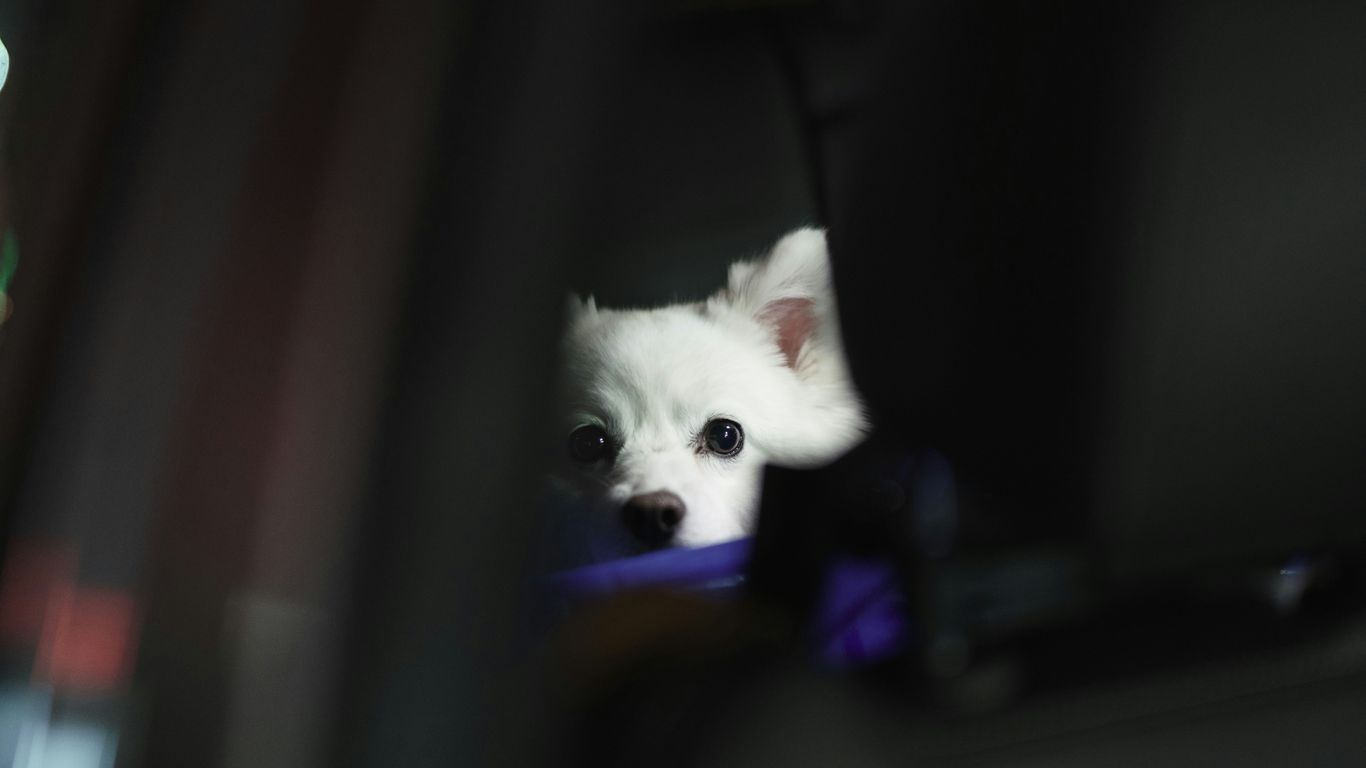
Getting your puppy used to the car and the vet’s office is super important for their overall well-being and makes your life a lot easier down the road. Think of it as building a positive foundation for experiences that can otherwise be a bit stressful for them. The key is to make these outings positive and low-pressure.
Start small with car rides. Don’t just hop in and go for a long drive. Instead, begin by just letting your puppy explore the parked car. Give them treats and praise for being calm. Once they seem comfortable, try starting the engine for a few seconds, then turn it off. Gradually increase the duration of these short trips, always associating the car with good things like a favorite toy or a tasty treat. Remember to keep them secure with a harness or carrier; it’s safer for everyone and prevents them from getting too excited and distracting you. You can even make a quick stop at a pet-friendly store on the way home from a short drive to add another positive element. Introduce your puppy to the car gradually.
Vet visits can be a similar story. You don’t always have to go for a full check-up. Sometimes, just popping into the vet’s office for a quick hello, a treat from the receptionist, and a gentle pat from a vet tech can make a world of difference. This helps your puppy learn that the vet’s office isn’t just about poking and prodding, but also a place where good things can happen. When you are there for actual appointments, try to keep your own anxiety in check, as your puppy will pick up on your feelings.
Here are a few things to keep in mind:
- Short and Sweet: Keep initial car rides and vet visits brief. A few minutes of positive exposure is better than a long, overwhelming experience.
- Positive Reinforcement: Always use treats, praise, or a favorite toy to reward calm and good behavior.
- Observe Your Puppy: Watch for signs of stress like panting, yawning, lip licking, or trying to hide. If you see these, it’s time to end the session on a positive note and try again later.
- Familiarize with Handling: Gently touch your puppy’s paws, ears, and mouth at home. This helps them get used to being handled, which is what happens at the vet.
It’s all about building positive associations. If your puppy has a good experience with a short car ride or a quick, pleasant visit to the vet, they’re much more likely to be relaxed about it in the future. Don’t rush the process; patience is your best friend here.
4. Schedule Puppy Playdates and Socialization Classes
Getting your puppy together with other puppies is a really good idea. Puppies tend to play more gently with each other than adult dogs do, and they can learn a lot about how to interact with their own kind. It’s a great way for them to figure out doggy body language.
If you know someone else who just got a puppy, try to arrange some supervised play sessions. You can do this in a safe, enclosed space like your backyard or even inside your home. Just keep an eye on them to make sure everyone is having a good time and nobody gets overwhelmed.
Puppy socialization classes are also a fantastic option, especially if you don’t know many other puppy owners. These classes are usually run by professionals who know how to manage the interactions so they are safe and beneficial for all the pups involved. It’s a structured way to expose your puppy to different dogs and people in a controlled setting. The American Veterinary Society of Animal Behavior suggests starting these classes around 7 to 8 weeks of age, once your vet gives the okay.
- Supervise all interactions closely.
- Choose playmates that are known to be friendly and well-behaved.
- Keep play sessions short and positive, ending on a good note before your puppy gets tired or stressed.
Remember, the goal isn’t just to expose your puppy to other dogs, but to ensure these encounters are positive and build their confidence. It’s about quality over quantity when it comes to early dog-to-dog experiences. You can find more information on the puppy socialization timeline to help guide you.
5. Visit Pet-Friendly Stores
Taking your puppy to pet-friendly stores is a fantastic way to introduce them to a whole new world of sights, sounds, and smells. Think about it: these places have different flooring, carts rolling by, people in various outfits, and maybe even other animals. It’s a controlled environment where you can expose your pup to a lot of new things without overwhelming them. Start with short visits to keep the experience positive.
When you go, try to pick a time that isn’t too busy. This way, your puppy can get used to the general atmosphere without feeling crowded. Let them sniff around a bit, but keep them close to you. It’s all about letting them observe and get comfortable at their own pace.
Here’s a quick rundown of what to expect and how to make it work:
- Variety of Stimuli: Stores offer different floor textures, lighting, and background noises.
- People Watching: Your puppy will see people of all ages and styles.
- Controlled Exposure: You can leave anytime if your puppy seems stressed.
Remember, the goal isn’t to buy anything, but to create a positive association with being out and about. Even a quick walk through the aisles can be a big step for your little one. You can find more tips on exposing your puppy to different environments on sites like Chewy’s pet resources.
Don’t forget to reward calm behavior with praise or a small treat. This helps them understand that these new experiences are good. It’s a great way to build their confidence and prepare them for future adventures.
6. Walk Down Busy Streets
Living in a city or even a busy suburb means your puppy will encounter a lot of activity. Taking short walks down streets with plenty of movement is a fantastic way to expose them to different sights and sounds. Think cars, buses, bikes, and all sorts of people passing by. The key is to keep these initial outings brief, maybe just 10 to 15 minutes. This allows your puppy to observe without getting overwhelmed. You want them to get used to the hustle and bustle from a safe distance, so they learn that these things aren’t scary.
If you live in a quieter area, you might need to seek out a busier street for these experiences. Just find a spot where you can sit with your puppy and watch the world go by. Even hanging out on your front porch or stoop can count as a good socialization session. It’s all about introducing them to the variety of the world in a controlled way. Remember to watch your puppy for any signs of stress, like excessive yawning, lip licking, or trying to hide. If they seem uncomfortable, it’s time to head home. We want these experiences to be positive, not frightening. You can find helpful tips on acclimating your puppy to different environments, including public transportation, which often involves similar sensory exposures on this page.
Here’s a quick rundown of what to look for on these walks:
- Vehicles: Different types, sizes, and sounds (trucks, cars, buses, motorcycles).
- People: A variety of ages, appearances, and activities (walking, running, pushing strollers).
- Sounds: Traffic noise, distant sirens, people talking, dogs barking.
- Surfaces: Sidewalks, pavement, grass verges.
It’s important to remember that even a short walk down a busy street offers a wealth of new information for your puppy. Don’t feel like you need to go far or stay out for a long time. The goal is gradual exposure and positive association, not endurance.
7. Expose to Sounds Gradually

Puppies can be sensitive to loud or sudden noises, and it’s our job to help them get used to the world’s soundscape without freaking them out. Think of it like slowly turning up the volume on a song you’re not sure about – you don’t want to blast it right away. Start with sounds at a low volume and from a distance. Maybe that’s the vacuum cleaner running in another room, or a TV show with some background chatter.
- Play recordings of common household noises like dishwashers, washing machines, or doorbells at a very low volume. Gradually increase the volume over several days or weeks as your puppy seems comfortable.
- Introduce outdoor sounds like traffic, sirens, or even distant thunder. Again, start softly. You can play these sounds while your puppy is eating or playing to create a positive association.
- Vary the types of sounds. Don’t just stick to one thing. Mix in sounds of children playing, dogs barking (from a distance, of course), or even music.
It’s really important to watch your puppy’s body language. If they start to look worried, tuck their tail, or try to hide, you’ve gone too fast or the volume is too high. Just back off a bit, make it less intense, and try again later. The goal here isn’t to make them love every noise, but to help them tolerate it without becoming fearful.
Remember, consistency is key. Short, positive exposures over time are much more effective than one big, scary event. If your puppy shows fear, don’t force them. Instead, remove them from the situation and try again later with a lower intensity. Building trust is the main thing.
8. Involve the Family
Getting your puppy used to different people is super important, and that definitely includes everyone in your household. It’s not just about mom and dad; siblings, grandparents, aunts, uncles, anyone who visits regularly should get a chance to interact with your pup. This helps your puppy learn that new people aren’t scary, no matter who they are or where they come from.
Make sure everyone in the family understands the goal: positive experiences. It’s easy for kids to get overly excited, so a quick chat about gentle petting and letting the puppy come to them is a good idea. You can even turn it into a fun game. Maybe have each family member write down something new the puppy experienced with them that day, like ‘met someone wearing a hat’ or ‘heard a door slam’.
Here’s a simple way to get everyone involved:
- Gentle Petting Practice: Have each family member practice petting the puppy in different spots – ears, paws, tail. Keep it short and sweet, always ending with a treat or praise.
- Varying Interactions: Encourage family members to interact with the puppy while doing different things. One person could be reading a book, another could be watching TV, and someone else could be moving around the room.
- Positive Reinforcement: Everyone should have some small, tasty treats handy to give the puppy when they are calm and behaving well during these interactions.
It’s really about consistency. If only one or two people are socializing the puppy, they might become overly attached to those individuals and wary of others. Spreading the positive interactions across the whole family helps build a more confident and well-adjusted dog for everyone.
Remember, keep these sessions short and fun. If the puppy seems overwhelmed, it’s time to take a break. The idea is to build good associations, not to push them too hard.
9. Take Baby Steps
When you’re introducing your puppy to new things, it’s really important not to do too much, too fast. Think of it like teaching a kid to swim; you don’t just toss them in the deep end. Start small. If you want your pup to get used to different people, begin with just a couple of family members they know well. Then, maybe introduce one new person they’ve never met, and see how they do. Gradually increase the number of new faces.
The key is to watch your puppy for any signs of stress. Things like yawning a lot, licking their lips, or trying to move away can mean they’re feeling overwhelmed. If you see these signals, it’s time to take a break or back off a bit. Pushing them when they’re uncomfortable can actually make them more fearful in the long run, which is the opposite of what we want.
Short sessions are better than long, overwhelming ones. A 10-minute walk where they see a few cars and maybe a squirrel is plenty for a young pup. You can always build up to longer outings as they get more confident. It’s all about positive experiences, and that means not pushing them past their limit.
Here’s a good way to think about it:
- Start with familiar environments: Your own yard or a quiet street.
- Introduce one new element at a time: A new sound, a new person, a new object.
- Keep it brief: Aim for 5-15 minutes per session.
- End on a good note: Always finish before your puppy gets tired or stressed.
Remember, the goal isn’t to expose your puppy to everything all at once. It’s about building their confidence gradually, one positive experience at a time. If they seem unsure about something, just give them space and try again later, maybe from a distance.
10. Keep Experiences Positive
This is probably the most important part of all this: make sure your puppy’s new experiences are good ones. Think of it like this: if every time your puppy meets someone new, they get a yummy treat and some happy talk, they’ll start looking forward to meeting new people. It’s all about building good associations. Keep these sessions short, maybe 10 to 15 minutes. That’s plenty of time for a puppy to take in new things without getting overwhelmed. If your puppy seems a bit unsure about something, don’t push it. Let them approach it at their own speed. You can encourage them with a treat or a favorite toy. If they get scared, just calmly remove them from the situation. You can always try again later, maybe in a less intense way. For example, if the vacuum cleaner spooks them, don’t turn it on. Just let them sniff it while it’s off. Gradually, you can introduce the sound, but keep it low at first.
- Always pair new experiences with high-value treats and praise.
- Watch your puppy’s body language for signs of stress or fear.
- If your puppy shows fear, calmly remove them from the situation and try again later with less intensity.
- Keep introductions brief and end on a positive note.
Remember, your puppy is learning about the world through you. If you’re calm and happy, they’re more likely to feel that way too. Your reaction to new things directly influences how your puppy will react.
Making sure your dog’s training journey is a happy one is super important. Positive experiences help your dog learn better and make your bond even stronger. Want to learn more about how to make training fun and effective? Visit our website for great tips and resources!
Wrapping Up Your Puppy’s Social Journey
So, we’ve talked a lot about getting your puppy used to the world. It’s really about making sure they have good experiences with new things, people, and places, especially when they’re young. Remember, it’s not just about throwing them into every situation; it’s about doing it slowly and making sure it’s a positive time for them. Keep those sessions short, use plenty of treats and praise, and always watch how your puppy is reacting. If they seem scared, just back off a bit and try again later. Building that trust now will help your dog be a happy, well-adjusted friend for years to come. It takes some effort, but seeing your dog confidently explore the world is totally worth it.
Frequently Asked Questions
When is the best time to start socializing my puppy?
The most important time for puppy socialization is between 3 and 12 weeks old. During this period, puppies are like sponges, soaking up information about the world. Getting them used to new sights, sounds, people, and places during these early weeks can make a huge difference in how they behave as adult dogs.
What does puppy socialization actually mean?
Puppy socialization isn’t just about meeting other dogs. It’s about introducing your puppy to everything the world has to offer! This includes different kinds of people (young, old, with hats, in wheelchairs), various sounds and smells, new places, and different textures and surfaces.
How can I make sure socialization experiences are positive?
Always use treats, praise, and toys to create good feelings when your puppy encounters something new. Stay calm yourself, because your puppy can sense your emotions. If your puppy seems scared or unsure, don’t force them. Instead, take a break and try again later, going at their pace.
Is it safe to take my puppy to public places before they are fully vaccinated?
It’s important to talk to your veterinarian about when it’s safe to take your puppy out. They can advise you based on your puppy’s vaccination schedule. Some vets suggest short, controlled outings to safe places once they’ve had their first round of shots, but always check with your vet first.
What if my puppy is afraid of something, like the vacuum cleaner?
If your puppy gets scared, don’t push them. Remove the scary thing for a bit. Then, reintroduce it slowly without doing the scary part. For example, let your puppy see the vacuum without it being on, and reward them for being calm. Gradually, you can turn it on for short periods, always rewarding good behavior.
How often should I socialize my puppy?
Short, frequent sessions are best. Aim for about 10-15 minutes at a time. This might seem short, but it’s enough for your puppy to experience new things without getting overwhelmed. Even just sitting on the porch and watching the world go by can be a great socialization activity.