
Bringing a new puppy home is exciting, but it also comes with the big task of housebreaking a puppy. It might seem overwhelming at first, but with a solid plan and a bit of patience, you can guide your furry friend to success. This guide breaks down the process into simple, manageable steps to help you and your pup get through this important stage smoothly. We’ll cover everything from setting up a routine to handling those inevitable oops moments.
Key Takeaways
- Set up a consistent daily schedule for feeding and potty breaks. This predictability helps your puppy learn when and where to go.
- Watch for your puppy’s signals, like sniffing or circling, and take them out immediately. Catching them before an accident is key.
- Positive reinforcement, like praise and treats, works wonders. Reward your puppy enthusiastically when they go potty in the right spot.
- Clean up accidents thoroughly using an enzymatic cleaner to remove all traces of odor. Never punish your puppy for accidents; it can make them fearful.
- Management is important. Use crates or baby gates to limit your puppy’s space when you can’t supervise them directly, preventing accidents.
Establishing A Consistent Routine
[{"h2":"Establishing A Consistent Routine","h3s":[{"h3":"Create A Predictable Feeding Schedule","content":"Getting your puppy on a regular feeding schedule is a big part of housebreaking. Puppies usually need to go potty shortly after they eat, so feeding them at the same times each day helps you predict when they’ll need to go outside. Aim for three meals a day, and stick to those times. This consistency helps your pup understand what’s expected and can prevent accidents because they’re not holding it for too long. It’s like setting an internal clock for them.
- Morning Meal: Between 7:00 AM and 8:00 AM
- Midday Meal: Between 12:00 PM and 1:00 PM
- Evening Meal: Between 5:00 PM and 6:00 PM
Remember to remove food after about 15-20 minutes if your puppy doesn’t eat it all. This reinforces that mealtime is a specific event, not an all-day buffet."}},{"h3":"Implement Frequent Potty Breaks","content":"Puppies, especially young ones, have very little bladder control. You’ll need to take them out frequently. Think every hour or two for very young pups, and gradually increase the time between breaks as they get older.
Here’s a general guideline:
- Immediately after waking up: This is a prime time for a potty break.
- After eating or drinking: Give them a few minutes, then head outside.
- After playtime or excitement: Big emotions can sometimes trigger the need to go.
- Before bedtime: A final trip outside can help prevent overnight accidents.
- During the night: For very young puppies, you might need to set an alarm to take them out once or twice.
When you take them out, go to the same designated spot every time. This helps them associate that specific area with potty time. Keep these trips brief and focused – no playtime until they’ve done their business."}},{"h3":"Recognize Your Puppy’s Signals","content":"Your puppy will start to give you clues when they need to go. Learning these signals is key to preventing accidents inside. Some common signs include:
- Whining or barking
- Pacing or restlessness
- Sniffing the ground intently
- Circling
- Suddenly stopping play and looking towards the door
- Squatting or starting to pee/poop indoors
The moment you notice any of these behaviors, calmly pick up your puppy and take them straight to their designated potty spot outside. Don’t scold them if they start to go inside; just interrupt them gently and move them to the correct location. If they finish outside, that’s a big win!"}]}]}
Mastering Management Techniques
When you’re trying to housebreak a puppy, it’s not just about taking them outside; it’s also about setting up your home and your puppy for success. This means being smart about how you manage their environment and your interactions with them. Think of it as creating a safe zone where accidents are less likely to happen, and good habits are more likely to form. It takes a bit of effort upfront, but it really pays off in the long run.
Supervise Your Puppy Closely Indoors
This is probably the most important part of management. When your puppy is inside and not in their crate or confined area, you need to keep a close eye on them. This doesn’t mean staring them down, but rather being aware of what they’re doing. Watch for those tell-tale signs that they might need to go potty, like sniffing the ground intently, circling, or suddenly stopping their play to wander off. If you catch them in the act, you can quickly scoop them up and take them outside to their designated spot. Catching them before an accident happens is your golden ticket to successful housebreaking. It allows you to redirect their behavior positively instead of having to clean up a mess later.
Utilize Confinement When Unsupervised
Let’s be real, you can’t watch your puppy every single second of the day. That’s where confinement comes in. Using a crate, a playpen, or a puppy-proofed room is essential when you can’t supervise directly. Dogs naturally don’t want to soil their sleeping or eating areas, so a crate can be a fantastic tool. It prevents them from having accidents while you’re busy or away. Just make sure the crate is the right size – big enough for them to stand up, turn around, and lie down comfortably, but not so big that they can use one end as a bathroom. If you’re using a larger space like a playpen, you might consider using puppy pads within a designated corner, especially if you’re in an apartment or have a very young puppy.
Manage Your Puppy’s Environment
This is all about making your home puppy-friendly and accident-resistant. Think about restricting access to areas where accidents are more likely to occur or where damage could happen. Use baby gates to block off hallways or rooms you’re not actively supervising. Keep doors to bedrooms and bathrooms closed. If your puppy is particularly prone to chewing or having accidents in certain spots, you might need to temporarily remove tempting items or block off those specific areas. It’s about creating a controlled environment where your puppy can learn the rules without constant opportunities to break them. This proactive approach significantly reduces the number of accidents you’ll have to deal with, making the whole process smoother for both of you.
The Power Of Positive Reinforcement
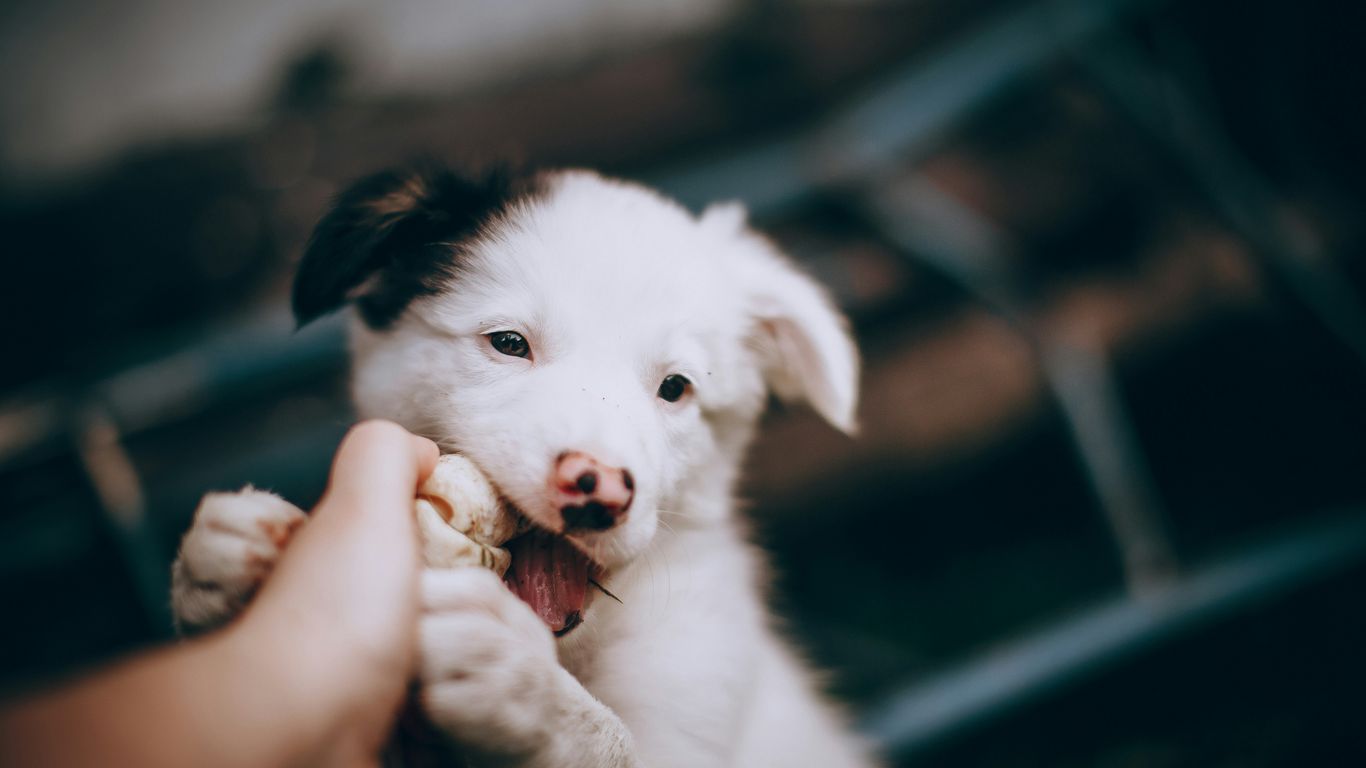
This is where the magic really happens in housebreaking. Instead of focusing on what your puppy does wrong, we’re going to celebrate what they do right. Positive reinforcement is all about making good behavior the most rewarding thing your puppy can do. It’s like giving them a little high-five every time they get it right, and puppies absolutely love that.
Reward Successful Potty Trips
When your puppy actually goes potty outside, make a big deal out of it! Don’t just walk away. Shower them with praise, give them a super tasty treat, or maybe a quick game of tug with their favorite toy. The key is to make the reward happen immediately after they finish their business outside. This helps them connect the dots: ‘Going potty out here gets me awesome stuff!’ Consistency is everything here; even a slight delay can confuse them.
Use Verbal Praise And Treats
Your voice is a powerful tool. Use an upbeat, happy tone when praising your puppy for doing their business in the right spot. Words like ‘Good potty!’ or ‘Yes!’ delivered with enthusiasm can go a long way. Combine this with a small, high-value treat – something they don’t get all the time. Think tiny pieces of chicken, cheese, or a special training biscuit. This combination of verbal and edible rewards is a winning formula for teaching your puppy what you want them to do. Remember, the goal is to make going outside the most rewarding experience possible for them, which is why positive reinforcement is so effective for puppy training.
Avoid Punishment For Accidents
It’s tempting to get frustrated when accidents happen, but punishing your puppy after the fact is counterproductive. They won’t understand why they’re being scolded, and it can actually make them fearful of you or cause them to hide when they need to go. If you catch them in the act, a sharp, sudden noise like a clap can interrupt them, and then you can quickly scoop them up and take them outside. If you find an accident later, just clean it up without fuss. Focus your energy on catching them doing it right and rewarding that behavior.
The most effective way to teach your puppy where to go is by making the correct choice incredibly appealing. When they succeed, they should feel like they’ve won the lottery, not just gotten a pat on the head. This positive association is what truly cements good habits.
Effective Cleaning For Success
When accidents happen, and they will, how you clean them up makes a big difference. It’s not just about making the spot disappear for your eyes; it’s about removing the scent entirely so your puppy doesn’t think, “Hey, this is a great place to go again!” Regular household cleaners often won’t cut it because they don’t break down the odor-causing molecules. You need something stronger.
Choose The Right Cleaning Products
For successful housebreaking, you absolutely need an enzymatic cleaner. These cleaners are specifically designed to break down the organic matter in pet waste, effectively eliminating the odor. Think of it like this: your puppy can smell that spot long after you can’t. Using the wrong cleaner might mask the smell for you, but your puppy will still detect it, leading to repeat offenses in the same area. Always have a good enzymatic cleaner on hand; it’s a game-changer for preventing future accidents.
Clean Accidents Thoroughly
Don’t just wipe up the surface. You need to saturate the area with the enzymatic cleaner, letting it soak down into the carpet padding or subfloor if necessary. Follow the product’s instructions carefully – some require a bit of dwell time to work their magic. Blot, don’t rub, the area after it has had time to work. This thorough approach is key to removing all traces of the scent.
Use Soiled Materials To Guide Your Puppy
This might sound a little odd, but it can be helpful. After you’ve cleaned up an accident, take a small piece of the soiled paper towel (if you used one) and place it in the designated potty spot, whether that’s outside or on a pee pad. The scent can help guide your puppy to understand where they should be going. It’s a way of using their own scent cues to reinforce the correct behavior. This is a simple trick that can really help speed up the process, especially for puppies who are struggling to grasp the concept of where to go.
Here’s a quick rundown of what to keep in your cleaning arsenal:
- Enzymatic cleaner (essential!)
- Paper towels (lots of them)
- Rubber gloves (because, well, you know)
- An old cloth or sponge for blotting
Remember, consistency in cleaning is just as important as consistency in potty breaks. A clean environment helps your puppy learn faster and reduces the likelihood of them returning to the same spot. It’s all about setting them up for success by removing temptation and reinforcing good habits.
Troubleshooting Common Challenges
Even with the best plans, sometimes housebreaking hits a snag. It’s not uncommon, and most issues can be sorted out with a bit of patience and the right approach. Don’t get discouraged if your puppy isn’t getting it right away; it’s a learning process for both of you.
Address Persistent Accidents
If your puppy keeps having accidents in the same spot, it’s a strong sign that the area hasn’t been cleaned thoroughly enough. Regular household cleaners often don’t cut it because puppies can still smell the residue. You need an enzymatic cleaner specifically designed for pet messes. These cleaners break down the odor molecules, so your puppy isn’t drawn back to the same spot. Make sure to follow the product’s instructions carefully, letting it soak in to reach the subfloor if necessary.
- Always use an enzymatic cleaner for accidents.
- Test cleaners in an inconspicuous area first.
- Be thorough; odor can linger even if you can’t smell it.
Sometimes, persistent accidents can also be a sign of an underlying medical issue. If your puppy is otherwise healthy and you’re following all the training steps correctly, a vet visit is a good next step to rule out any physical causes.
Manage Crate Soiling
It can be upsetting when your puppy soils their crate, especially if they’re usually good. This often happens if a puppy has been left in the crate for too long and couldn’t hold it, or if they’re anxious about being confined. If it’s a matter of duration, you might need to shorten the time they spend in the crate or take them out more frequently. If anxiety is the issue, work on making the crate a more positive space with treats and praise, and gradually increase the time they spend inside. Never use the crate as a punishment.
Consult Professionals When Needed
If you’ve tried various methods and are still struggling, don’t hesitate to seek help. A certified professional dog trainer or a veterinary behaviorist can offer personalized advice. They can help identify specific triggers for your puppy’s behavior and provide tailored strategies. Sometimes, a fresh perspective is all that’s needed to get things back on track.
- When to seek professional help:
- Persistent accidents despite consistent training.
- Sudden changes in housebreaking habits.
- Signs of anxiety or fear related to potty breaks or confinement.
Considering Your Puppy’s Needs
Adjusting For Age And Breed
It’s important to remember that not all puppies are created equal when it comes to housebreaking. A tiny Chihuahua puppy will have different needs than a large Great Dane puppy, for example. Younger puppies, especially those under 8 weeks old, have very little bladder control and will need to go outside much more frequently – think every hour or two. Older puppies might be able to hold it a bit longer. Breed also plays a role; some breeds are naturally quicker to pick up on housebreaking than others. Doing a little research on your specific breed’s tendencies can be really helpful.
Planning For Extended Absences
If your daily schedule involves being away from home for long stretches, like eight hours or more, you really need to think about whether now is the right time for a puppy. Puppies need frequent potty breaks, and leaving them alone for that long can lead to accidents and frustration for both of you. If you absolutely must be gone for extended periods, you’ll need a solid plan. This could mean arranging for a friend, family member, or a professional pet sitter to come over for potty breaks. Alternatively, you could set up an indoor potty solution, like pee pads, but be aware that this can sometimes slow down the process of outdoor housebreaking.
Understanding Puppy Development
Housebreaking isn’t just about teaching your puppy where to go; it’s also about understanding their developmental stage. Their ability to hold it, their energy levels, and their learning capacity all change as they grow. Be patient and adjust your expectations and routine as your puppy matures. What works at 8 weeks might need tweaking at 12 weeks or 6 months.
Here’s a general idea of what to expect:
- Under 8 weeks: Very little bladder control. Expect to go out every 1-2 hours.
- 8-12 weeks: Bladder control is improving, but still needs frequent breaks, especially after waking up, eating, or playing. Every 2-3 hours is a good starting point.
- 3-6 months: Most puppies can hold it for longer periods, perhaps 4-6 hours, but consistency is still key. Nighttime training often improves significantly during this stage.
- 6+ months: Many puppies are reliably house-trained by this age, but occasional accidents can still happen, especially during times of stress or change.
Thinking about your puppy’s needs is super important for raising a happy dog. You want to make sure they learn good habits and feel safe with you. Finding the right training can make a big difference! Want to learn more about picking the best training for your furry friend? Visit our website to discover helpful tips and resources.
Bringing It All Together
So, you’ve got the basics down for housebreaking your new puppy. Remember, it’s all about being consistent with feeding times and potty breaks, and really watching for those little signs your pup needs to go. Don’t get discouraged by accidents – they happen to everyone, and a good enzyme cleaner is your best friend for those oops moments. Keep those praise sessions enthusiastic when they do their business in the right spot; they really do love hearing you’re happy with them. With a bit of patience and sticking to the plan, you’ll have a well-behaved pup in no time. It might feel like a lot at first, but you’ve got this!
Frequently Asked Questions
How often should I take my puppy outside to potty?
Young puppies need to go out very often, sometimes as much as every 30 minutes! As they get a little older, you can stretch that to every hour or two. It’s a good idea to take them out right after they wake up, after they eat, and after they play.
What’s the best way to reward my puppy for pottying outside?
When your puppy does their business in the right spot, give them lots of happy praise and maybe a small, tasty treat. You want them to know they did a great job! Think of it as a big ‘good boy!’ or ‘good girl!’ moment.
What should I do if my puppy has an accident inside?
Don’t get mad! Just clean it up right away with a special cleaner that gets rid of pet odors. If you catch them in the act, calmly pick them up and take them outside to their potty spot. If they finish there, praise them.
Why is a consistent schedule so important for potty training?
Puppies thrive on routine. A regular schedule for feeding and potty breaks helps them learn when and where they are supposed to go. It makes it easier for them to understand what you want them to do.
When should I worry that my puppy’s potty issues might be a health problem?
If your puppy seems unable to learn or keeps having accidents despite your best efforts, it’s a good idea to talk to your vet. Sometimes, there might be a health reason for the accidents, and a vet can help figure that out.
How long does it usually take for a puppy to be fully house-trained?
It really varies! Some puppies catch on quickly in just a few days, while others might take a few months. Things like age, breed, and how consistent you are with training all play a part. Just be patient and keep up the good work!