
Dealing with aggressive dog behavior can be tough. It’s not just about barking or growling; it can put a real strain on your daily life. Understanding why dogs act this way is key. Sometimes it’s fear, other times it’s just their nature. But don’t worry, with the right training and a bit of patience, you can teach your dog to be more calm and friendly. This guide will walk you through some practical strategies to help manage and improve your dog’s behavior.
Key Takeaways
- Understanding the root causes of aggression in dogs is essential for effective management.
- Training techniques like desensitization and positive reinforcement can help modify aggressive behavior.
- Safety measures, such as using leashes and muzzles, are crucial during training sessions.
- Consistent training and mental stimulation are important for long-term behavior management.
- Seeking professional help can provide additional support and guidance.
Understanding the Causes of Aggressive Dog Behavior
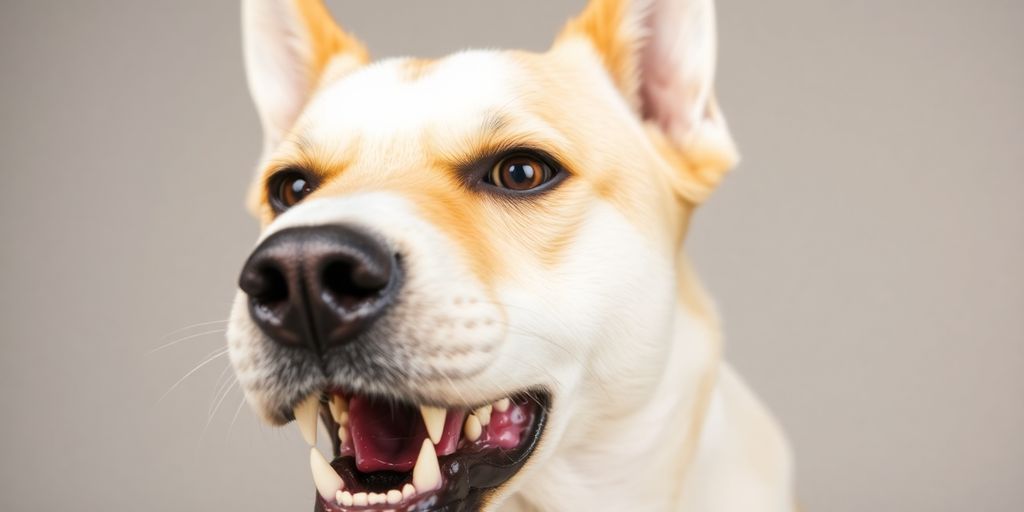
Understanding why dogs show aggression is key to helping them and keeping everyone safe. Let’s look at some common reasons why dogs might act this way.
Fear and Anxiety as Triggers
Fear is a big reason why dogs might get aggressive. When a dog feels scared, it might lash out to protect itself. Things like loud noises, strange people, or new places can make a dog feel threatened. It’s important to create a calm and safe environment for your dog. Fear-related aggression is a common issue, and it’s crucial to understand and address these fears to prevent aggressive behavior.
Territorial and Protective Instincts
Dogs are naturally protective. They might become aggressive if they think their home or family is in danger. This territorial behavior is often seen when strangers approach the dog’s space or when other animals come near. Teaching your dog to feel secure and helping them understand that not every situation is a threat can reduce this type of aggression.
Genetic and Breed-Specific Factors
Some dog breeds are more prone to aggression due to their genetics. Breeds that were originally bred for protection or herding may have a higher tendency to be aggressive. It’s important to know your dog’s breed and understand these tendencies. Training and socialization are key to managing any breed-specific aggression.
Dogs, like people, have different triggers that can cause stress or fear. Recognizing these triggers is the first step in helping them feel safe and secure.
Effective Training Techniques for Aggressive Dogs
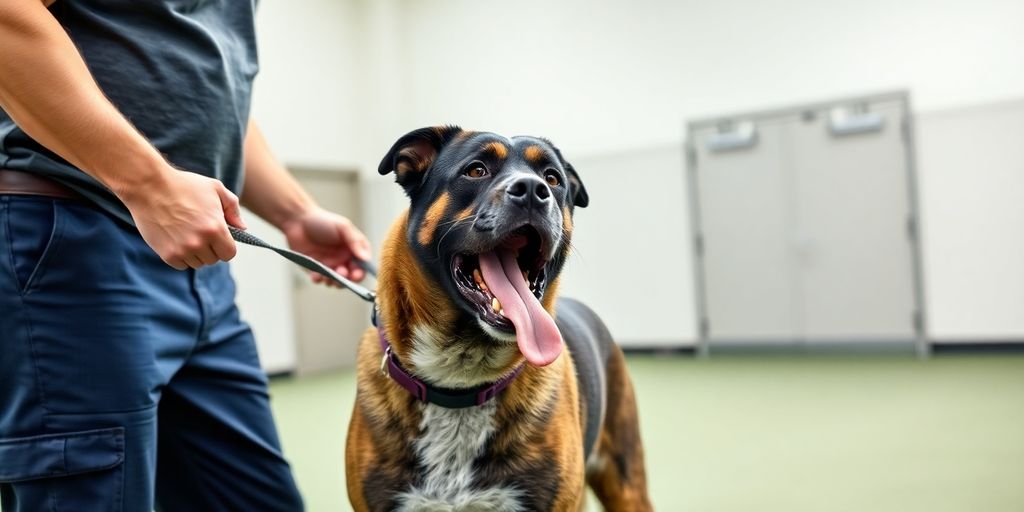
Training an aggressive dog can feel like a daunting task, but with the right strategies, it becomes manageable. Here are some effective techniques to consider:
Desensitization and Counterconditioning
Desensitization is all about gradually introducing your dog to the things that set them off, but in a way that doesn’t trigger them. Start with a low intensity of the trigger and reward your dog with treats for staying calm. Over time, increase the intensity or proximity of the trigger, always keeping your pup below their threshold of aggression. Counterconditioning complements this by pairing the trigger with positive experiences, like treats or praise, helping your dog form a new, positive association.
Positive Reinforcement Strategies
Positive reinforcement is your best friend when it comes to training. When your dog exhibits calm behavior or responds appropriately to a trigger, reward them. This could be with a treat, a favorite toy, or simple praise. The goal is to encourage and reinforce the behaviors you want to see more of. Consistency is key here; make sure everyone in the household is on the same page with the commands and rewards.
Clicker Training for Behavior Modification
Clicker training is a fun and effective way to communicate with your dog. A clicker is used to mark the exact moment your dog does something right, followed by a reward. This method helps your dog understand what behavior is being rewarded, making it easier for them to repeat it. It’s particularly useful for breaking down complex behaviors into manageable steps.
Training an aggressive dog requires time, consistency, and repetition, along with effective management and a positive reinforcement-based approach. By using these techniques, you can help your dog learn to respond more calmly and appropriately to the world around them.
Implementing Safety Measures During Aggression Training
Training a dog with aggressive tendencies isn’t just about teaching commands; it’s about ensuring safety for everyone involved. Safety should always be the top priority when dealing with aggression.
Using Leashes and Muzzles
When you’re working with an aggressive dog, leashes and muzzles are your best friends. They provide an extra layer of protection, preventing any unwanted incidents. Make sure the muzzle fits well, allowing your dog to pant and drink, while still restricting any biting.
Creating a Controlled Training Environment
Think of the training area as your dog’s safe zone. Remove anything that might set them off, like other animals or loud noises. If your dog is reactive to other dogs, find a quiet spot where there won’t be any surprise encounters. A controlled environment helps your dog focus and reduces stress.
Educating Family Members and Neighbors
Everyone in the household, and even your neighbors, should be on the same page about how to handle your dog. This means understanding the triggers and knowing what to do if things go sideways. Managing aggressive dogs in your neighborhood requires everyone to be informed and prepared, keeping both people and pets safe.
Taking these precautions doesn’t just keep you safe; it also helps your dog feel more secure. When a dog knows its boundaries and feels protected, it’s less likely to lash out. Remember, patience and consistency are key in transforming aggressive behavior.
Long-Term Management Strategies for Aggressive Dogs
Maintaining Consistent Training Routines
Keeping up with regular training is key when it comes to managing aggression in dogs. Consistency is your best friend here. Stick to a routine that reinforces positive behavior and helps your dog understand what’s expected. You might find that daily short sessions work better than longer ones. Remember, every dog is different, so be patient and adjust as needed.
Providing Mental and Physical Stimulation
Dogs need both mental and physical activities to stay balanced. Try incorporating activities that match your dog’s breed traits, like agility courses or tracking exercises. Structured activities not only keep them engaged but also help in channeling their energy positively. A tired dog is often a well-behaved dog.
Seeking Professional Support and Guidance
Sometimes, it’s okay to ask for help. If you’re feeling stuck, consider reaching out to a professional trainer or behaviorist. They can offer personalized strategies and support. Managing aggressive dogs can be demanding, but you’re not alone. There are experts out there ready to guide you through the process.
Long-term management of aggression isn’t just about training; it’s about building a trusting relationship with your dog. Keep communication open, and don’t hesitate to seek support when needed.
Medical and Behavioral Interventions for Aggression

Identifying Medical Causes of Aggression
Sometimes, aggression in dogs isn’t just a behavior issue; it could be something medical. If your dog’s aggression seems to appear out of the blue, it’s a good idea to get a vet involved. Pain, illness, or discomfort could be making your dog act out, and treating these underlying issues might calm things down. Regular vet check-ups can help spot these medical triggers early, so you can tackle them before they turn into bigger problems.
Behavioral Modification Plans
When it comes to changing aggressive behavior, having a plan is key. Behavioral modification plans are all about reshaping how your dog reacts to certain triggers. You might start with simple commands like "sit" and "stay," which can be handy during walks or when meeting new people. Here’s a quick rundown of strategies:
- Desensitization: Slowly introduce your dog to the things that set them off. Start from a distance or at a level that doesn’t make them react, and gradually get closer as they get more comfortable.
- Counter-Conditioning: Pair the trigger with something positive, like treats or praise. This helps your dog see the trigger as a good thing, not something to be scared of.
- Positive Reinforcement: Reward your dog when they stay calm or respond well to a trigger. This encourages them to keep up the good behavior.
These techniques might need some tweaking to fit your dog’s specific needs, but consistency is crucial.
The Role of Veterinary Behaviorists
Sometimes, you need a little extra help, and that’s where veterinary behaviorists come in. These professionals are like the bridge between medical and behavioral solutions. They can offer insights into whether your dog’s aggression is rooted in health issues or if it’s purely behavioral. Plus, they can craft a tailored plan that combines both medical and training approaches. If you’re feeling stuck, reaching out to a veterinary behaviorist might be the next best step.
It’s all about understanding that aggression isn’t just a "bad dog" problem. By looking at both medical and behavioral sides, you can find a path that helps your dog feel more at ease and less aggressive.
Building a Positive Relationship with Your Dog
Reward-Based Training Approaches
Building a strong bond with your dog begins with understanding and communication. Reward-based training is a fantastic way to connect with your furry friend. This method focuses on reinforcing positive behaviors with treats, praise, or playtime. When your dog follows a command or behaves well, rewarding them encourages them to repeat that behavior. It’s all about positive vibes! Avoid punishment-based training, as it can lead to fear and anxiety, which damages the relationship.
Engaging in Structured Activities
Structured activities are like play dates with a purpose. They not only stimulate your dog’s mind but also use up that extra energy. Activities like basic obedience training, agility courses, or even a fun game of fetch can work wonders. These activities are not just about exercise; they’re about teamwork and understanding each other’s cues. Make sure to choose activities that suit your dog’s breed and energy level.
Communicating Effectively with Your Dog
Communication is key, even with dogs. Dogs might not speak our language, but they sure do understand tone and body language. Use clear commands and be consistent with them. If you say "sit," use the same tone and gesture every time. Over time, your dog will learn to associate the word with the action. Pay attention to your dog’s body language too. Are they wagging their tail or avoiding eye contact? These are clues to how they’re feeling.
Spending time with your dog, whether through training or just hanging out, strengthens your bond. It’s not just about commands and treats; it’s about understanding each other and building trust. A strong relationship with your dog means fewer behavioral issues and more happy moments together.
Creating a strong bond with your dog is essential for a happy life together. Start by spending quality time with your furry friend, using positive reinforcement to encourage good behavior. This means rewarding them with treats or praise when they do something right. Remember, patience is key! If you want to learn more about effective training methods and tips, visit our website for helpful resources. Let’s make your dog’s training journey enjoyable!
Conclusion
Dealing with an aggressive dog can feel like a never-ending challenge, but remember, you’re not alone in this journey. With the right strategies, patience, and a bit of persistence, you can make a real difference in your dog’s behavior. It’s all about finding what works best for your furry friend, whether it’s structured activities, positive reinforcement, or seeking help from a professional. Keep in mind that every dog is unique, so what works for one might not work for another. Stay consistent, keep learning, and don’t hesitate to reach out for support when needed. In the end, your efforts can lead to a happier, more balanced life for both you and your dog. So hang in there, and keep up the good work!
Frequently Asked Questions
What should I do if my dog suddenly becomes aggressive?
If your dog suddenly starts showing aggression, it’s important to first rule out any medical issues by consulting a veterinarian. Sudden aggression can sometimes be caused by pain or illness. Once medical causes are ruled out, consider seeking help from a professional dog trainer or behaviorist to address the behavior.
Can all aggressive dogs be trained to be less aggressive?
While many aggressive dogs can be trained to reduce their aggressive behavior, it’s important to remember that each dog is unique. Some dogs may require more time and specialized training than others. Consistency, patience, and professional guidance are key to managing aggression.
What are some common triggers for dog aggression?
Common triggers for dog aggression include fear, anxiety, territorial instincts, and protective behavior. Understanding these triggers can help owners manage and reduce aggressive incidents.
How can I keep my family safe during aggression training?
To ensure safety during aggression training, use tools like leashes and muzzles, create a controlled environment, and educate family members about the training process and triggers to avoid.
Is it necessary to seek professional help for an aggressive dog?
Seeking professional help from a certified dog trainer or behaviorist is often beneficial, especially if the aggression is severe or persistent. Professionals can provide tailored advice and strategies for managing and reducing aggression.
What role does positive reinforcement play in managing aggression?
Positive reinforcement is crucial in managing aggression. By rewarding calm and appropriate behavior, dogs learn to associate good behavior with positive outcomes, which can help reduce aggressive tendencies over time.