
Ever walked into your house only to be greeted by your overly enthusiastic dog jumping all over you? It’s a common scene for many dog owners. While it might seem cute at first, it can quickly become annoying or even dangerous, especially if your dog is big. Training your dog to stop jumping isn’t just about teaching them a new trick—it’s about changing how they interact with you and others. With some patience and the right techniques, you can teach your dog to greet you and others politely, keeping all paws on the ground.
Key Takeaways
- Understanding why dogs jump is the first step to addressing the behavior.
- Consistency is crucial—everyone in the family should be on the same page.
- Train your dog to perform an alternative behavior instead of jumping.
- Manage your dog’s energy levels with regular exercise and mental stimulation.
- Avoid giving negative attention, as it can reinforce the jumping behavior.
Understanding Why Dogs Jump
Natural Greeting Behavior
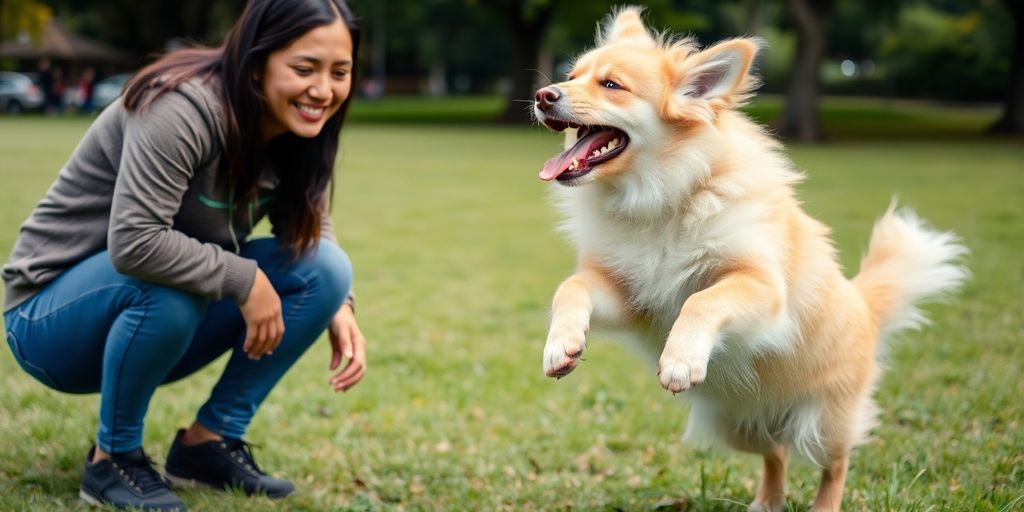
Dogs naturally greet each other by jumping. It’s their way of saying "hello" face-to-face. When two dogs meet, they often rise on their hind legs, pawing at each other in excitement. This behavior is instinctual, but it doesn’t translate well to human interactions. Teaching your dog to greet people in a more human-friendly way is key.
Emotional Triggers for Jumping
Jumping often happens during high-energy moments, like when you come home after a long day. Your dog has been waiting, and suddenly, there you are—the source of all things fun and exciting. This burst of emotion can lead to jumping as your dog tries to express their joy and eagerness. Keeping greetings calm can help manage this behavior.
The Role of Human Interaction
Humans play a big part in reinforcing jumping. Dogs crave attention, and even a negative response, like pushing them away, can be seen as a reward. Attention, whether positive or negative, encourages the behavior. Understanding this can help you change how you respond, guiding your dog to better habits.
Training Techniques to Stop Jumping
The Four on the Floor Rule
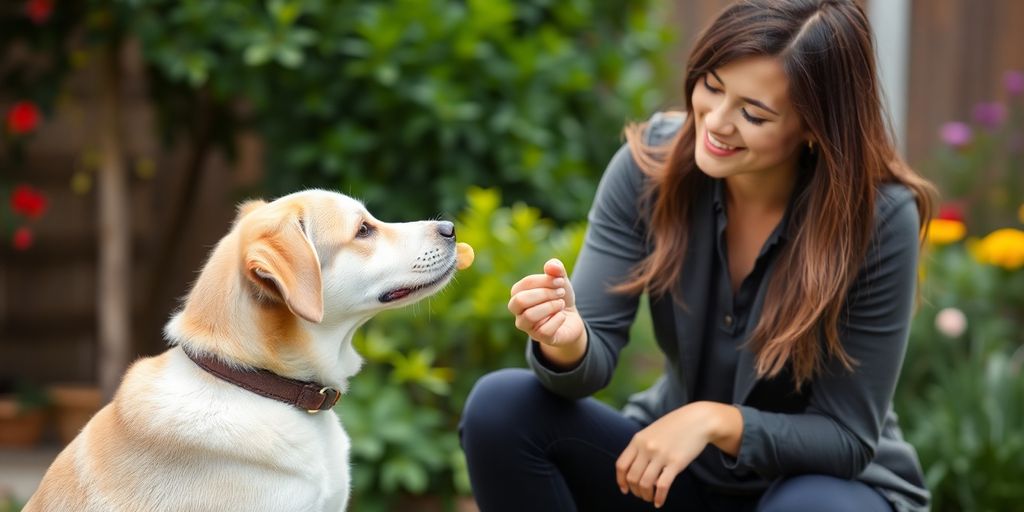
The "Four on the Floor" rule is all about teaching your dog to keep all their paws on the ground. When you come home, ignore your dog until they calm down and their paws are firmly planted on the floor. Only then should you greet them with affection. This method helps your dog learn that calm behavior earns them the attention they crave. It’s crucial to be consistent with this rule across all family members.
Teaching Incompatible Behaviors
An effective way to stop jumping is to teach your dog a behavior that makes jumping impossible. For instance, instructing your dog to sit when they greet people can work wonders. Dogs can’t jump and sit at the same time, so if they learn to sit when someone approaches, they’re less likely to leap up. Reinforce this behavior with treats and praise to solidify the new habit.
Using Commands Effectively
Commands are a powerful tool in training your dog not to jump. Use clear and consistent commands like "sit" or "stay" to guide your dog’s actions. When your dog starts to jump, redirect them with a command and reward them when they comply. Over time, your dog will associate these commands with positive outcomes and be less inclined to jump. It’s helpful to redirect their behavior by instructing them to sit or ignoring them if they jump, reinforcing that jumping doesn’t get attention.
The Importance of Consistency in Training
Consistency is the backbone of effective dog training. It’s the glue that holds all the techniques together, ensuring your dog learns and retains new behaviors. Without consistency, training efforts can easily fall apart, leaving both you and your dog frustrated.
Family Involvement in Training
Getting the whole family on board with training is crucial. If one person allows jumping while another doesn’t, your dog will get mixed signals. Make sure everyone knows the rules and sticks to them. Here’s a simple plan:
- Hold a family meeting to discuss training goals.
- Assign specific commands and actions to each family member.
- Regularly check in to ensure everyone is on the same page.
Consistency Across Different Environments
Dogs don’t automatically generalize behaviors across different settings. Just because your dog sits at home doesn’t mean they’ll do it at the park. Practice commands in various locations to reinforce learning:
- Start training in a quiet room at home.
- Gradually move to the backyard.
- Practice in public spaces with more distractions.
Reinforcing Positive Behavior
Rewarding good behavior is key to encouraging your dog to repeat it. Use treats, praise, or playtime as rewards. The more consistently you reward the right actions, the more likely your dog will keep doing them. Remember, it’s not just about giving treats; it’s about effective dog training that relies on consistency to solidify behaviors.
"Training a dog isn’t just about teaching commands; it’s about building a relationship based on clear communication and trust."
Managing Excitement and Energy Levels
Exercise and Mental Stimulation
Keeping your dog well-exercised is a game-changer. A dog with pent-up energy is more likely to jump on guests or become restless. Regular walks, playtime, and creative activities like puzzle toys or snuffle mats can help burn off that excess energy. Think of it as setting your dog up for success. When they’re tired, they’re less likely to act out.
Calm Greetings and Departures
Dogs often get overly excited when you come home or leave. Keeping these moments low-key can help. When you come in, ignore your dog until they settle down. No eye contact, no talking, just chill. When you’re leaving, don’t make a fuss. Just grab your stuff and go. This helps your dog stay calm and reduces stress.
Avoiding Overstimulation
Overstimulation can lead to jumping and other unwanted behaviors. Keep play sessions balanced and avoid roughhousing if your dog tends to get hyper. Pay attention to their body language. If they start getting too excited, it might be time to take a break. Understanding a dog’s arousal levels is crucial for their well-being. By maintaining calm energy, you help them relax and feel more secure.
Managing your dog’s energy isn’t just about keeping them busy. It’s about creating an environment where they can thrive and feel at ease. A calm dog is a happy dog.
Common Mistakes to Avoid
Negative Attention Reinforcement
It’s easy to accidentally reward your dog’s jumping by giving them attention, even if it’s negative. When you yell or scold, your dog might perceive it as a form of interaction, which can encourage them to keep jumping. Instead, try to ignore the behavior completely. This might mean turning your back or walking away until your dog calms down.
Physical Corrections and Their Impact
Many people think that pushing or grabbing their dog will stop the jumping, but it often backfires. Dogs can interpret physical actions as play, leading them to jump even more energetically. Plus, using physical corrections can damage the trust between you and your dog. It’s better to use gentle guidance and positive reinforcement to teach them the right behavior.
Inconsistent Training Responses
Consistency is key in dog training. If you allow your dog to jump on you sometimes but not other times, it sends mixed signals. Everyone in your household should be on the same page, enforcing the same rules. This means no exceptions, even if your dog is small or the person they are jumping on says they don’t mind. Stick to your training plan to see the best results.
Training a dog requires patience and consistency. Remember, your dog is learning new behaviors and needs clear, consistent cues to understand what is expected of them. Be patient and stick to your training methods, and you’ll see progress over time.
Engaging Others in Your Dog’s Training
Training Visitors and Strangers
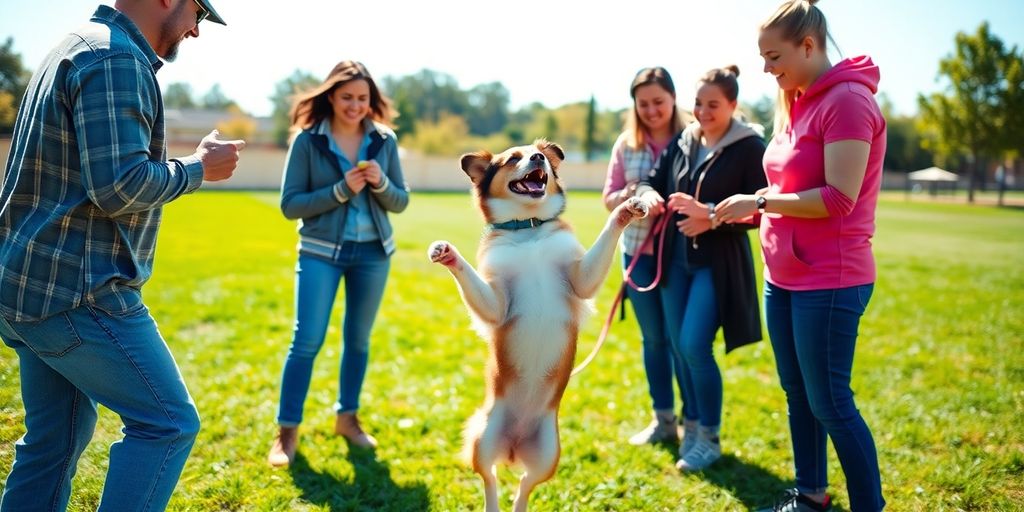
When it comes to training your dog not to jump on people, involving others is key. Consistency is crucial—everyone who interacts with your dog should follow the same rules. When friends or strangers want to greet your pup, ask them to wait until your dog is calm and sitting. Hand them a treat and instruct them to reward your dog for staying seated. This not only reinforces good behavior but also teaches your dog that sitting brings rewards from different people.
Using Treats as Training Tools
Treats can be a powerful tool in encouraging your dog to behave well around others. Keep a stash of treats handy and use them to reward your dog when they follow commands. When guests arrive, give them a treat to offer your dog once it sits calmly. This creates a positive association with guests and reduces the urge to jump. Remember, treats should be used to reinforce desired actions, not as bribes.
Creating a Supportive Environment
A supportive environment is essential for successful training. Make sure everyone in your household is on the same page about the rules and commands. Encourage family members to practice training exercises regularly. Create a routine that includes commands your dog knows and rewards for following them. By doing this, you’re setting your dog up for success and ensuring they understand what’s expected of them.
Advanced Training Tips for Persistent Jumpers
Leash Training for Greetings
Leash training is a game-changer for dogs that just can’t resist jumping. Start by keeping your dog on a leash when guests arrive. This allows you to have better control over their movements. Ask your guests to approach slowly. If your dog tries to jump, gently pull back on the leash and ask them to sit. When they comply, reward them with a treat and praise. This technique helps your dog associate calm behavior with positive outcomes. Over time, they will learn that staying grounded is the way to earn attention and treats.
Command-Based Jumping Control
Teaching your dog specific commands can make a world of difference. Use a command like "Off" or "Down" when they start to jump. Consistency is key here. Everyone in the household must use the same command and follow through with the same actions. If your dog responds correctly, reward them immediately. You can even introduce a command for when it’s okay to jump, like "Up," but only allow it in certain situations. This way, your dog learns that jumping is not always appropriate.
Professional Training Options
Sometimes, despite your best efforts, a dog’s jumping habit can be tough to break. In such cases, seeking help from a professional trainer might be the best route. Professionals have the expertise to assess your dog’s behavior and tailor a training program specifically for them. They can provide insights and techniques that you might not have considered. Plus, they offer a structured environment that can be very beneficial for persistent jumpers. Don’t hesitate to reach out for professional help if needed.
Training a dog not to jump requires patience and consistency. It’s not an overnight fix, but with dedication, you can transform your dog’s behavior. Remember, every dog is different, and sometimes, a little extra help from a pro can make all the difference.
If your dog loves to jump, it’s time to take their skills to the next level! Start by practicing in a safe area where they can jump over low obstacles. Gradually increase the height as they get better. Remember to reward them with treats and praise when they succeed. This will help them learn and enjoy the process. For more tips and detailed training courses, visit our website!
Wrapping It Up: Your Journey to a Jump-Free Dog
So, there you have it! Training your dog to stop jumping is totally doable with a bit of patience and consistency. Remember, it’s not just about teaching your dog but also about training yourself and others around you. Keep those treats handy, stay calm, and be consistent with your commands. It’s all about creating a positive environment where your dog knows what’s expected. Sure, it might take a few weeks, but soon enough, you’ll have a well-mannered pup who greets you with all four paws on the ground. Happy training!
Frequently Asked Questions
Why does my dog keep jumping on people?
Dogs often jump on people as a way of saying hello or getting attention. It’s a natural behavior for them, especially when they’re excited.
How can I stop my dog from jumping on guests?
Train your dog to sit when guests arrive. You can give guests treats to reward your dog for sitting calmly instead of jumping.
Is it okay to push my dog down when they jump?
No, pushing your dog away might seem like attention to them, which can encourage more jumping. Instead, ignore them until they calm down.
What is the ‘Four on the Floor’ rule?
The ‘Four on the Floor’ rule means you only give your dog attention when all four of their paws are on the ground. This teaches them that staying down gets them the attention they want.
Can exercise help reduce my dog’s jumping?
Yes, regular exercise can help burn off excess energy, making your dog less likely to jump out of excitement.
What should I do if my family is inconsistent with training?
It’s important to have everyone on the same page. Hold a family meeting to agree on the rules and commands so your dog doesn’t get confused.