
Bringing a new puppy home is a big deal, full of wagging tails and cute antics. But let’s be real, it can also feel a bit chaotic. That’s where a good puppy training schedule comes in. Think of it as your roadmap to raising a well-behaved dog. It helps your pup understand what’s happening next, making them feel more secure. Plus, it makes life way simpler for you too. We’ll break down how to set up a schedule that works for both of you.
Key Takeaways
- A consistent puppy training schedule helps puppies feel secure and learn faster by making their world predictable.
- Frequent potty breaks, especially after waking, eating, and playing, are vital for successful house training.
- Short, engaging training sessions using positive reinforcement are more effective for puppies than long, drawn-out ones.
- Early socialization and teaching basic commands and impulse control build a confident, well-adjusted dog.
- Crate training and practicing alone time help puppies develop independence and prevent separation anxiety.
Establishing Your Puppy’s Daily Routine
Bringing a new puppy home is exciting, but it can also feel a bit overwhelming with all the new things to consider. One of the most important things you can do right from the start is to set up a predictable daily schedule. This structure helps your puppy feel safe and understand what’s expected of them, making the adjustment period smoother for everyone. It’s not just about the puppy, either; a good routine makes life easier for you too. You don’t need to plan every single minute, but having a framework for key activities makes a big difference in preventing chaos and fostering good behavior.
The Importance of Predictable Schedules
Think of a schedule as your puppy’s roadmap for the day. When they know what’s coming next – wake up, potty, breakfast, play, nap – they feel more secure. This predictability is especially helpful for house training and can reduce anxiety. A consistent routine is the bedrock of a well-behaved and confident dog. It helps them learn to manage their bladder, understand when it’s time to rest, and anticipate when they’ll get attention or playtime. Without it, puppies can become anxious, destructive, or have more accidents.
Key Components of a Puppy Training Schedule
A solid puppy schedule typically includes several core elements that work together:
- Potty Breaks: Frequent trips outside are non-negotiable, especially for young puppies. Plan to take them out every 1-2 hours initially, and always after waking up, eating, and playing.
- Feeding Times: Puppies usually need to eat 3 times a day. Try to schedule these meals around your own mealtimes to make it easier to remember.
- Play and Training Sessions: Short, focused bursts of activity and learning are best. Aim for several 5-10 minute sessions throughout the day.
- Nap Times: Puppies need a lot of sleep, often 18-20 hours a day. Designated nap times, often in a crate, are vital for their development and to prevent overstimulation.
- Socialization and Quiet Time: Introducing your puppy to new sights, sounds, and experiences, as well as teaching them to be calm, are also important parts of the day.
Here’s a sample structure for a young puppy:
| Time | Activity |
|---|---|
| 7:00 AM | Wake up & Potty Break |
| 7:30 AM | Breakfast |
| 7:45 AM | Potty Break (after meal) |
| 8:00 AM | Playtime / Short Training Session |
| 9:00 AM | Potty Break |
| 9:15 AM | Nap Time (in crate) |
| 12:00 PM | Wake up, Potty Break, Lunch, Potty Break |
| 1:00 PM | Playtime / Short Training Session |
| 2:00 PM | Nap Time |
| 5:00 PM | Wake up, Potty Break, Dinner, Potty Break |
| 6:00 PM | Playtime / Family Time |
| 8:00 PM | Potty Break |
| 9:00 PM | Last Potty Break & Bedtime |
Benefits of a Consistent Routine
Sticking to a schedule offers a multitude of benefits. It helps prevent accidents in the house by anticipating your puppy’s needs. It also aids in developing good habits, like settling down for naps or waiting patiently for meals. For you, it means less guesswork and more predictability in your day. This consistency builds trust between you and your puppy, creating a stronger bond and a more harmonious home environment. It’s an investment that pays off significantly in the long run, leading to a happier, more well-adjusted companion.
Establishing a routine from day one is the most effective way to set your puppy up for success. It creates a sense of security for them and makes your life as a new owner much more manageable. Don’t underestimate the power of predictability in shaping your puppy’s behavior and overall well-being.
Mastering Potty Training with a Schedule
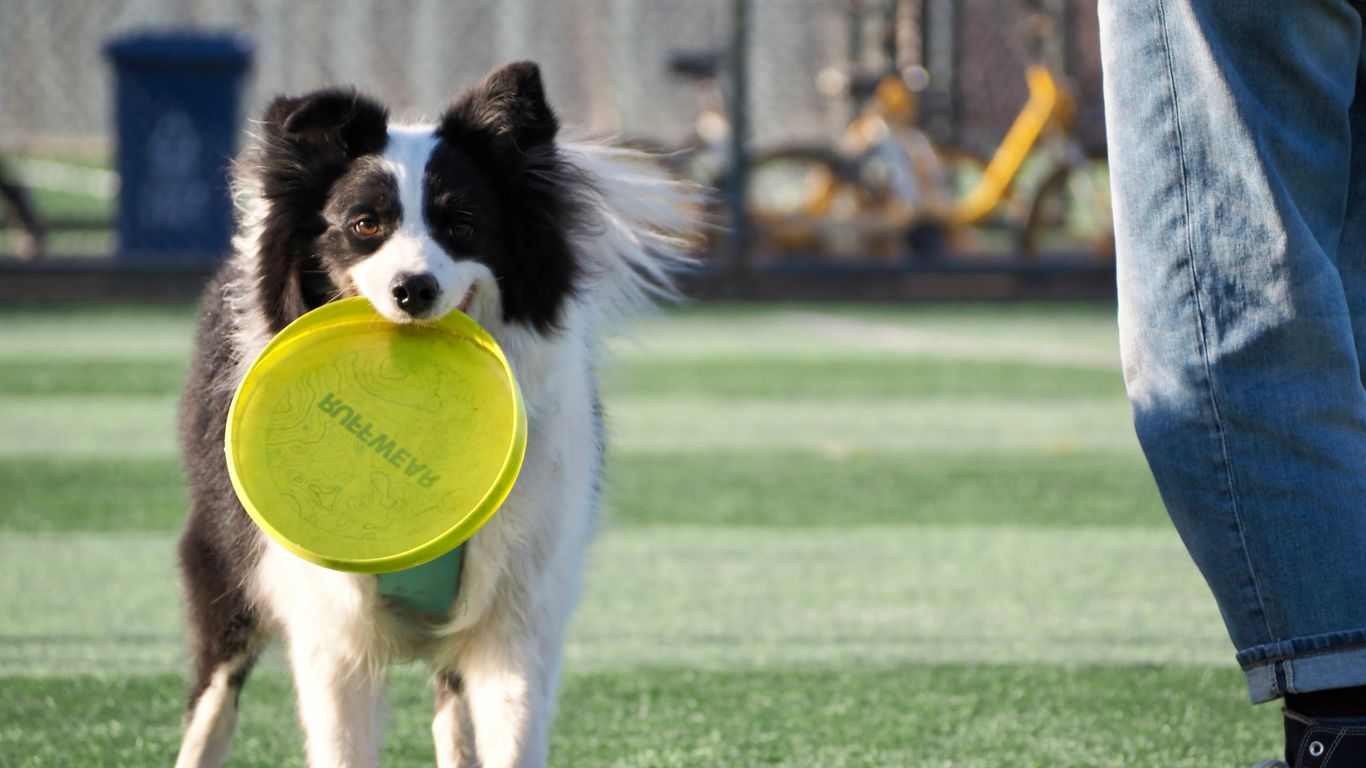
Potty training a new puppy can feel like a constant cycle of trips outside, but having a solid schedule makes all the difference. Puppies, especially young ones, have very little bladder control. This means frequent trips outdoors are not just recommended, they’re absolutely necessary to prevent accidents inside the house. Consistency is your best friend here. By establishing a predictable routine, you help your puppy understand when and where they are expected to go. This predictability builds confidence and speeds up the learning process, making the whole experience smoother for both of you.
Frequent Potty Breaks for Young Pups
When you first bring your puppy home, expect to be outside a lot. Think of it as an investment in a cleaner home later on. A good rule of thumb is to take your puppy out first thing in the morning, right after they wake up from any nap, after playtime, and after they eat or drink. For very young puppies, like an 8-week-old, you might need to go out as often as every hour. It sounds like a lot, and it is, but it’s temporary. As they grow, they’ll gain better control and the intervals between breaks will naturally lengthen.
Here’s a general guideline for how often your puppy might need to go:
- 8-10 weeks: Every 1-2 hours
- 10-12 weeks: Every 2-3 hours
- 12-16 weeks: Every 3-4 hours
Remember, these are just starting points. Always supervise your puppy and be ready to go out if they show signs they need to relieve themselves.
Recognizing Your Puppy’s Cues
Learning your puppy’s signals is a big part of successful potty training. Some puppies are pretty obvious – they might start whining, pacing, or heading towards the door. Others can be more subtle. You might notice them sniffing the ground intently, circling, or suddenly stopping their play. Paying close attention to these behaviors will help you catch them before an accident happens. When you see these signs, don’t hesitate; grab your puppy and head straight outside to their designated potty spot.
It’s easy to get frustrated with accidents, but try to remember that your puppy isn’t doing it to be naughty. They’re still learning and don’t have the same control or understanding as an adult dog. Your calm and consistent response is what matters most.
Accelerating House Training Success
To really speed things up, make every potty trip a positive experience. When your puppy successfully goes to the bathroom outside, praise them enthusiastically and offer a small, tasty treat immediately. This positive reinforcement teaches them that going potty outside is a very good thing. Avoid any punishment for accidents inside; simply clean them up thoroughly with an enzymatic cleaner to remove odors that might attract them back to the same spot. Stick to your schedule, watch for cues, and celebrate every success. You’ll be amazed at how quickly they catch on!
Integrating Play and Training Sessions
Think of playtime not just as fun, but as a prime opportunity to build skills with your puppy. Short, focused bursts of training woven into play can be incredibly effective. Puppies have short attention spans, so keeping sessions brief, around 5 minutes, and spreading them throughout the day is key for better learning and strengthening your bond.
Short, Engaging Training Bursts
Instead of long, drawn-out drills, break down training into quick, fun activities. This could be practicing a ‘sit’ before tossing a toy or a quick ‘come’ when they’re already heading your way. The goal is to make learning feel like a game. Keep it positive and rewarding. If your puppy gets it right, great! If they struggle, don’t push too hard; just make it a little easier next time. This approach helps maintain their enthusiasm and prevents frustration.
Using Mealtime for Training
Mealtimes are a natural part of your puppy’s day and can be repurposed for training. You can use their kibble as rewards for practicing basic commands like ‘sit’ or ‘stay’ before they eat. This not only reinforces good behavior but also makes mealtime a productive learning experience. It’s a simple way to add extra training without needing special treats, especially if your puppy is a keen eater. You can also use meal times to work on impulse control, like waiting patiently for their bowl.
Positive Reinforcement Techniques
Positive reinforcement is all about rewarding desired behaviors to make them more likely to happen again. This means using things your puppy loves – like tasty treats, enthusiastic praise, or a favorite toy – immediately after they do something right. For example, if your puppy successfully walks on a loose leash for a few steps, shower them with praise and a small treat. This helps them associate good behavior with good things. It’s also helpful to use a system like ‘Push, Drop, Stick’ to manage the difficulty of exercises. If your puppy nails an exercise 5 times in a row, you might ‘push’ to make it slightly harder. If they only get 1 or 2 right, you ‘drop’ back to an easier version. If they’re getting 3 or 4, you ‘stick’ with the current difficulty for a bit longer. This keeps training challenging but not overwhelming, helping your puppy build confidence and learn effectively. You can start introducing basic commands as early as 7-8 weeks old, making the most of their golden era for learning.
Remember, consistency is more important than intensity. Short, frequent training sessions integrated into play and daily routines will yield better results than infrequent, long sessions. Focus on making training a fun, rewarding experience for both you and your puppy.
Essential Socialization and Life Skills
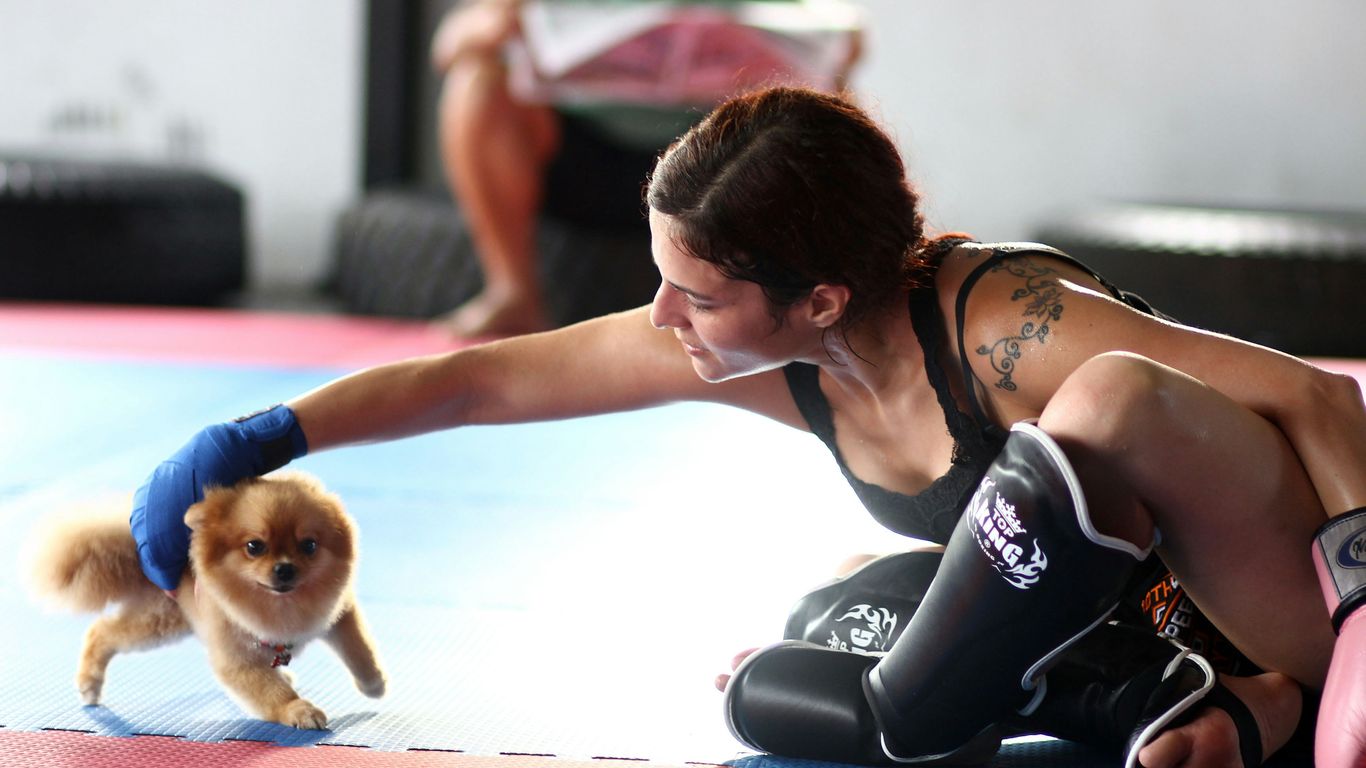
Getting your puppy used to the world around them is just as important as teaching them to sit. This period, especially before they hit 16 weeks, is when they’re most open to new experiences. Think of it as building their confidence for all the adventures ahead. Early and varied exposure is key to raising a well-adjusted dog.
Early Socialization Practices
Socialization isn’t just about meeting other dogs; it’s about introducing your puppy to a wide range of sights, sounds, smells, and textures in a positive way. This helps prevent fear and anxiety later on. Try to expose your puppy to:
- Different Surfaces: Let them walk on grass, pavement, carpet, tile, or even a crinkly mat. This helps them feel comfortable everywhere.
- Various Sounds: Introduce household noises like the vacuum cleaner, washing machine, or even a blender from a distance. You can also play recordings of thunderstorms or fireworks at a low volume.
- New People: Have friends and family visit, ensuring they approach your puppy calmly. It’s also good to have your puppy see people dressed differently, like wearing hats or glasses.
- New Environments: Take short trips in the car, visit a pet store, or even just sit outside your house and watch the world go by. A trip to the vet for a positive experience, not just for shots, is also beneficial.
Remember, the goal is positive association. Keep these introductions brief and rewarding, ending on a good note before your puppy gets overwhelmed.
Introducing Basic Commands
Beyond socialization, teaching basic commands helps build communication and strengthens your bond. Start with simple cues:
- Name Recognition: Say your puppy’s name in a happy tone. When they look at you, give them a small treat and praise. Do this frequently throughout the day.
- Sit: Hold a treat near your puppy’s nose and move it up and over their head. As their head follows the treat, their rear end should naturally lower into a sit. Say "sit" as they do it.
- Come: Start in a quiet area. Get down low, say your puppy’s name followed by "come" in an excited voice, and back away. Reward them with praise and a treat when they reach you. You can gradually add distractions and distance as they improve.
Developing Impulse Control
Impulse control is about teaching your puppy to think before they act. This is super helpful for preventing unwanted behaviors like jumping or grabbing things they shouldn’t.
- "Leave It": Place a low-value treat on the floor and cover it with your hand. When your puppy stops trying to get it, praise and give them a different, higher-value treat from your other hand. Gradually progress to leaving the treat uncovered.
- Waiting for Food: Don’t let your puppy rush their food bowl. Have them sit before you place the bowl down, and only release them to eat with a cue like "okay."
- Trading Up: If your puppy has something they shouldn’t, don’t just snatch it away. Offer them something better in exchange, like a tasty treat or a favorite toy. This teaches them that giving things up can be rewarding. This is a great way to practice recall with items too.
Crate Training and Alone Time
Creating a Safe Den
Crate training is about more than just housebreaking; it’s about giving your puppy a secure space, a den of their own. Think of it as their personal retreat where they can feel safe and relaxed. To make the crate a positive place, start by making it comfy with soft bedding and a few favorite toys. You can even toss in some tasty treats or a chew toy to make their time inside even more appealing. The goal is to associate the crate with good things, not confinement. Avoid using the crate as a punishment, as this can create negative feelings towards it. Gradually increase the time your puppy spends in the crate, starting with short periods while you’re home. This helps them adjust without feeling abandoned. Remember, a well-introduced crate can be a fantastic tool for managing your puppy’s environment and promoting a sense of security. For more on getting started, check out these tips on puppy crate training.
Building Independence
Once your puppy is comfortable in their crate, you can start working on building their independence. This means teaching them that it’s okay to be alone for short stretches. Begin by leaving them in the crate for just a few minutes while you stay in another room. Slowly extend this time as they get more comfortable. You can give them a special long-lasting chew or a stuffed Kong to keep them occupied. The key here is to make these alone times positive and uneventful. When you return, greet them calmly and don’t make a huge fuss. This helps them understand that your absence isn’t a big deal and that you’ll always come back. This process is vital for preventing future separation anxiety.
Preventing Separation Anxiety
Separation anxiety can be a real challenge for both puppies and owners. It often stems from a puppy not being used to being alone or associating your departure with distress. Consistent, positive crate training is a major step in preventing this. It teaches your puppy that being alone is safe and normal. Another strategy is to avoid overly dramatic greetings or goodbyes. Keep your departures and arrivals low-key. Before you leave, ensure your puppy has had a chance to relieve themselves and has had some exercise. A tired puppy is more likely to settle down. If your puppy shows signs of distress like excessive barking, destructive behavior, or accidents when left alone, it’s important to address it early. This might involve shorter periods of alone time, more positive crate associations, or even consulting with a professional trainer or vet for guidance. Building their confidence gradually is the most effective approach.
Adapting Your Puppy Training Schedule
So, you’ve got a puppy training schedule down pat. That’s awesome! But here’s the thing: puppies aren’t static. They grow, they learn, and their needs change. What worked like a charm when they were eight weeks old might need a little tweaking as they hit six months or even a year. It’s all about being flexible and paying attention to your individual pup.
Adjusting for Age and Progress
As your puppy gets older, their bladder control improves, and they can hold it for longer periods. This means you can gradually increase the time between potty breaks. For instance, an 8-week-old might need to go out every hour, but a 6-month-old might be fine with every 3-4 hours. Similarly, training sessions can become a bit longer and more complex as their attention span grows. Don’t be afraid to move at your puppy’s pace; some will progress faster than others. Consistency is key, but so is adapting to your dog’s development.
Here’s a general idea of how things might shift:
| Age | Potty Break Frequency | Training Session Length |
|---|---|---|
| 8-12 Weeks | Every 1-2 hours | 5-10 minutes |
| 3-6 Months | Every 2-3 hours | 10-15 minutes |
| 6-12 Months | Every 3-4 hours | 15-20 minutes |
Handling Teenage Puppy Challenges
Ah, the teenage phase. Around six months, many puppies go through a rebellious stage, much like human teenagers. They might test boundaries, become a bit more distractible, or even regress in some training areas. This is a normal part of development, but it requires patience and a renewed commitment to your training schedule. Keep sessions short, engaging, and highly rewarding. Focus on reinforcing good behavior and managing situations where they might fail. Think of it as a temporary setback, not a permanent one. If you’re struggling, consider revisiting some basic obedience or seeking advice from a professional trainer about puppy training.
Consistency Through the First Year
Your puppy’s first year is a whirlwind of growth and learning. While you’ll be adjusting the schedule based on their age and progress, the underlying principle of consistency remains vital. Sticking to a routine for feeding, potty breaks, play, and training helps your puppy feel secure and understand expectations. Even as they mature and gain more independence, maintaining a predictable structure will help them remain well-behaved and confident. It’s about building a solid foundation that lasts a lifetime.
Remember that your puppy’s schedule isn’t set in stone. It’s a living document that evolves with them. Observe your pup, celebrate their successes, and be patient through the challenges. This adaptability is what makes a training plan truly effective.
Adjusting your puppy’s routine can be tricky, but it’s totally doable! Remember, consistency is key when teaching new tricks or habits. For more tips on making training a breeze, check out our expert advice on our website!
Wrapping Up Your Puppy’s Training Journey
So, you’ve made it through the initial puppy training! It might feel like a lot, and honestly, some days probably were. But look at how far you and your furry friend have come. Remember, consistency is your best friend here. Keep up with those routines, celebrate the small wins, and don’t get discouraged by the occasional accident or setback. Every puppy learns at their own pace, and your patience and positive reinforcement are what truly matter. You’re building a strong bond and setting your dog up for a happy, well-behaved life. Enjoy this amazing journey together – the hard work now really pays off!
Frequently Asked Questions
Why is a schedule so important for my new puppy?
Puppies do best when they have a regular routine. A schedule helps them understand what to expect each day, making them feel more secure and confident. It helps them learn faster, adjust to new things, and bond with you through planned activities like feeding, potty breaks, and playtime.
How often should I take my puppy out to potty?
Very often at first! A good rule of thumb is to take your puppy out every two hours, and especially after they wake up, after playing, and after eating. As your puppy gets older, they’ll be able to hold it for longer periods.
What are the best training methods to use?
Positive reinforcement is a great way to train. This means rewarding your puppy with treats, praise, or toys when they do something good. It makes learning fun and helps build a strong, trusting relationship between you and your dog.
When should I start socializing my puppy?
Socialization should begin as soon as your puppy comes home, ideally between 8 and 16 weeks old. This is when they are most open to learning. Expose them to new sights, sounds, people, and other friendly, vaccinated dogs in a positive way.
How long should training sessions be?
Keep training sessions short and engaging, especially for young puppies. Aim for about 5-10 minutes at a time. Using meal times to practice commands can also be a fun way to train.
What if my puppy is struggling with a certain part of the schedule?
Every puppy learns at their own pace. If your puppy isn’t getting something quickly, don’t get discouraged. Just keep practicing consistently, go back to basics if needed, and adjust the schedule to fit their progress. Patience is key!