

Potty training a puppy might seem like a huge task, but it doesn’t have to be overwhelming. With the right approach and a little patience, you can teach your furry friend where and when to do their business. This guide will walk you through practical tips and strategies to help make the process smoother for both you and your pup. Stick with it, and soon enough, accidents will be a thing of the past.
Key Takeaways
- Start with a consistent daily routine to help your puppy learn when to go potty.
- Pay attention to your puppy’s signals to avoid accidents in the house.
- Use positive reinforcement like treats or praise to encourage good behavior.
- Crate training can be a helpful tool for teaching your puppy where to go.
- Stay patient and consistent—every puppy learns at their own pace.
Establishing a Consistent Potty Training Routine
Why Routine Matters for Puppies
Puppies thrive on structure, and a consistent potty training routine sets the foundation for success. By sticking to a regular schedule, you help your puppy understand when and where to go, reducing confusion and accidents. Dogs are creatures of habit, and predictable patterns make it easier for them to adapt to your expectations. Plus, a routine helps you anticipate their needs so you’re not caught off guard.
Sample Daily Schedule for Potty Training
Here’s an example of a daily schedule you can adjust based on your puppy’s age and activity level:
- 6:00 AM: Wake up and take your puppy out to their designated potty area immediately.
- 6:30 AM: Feed breakfast, followed by another potty break.
- 7:00 AM – 8:00 AM: Playtime, then a quick potty trip before a nap.
- 11:30 AM: Post-nap potty break.
- 12:00 PM: Lunch, then head outside again.
- 3:00 PM: After another nap, it’s time for a potty break.
- 6:00 PM: Dinner, followed by a trip to their potty spot.
- 8:00 PM: Final water for the night and a last potty break before bed.
- 8:30 PM: Bedtime.
Pro Tip: Puppies often need to go shortly after eating, drinking, or playing. Use this schedule as a guide to minimize accidents.
Adjusting the Routine as Your Puppy Grows
As your puppy matures, their bladder control will improve, and you can gradually space out potty breaks. However, the key is to adjust slowly. If your puppy is doing well with fewer breaks, keep monitoring for signs they need to go, like sniffing or circling.
Consistency is your best friend during potty training. By sticking to a plan, you’re setting your puppy up for lifelong good habits.
Recognizing Your Puppy’s Potty Signals
Common Signs Your Puppy Needs to Go
Every puppy has their own unique way of showing they need a potty break, but some signals are pretty universal. Look for behaviors like sniffing the floor, circling, whining, or heading toward the door. They might also suddenly stop playing or seem restless. Paying close attention to these cues can save you from cleaning up accidents.
Here’s a quick list of common signals:
- Sniffing the ground intensely
- Circling or pacing
- Whining or barking
- Heading toward the door or a specific spot
- Squatting or hunching their back
When you see any of these signs, act fast. Grab the leash and take them to their designated potty area right away.
How to Respond Quickly to Avoid Accidents
Timing is everything when it comes to potty training. As soon as you notice your puppy showing signs, don’t hesitate—get them outside immediately. Puppies have tiny bladders and limited control, so delaying even a minute can lead to an accident.
Here’s a simple process to follow:
- Spot the signal.
- Say a cue like “Let’s go outside!” to help them associate the action.
- Leash them up and head straight to their potty spot.
- Wait patiently and praise them as soon as they go.
Consistency is key here. The more you respond quickly and positively, the faster your puppy will learn what’s expected.
Using Cue Words to Reinforce Behavior
Using a cue word can be a game-changer during potty training. Pick a simple phrase like “Go potty” or “Do your business” and say it every time you take your puppy to their spot. Over time, they’ll connect the words with the action.
Here’s how to use cue words effectively:
- Say the cue word as they start to go.
- Keep your tone calm and encouraging.
- After they finish, give immediate praise or a reward.
Consistency is what makes this work. Stick with the same word or phrase and use it only for potty training. Soon enough, your puppy will understand exactly what you mean and what’s expected of them.
Potty training takes time and patience, but learning to recognize your puppy’s signals and acting quickly can make the process smoother for both of you. Remember, every puppy learns at their own pace.
The Role of Positive Reinforcement in Potty Training
Why Rewards Work Better Than Punishment
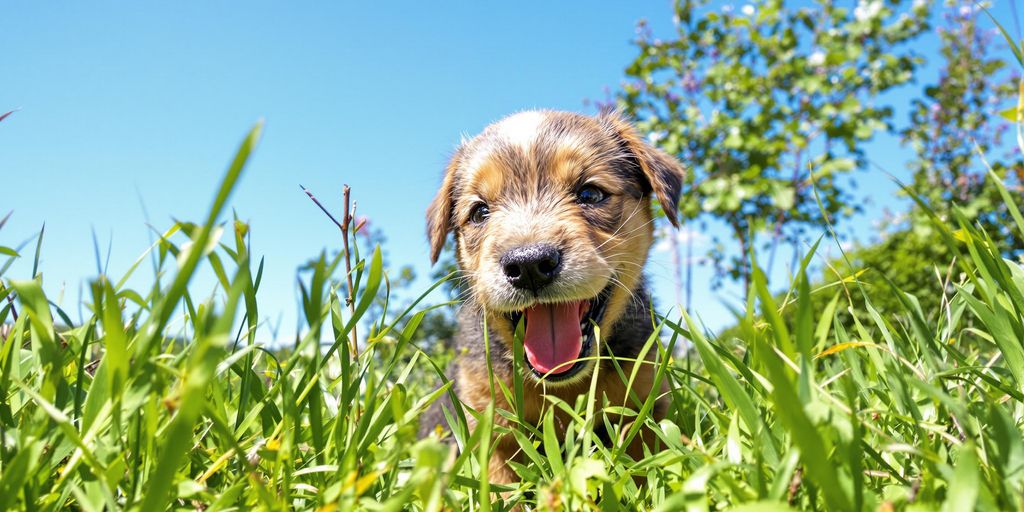
Positive reinforcement is the cornerstone of effective potty training. Puppies, much like humans, respond far better to rewards than to punishment. When your puppy successfully uses the designated potty area, shower them with praise, pats, or a small treat. This not only reinforces good behavior but also builds trust between you and your furry friend. Punishing accidents, on the other hand, can create fear and confusion, making the training process longer and more stressful.
Types of Rewards to Use
Not all rewards are created equal. Here are some examples of what might work best:
- Treats: Small, bite-sized snacks that your puppy loves. Soft treats often work well since they’re easy to chew.
- Praise: A cheerful “Good job!” or a happy tone of voice can be just as effective as a treat.
- Playtime: A quick game of tug or fetch can also act as a reward, especially for energetic pups.
Experiment to see what motivates your puppy the most. Some might prefer food, while others might thrive on attention or play.
Timing Your Rewards for Maximum Effect
Timing is everything when it comes to positive reinforcement. Offer the reward immediately after your puppy finishes their business in the right spot. Delayed rewards can confuse your puppy, as they won’t associate the treat or praise with the action you’re rewarding. For example, if you wait until you’re back inside to give a treat, your puppy might think they’re being rewarded for coming indoors instead of going potty outside.
Remember, consistency and patience are key. Every successful potty trip is a step closer to a fully house-trained puppy.
Using Crate Training to Aid Potty Training
How Crates Mimic Natural Den Instincts
Crates are more than just a training tool—they tap into your puppy’s natural instincts. Dogs are den animals by nature, meaning they naturally seek out small, cozy spaces for safety and rest. A properly introduced crate can become their sanctuary, giving them a sense of security and a place they know as their own. This instinct is why crates work so well for potty training, as dogs generally avoid soiling their sleeping area.
Choosing the Right Crate Size
Picking the right crate size is key. If it’s too big, your puppy might treat one end as a bathroom and the other as a bed. Ideally, the crate should be just large enough for your puppy to stand up, turn around, and lie down comfortably. Many crates come with adjustable dividers, so you can expand the space as your puppy grows. Here’s a quick guide:
| Puppy Size | Crate Size Recommendation |
|---|---|
| Small Breeds | 18-24 inches |
| Medium Breeds | 24-30 inches |
| Large Breeds | 36-42 inches |
| Extra-Large Breeds | 48+ inches |
When and How to Use the Crate Effectively
The crate should never feel like a punishment. Instead, make it a positive experience by using treats, toys, or a comfy blanket. Here are some practical tips:
- Introduce the crate gradually: Start with short periods while you’re nearby, then slowly increase the time as your puppy gets comfortable.
- Use the crate for unsupervised times: If you can’t keep an eye on your puppy, the crate can help prevent accidents.
- Stick to a schedule: Take your puppy outside immediately after releasing them from the crate. Puppies often need to go after sleeping, eating, or playing.
- Nighttime use: Keep the crate in your bedroom at night to reassure your puppy and make nighttime potty trips easier.
Patience is everything when it comes to crate training. Every puppy adjusts at their own pace, so stay consistent and encouraging.
By using a crate effectively, you’re not just potty training; you’re also giving your puppy a safe and happy place to call their own.
Essential Tools for Successful Potty Training
Must-Have Supplies for Potty Training
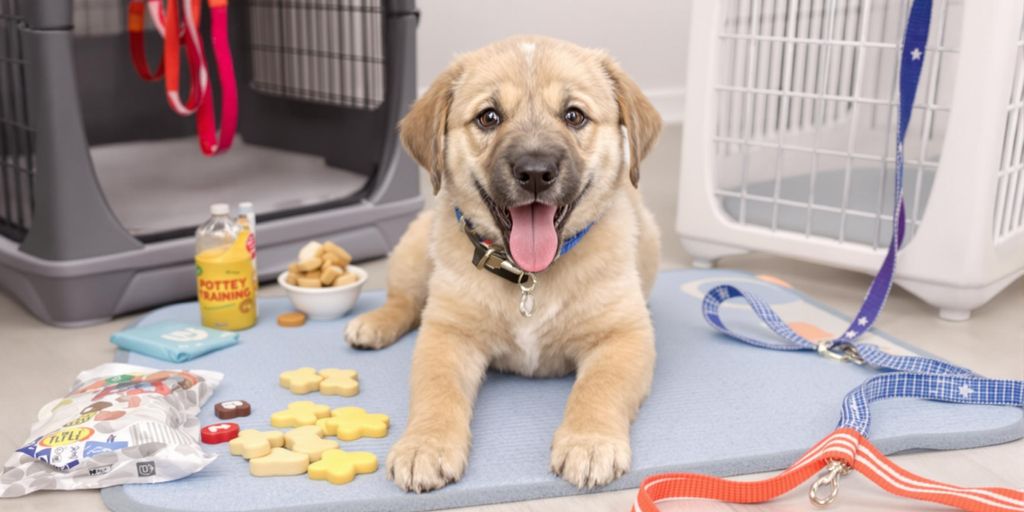
Starting off with the right tools can make the whole potty training process a lot smoother. Here’s what you’ll need:
- Puppy pee pads: Great for indoor training or when you can’t supervise your puppy closely.
- Enzyme cleaner: This is a lifesaver for cleaning accidents and removing odors that might encourage repeat mistakes.
- High-value treats: These are essential for rewarding your puppy when they go in the right spot.
- Poop bags: Don’t forget these for clean-up, especially when you’re out and about.
- A designated potty area: Whether it’s a specific patch of grass or a corner of your yard, consistency is key.
Setting Up a Designated Potty Area
Creating a specific spot where your puppy can do their business is a smart move. Dogs are creatures of habit, and having a dedicated area helps them understand where they’re supposed to go. Make sure this spot is easy to access and free of distractions. Stick to this area every time, as the scent will encourage them to return.
Cleaning Up Accidents the Right Way
Accidents will happen—it’s just part of the process. The key is to clean them up properly to avoid lingering odors. Here’s how:
- Blot the area with paper towels to soak up as much as possible.
- Use an enzyme cleaner to break down the scent completely.
- Avoid harsh chemicals like ammonia, as they can mimic urine smells and confuse your puppy.
Potty training takes time and patience, but having the right tools can make all the difference. Equip yourself well, and you’ll set both you and your puppy up for success.
Overcoming Common Potty Training Challenges
Dealing with Accidents Calmly
Accidents are bound to happen, and how you respond can either help or hinder your puppy’s learning process. Never punish your puppy for an accident. Instead, clean up the mess thoroughly using an enzymatic cleaner to remove any lingering odor. This prevents your puppy from thinking it’s okay to go there again. If you catch them in the act, calmly interrupt with a gentle "no" and take them to their designated potty spot right away.
Training Puppies in Apartments or Small Spaces
Living in a smaller space can make potty training a bit trickier, but it’s totally doable. Designate a specific potty area, such as a balcony with pee pads or a dog litter box. Stick to a consistent routine, taking your puppy to the spot frequently. If outdoor access is limited, indoor solutions like puppy pads can be lifesavers. Gradually transition to outdoor pottying as your puppy gets older and more reliable.
Handling Stubborn or Anxious Puppies
Some puppies may take longer to grasp potty training due to stubbornness or anxiety. For these pups, patience is your best friend. Use positive reinforcement, like treats or praise, every time they get it right. If anxiety is an issue, try introducing them to the crate gradually to create a safe and comfortable space. Introduce your puppy to the crate by placing treats and toys inside, helping them associate it with positive experiences. This can also aid in potty training by teaching them to hold their bladder longer.
Understanding Your Puppy’s Natural Instincts
How Instincts Influence Potty Training
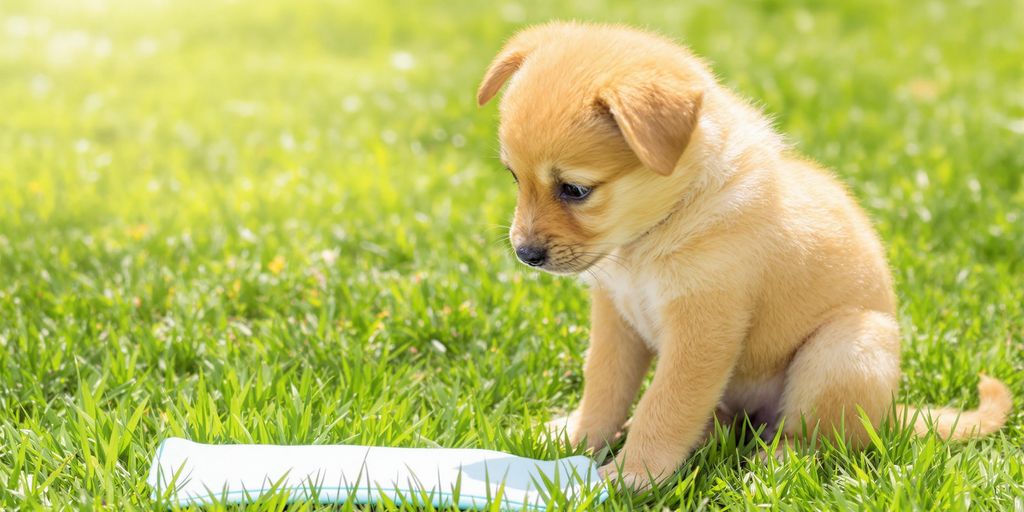
Dogs are naturally inclined to keep their sleeping areas clean, a behavior rooted in their wild ancestors who avoided soiling their dens. This instinct can be a huge advantage when potty training. Crates, for example, mimic this "den-like" environment, encouraging puppies to hold their bladder until they’re let out. Understanding this natural behavior can make training feel less like a chore and more like working with your puppy’s instincts.
Building on Pre-Existing Behaviors
Puppies often show subtle signs before they need to go, like sniffing the ground, circling, or heading toward the door. These natural behaviors are your cues. By observing and responding to them consistently, you’re not just training your puppy—you’re reinforcing what they already feel inclined to do. Use these moments to guide them to an appropriate spot and reward them generously for doing the right thing.
Why Patience is Key
Let’s face it: puppies are learning a completely new skill, and just like toddlers, they’ll mess up. Accidents will happen, and that’s okay. What matters is how you respond. Losing your cool can confuse your puppy and set back progress. Instead, stay calm and remember that patience is part of the process. Puppies thrive on positive reinforcement and consistency, so take a deep breath and keep at it.
Training a puppy takes time, but every effort you put in now will pay off in a well-behaved dog later. Stick with it—even on the tough days.
Understanding your puppy’s natural instincts is key to helping them grow into a well-behaved dog. Puppies have strong instincts that guide their behavior, like the urge to chew, dig, or chase. By recognizing these instincts, you can better train and bond with your furry friend. For more tips on training and understanding your dog, visit our website!
Wrapping It Up
Potty training a puppy can feel like a big task, but with patience, consistency, and a little bit of planning, it’s totally doable. Remember to stick to a routine, reward good behavior, and keep an eye out for those little signals your pup gives when they need to go. Accidents will happen, and that’s okay—it’s all part of the process. Just stay calm, clean up, and keep moving forward. Before you know it, your puppy will have it all figured out, and you’ll both be able to enjoy a cleaner, happier home together.
Frequently Asked Questions
What’s the best way to start potty training a puppy?
The best way to start is by establishing a consistent routine. Take your puppy outside first thing in the morning, after meals, and before bedtime. Use a specific word like ‘potty’ to help them associate it with the action.
How often should I take my puppy outside?
Young puppies need to go out every 1-2 hours, especially after eating, drinking, playing, or napping. As they grow, you can gradually increase the time between breaks.
What should I do if my puppy has an accident indoors?
Stay calm and avoid punishing your puppy. Clean the area thoroughly to remove any odors, as lingering smells might encourage them to go there again.
Can I use a crate to help with potty training?
Yes, crates can be helpful since dogs naturally avoid soiling where they sleep. Make sure the crate is the right size—just big enough for them to stand, turn around, and lie down comfortably.
What kinds of rewards work best for potty training?
Small treats, verbal praise, or a favorite toy immediately after your puppy goes potty in the right spot work well. The key is to reward them right away so they connect the reward with the action.
How long does it take to fully potty train a puppy?
It depends on the puppy’s age, breed, and consistency in training. Most puppies take several weeks to a few months to be fully trained, but patience and persistence are key.