

Training a puppy not to bite can feel like a big challenge, especially when those tiny teeth latch onto your hands or furniture. But don’t worry—it’s a normal part of a puppy’s growth. Puppies explore their world with their mouths, and biting is often just a phase. With the right techniques and a little patience, you can teach your furry friend to bite less and play more gently. This guide will walk you through practical steps to make puppy biting training easier.
Key Takeaways
- Consistency is your best friend. Always respond the same way when your puppy bites.
- Redirect biting to safe chew toys to satisfy their natural chewing instincts.
- Use positive reinforcement like treats and praise to encourage good behavior.
- Socializing your puppy with other dogs helps teach them bite inhibition.
- If biting persists, consider reaching out to a professional trainer for help.
Understanding Puppy Biting Behavior
Why Puppies Bite During Teething
Puppies, like human babies, go through a teething phase. During this time, their gums can feel sore or itchy, prompting them to bite or chew on anything within reach. Biting is their way of soothing discomfort. This behavior is entirely natural but can be frustrating for owners. Providing appropriate chew toys can help alleviate this issue while protecting your belongings.
Common Triggers for Puppy Biting
There are several reasons puppies might bite:
- Exploration: Puppies use their mouths to explore the world, much like humans use their hands.
- Overexcitement: Playtime can sometimes get a little too intense, leading to nipping or biting.
- Anxiety or fear: Puppies may bite when they feel threatened or unsure of their surroundings.
Recognizing these triggers can help you respond appropriately and prevent the behavior from escalating.
The Role of Play in Biting Behavior
Play is a crucial part of a puppy’s development, and biting often occurs as part of this. Puppies learn bite inhibition from their littermates—when one bites too hard, the other yelps, signaling it’s time to ease up. If a puppy missed out on this early socialization, you might need to step in. Mimicking this feedback by letting out a yelp or stopping play can teach your puppy that biting ends the fun.
Understanding why your puppy bites is the first step toward managing and redirecting the behavior effectively.
Establishing Clear Boundaries
Using Consistent Commands
Training your puppy starts with being clear and consistent. Using the same command every time ensures your pup knows what to expect. For example, if your puppy bites, say "No bite" firmly but not angrily. Changing commands or tone can confuse them. Stick to one phrase and use it consistently.
Here’s a simple approach:
- Use a calm yet firm tone.
- Pair the command with a hand signal for added clarity.
- Repeat the command each time the behavior occurs.
Involving All Family Members in Training
Your puppy won’t learn boundaries if everyone in the household is doing something different. Make sure all family members are on the same page. Agree on the commands, rules, and even the tone of voice to use.
Key tips:
- Hold a quick family meeting to discuss training rules.
- Assign roles, like who will handle feeding, walking, and training.
- Encourage consistency by practicing together.
Setting Rules for Visitors
Visitors can unknowingly undo all your hard work by letting your puppy bite or jump on them. Set clear rules for guests before they interact with your dog. For example, ask them not to engage with your puppy until they’re calm.
Some helpful guidelines for visitors:
- Ignore the puppy if they’re overly excited.
- Avoid roughhousing, which can encourage biting.
- Reward calm behavior with gentle pets or treats.
Puppies thrive on structure. By setting boundaries early, you’re helping them grow into well-behaved adult dogs.
Redirecting Biting to Appropriate Chew Toys
Choosing Safe and Durable Chew Toys
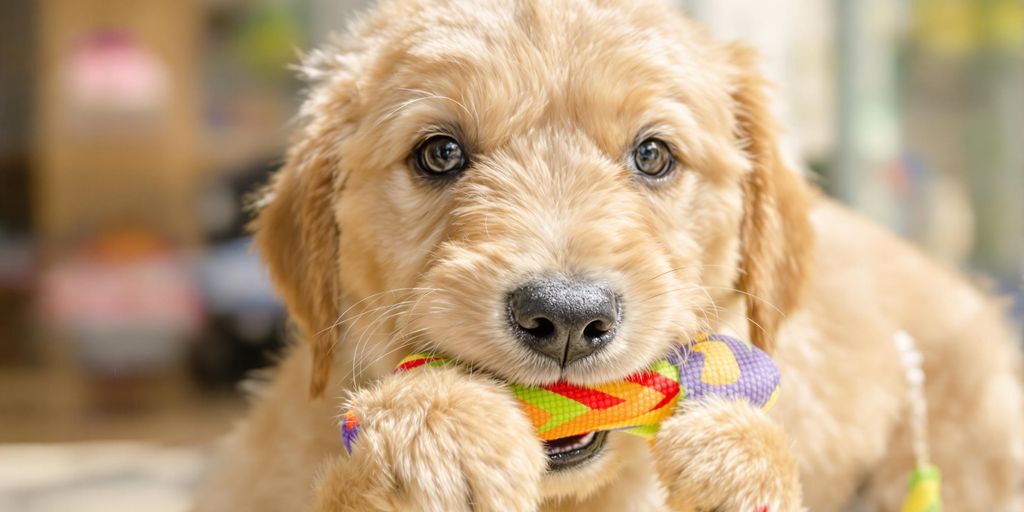
When it comes to redirecting your puppy’s biting, having the right chew toys is key. Look for options made from durable materials like rubber or nylon that can withstand sharp puppy teeth. Toys like Kong or dental chews are popular because they’re tough and safe. Always ensure the toy is the right size—too small, and it could become a choking hazard. Rotate the toys often to keep your puppy interested.
Encouraging Positive Chewing Habits
To encourage your puppy to chew on appropriate items, introduce the toy during playtime or when they seem bored. Puppies often bite because they’re curious or teething, so offering a chew toy at the right moment helps them form good habits. Be consistent—every time they nip at you or something off-limits, gently redirect them to the toy. Praise them when they choose the toy on their own. This positive feedback reinforces the behavior you want.
Using Treat-Filled Toys for Engagement
Treat-filled toys can be a game changer. Stuff a Kong or similar toy with peanut butter, kibble, or soft treats to make it extra appealing. These toys keep your puppy occupied for longer periods and give them a mental workout. Interactive toys like these are especially helpful when your puppy is full of energy and looking for something to do. If you notice them chewing on something inappropriate, swap it out for one of these engaging options.
Implementing Positive Reinforcement Techniques
Rewarding Calm and Gentle Behavior
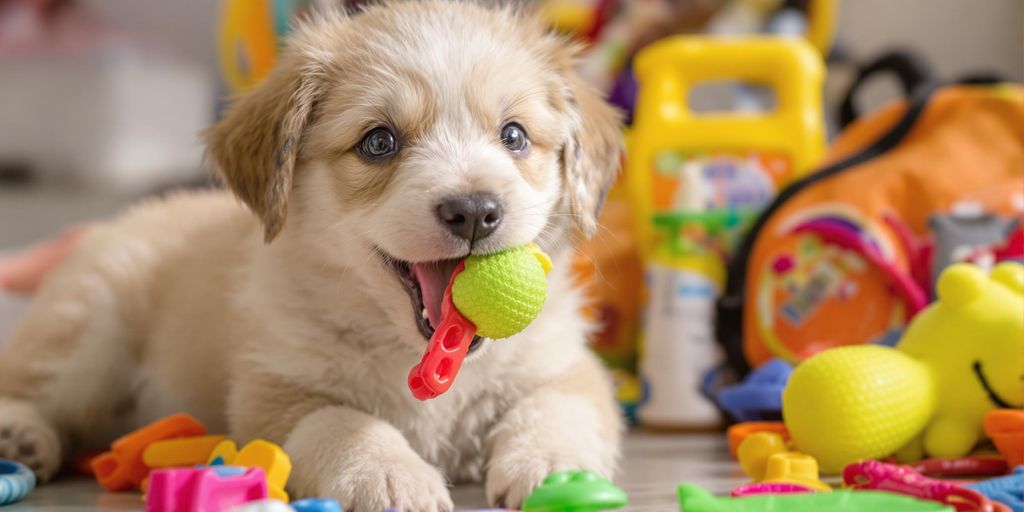
Teaching your puppy to stay calm and gentle can feel like a challenge, but it’s worth it. Consistency is everything when it comes to rewarding the behavior you want to see repeated. When your puppy is relaxed or interacts gently, immediately reward them with a treat or verbal praise. Timing is key—make sure the reward happens as soon as the good behavior occurs so your puppy connects the dots. Over time, your puppy will understand that being calm earns rewards, and they’ll start offering that behavior more often.
Using Treats and Praise Effectively
Finding the right balance between treats and verbal praise is important. Not all rewards are created equal—some puppies respond better to food, while others might love a good belly rub or an enthusiastic "Good job!". Start with small, soft treats that are easy to chew, and pair them with a happy tone of voice. Gradually, you can reduce the number of treats and rely more on verbal praise or affection. This keeps your puppy motivated without becoming overly dependent on food rewards.
Avoiding Punishment-Based Methods
Punishment might seem like a quick fix, but it often leads to fear and confusion. Instead of teaching your puppy what to do, punishment only tells them what not to do. This can make training frustrating for both of you. Stick to positive methods, like redirecting unwanted behavior and rewarding the good stuff. If you find yourself getting frustrated, take a break and come back to training when you’re both in a better mood. Remember, patience and kindness go a long way in building trust with your puppy.
Positive reinforcement isn’t just about giving treats—it’s about creating a bond of trust and mutual understanding between you and your puppy. Stay consistent, stay kind, and the results will follow.
For more on building a strong training foundation, check out this guide on rewarding good behavior and staying calm during challenges.
Socializing Your Puppy to Reduce Biting
Introducing Your Puppy to Other Dogs
Interacting with other dogs is one of the best ways for your puppy to learn what’s acceptable behavior. Puppies naturally teach each other bite inhibition during play. When one puppy bites too hard, the other often yelps and stops playing. This feedback helps your puppy understand limits. Start with calm, well-socialized dogs that you trust. Keep the initial meetings short and positive, and always supervise to ensure safety.
Encouraging Gentle Play During Socialization
Playtime is where your puppy learns a lot about boundaries. Encourage gentle play by using toys instead of your hands. If your puppy starts getting too rough, pause the play session. Consistency is key—every time biting happens, stop the fun. This teaches them that rough behavior leads to an end of the game. Over time, they’ll associate gentle play with more enjoyable interactions.
Building Confidence Through New Experiences
A confident puppy is less likely to bite out of fear or anxiety. Gradually introduce your puppy to new environments, people, and sounds. For example, take short walks in different neighborhoods or invite friends over to meet your puppy. Make each experience positive by using treats and praise. Positive exposure helps your puppy feel secure and reduces the likelihood of biting as a reaction to stress.
Socialization isn’t just about meeting other dogs—it’s about helping your puppy feel comfortable in the world. The more positive experiences they have, the better they’ll adapt to new situations without resorting to biting.
Seeking Professional Guidance When Needed
When to Consult a Dog Trainer
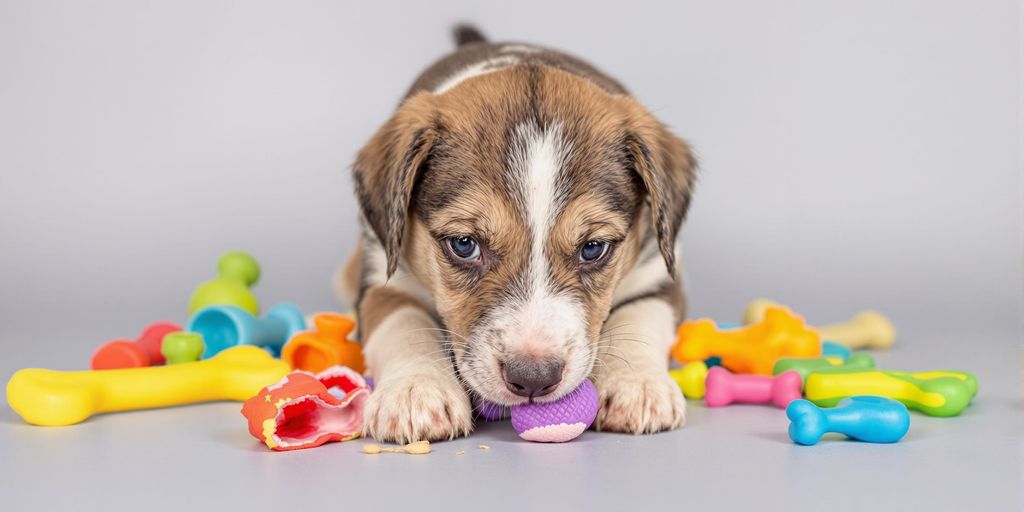
Sometimes, no matter how much effort you put into training your puppy, the biting just doesn’t improve. That’s when it’s time to consider reaching out to a professional. Certified dog trainers or behaviorists can assess the situation and figure out if there’s an underlying issue you might have missed. If your puppy’s biting is more than just playful nips and starts to seem aggressive or uncontrollable, it’s better to act sooner rather than later. Waiting too long can make the behavior harder to correct.
Benefits of Tailored Training Plans
One of the best things about working with a professional is the personalized approach. They don’t just use a one-size-fits-all method. Instead, they’ll create a training plan that’s specific to your puppy’s needs. This might include exercises to manage biting, ways to redirect their energy, or even addressing anxiety that could be causing the behavior. Tailored plans work because they focus on what your puppy actually needs, rather than relying on generic advice.
Addressing Persistent Biting Issues
If your puppy’s biting persists despite your best efforts, it’s likely a sign that something deeper is going on. A professional can help identify triggers you might not notice, like overstimulation or fear. They’ll also teach you techniques to handle these situations calmly and effectively. Remember, biting that doesn’t improve with basic training isn’t something to ignore—it’s a sign that your puppy needs extra help.
Seeking help from a professional isn’t admitting defeat—it’s giving your puppy the best chance to grow into a well-behaved and happy dog.
Maintaining Patience and Consistency
Understanding the Importance of Repetition
Training a puppy isn’t a one-time event—it’s a process. Repetition is what helps lessons stick. Puppies thrive on routine and predictability, so repeating the same commands, reactions, and rewards teaches them what’s expected. For instance, if you want to stop puppy biting, always end playtime immediately after a bite. This consistent reaction reinforces the idea that biting isn’t acceptable. Over time, your puppy will connect the dots and adjust their behavior.
Staying Calm During Training Sessions
Let’s face it—puppies can be frustrating. They’re full of energy, and sometimes it feels like they’re deliberately ignoring you. But losing your cool won’t help. Staying calm during training sessions is crucial because puppies pick up on your emotions. If you’re upset, they might become anxious or confused. Instead, take a deep breath, reset, and remember that every small step forward is progress.
Celebrating Small Progress Steps
It’s easy to focus on what your puppy isn’t doing right, but don’t forget to celebrate the wins—no matter how small. Did they stop biting for a few seconds after you redirected them to a chew toy? That’s progress! Mark it with a cheerful “Good job!” or a treat. These little moments build confidence for both you and your puppy, encouraging more positive behavior down the line.
Training a puppy takes time and patience. It’s not about perfection—it’s about building trust and understanding one step at a time.
Quick Tips to Stay Consistent:
- Stick to the same commands for specific actions (e.g., "sit," "stay").
- Ensure every family member follows the same rules and training methods.
- Keep sessions short and sweet—puppies have short attention spans!
By staying patient and consistent, you’re setting the foundation for a well-behaved and happy companion. Remember, progress may be slow, but with love and persistence, your puppy will learn.
Staying patient and consistent is key when training your dog. It’s important to remember that learning takes time, both for you and your furry friend. Celebrate small victories along the way, and don’t get discouraged by setbacks. If you want to learn more about effective dog training methods, visit our website for helpful tips and resources!
Conclusion
Training your puppy to stop biting isn’t something that happens overnight, but it’s definitely worth the effort. By staying consistent, patient, and using positive reinforcement, you’re setting your pup up for success. Remember, they’re still learning and figuring out the world around them, so a little understanding goes a long way. If things feel overwhelming, don’t hesitate to reach out to a professional for guidance. With time and the right approach, you’ll have a well-behaved puppy who knows how to play nicely. Hang in there—you’ve got this!
Frequently Asked Questions
Why do puppies bite so much?
Puppies bite because they are teething, exploring their world, or playing. It’s a natural part of their development, but they need guidance to learn what’s okay to bite.
How can I stop my puppy from biting me?
You can stop your puppy from biting by redirecting them to chew toys, using consistent commands like ‘No,’ and rewarding them for gentle behavior. Socializing them with other dogs also helps.
What are safe toys for puppies who bite?
Safe toys for biting puppies include durable rubber toys, dental chews, and treat-filled toys. Avoid toys with small parts that can be swallowed.
Should I punish my puppy for biting?
No, punishment can make the problem worse or damage your bond with your puppy. Instead, focus on positive reinforcement and teaching them what is acceptable.
When should I seek help from a professional trainer?
If your puppy’s biting becomes aggressive, doesn’t improve with training, or starts causing harm, it’s a good idea to consult a certified dog trainer or behaviorist.
How long does it take to train a puppy to stop biting?
Training a puppy to stop biting can take a few weeks to several months. The key is to stay consistent, patient, and positive throughout the process.