

Getting a new puppy is exciting, but let’s be honest—it can also be a bit overwhelming. Between the cute moments and the chaos, figuring out how to train your little furball can feel like a full-time job. But don’t worry, it’s not as hard as it seems. With a little patience, consistency, and some handy tips, you’ll be well on your way to raising a happy and well-behaved pup. This guide breaks down the basics of puppy training, from teaching commands to socializing, and even tackling common behavior issues. Let’s get started!
Key Takeaways
- Start training your puppy as early as possible to build good habits.
- Use short, consistent training sessions to keep your puppy engaged.
- Positive reinforcement, like treats and praise, works wonders.
- Socialization is key—introduce your puppy to people and other pets early.
- Be patient; every puppy learns at their own pace.
Building a Strong Foundation for Puppy Training
The Importance of Patience and Consistency
Training a puppy is a marathon, not a sprint. Patience is your best friend, and consistency is your secret weapon. Puppies are like little sponges, but they can only absorb so much at a time. Stick to a routine—use the same words for commands, reward good behavior immediately, and avoid mixed signals. For instance, don’t let your puppy jump on you one day and scold them for it the next. They thrive on clear expectations, and this consistency will help them feel secure and confident.
Understanding Your Puppy’s Learning Style
Every puppy is different. Some are food-motivated, while others light up for a favorite toy or a bit of praise. Spend some time figuring out what makes your puppy tick. Positive reinforcement is a game-changer—it could be a treat, a belly rub, or even a quick game of tug-of-war. Once you know what motivates them, use it to reinforce good behavior. Keep sessions short and fun; puppies have short attention spans, so five to ten minutes at a time works best.
Creating a Safe and Positive Environment
Your home should feel like a haven for your puppy. Set up a designated area with their crate, bed, and toys. This space acts as their retreat when they feel overwhelmed or need some downtime. Make sure the area is free of hazards like loose wires or small objects they could swallow. Use gentle tones and avoid punishment—it’s all about building trust. A safe, positive environment lays the groundwork for a happy, well-adjusted pup.
Mastering Basic Commands for Your Puppy
Teaching Sit, Stay, and Come
Teaching your puppy basic commands like "sit," "stay," and "come" is the cornerstone of effective training. These commands aren’t just about obedience—they’re about building trust and communication.
- Sit: Start by holding a treat near your puppy’s nose. Slowly move it upward, causing their head to follow and their bottom to naturally lower into a seated position. Once seated, say "sit" and immediately reward them.
- Stay: Begin with your puppy in a seated position. Hold your hand up, palm out, and say "stay." Take one step back. If they remain in place, reward them. Gradually increase the distance and duration over time.
- Come: Use an enthusiastic tone while crouching down to your puppy’s level. Say "come" and clap or pat your legs. Reward them generously when they reach you to reinforce the behavior.
Using Positive Reinforcement Effectively
Positive reinforcement is a game-changer in training. Reward-based methods not only encourage good behavior but also strengthen your bond with your puppy. Here’s how to make it work:
- Use high-value treats like small bits of chicken or cheese. Some puppies may prefer verbal praise or a favorite toy—find what motivates yours.
- Timing is everything. Reward your puppy immediately after they perform the desired action so they associate the behavior with the reward.
- Keep sessions short—5 to 10 minutes max—to match their attention span.
Puppies thrive when they feel they’re succeeding. Reinforcing even small wins can lead to big progress over time.
Avoiding Common Mistakes in Command Training
It’s easy to make errors when teaching commands, but knowing what to avoid can save you a lot of frustration:
- Inconsistency: Always use the same words for commands. Mixing "come here" and "come" will confuse your puppy.
- Overloading: Don’t introduce too many commands at once. Focus on one until your puppy masters it.
- Skipping Rewards: Puppies need immediate feedback. Skipping rewards, even occasionally, can slow their learning.
By mastering these foundational commands and avoiding common pitfalls, you’ll set your puppy up for a lifetime of good behavior and mutual understanding. For more on basic commands like "sit" and "come," check out basic commands.
Housebreaking and Crate Training Essentials
Steps to Successful Potty Training
Potty training your puppy can feel overwhelming, but with a little patience and a solid plan, it’s totally doable. Consistency is your best friend in this process. Puppies have tiny bladders, so frequent bathroom breaks are a must. Here’s a step-by-step guide:
- Establish a Routine: Take your puppy outside first thing in the morning, after meals, and before bedtime. Stick to the same spot so they associate it with potty time.
- Watch for Signs: Sniffing, circling, or whining are common indicators they need to go. When you see these, head outside immediately.
- Reward Success: When they go in the right spot, praise them and offer a treat. This reinforces the behavior you want.
If accidents happen—and they will—clean up thoroughly to remove any lingering scent that might attract them to the same spot again. For more tips, check out how to effectively potty train your dog in seven days.
Making the Crate a Safe Haven
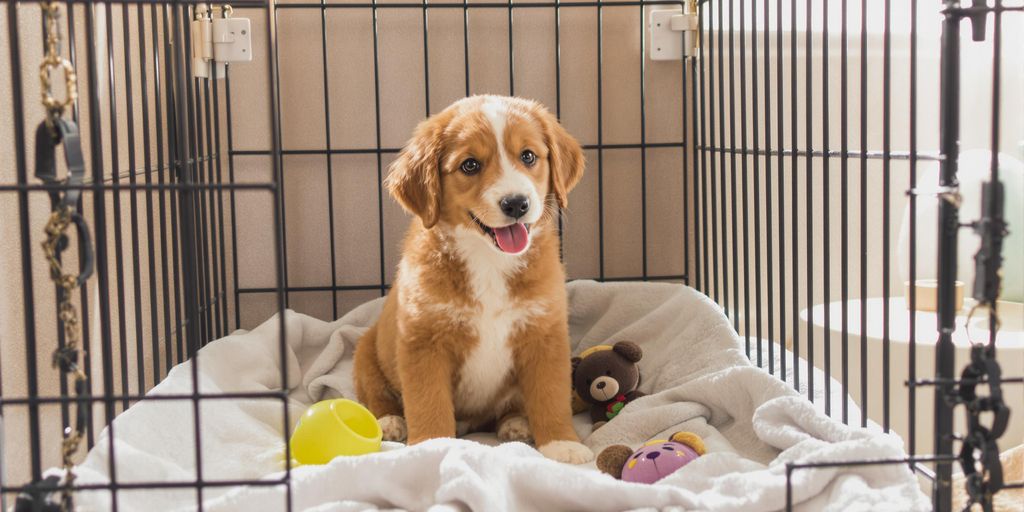
Crate training isn’t about confinement; it’s about creating a cozy, secure space for your puppy. Dogs naturally like having a "den," and a crate can replicate that feeling. Here’s how to make it a positive experience:
- Choose the Right Size: The crate should be big enough for your puppy to stand, turn around, and lie down comfortably, but not so large they can use one corner as a bathroom.
- Create Positive Associations: Toss in their favorite toys and a soft blanket. Feeding them near or inside the crate can also help them feel at ease.
- Start Slowly: Keep the door open at first and let them explore it on their own terms. Once they’re comfortable, close the door for short periods while you’re nearby.
Never use the crate as punishment. It should be a place they want to go, not a place they fear.
Overcoming Challenges in Housebreaking
Even with the best intentions, hiccups happen. Here are some common challenges and how to tackle them:
- Frequent Accidents Indoors: Revisit your routine. Are you taking them out often enough? Puppies can’t hold it for long, so adjust your schedule if needed.
- Fear of the Crate: If they’re hesitant to enter, try placing treats just inside the door and gradually moving them further in. Patience is key.
- Regression: Sometimes, puppies seem to forget everything you’ve taught them. Stay calm, go back to basics, and reinforce good habits.
Remember, every puppy learns at their own pace. Celebrate small wins and keep moving forward. The effort you put in now will pay off with a well-trained, happy companion.
Socializing Your Puppy for a Well-Behaved Companion
Introducing Your Puppy to New People and Pets
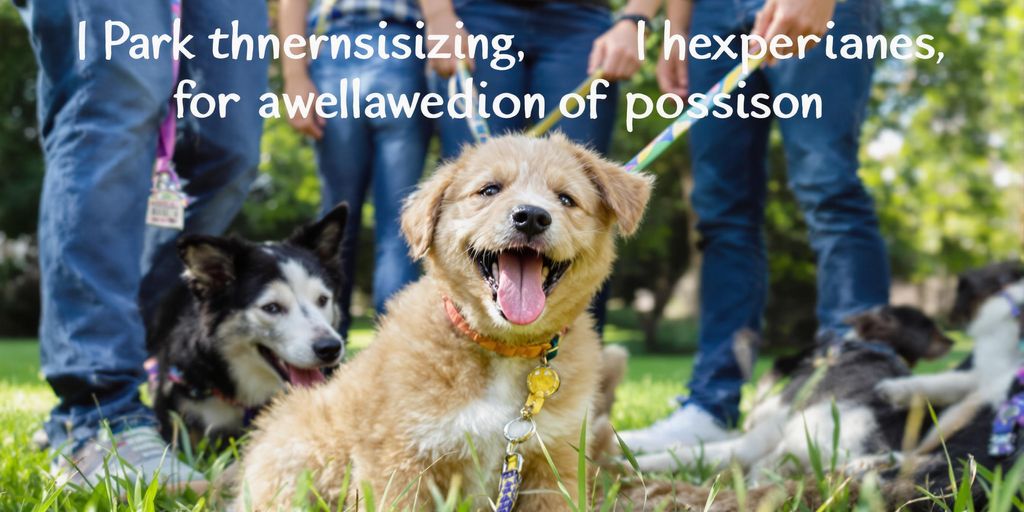
Socializing your puppy early is one of the most important things you can do to help them grow into a confident, friendly dog. Start by introducing your puppy to a variety of people—different ages, genders, and appearances. Aim for calm, positive interactions. For other pets, especially dogs, controlled introductions in neutral areas are key. Gradual exposure to well-behaved dogs in a calm environment, rather than chaotic dog parks, will help your puppy build positive associations. Monitor their body language to ensure they’re comfortable, and always end interactions on a good note.
Managing Fear and Anxiety During Socialization
Fear and anxiety can creep in when your puppy faces new situations, but how you handle it makes all the difference. Stay calm and avoid forcing your puppy into an overwhelming situation. Use treats or toys to create positive experiences and help them associate new things with rewards. If your puppy seems scared, back off and try again later. A little patience and consistency go a long way in building their confidence. Remember, it’s okay to take it slow—rushing socialization can backfire.
The Role of Puppy Classes in Social Development
Puppy classes are a fantastic way to jumpstart socialization. These structured environments provide a safe space for your puppy to meet other dogs and people while learning basic commands. Plus, trainers can guide you through any challenges that come up. Look for classes that emphasize positive reinforcement and cater to your puppy’s age and temperament. Group settings like these are ideal for teaching your puppy how to interact appropriately, which can prevent behavioral issues down the road. Think of it as a social boot camp for your furry friend!
Incorporating Play and Exercise into Training
Using Playtime to Reinforce Commands
Playtime isn’t just for fun—it’s a golden opportunity to sneak in some training. For example, while playing fetch, you can practice commands like “drop it” or “stay.” Dogs learn best when they’re engaged and having fun, so turning training into a game keeps their attention. Try mixing in commands during tug-of-war or hide-and-seek games to make learning feel natural.
Balancing Physical and Mental Stimulation
A tired dog is a happy dog, but it’s not just about wearing them out physically. Combine physical activities, like walks or agility exercises, with mental challenges like puzzle toys or scent games. This balance helps prevent boredom and keeps your dog sharp. Here’s a simple breakdown:
| Activity Type | Examples | Benefits |
|---|---|---|
| Physical Exercise | Fetch, running, agility | Releases energy, builds strength |
| Mental Stimulation | Puzzle toys, scent work | Sharpens focus, reduces anxiety |
| Combined Activities | Obstacle courses, trick work | Engages both body and mind |
Choosing the Right Toys for Training
Not all toys are created equal. Look for durable, interactive toys that match your dog’s size and chewing habits. Interactive toys, like treat-dispensing balls, can double as training tools, rewarding your dog for solving a challenge. Rotate toys regularly to keep things fresh and exciting. Some good options include:
- Rope toys for tug-of-war
- Balls for fetch
- Puzzle feeders for mental stimulation
Training doesn’t have to be serious all the time. When you incorporate play and exercise, it strengthens your bond and makes learning enjoyable for both you and your pup.
Advanced Training Techniques for Puppies
Transitioning to Off-Leash Training
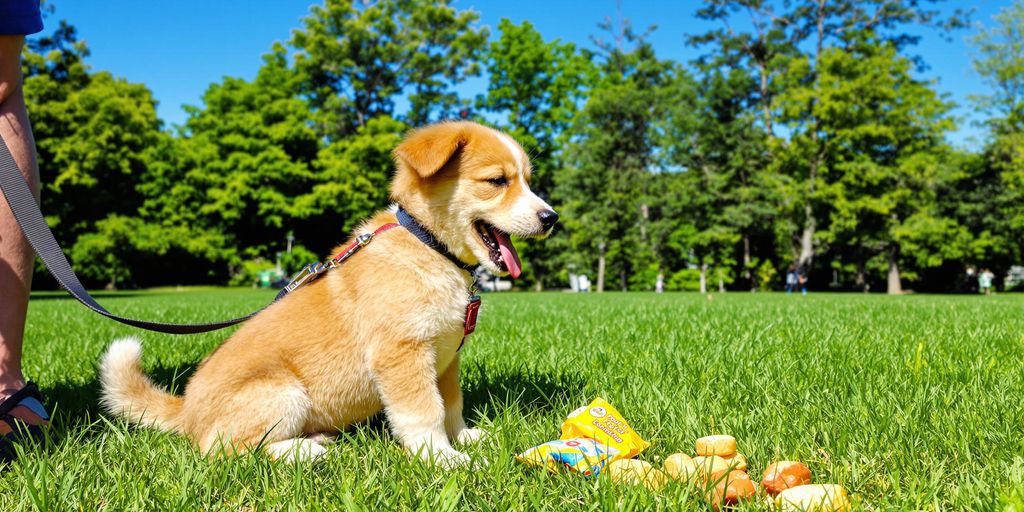
Teaching your puppy to be reliable off-leash takes time and a lot of patience. Start in a secure, enclosed area like a fenced yard or a quiet park. Practice recall commands like "come" using high-value treats or toys as rewards. Gradually increase the distance and distractions as your puppy becomes more confident. Never rush this process—safety should always come first. Once your pup consistently comes back to you, you can experiment in open spaces, but only if you’re absolutely sure they’ll respond.
Building Impulse Control and Focus
Impulse control is all about teaching your puppy to wait patiently instead of reacting immediately. Simple exercises like "wait" before meals or "leave it" when they see a tempting object can work wonders. Start with short sessions and reward them for staying calm. Over time, you can introduce more challenging scenarios, like staying seated while you open the door or ignoring other dogs during a walk. Impulse control not only improves behavior but also strengthens your pup’s focus on you.
Introducing Clicker Training for Precision
Clicker training is a fantastic way to teach your puppy advanced behaviors with precision. The idea is simple: you use a clicker to mark the exact moment your pup does something right, followed by a reward. For example, if you’re teaching "spin," click as soon as they start to turn. The clicker helps them understand exactly what action earned the reward. Keep sessions short and fun—most puppies respond quickly to the clear communication a clicker provides.
Troubleshooting Common Puppy Behavior Issues
Addressing Chewing and Destructive Habits
Chewing is one of the most frustrating habits for any dog owner, but it’s also a natural behavior for puppies. They chew to explore their world, soothe teething pain, or relieve boredom. To prevent your favorite shoes or furniture from becoming casualties, follow these steps:
- Provide Appropriate Chew Toys: Offer a variety of textures and sizes to keep your puppy engaged. Rotate toys regularly to maintain interest.
- Puppy-Proof Your Home: Remove items like shoes, cords, and other tempting objects from your puppy’s reach.
- Redirect and Reward: If you catch your puppy chewing something inappropriate, redirect them to a chew toy and praise them when they use it.
Consistency is key when teaching your puppy what is and isn’t acceptable to chew. Patience and repetition will help them build better habits.
Dealing with Excessive Barking
Puppies bark for many reasons—attention, boredom, fear, or excitement. While barking is normal, excessive barking can become a problem. Here’s how to manage it:
- Identify the Trigger: Observe what’s causing your puppy to bark. Is it a sound, a person, or another animal?
- Teach a "Quiet" Command: Use a calm tone and reward your puppy when they stop barking on cue.
- Avoid Reinforcing Barking: Don’t give your puppy attention (positive or negative) when they bark excessively. Wait for a quiet moment to engage with them.
Managing Separation Anxiety Effectively
Separation anxiety can manifest as whining, barking, or destructive behavior when you leave. Addressing this early can prevent long-term issues:
- Gradual Alone Time: Start by leaving your puppy alone for short periods and gradually increase the time.
- Create a Positive Association: Leave your puppy with a special treat or toy they only get when you’re away.
- Avoid Big Departures and Reunions: Keep your comings and goings low-key to reduce anxiety.
Puppies thrive on routine and reassurance. Building their confidence to be alone will make your time apart less stressful for both of you.
By addressing these common issues early, you’ll set the stage for a well-behaved and happy companion. Remember, training takes time and patience, but the results are worth it.
If your puppy is acting out, don’t worry! Many new pet owners face similar challenges. Common issues like barking, chewing, or jumping can be fixed with the right approach. Start by understanding your puppy’s needs and behaviors. Remember, patience and consistency are key. For more tips and expert advice on training your puppy, visit our website today!
Wrapping It Up
Training a puppy might feel like a big task, but it’s really about taking small, consistent steps every day. Remember, patience is your best friend here. Celebrate the little wins, whether it’s your pup finally sitting on command or making it through the night without an accident. Every dog learns at their own pace, so don’t stress if things take time. Stick with it, keep the sessions fun, and always end on a positive note. Before you know it, you’ll have a well-behaved companion who’s not just trained but also bonded with you in the best way possible. Happy training!
Frequently Asked Questions
When should I start training my puppy?
It’s best to start training your puppy as soon as you bring them home. Puppies are most receptive to learning between 8 and 16 weeks of age.
What is positive reinforcement, and why is it important?
Positive reinforcement means rewarding your puppy for good behavior, like giving them treats or praise. It helps puppies associate good actions with positive outcomes, making them more likely to repeat those behaviors.
How long should training sessions be?
Keep training sessions short and fun, around 5-10 minutes each. Puppies have short attention spans, so shorter sessions help keep them engaged.
How do I stop my puppy from chewing on furniture?
Provide your puppy with chew toys and redirect them whenever they start chewing on furniture. If they chew on the right item, reward them to reinforce good behavior.
What’s the best way to socialize my puppy?
Expose your puppy to different people, pets, and environments in a calm and controlled way. Puppy classes can also help with socialization.
Is crate training cruel?
No, crate training isn’t cruel if done correctly. A crate can become a safe and comfortable space for your puppy, especially when introduced gradually and positively.