
Getting your dog to be social isn’t just about making them friendly; it’s about helping them feel at ease in different situations. From meeting new people to hanging out at the park, a well-socialized dog is happier and more adaptable. But where do you start? Whether you’ve got a puppy or an older dog, there are steps you can take to make sure they’re getting the social skills they need. This guide will walk you through the basics of how to socialize a dog, with tips and tricks for every pet owner.
Key Takeaways
- Start socializing your dog early, ideally between 3 to 14 weeks, but it’s never too late.
- Use positive reinforcement to encourage good behavior during social interactions.
- Gradually introduce your dog to new environments, people, and other animals.
- Pay attention to your dog’s body language to understand their comfort level.
- Consistency is crucial; make socialization a regular part of your dog’s routine.
Understanding the Importance of Dog Socialization
Why Social Skills Matter for Dogs
Socializing your dog isn’t just about having them meet other dogs and people. It’s about teaching them how to behave in different situations, which is crucial for their well-being. Think of it as teaching a child how to interact with the world around them. A dog with good social skills is more likely to be confident and less anxious when faced with new experiences. This confidence helps them adapt and thrive in various environments, reducing fear and anxiety. Proper socialization can prevent potential behavior problems, ensuring that your dog can enjoy life without unnecessary stress.
Consequences of Poor Socialization
Dogs that miss out on proper socialization often struggle with stress and fear. They might find new situations overwhelming, leading to behavior issues like aggression or excessive shyness. Without these essential social skills, dogs can become reactive or develop other undesirable behaviors. This can make everyday activities, like walks or vet visits, stressful for both the dog and the owner.
Benefits of a Well-Socialized Dog
On the flip side, a well-socialized dog is a joy to be around. They’re usually more adaptable and less likely to react negatively to new people or environments. These dogs tend to have positive interactions with both humans and other dogs, making outings and social gatherings more enjoyable. Plus, their confidence often translates into a happier, more relaxed companion. A well-socialized dog is not only easier to handle but also enriches the lives of those around them.
When you invest time in socializing your dog, you’re not just teaching them how to behave; you’re setting the stage for a lifetime of positive experiences and relationships.
Starting Early: The Key to Successful Socialization
The Critical Socialization Window
When it comes to socializing your dog, timing is everything. The best period to start is when they’re just a pup, specifically from three to fourteen weeks old. During this time, puppies are more open to new experiences and less likely to be fearful. It’s like their brains are little sponges, ready to soak up the world around them. You don’t want to miss this golden opportunity to introduce them to various sights, sounds, and people. But don’t stress if your dog is older; it’s never too late to start socializing them. Just remember, the earlier you start, the better.
Gradual Exposure to New Experiences
Socialization isn’t about throwing your dog into every new situation all at once. It’s about taking it slow and letting them get used to new things at their own pace. Start with simple experiences, like meeting new people in a quiet setting or hearing different sounds from a safe distance. Gradually increase the complexity of these experiences as your dog becomes more comfortable. Think of it as building a foundation of confidence that will help them handle more challenging situations in the future.
Respecting Your Dog’s Comfort Zone
Every dog is different, and it’s important to respect their individual comfort zones. Some dogs might be naturally more outgoing, while others are a bit more reserved. Pay attention to your dog’s body language and be ready to back off if they seem overwhelmed. Respect their signals, and don’t push them too far too fast. Remember, successful socialization is about positive experiences, not forcing your dog into situations they’re not ready for. By respecting their limits, you’re building trust and helping them grow into confident, well-adjusted dogs.
Mastering Dog Communication and Etiquette
Interpreting Canine Body Language
Understanding how dogs communicate is like learning a new language. Dogs have their own ways of expressing themselves, using a mix of barks, growls, tail wags, and even subtle body movements. Recognizing these signs can help you understand when your dog is happy, anxious, or even scared. For instance, a wagging tail usually means they’re excited, but if it’s tucked between their legs, they might be scared or uncomfortable.
Teaching Proper Greetings
Dogs greet each other in ways that might seem odd to us humans. Sniffing is their version of a handshake. When introducing your dog to others, let them approach each other naturally. Don’t force interactions. If your dog seems hesitant or nervous, give them space to warm up. And remember, most dogs prefer not to be petted on the head, as it can feel threatening to them.
Understanding Dog Social Cues
Dogs have a set of social cues that guide their interactions. From play bows indicating a desire to play, to growls signaling discomfort or threat, these cues are essential for smooth canine interactions. It’s crucial to respect these signals and intervene if play gets too rough or if one dog seems stressed. By respecting these cues, you create a safe and enjoyable environment for all dogs involved.
Building a strong relationship with your dog involves understanding their unique communication style. By paying attention to their signals, you can ensure that your dog feels understood and respected, leading to a happier and more confident companion.
Effective Techniques for Socializing Your Dog
Positive Reinforcement Strategies
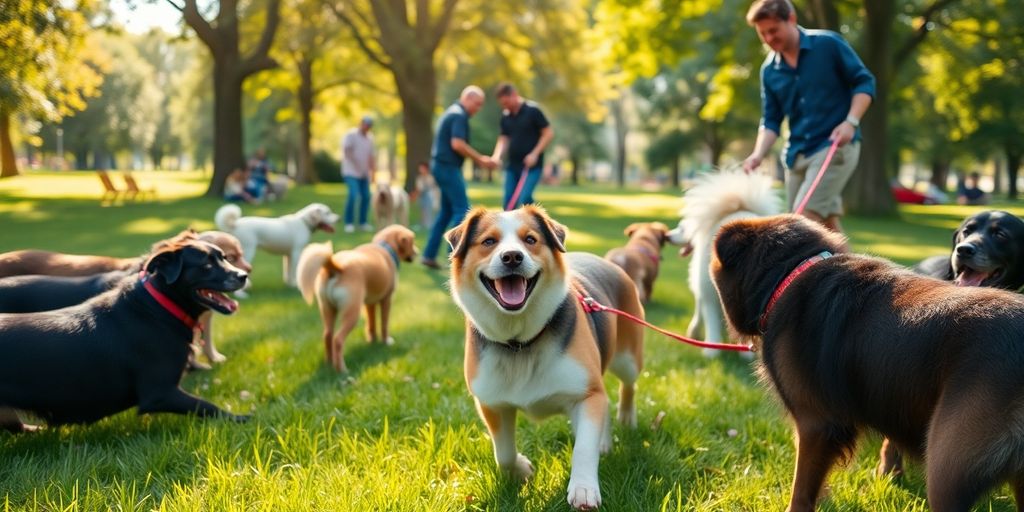
Using positive reinforcement is a fantastic way to teach your dog social skills. When your dog behaves well around other dogs or people, reward them with treats, toys, or praise. This encourages them to repeat those good behaviors. Positive reinforcement works better than punishment. It tells your dog what they did right, rather than focusing on what they did wrong. Over time, they’ll associate social interactions with positive outcomes.
Controlled Social Interactions
Ensure your dog’s social experiences are controlled and safe. Start with calm environments and gradually introduce more complex situations. This way, your dog won’t feel overwhelmed. Controlled interactions help your dog learn at their own pace, allowing them to build confidence. Always keep an eye on their body language, and step in if they seem stressed or uncomfortable.
Monitoring Play Sessions
It’s important to keep an eye on your dog during playtime. Watch for signs of stress or aggression, and be ready to intervene if needed. Play sessions should be fun, but it’s your job to make sure they don’t get out of hand. Regular monitoring helps prevent negative experiences that could hinder your dog’s social progress. Think of it like supervising kids at a playground—you’re there to ensure everyone’s safe and having fun.
Socializing your dog is a journey, not a destination. Every interaction is a chance to learn and grow, for both you and your furry friend.
Overcoming Common Socialization Challenges
Addressing Fear and Anxiety
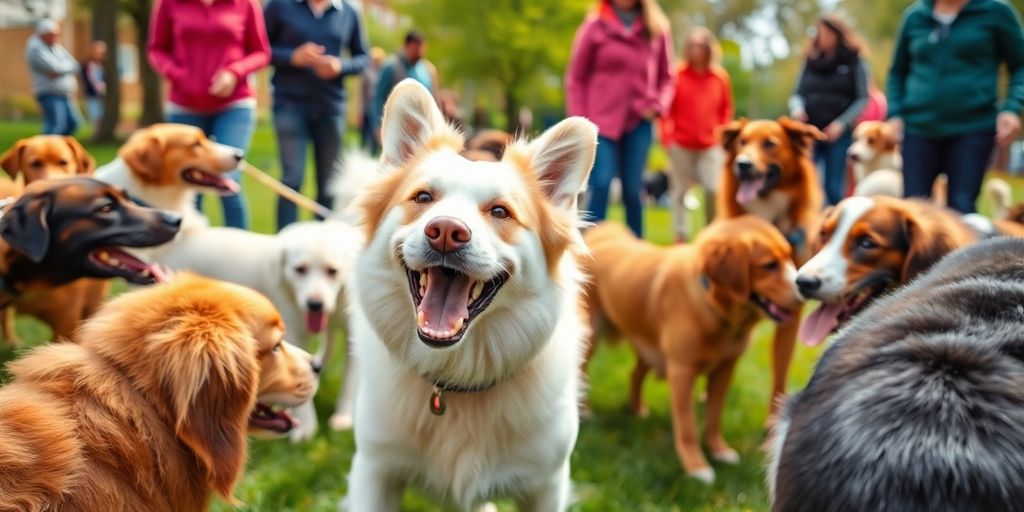
Some dogs are just naturally more anxious than others. If your pup seems scared of new things, it might be a sign of poor socialization. The key is to take it slow. Start with familiar environments and gradually introduce them to new sights and sounds. Here’s a quick list to help ease their anxiety:
- Begin with short, positive experiences.
- Use treats and praise to create positive associations.
- Gradually increase exposure time as your dog becomes more comfortable.
Dealing with Reactivity
Reactivity is often mistaken for aggression, but it’s usually just a sign of stress or fear. It’s important to understand what triggers your dog. Once you know the triggers, you can work on desensitizing them. Try these steps:
- Identify the trigger (e.g., other dogs, loud noises).
- Keep a safe distance from the trigger initially.
- Reward calm behavior and gradually decrease the distance.
For more in-depth guidance, consider the "Ask the Trainer" feature on TeachDog.com, which provides effective strategies for managing reactivity.
Handling Unvaccinated Puppies
Socializing unvaccinated puppies can be tricky. You want them to experience the world but without the risk of exposure to diseases. Here’s how you can manage this:
- Engage at home: Use household items to build their confidence.
- Safe outdoor exposure: Choose low-risk areas where they can observe without direct contact with other dogs.
- Arrange playdates with vaccinated dogs in a controlled environment.
Remember, socialization is a journey, not a race. Take your time, and let your dog set the pace. With patience and consistency, you’ll help your dog become a confident and well-mannered companion.
The Role of Training in Dog Socialization
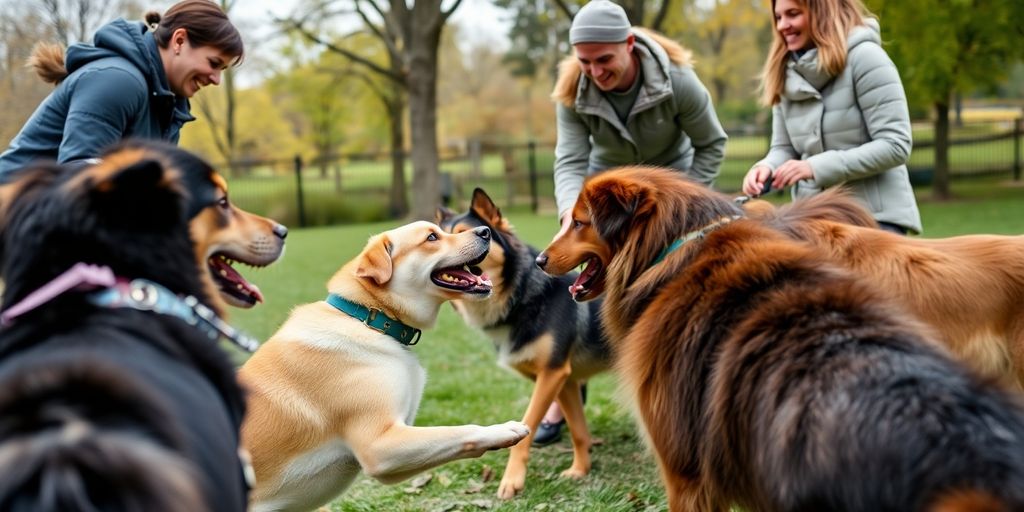
Training plays a significant part in helping your dog become a social butterfly. It’s not just about teaching commands but also about building confidence and good manners. Let’s break it down.
Incorporating Training into Socialization
Training and socialization go hand in hand. When you teach your dog basic commands like "sit," "stay," or "come," you’re not just giving them skills. You’re giving them a toolbox to handle different social situations. Imagine taking your dog to a park with lots of distractions. If they know how to focus on you and follow your commands, they’re less likely to get overwhelmed or act out.
The Importance of Consistency
Consistency is the backbone of successful training. Dogs thrive on routine. When you consistently apply training techniques, your dog learns what to expect and how to behave. Whether it’s a daily walk or a weekend trip to the dog park, sticking to a routine helps your dog feel secure and confident.
Professional Training Resources
Sometimes, we all need a little help. Professional trainers can offer guidance, especially if your dog has specific issues like fear or aggression. They provide structured environments where your dog can learn and practice social skills in a controlled setting. Plus, they can tailor training methods to fit your dog’s unique needs, making the process smoother and more effective.
Training is not just about obedience; it’s about understanding your dog and helping them navigate the world with ease. With the right approach, you can turn every interaction into a learning opportunity, strengthening your bond along the way.
Creating a Socialization Plan for Your Dog
Setting Goals for Social Interactions
Before you dive into socializing your dog, think about what you want to achieve. Maybe it’s getting them used to big dogs or teaching them to stay calm at the park. Setting clear goals helps guide your dog’s social journey, making each outing purposeful.
Choosing the Right Environments
Picking the right places for socializing is key. Start with quiet spots and gradually move to busier areas as your dog gets more confident. This way, they can learn to handle different settings without feeling overwhelmed.
Tracking Progress and Adjustments
Keep an eye on how your dog is doing. Make notes of their reactions and any improvements. If something’s not working, don’t be afraid to tweak your plan. Socialization is a journey, and sometimes you need to change course to keep moving forward.
Remember, socialization isn’t just about meeting other dogs. It’s about helping your dog feel comfortable and confident in various situations. It’s a continuous process that builds their skills and strengthens your bond.
Creating a socialization plan for your dog is essential for their happiness and well-being. Start by introducing your dog to different environments, people, and other animals gradually. This helps them feel comfortable and confident in various situations. Remember, the goal is to make these experiences positive, so use treats and praise to reward good behavior. For more tips and resources on dog training, visit our website and discover how to help your furry friend thrive!
Wrapping It Up: Your Journey to a Socialized Dog
So, there you have it. Socializing your dog isn’t just a one-time thing; it’s a journey. It’s about understanding them, respecting their pace, and giving them the tools to be the best furry friend they can be. Remember, every dog is different, and what works for one might not work for another. Keep it fun, keep it positive, and most importantly, keep it consistent. With patience and love, you’ll help your dog navigate the world with confidence and joy. Happy socializing!
Frequently Asked Questions
What is dog socialization?
Dog socialization is about letting your dog experience different places, people, and things. It helps them stay calm and friendly in new situations.
Why is socializing my dog important?
Socializing your dog helps them become confident and reduces fear or aggression. It teaches them how to behave nicely with other dogs and people.
When should I start socializing my puppy?
The best time to start is when your puppy is between 3 to 14 weeks old. But don’t worry, you can still socialize older dogs too.
How can I tell if my dog is poorly socialized?
A dog that is not well-socialized might be scared of new things or act aggressively. They may also have trouble staying calm in busy places.
Can I socialize my unvaccinated puppy?
Yes, but be careful. You can let them explore safe places at home or take them to low-risk areas where they won’t meet other dogs directly.
What are some tips for successful dog socialization?
Start slow and let your dog set the pace. Use treats and praise to reward good behavior, and keep an eye on how they react to new experiences.