
Training your dog to stop chewing everything in sight can feel like an uphill battle. But guess what? You’re not alone in this. Many dog owners have been there, dealing with chewed-up shoes, furniture, and who knows what else. The good news is, with some patience and the right approach, you can teach your furry friend to chew on things that are actually meant for chewing. Let’s dive into some expert tips and tricks to help you out.
Key Takeaways
- Understanding why dogs chew is the first step to addressing the problem.
- Positive reinforcement can guide your dog towards better chewing habits.
- Crate training offers a safe space for your dog and helps manage chewing.
- Teaching commands like “Leave It” and “Drop It” can prevent unwanted chewing.
- Providing exercise and mental stimulation reduces the urge to chew.
Understanding the Root Causes of Chewing
Why Puppies Chew
Puppies are like little explorers, using their mouths to learn about their world. Chewing helps them relieve the discomfort of teething, which usually happens between three and six months of age. During this time, their baby teeth fall out, and adult teeth come in, causing some gum pain. Providing chew toys can soothe their gums and encourage them to chew on appropriate items. Puppies also chew to cope with boredom and anxiety, so it’s important to keep them engaged and comforted.
Why Adult Dogs Chew
Adult dogs may chew for different reasons than puppies. Some continue chewing due to habits formed when they were young, while others might chew because they are bored or anxious. Insufficient physical and mental exercise can lead to destructive chewing. Older dogs may also chew due to medical issues or unmet nutritional needs. Understanding these triggers is key to addressing the problem effectively.
Identifying Triggers for Chewing
Identifying what triggers your dog’s chewing can help you manage it better. Common triggers include:
- Boredom: Dogs left without enough stimulation may chew to entertain themselves.
- Anxiety: Changes in the environment or being left alone can cause stress-related chewing.
- Hunger: Dogs on calorie-restricted diets might chew to find extra nutrition.
Recognizing these triggers allows for targeted strategies to prevent destructive chewing, making life easier for both you and your furry friend. Addressing the root cause is the first step towards a harmonious home.
Implementing Positive Reinforcement Techniques
Rewarding Appropriate Chewing
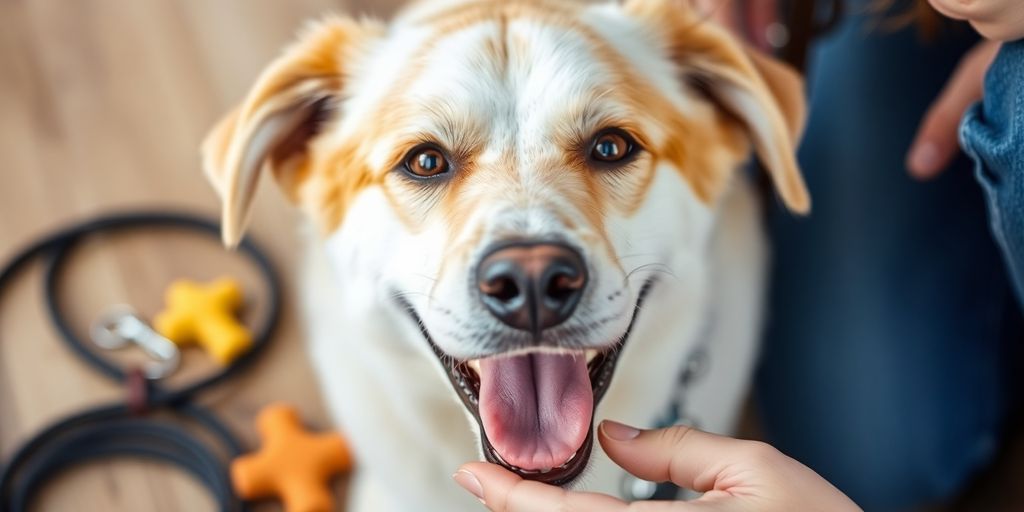
Positive reinforcement is all about encouraging your dog’s good behavior by rewarding it. When your dog chooses to chew on a designated toy instead of your shoes or furniture, give them a treat or praise them. This helps them understand what they should chew on. It’s not only about treats; sometimes a good belly rub or a cheerful "good dog!" does the trick. The key is to be consistent and immediate with your rewards.
Redirecting Inappropriate Chewing
Catching your dog in the act of chewing something they shouldn’t? Gently redirect their attention to a more suitable object, like a chew toy. Once they start chewing on the right item, reward them. This teaches them what’s okay to chew and what’s not. Over time, they’ll learn to make the right choices on their own.
Consistency in Training
Consistency is your best friend when it comes to training your dog. If you reward them for good behavior sometimes but not others, they’ll get confused. Make sure everyone in your household is on the same page with training techniques. Daily practice is crucial; it reinforces what they’ve learned and helps them remember. Training isn’t just a one-time session; it’s an ongoing process that requires patience and persistence.
Training a puppy involves building a bond through positive reinforcement rather than just obedience. Choosing the right rewards, whether treats, toys, or praise, is crucial, as is timing the rewards to reinforce good behavior immediately. Avoid negative reinforcement, which can create confusion and fear; instead, redirect bad behavior and reward the good. The focus should be on progress, not perfection, to enhance the training experience and strengthen the relationship between the owner and the puppy. Learn more about positive reinforcement.
Utilizing Crate Training Effectively

Benefits of Crate Training
Crate training can be a game-changer for managing your dog’s chewing habits. It gives your pup a safe space and helps set boundaries when you can’t keep an eye on them. A crate can prevent your dog from getting into trouble when you’re not around. Plus, it’s a handy tool for travel or when you have guests over. A crate can help your dog feel at ease and reduce anxiety, which might lead to less chewing on things they shouldn’t.
How to Crate Train Your Dog
Crate training isn’t just about tossing your dog inside and shutting the door. It’s a gradual process. Here’s a simple way to get started:
- Leave the crate door open and sprinkle some treats inside to make it inviting.
- Encourage your dog to explore the crate and reward them with treats when they do.
- Once they’re comfortable, offer a chew toy filled with their favorite snack. Close the door for short periods while they’re occupied.
- Gradually increase the time they spend in the crate, rewarding them for being calm.
For more detailed steps, check out this guide on crate training a puppy.
Alternatives to Crate Training
Crates aren’t for everyone, and that’s okay. If your dog isn’t a fan, there are other ways to manage their space. You could try:
- Using an exercise pen to give them some freedom while still keeping them contained.
- Tethering them to you with a leash so they’re always in sight.
- Setting up a safe room where they can roam without getting into mischief.
Remember, the goal is to provide a secure environment while teaching them what they can and can’t chew. Consistency is key, whether you’re using a crate or another method.
Teaching Essential Commands to Prevent Chewing
The "Leave It" Command
Teaching your dog the "Leave It" command can be a game-changer when it comes to preventing them from chewing on things they shouldn’t. Start with a treat in each hand. Show your dog one treat and say "Leave it." If they ignore the treat, reward them with the other treat. Consistency is key here, so practice this regularly. Over time, your dog will learn to associate the command with ignoring the object.
The "Drop It" Command
The "Drop It" command is all about getting your dog to release whatever’s in their mouth. Grab a favorite toy and engage your dog in play. When they have the toy in their mouth, say "Drop it" and show them a treat. As soon as they release the toy, give them the treat and praise them. Repeat this with various items. Soon enough, your dog will understand the importance of dropping items on cue.
The "Out" Command
"Out" is another handy command, especially if your dog has a habit of picking up things they shouldn’t. To teach "Out," start by using a toy your dog likes. When they have it, say "Out" and offer them a treat. As they drop the toy to take the treat, offer praise. This command helps in situations where your dog might grab something dangerous or valuable.
Teaching these commands isn’t just about stopping chewing—it’s about creating a better understanding and communication between you and your dog. Remember, patience and practice are your best friends in this training journey.
A simple list of steps to follow for each command:
- Use treats and toys your dog loves.
- Practice in a quiet environment without distractions.
- Be patient and consistent with your commands.
- Reward immediately upon successful action.
- Gradually increase difficulty by introducing distractions.
Providing Adequate Exercise and Mental Stimulation
Daily Physical Activities
Keeping your dog physically active is essential to preventing destructive chewing. Dogs need regular exercise to burn off excess energy. This can be achieved through daily walks, runs, or even play sessions in the backyard. Try to mix up the routine to keep things interesting for your furry friend. For example, you could take them on a hike or let them play fetch in the park. Regular physical activity helps to curb boredom, which is often a trigger for chewing.
Mental Challenges and Puzzle Toys
Physical exercise alone isn’t enough; dogs also need mental stimulation. Interactive and puzzle toys are excellent for engaging your dog’s mind. These toys challenge your dog to think and solve problems, keeping them occupied and away from your shoes or furniture. Look for toys that dispense treats or require some problem-solving skills. Interactive play not only keeps your dog busy but also strengthens your bond with them.
Balancing Exercise and Rest
While exercise is crucial, it’s equally important to balance it with rest. Over-exercising can lead to fatigue and stress, which might also result in unwanted chewing. Make sure your dog has a comfortable space to relax and unwind after playtime. Providing a cozy bed or a quiet corner can help them recharge. Remember, a well-rested dog is a happy dog, and a happy dog is less likely to chew on things they shouldn’t.
Dogs thrive on a combination of physical and mental exercises. By providing these, you’re not just preventing destructive behavior, but also contributing to your dog’s overall well-being.
Using Deterrents and Safe Chew Toys
Choosing the Right Chew Toys
Picking the right chew toys for your dog can make a big difference. Not all toys are created equal, so it’s important to consider your dog’s size, chewing strength, and preferences. Durable rubber toys and those made from natural materials are often great choices. They not only satisfy your dog’s natural urge to chew but also help in keeping their teeth clean and strong. Regularly rotating these toys can keep your dog interested and prevent boredom.
Homemade Deterrent Sprays
If you’re dealing with a dog that loves to chew on furniture or shoes, homemade deterrent sprays can be a lifesaver. These sprays are usually made from safe, non-toxic ingredients like vinegar or citrus, which dogs find unpleasant. Spray them on objects you want your dog to avoid. It’s a simple, effective way to steer your pet away from things they shouldn’t be chewing.
Commercial Deterrent Options
For a more convenient solution, there are plenty of commercial deterrent sprays available. These products are specifically designed to taste bad to dogs, discouraging them from chewing on sprayed items. They can be a handy addition to your training toolkit, helping to redirect your dog’s chewing habits to more suitable alternatives like their toys. Remember, using deterrents should always be combined with positive reinforcement to teach your dog what they can chew on.
Providing your dog with the right chew toys and using deterrents wisely can help you manage their chewing habits effectively. It’s all about finding the right balance and understanding your dog’s needs.
Addressing Anxiety and Medical Issues
Recognizing Signs of Anxiety
Dogs, just like people, can feel anxious. It might be because of separation from their humans or changes in their environment. Symptoms of anxiety in dogs can include drooling, shaking, and excessive barking. If your dog shows signs of anxiety, it might be time to seek professional help. Sometimes, what seems like a simple behavioral issue could be anxiety in disguise.
Consulting a Veterinarian
If your dog suddenly starts chewing more than usual, it might be a good idea to check in with your vet. There could be underlying medical issues causing this behavior. For instance, pica in dogs can arise from medical issues, such as nutrient deficiencies, or behavioral problems like anxiety and boredom. A vet can help determine if there’s a physical reason behind your pup’s chewing habits.
Behavioral Modification Techniques
Sometimes, a little behavioral adjustment can go a long way. Working with an animal behaviorist can be beneficial in addressing deeper issues. They can help identify triggers and suggest strategies to modify your dog’s behavior. Here’s a quick list of potential techniques:
- Positive Reinforcement: Reward your dog for calm behavior.
- Desensitization: Gradually expose your dog to anxiety triggers in a controlled way.
- Counterconditioning: Change your dog’s emotional response to a trigger by pairing it with something positive.
Addressing anxiety and medical issues is key in helping your dog learn not to chew on things they shouldn’t. It’s not just about stopping the behavior but understanding why it happens in the first place.
Dealing with anxiety and health problems can be tough, but you don’t have to face it alone. It’s important to find the right support and resources to help you through these challenges. If you’re looking for guidance and tips, visit our website for more information and support. Together, we can work towards a healthier, happier you!
Wrapping It Up: Keeping Your Dog’s Chewing in Check
So, there you have it. Training your dog to stop chewing everything in sight isn’t a walk in the park, but it’s totally doable with some patience and the right approach. Remember, it’s all about guiding your pup to understand what’s okay to chew and what’s not. Keep them busy with their own toys, and don’t forget to reward them when they make the right choice. If you’re consistent and keep at it, you’ll see progress. And hey, if things get tough, don’t hesitate to reach out to a pro for some extra help. Your dog will thank you, and your shoes will too!
Frequently Asked Questions
How can I keep my dog from chewing when I’m not home?
To prevent your dog from chewing when you’re away, provide them with engaging chew toys and consider crate training for added safety.
What are some ways to stop a dog from chewing everything in sight?
Teach your dog proper chewing habits by supervising them, using training commands, and providing appropriate chew toys.
How do I prevent my dog from chewing on wooden furniture?
Use deterrent sprays on wooden surfaces and offer suitable chew toys to redirect their chewing behavior.
What should I do if my dog chews their paws?
If your dog chews their paws, it might be due to allergies or anxiety. Consult a vet to rule out medical issues and consider behavioral training.
Why is my puppy chewing so much, and how can I stop it?
Puppies chew a lot because they are teething and exploring. Offer them plenty of chew toys and gently redirect them if they chew on inappropriate items.
Can anxiety cause my dog to chew, and how can I help?
Yes, anxiety can lead to chewing. Address this by providing a calming environment, using behavior modification techniques, and seeking professional help if needed.