
Dealing with a dog that has separation anxiety can be really tough. It’s not just hard on them but on you too. Every time you leave the house, it’s like a mini heartache seeing them so upset. But don’t worry, there are ways to help your furry friend feel more at ease when you’re not around. This guide will walk you through some straightforward strategies to help your dog cope better with being alone.
Key Takeaways
- Understand your dog’s separation anxiety signs and triggers.
- Create a secure and comforting space for your dog.
- Use desensitization techniques to ease anxiety.
- Incorporate positive reinforcement to encourage calm behavior.
- Consider professional help if anxiety persists.
Understanding Separation Anxiety in Dogs
Signs and Symptoms of Separation Anxiety
Separation anxiety in dogs is like a storm brewing inside them when they realize you’re about to leave. Dogs suffering from separation anxiety often exhibit destructive behaviors and excessive barking when left alone. You’ll notice them getting all jittery, maybe even whining or pacing. Some might chew on furniture or scratch doors. Others might have accidents indoors, even if they’re usually well-trained. It’s like they can’t help themselves.
Here’s a quick rundown of what to watch for:
- Excessive barking or howling, often from the moment you leave until you return.
- Chewing, digging, or other destructive behaviors.
- Having accidents indoors despite being housebroken.
- Attempts to escape, like digging or chewing through doors or windows.
Causes of Separation Anxiety
The reasons behind separation anxiety can be as varied as the dogs themselves. Sometimes it’s a change in routine, like a new job or moving to a new home. Other times, it could be a traumatic event like losing a family member or changing owners. Some breeds are just more prone to it, like Labrador Retrievers or German Shepherds.
Here’s a list of common causes:
- Change in routine or environment.
- Loss of a family member or pet.
- Change in ownership or being surrendered to a shelter.
- Breeds predisposed to anxiety, such as French Bulldogs and Dachshunds.
Impact on Dogs and Owners
Living with a dog that has separation anxiety isn’t just tough on the dog; it’s hard on you too. You might feel guilty leaving them, worried about what you’ll come home to. And let’s be honest, it can be exhausting trying to manage their anxiety.
"It’s like a never-ending cycle of stress for both of you. But with patience and the right approach, you can help your furry friend feel more secure when you’re not around."
Managing this condition requires a lot of understanding and patience. But remember, addressing it effectively can lead to a happier life for both you and your dog. For more insights on managing these behaviors, check out how to alleviate anxiety in dogs.
Creating a Safe Environment for Your Dog
Setting Up a Comfortable Space
Making sure your dog has a cozy spot to hang out in while you’re gone is super important. You know, a place where they can just chill and feel at ease. Think of it like their own little sanctuary. Crates can be a great tool, but they shouldn’t feel like a punishment. It’s more like a safe haven, just like a crib is for a baby. Set up a specific area in your house where your dog can feel secure and relaxed. You want it to be inviting but not overly exciting, so they associate it with calmness.
Here’s a simple list to get started:
- Choose a quiet corner of your home.
- Add a comfy bed or blanket.
- Include a few of their favorite toys.
- Make sure there’s fresh water available.
Using Calming Aids and Tools
Sometimes, dogs need a little extra help to relax, especially if they get anxious when you leave. There are various calming aids you can try, like pheromone diffusers or calming collars. These can help soothe your dog by mimicking natural comforting scents. Additionally, playing soft music or white noise can also create a peaceful atmosphere.
Here’s a quick rundown of some calming aids:
- Pheromone diffusers
- Calming collars
- Soft music or white noise
Remember, these tools aren’t magic. They’re just part of the bigger picture in helping your dog feel more at ease.
Establishing a Routine
Dogs thrive on routine, and having a consistent schedule can make a world of difference. Feeding, walking, and alone time should happen around the same time each day. This predictability helps your dog feel secure and less anxious. But life happens, right? Sometimes you have to break the routine, and that’s okay. Start with small changes, like feeding them a bit earlier or later, to help them adjust.
To keep things consistent:
- Set regular feeding times.
- Schedule daily walks.
- Plan alone time.
By setting up a comfortable space, using calming aids, and keeping a routine, you’re creating a safe haven for your furry friend. This way, they can feel more at ease, even when you’re not around. And remember, training dogs to remain calm involves understanding their triggers and creating a peaceful environment. It’s all about patience and consistency.
Implementing Desensitization Techniques
Gradual Departure Exercises
Getting your dog used to being alone starts with small steps. Begin with short absences that don’t trigger anxiety, gradually increasing the time you’re away. A simple routine might be:
- Walk to the door and return.
- Walk to the door, touch the handle, and return.
- Open the door, step outside, and then close it again.
Vary these actions to keep your dog guessing and prevent them from predicting your departure. Consistency is key in these exercises, helping your dog adjust without stress.
Using Pre-Departure Cues
Pre-departure cues (PDQs) are everyday actions that signal you’re about to leave, like picking up your keys. These cues should be introduced gradually. Start by performing these actions without actually leaving, so your dog learns not to associate them with your absence. Over time, your dog will stay calm even when these cues occur.
Monitoring Progress and Adjustments
Keep an eye on how your dog reacts to each step. If you notice signs of anxiety, scale back and proceed more slowly. It’s important to stay below your dog’s anxiety threshold to avoid setbacks. Consider consulting a professional if you’re unsure about your dog’s reactions. They can offer tailored guidance and training strategies to help manage your dog’s anxiety effectively.
"Remember, every dog is unique, and what works for one might not work for another. Patience and observation are your best tools in this journey."
Incorporating Positive Reinforcement
Rewarding Calm Behavior
Training your dog to handle separation anxiety often involves rewarding them for calm behavior. When your dog stays relaxed while you’re out of sight, give them a treat or a gentle pat. This helps them associate being calm with something positive. Consistency is key here; make sure to reward them every time they behave well in your absence.
Using Interactive Toys and Puzzles
Interactive toys and puzzles are great tools to keep your dog engaged and mentally stimulated. These toys can distract them from the stress of being alone and make their time apart from you more enjoyable. You might try toys that dispense treats when solved, offering both a challenge and a reward.
Avoiding Punishment
Punishing your dog for anxious behavior can actually make things worse. Instead of learning not to be anxious, they might just learn to hide their anxiety. Focus on positive methods, rewarding good behavior rather than punishing bad. This approach helps build trust and a stronger bond between you and your dog.
Positive reinforcement not only helps in training but also strengthens the bond between you and your dog, making them feel more secure and loved.
Seeking Professional Help
When to Consult a Behaviorist
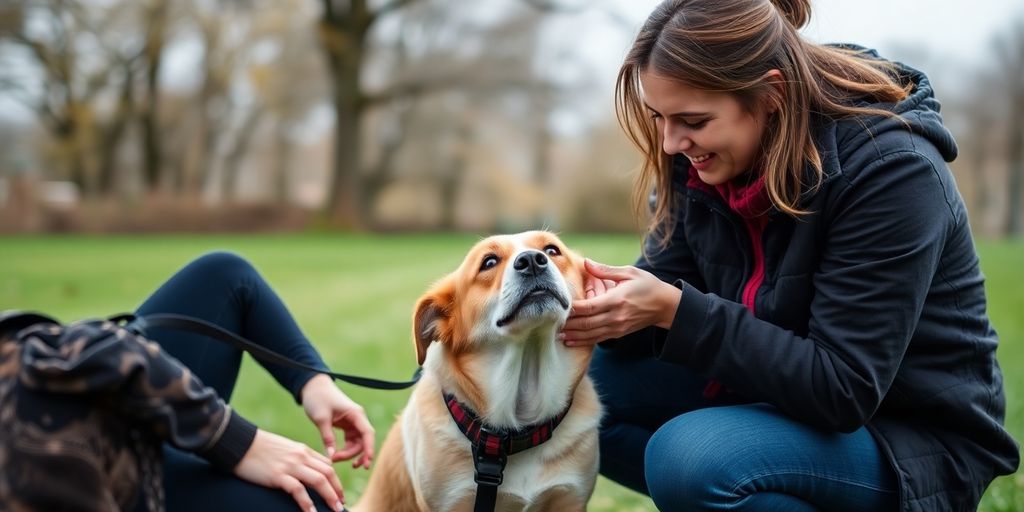
If your dog is really struggling with separation anxiety, it might be time to bring in the pros. A certified animal behaviorist can help you figure out what’s going on and put together a plan that works for both you and your furry friend. Bringing in a professional is especially important if your dog’s anxiety is severe or if you’ve tried other strategies without much success. They can help identify triggers and suggest specific training techniques that are more likely to work.
Choosing the Right Trainer
Finding the right trainer can feel like a big task, but it’s crucial. Look for someone who has experience with separation anxiety and uses positive reinforcement methods. You’ll want a trainer who understands your dog’s unique needs and can tailor their approach accordingly. Don’t be afraid to ask about their qualifications and experience. A good trainer will be happy to share their background and success stories.
Understanding Treatment Options
There are a variety of treatment options available, ranging from training and behavior modification to medication in some cases. A professional can guide you through these options and help you decide what’s best for your dog. They might suggest a combination of techniques to tackle the anxiety from different angles. Remember, every dog is different, so what works for one might not work for another. Be open to trying different approaches until you find the right fit.
Utilizing Support Systems
Engaging Family and Friends
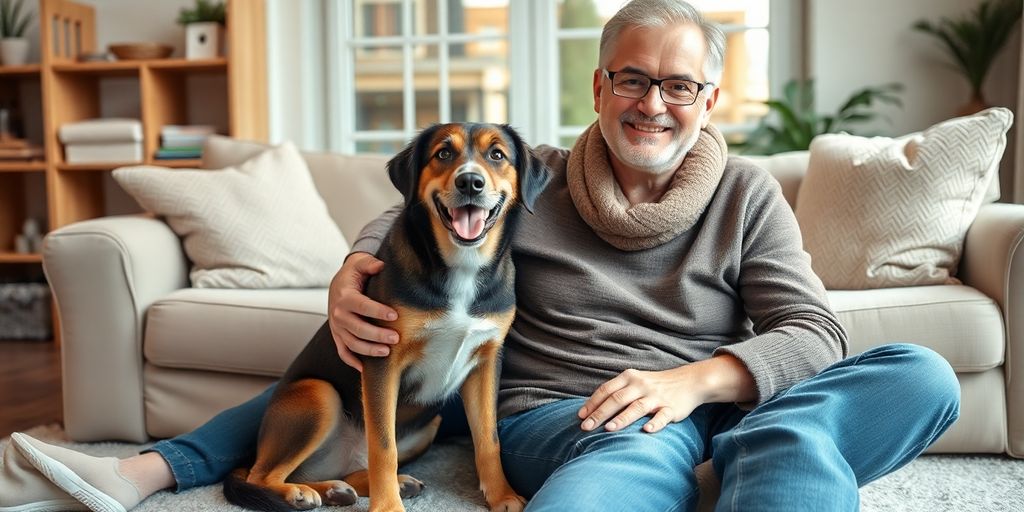
When dealing with a dog that has separation anxiety, sometimes the best support comes from those closest to you. Family and friends can be a huge help. Involve them in your dog’s routine to make your furry friend feel more comfortable. They can help by spending time with your dog when you’re away, ensuring your pet isn’t alone for too long. You can even create a schedule where different people take turns checking in on your dog.
Exploring Dog Daycare Options
Dog daycare can be a lifesaver for both you and your anxious pet. These facilities provide a structured environment where dogs can play and socialize. Make sure to choose a daycare that understands separation anxiety and has trained staff who can cater to your dog’s specific needs. Observe how the staff interacts with the dogs and check if they offer trial days to see how your dog adjusts.
Considering Pet Sitters
Hiring a pet sitter is another great option. Pet sitters can offer personalized care and attention, which is ideal for dogs with separation anxiety. When choosing a sitter, look for someone experienced with anxious dogs. Conduct interviews and ask for references to ensure they’re a good fit. It’s also a good idea to have the sitter meet your dog beforehand to see how they get along.
Support from those around you can make a world of difference for a dog struggling with separation anxiety. Whether it’s family, friends, or professional services, having a network can ease the stress for both you and your pet.
Evaluating Medical Interventions
Role of Medication in Treatment
Sometimes, dogs with separation anxiety might need a little extra help. That’s where medication can come into play. These aren’t magic pills that solve everything, but they can make a big difference. Medications can help reduce anxiety levels, making it easier for your dog to handle being alone and for you to work on behavior modification techniques. It’s crucial to use medication as part of a broader treatment plan, not as a standalone solution.
Here’s a quick list of things to consider when thinking about medication:
- Always consult with a vet before starting any medication.
- Understand that results can vary from dog to dog.
- Monitor your dog for any side effects.
Consulting with a Veterinarian
Before jumping into the world of meds, it’s a good idea to have a chat with your vet. They can help figure out if medication is right for your dog and, if so, which one. Vets can also keep an eye on your dog’s progress and make adjustments as needed. Don’t forget to ask about potential side effects and how to spot them early.
"Your vet is your best ally when it comes to managing your dog’s separation anxiety. They can offer guidance on everything from behavior training to medical options."
Understanding Potential Side Effects
No medication is without its downsides, and it’s important to be aware of what could happen. Side effects might include drowsiness, changes in appetite, or even more serious reactions. Keeping an eye on your dog and staying in touch with your vet will help catch any issues early. If something seems off, don’t hesitate to reach out to your vet.
Remember, treating separation anxiety is a team effort, and medication is just one piece of the puzzle. For more insights and strategies, consider exploring resources with Certified Separation Anxiety Trainers.
When it comes to assessing medical treatments, it’s important to look closely at how well they work. You should think about the benefits and risks involved. This helps you make smart choices about your health. If you want to learn more about how to evaluate medical options, visit our website for helpful tips and resources!
Wrapping It Up
So, there you have it. Tackling separation anxiety in dogs isn’t a walk in the park, but with some patience and the right approach, you can make a world of difference for your furry friend. Remember, it’s all about taking baby steps and celebrating the small wins. Don’t rush it, and definitely don’t beat yourself up if things don’t go perfectly. Your dog is counting on you to be their rock, so keep at it. And hey, if you ever feel stuck, don’t hesitate to reach out to a pro for some extra help. You’re not alone in this, and with time, your pup will learn to feel safe and sound, even when you’re not around. Keep your chin up and keep going!
Frequently Asked Questions
What is separation anxiety in dogs?
Separation anxiety in dogs is when they get really upset and worried when left alone. They might bark a lot, chew things up, or even hurt themselves because they miss their owner so much.
How can I tell if my dog has separation anxiety?
If your dog acts out by barking, destroying things, or having accidents when you’re not home, they might have separation anxiety. Other signs include pacing, drooling, or trying to escape.
What are some ways to help a dog with separation anxiety?
You can help your dog by creating a safe space for them, using calming tools, and gradually getting them used to being alone. Giving them toys to play with can also keep them busy.
When should I seek professional help for my dog’s separation anxiety?
If your dog’s anxiety is severe or not getting better with basic training, it might be time to talk to a dog behavior expert. They can offer more personalized advice and strategies.
Can medication help with my dog’s separation anxiety?
Sometimes, medicine can help dogs with really bad separation anxiety. It’s important to talk to a vet to see if it’s the right choice for your pet.
Are there other support options besides training for separation anxiety?
Yes, you can ask friends or family to help, try dog daycare, or hire a pet sitter to keep your dog company when you’re away.