
Got a dog that’s turning your yard into their personal excavation site? You’re not alone. Digging is a common issue for dog owners, and while it can be frustrating, it’s not impossible to manage. The key is understanding why your dog digs and finding ways to redirect that behavior. Whether it’s boredom, anxiety, or just instinct, there are practical steps you can take to stop your dog from digging and keep your yard intact.
Key Takeaways
- Understand why dogs dig—it could be boredom, anxiety, or instinct.
- Create a yard setup that discourages digging but still keeps your dog happy.
- Train your dog with positive reinforcement to redirect digging habits.
- Address emotional or behavioral issues like stress or lack of mental stimulation.
- Use safe deterrents, barriers, and consistent routines to keep digging under control.
Understanding Why Dogs Dig
Common Reasons Behind Digging Behavior
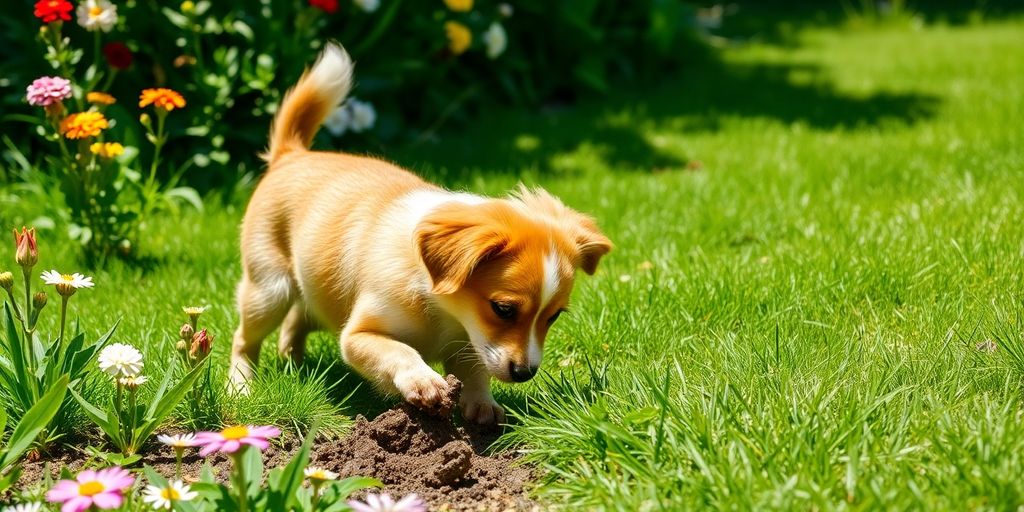
Digging can be a natural instinct for dogs, but it often has specific triggers. Some of the most common reasons include:
- Boredom: Dogs with too much energy and nothing to do might dig to entertain themselves.
- Instinctual behavior: Certain breeds are hardwired to dig, especially those bred for hunting or burrowing.
- Escaping heat or cold: Digging holes can help dogs create a cooler or warmer spot to rest.
- Hiding food or toys: Some dogs dig to bury items they want to "save" for later.
How Breed Influences Digging Tendencies
Certain breeds are more prone to digging than others. For example:
| Breed | Digging Tendency | Reason |
|---|---|---|
| Terriers | High | Bred to hunt and burrow underground. |
| Huskies | Moderate | Dig to escape or cool down. |
| Dachshunds | High | Designed to dig out badgers and prey. |
| Labradors | Low to Moderate | May dig out of boredom or curiosity. |
Dogs from breeds with strong digging instincts may require more attention and specific strategies to manage this behavior.
Signs Your Dog May Be Digging Out of Boredom
You might notice certain patterns if your dog is digging simply because they’re bored:
- Digging happens when they’re left alone for extended periods.
- The holes are scattered randomly, not in a specific area.
- They appear restless or overly energetic before they start digging.
"If your dog seems to dig aimlessly, it’s often a sign they need more mental or physical stimulation."
Understanding the reasons behind your dog’s digging is the first step to addressing the behavior. For tips on reducing other unwanted behaviors, such as barking, check out these effective strategies to reduce dog barking.
Creating a Dog-Friendly Yard

Designing a Space That Discourages Digging
Making your yard less appealing for digging starts with smart design. Dogs are naturally curious, so creating a space that keeps them entertained can work wonders. Try adding paths for them to explore or areas with different textures like gravel, grass, or mulch. Avoid leaving loose soil exposed, as it’s an open invitation for digging. If you have flower beds, consider using raised garden beds or decorative fencing to keep your pup out.
Incorporating Safe Digging Zones
Sometimes, dogs just need to dig—it’s in their nature. Instead of fighting it, set up a designated digging spot in your yard. Fill a small area with soft dirt or sand and bury toys or treats to encourage them to use it. This way, your dog gets to satisfy their digging instincts without wrecking the rest of your yard. Be consistent about redirecting them to this zone whenever they start digging elsewhere.
Using Landscaping to Prevent Digging
Landscaping can play a big role in stopping digging. Planting thorny bushes or using ground covers like clover can discourage dogs from digging in certain areas. Large rocks or decorative stones placed around the base of plants can also act as a natural barrier. If you’re redoing your yard, think about using materials like pavers or artificial turf in areas where digging tends to be a problem. These options are durable and dog-friendly while keeping your yard looking great.
Training Techniques to Curb Digging
Positive Reinforcement Strategies
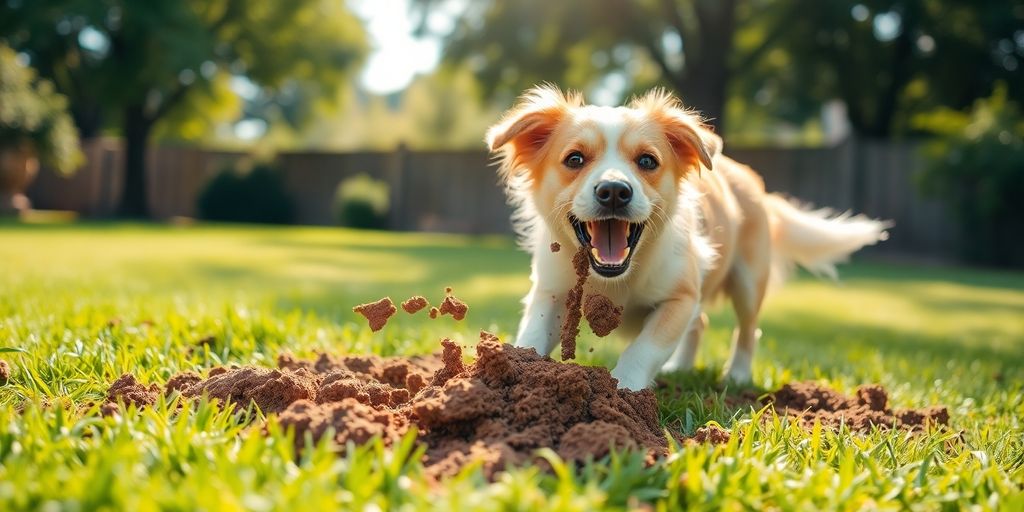
Rewarding good behavior can work wonders when teaching your dog to stop digging in unwanted areas. Positive reinforcement is all about rewarding actions you want to encourage. For instance, if your dog avoids digging or uses a designated digging area, offer a treat, praise, or even a quick play session. Over time, they’ll connect the dots—good behavior equals rewards. Just make sure the rewards are immediate so your dog understands what they’re being rewarded for.
Commands to Redirect Digging Behavior
Teaching commands like “leave it” or “no dig” can help steer your dog away from destructive habits. Start by using the command firmly when you catch your dog digging. Then, redirect their attention to something more constructive, like a toy or activity. Pair this with a treat or praise when they obey. Consistency is key here. It might take a few tries, but eventually, they’ll understand what you’re asking.
Consistency in Training for Long-Term Results
Let’s be real—dogs thrive on routine. If you’re inconsistent, your dog will get mixed signals, and the digging will likely continue. Stick to a training schedule and be patient. Whether it’s rewarding good behavior or redirecting bad habits, doing it the same way every time helps your dog learn faster.
Training isn’t a one-and-done deal. It’s about building habits over time, so don’t get discouraged if progress feels slow at first. With persistence, you’ll see results.
Addressing Behavioral and Emotional Triggers
How Anxiety Can Lead to Digging
Sometimes, dogs dig because they’re stressed out. It’s their way of trying to cope, much like how people might fidget or pace. If your dog seems unusually restless or clingy, anxiety might be the culprit. Common triggers include loud noises, changes in routine, or being left alone for long stretches. You can help by creating a calm environment. Consider a white noise machine or ensuring they have a cozy space to retreat to when they feel overwhelmed.
Recognizing Signs of Stress in Dogs
Dogs show stress in all sorts of ways, not just digging. Look out for these signs:
- Excessive panting or drooling when they’re not hot.
- Pacing back and forth, even in familiar spaces.
- Chewing on furniture, shoes, or other things they shouldn’t.
If you notice these behaviors along with digging, it’s a good idea to address the root cause of their stress.
Providing Mental Stimulation to Reduce Digging
A bored dog is often a digging dog. Keeping their mind busy can do wonders. Try these ideas:
- Interactive toys: Puzzle feeders or treat-dispensing toys can keep them entertained for hours.
- Training sessions: Teach them new tricks or commands—it’s fun for both of you.
- Rotating toys: Don’t leave all their toys out at once. Swap them out every few days to keep things fresh.
Dogs need both physical and mental exercise to truly thrive. When they’re tired and content, they’re far less likely to dig up your yard.
For more tips on redirecting your dog’s energy, check out how to stop dogs from digging.
Using Tools and Deterrents Effectively
Safe Products to Deter Digging
If your dog is turning your yard into their personal excavation site, using safe deterrents can help. Dogs often dislike certain smells, like citrus, which makes it a great option. You can spray areas like flower beds with citrus-based solutions to keep them off without needing physical barriers. Citrus scents are safe for plants and effective for discouraging digging. Just be consistent when applying the spray, especially after rain.
How to Use Barriers to Protect Your Yard
Barriers are another practical way to stop dogs from digging. Here are a few options:
- Chicken wire: Place it just below the soil’s surface in areas your dog favors. They’ll quickly learn digging there isn’t fun.
- Decorative fencing: Use small, attractive fences around flower beds or gardens.
- Rocks or pavers: Cover spots near fences or other digging-prone areas.
These solutions not only block access but also add some charm to your yard.
Natural Remedies to Discourage Digging
Sometimes, the simplest solutions work best. Try these natural remedies:
- Vinegar and water spray: Dogs usually dislike the smell, so spraying it in digging areas can help.
- Cayenne pepper: Sprinkle a small amount in problem spots, but be cautious not to overdo it as it can irritate their nose.
- Mulch or gravel: Covering digging zones with materials dogs don’t like walking on can discourage the behavior.
A mix of deterrents and barriers often works best. Test different methods to see what clicks with your dog and your yard’s needs.
Maintaining a Healthy Routine for Your Dog
The Role of Exercise in Reducing Digging
Keeping your dog active isn’t just about burning energy—it’s about keeping their mind engaged too. Regular walks, play sessions, or even a game of fetch can work wonders. A tired dog is less likely to dig up your yard out of boredom. Aim for at least 30 minutes to an hour of activity daily, depending on your dog’s breed and age.
If you’re short on time, consider interactive toys or puzzle feeders to keep them entertained. These can mimic the mental stimulation they’d get from digging, but without the mess.
Ensuring Proper Nutrition to Prevent Behavioral Issues
What your dog eats can impact their behavior more than you might think. A well-balanced diet supports their overall health and can reduce frustration or restlessness. Sometimes, digging can be linked to nutritional deficiencies, so make sure your dog’s food meets their specific needs.
Here’s a quick look at what to include in their diet:
| Nutrient | Benefits | Example Sources |
|---|---|---|
| Protein | Builds muscle, supports energy | Chicken, beef, fish |
| Healthy Fats | Boosts brain and coat health | Salmon, flaxseed oil |
| Fiber | Aids digestion | Sweet potatoes, pumpkin |
For more tips on maintaining a balanced diet, check out establishing a consistent daily routine for dogs.
How Regular Playtime Can Minimize Digging
Playtime isn’t just fun—it’s essential. Dogs often dig because they’re bored or trying to get your attention. By dedicating time to interactive games like tug-of-war or hide-and-seek, you can redirect that energy into something positive.
Try rotating toys every few days to keep things fresh and exciting for them. And remember, it’s not about the quantity of toys but the quality of your interaction. A few minutes of focused play can be more effective than leaving them alone with a pile of toys.
Dogs thrive on routine, and a healthy schedule can prevent a lot of unwanted behavior. Whether it’s exercise, diet, or play, consistency is key to keeping them happy and your yard intact.
When to Seek Professional Help
Identifying Persistent Digging Problems
Sometimes, no matter what you do, your dog just won’t stop digging. If your dog keeps digging despite your efforts to redirect the behavior, it might be time to consider professional help. Persistent digging can sometimes point to deeper issues, like anxiety or unaddressed needs. Watch for signs like excessive panting, restlessness, or destructive behavior beyond digging. These could be clues that something more serious is going on.
Consulting a Dog Behaviorist
A dog behaviorist could be your go-to resource if the digging is out of control. These experts specialize in understanding why dogs act the way they do and can offer tailored advice for your specific situation. They might suggest changes in your dog’s routine, new training methods, or ways to address emotional triggers. Keep in mind, though, that this process might take time and patience.
Exploring Advanced Training Options
If basic training hasn’t worked, advanced options like obedience classes or one-on-one sessions with a trainer might help. These sessions can teach your dog better habits while strengthening your bond. Sometimes, structured environments make all the difference in breaking bad behaviors. If you’re still unsure, it’s worth exploring persistent digging in dogs to better understand when professional guidance is necessary.
Seeking help isn’t admitting defeat—it’s taking the steps needed to ensure your dog is happy and well-adjusted.
If you’re unsure about your dog’s behavior or training, it might be time to get some help. Professional trainers can offer guidance and support tailored to your dog’s needs. Don’t hesitate to reach out for assistance; it can make a big difference in your dog’s life. For more information and resources, visit our website!
Wrapping It Up
So, there you have it—some simple ways to keep your dog from turning your yard into their personal excavation site. It might take a little patience and some trial and error, but with consistency, you’ll start to see a difference. Remember, dogs dig for a reason, so figuring out what’s behind the behavior is half the battle. Whether it’s giving them more exercise, setting up a digging zone, or just keeping an eye on them, small changes can go a long way. At the end of the day, it’s all about finding what works for you and your furry friend. Good luck, and here’s to a hole-free yard!
Frequently Asked Questions
Why does my dog keep digging holes in the yard?
Dogs dig for various reasons, like boredom, trying to cool off, hunting for something, or even because of their breed’s natural instincts.
Can I stop my dog from digging completely?
While it might be hard to stop digging completely, you can reduce it by understanding why your dog digs and using training or creating safe digging spots.
What breeds are more likely to dig?
Some breeds, like Terriers or Huskies, are more likely to dig because it’s part of their nature. They were bred for tasks like hunting or digging through snow.
Are there safe products to stop dogs from digging?
Yes, there are sprays and other deterrents that are safe for dogs. These can make areas less appealing for digging.
How can I tell if my dog is digging because of stress?
Signs of stress might include pacing, whining, or other unusual behaviors along with digging. Spending more time with your dog can help reduce stress.
When should I ask for help from a professional?
If your dog continues to dig despite your efforts, it might be time to talk to a dog behaviorist or trainer for more guidance.