
If your dog has a habit of growling, it can be pretty stressful for everyone involved. Growling is often seen as a negative behavior, but it’s really just your dog’s way of communicating discomfort or anxiety. Understanding this behavior and knowing how to address it is key to creating a peaceful home. In this article, we’ll explore effective methods on how to stop a dog from growling, making your home a calmer place for both you and your furry friend.
Key Takeaways
- Understand that growling is a form of communication, not just bad behavior.
- Create a calm environment by assessing your dog’s space and reducing chaos.
- Use positive reinforcement and calming cues in training to help your dog feel secure.
- Ensure your dog gets regular exercise and mental stimulation to reduce stress.
- Seek professional help if your dog’s growling persists despite your efforts.
Understanding Dog Growling Behavior
The Purpose of Growling
Growling is a really important way for dogs to communicate. It’s not necessarily a sign of aggression, but more like a warning signal. Think of it as your dog saying, "Hey, I’m not comfortable with this situation." They might be scared, anxious, or just plain annoyed. Ignoring a growl can actually make things worse, because if they feel like they’re not being heard, they might skip the growl next time and go straight to a snap or bite. It’s way better to pay attention to what your dog is trying to tell you. Understanding dog aggression is key to addressing the root cause of the behavior.
Common Triggers for Growling
Lots of things can make a dog growl. Here are a few common ones:
- Fear: If your dog feels threatened, they might growl to create distance.
- Resource guarding: This is when a dog gets possessive over something like food, toys, or even their favorite spot on the couch.
- Pain or discomfort: If your dog is hurt or not feeling well, they might growl if you touch them in a sensitive area.
- Territoriality: Some dogs are very protective of their space and will growl at strangers or other animals who come too close.
- Frustration: Sometimes, a dog might growl out of frustration if they can’t get what they want.
It’s important to remember that every dog is different, and what triggers one dog might not bother another. Pay attention to your dog’s body language and the situations in which they growl to figure out what’s causing their discomfort.
Recognizing Warning Signs
Growling is often just one part of a bigger picture. Before a dog growls, they usually give other, more subtle signals that they’re not happy. Learning to recognize these early warning signs can help you prevent a growling incident before it even starts. Some things to watch out for include:
- Stiff body posture
- Lip licking or yawning (when they’re not actually tired)
- Showing the whites of their eyes (whale eye)
- Turning their head away
- Raised hackles (the fur on their back standing up)
If you see any of these signs, it’s a good idea to give your dog some space and try to figure out what’s bothering them. Recognizing these signs early on gives you a huge advantage. You can redirect, create distance, or offer comfort before your dog feels the need to escalate. It’s all about understanding their body language and responding appropriately.
Creating a Calm Environment
Assessing Your Dog’s Living Space
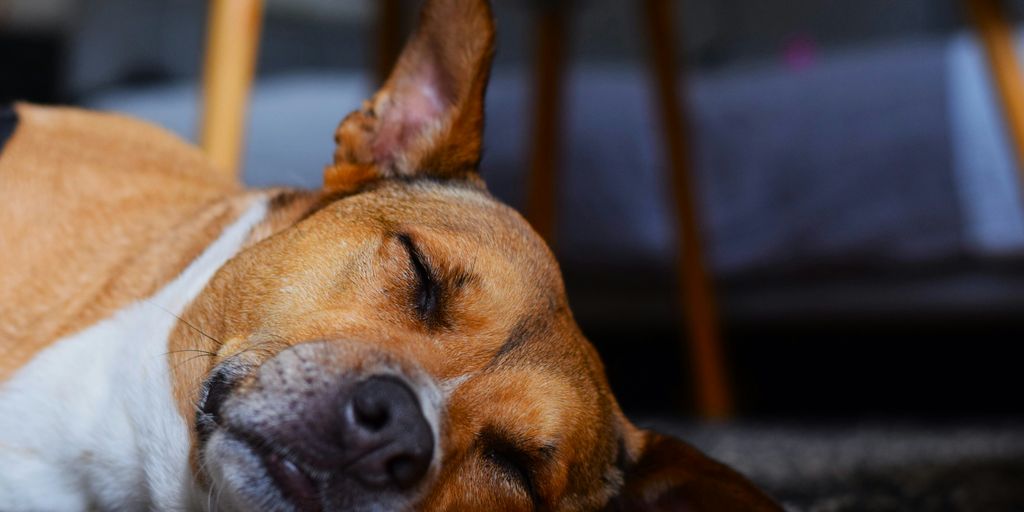
Think about your dog’s day-to-day environment. Is it a constant flurry of activity, or is it generally peaceful? A dog’s surroundings can significantly impact their stress levels and, consequently, their likelihood to growl. Consider these points:
- Is their bed in a high-traffic area?
- Do they have a quiet space to retreat to?
- Are their food and water bowls easily accessible and away from potential stressors?
Sometimes, simply rearranging furniture or moving their bed can make a big difference. It’s all about creating a space where they feel secure and relaxed.
Reducing Noise and Chaos
Noise and chaos can be major triggers for anxiety in dogs. Loud noises, sudden movements, and constant activity can all contribute to a dog’s stress levels. Here are some ways to reduce noise and chaos:
- Use curtains or blinds to block out visual stimuli from outside.
- Play calming music or white noise to mask disturbing sounds. You can find playlists specifically designed for dogs on streaming services.
- Establish set routines for activities like feeding and playtime to create predictability.
A predictable environment is a calm environment. Dogs thrive on routine, and knowing what to expect can significantly reduce their anxiety.
Establishing a Safe Zone
A safe zone is a designated area where your dog can retreat when they feel overwhelmed or stressed. This could be a crate, a bed in a quiet room, or even just a corner of a room. The key is that this space should be exclusively for your dog and should be associated with positive experiences. Here’s how to establish a safe zone:
- Choose a quiet, low-traffic area.
- Make the space comfortable with soft bedding and familiar toys.
- Never use the safe zone as a place for punishment. It should always be a positive retreat.
Consider using calming products to enhance the environment, promoting tranquility and comfort for your pet. Consistency is key when establishing a safe zone. Over time, your dog will learn to associate this space with safety and security, reducing their overall anxiety and the likelihood of growling.
Implementing Effective Training Techniques
Positive Reinforcement Strategies
Positive reinforcement is super important. It’s all about rewarding your dog for good behavior instead of punishing the bad. Think treats, praise, or even a favorite toy when they do what you want. It’s way more effective than yelling or scolding, which can actually make the growling worse.
- Start with simple commands like "sit" or "stay."
- Immediately reward them when they listen.
- Gradually increase the difficulty as they get better.
Positive reinforcement helps build a positive association with you, making your dog more likely to listen and less likely to feel the need to growl in the first place.
Teaching Calming Cues
Calming cues are specific signals you can use to tell your dog to relax. These can be verbal commands like "settle" or "easy," or even a gentle touch. The idea is to teach your dog that when they hear or feel this cue, they should calm down. This is a great way to manage their anxiety and prevent growling before it even starts. Consistent training is key. You can use calming signals and cues to help de-escalate situations.
- Choose a cue word or action.
- Pair it with a relaxing activity, like petting or a gentle massage.
- Practice in different environments to generalize the cue.
Gradual Desensitization
Gradual desensitization involves slowly exposing your dog to the things that make them growl, but at a level that doesn’t trigger the behavior. For example, if your dog growls at strangers, start by having someone they don’t know stand far away. If they don’t growl, reward them. Gradually, over time, you can decrease the distance. The goal is to change their emotional response to the trigger.
| Distance | Reaction | Reward |
|---|---|---|
| 20 feet | Calm | Treat |
| 15 feet | Calm | Treat |
| 10 feet | Calm | Treat |
Enhancing Your Dog’s Lifestyle
It’s easy to focus on training and discipline when trying to curb unwanted growling, but sometimes, the solution lies in simply making your dog’s life better overall. A happy, fulfilled dog is less likely to be anxious or reactive. Think of it as addressing the root causes, not just the symptoms. Let’s explore some ways to improve your dog’s daily life.
Importance of Regular Exercise
Exercise isn’t just about burning calories; it’s crucial for a dog’s mental and emotional well-being. A bored dog is often a destructive or anxious dog. Make sure your dog is getting enough physical activity for their breed and age. This could mean daily walks, runs, playtime in the park, or even swimming. If you have a high-energy breed, consider activities like agility training or flyball to give them a job to do. Even a short sniff walks can make a big difference.
Balanced Diet for Behavioral Health
What your dog eats can significantly impact their behavior. Just like with humans, a poor diet can lead to mood swings, hyperactivity, and even aggression. Choose a high-quality dog food that’s appropriate for your dog’s age, breed, and activity level. Look for foods with real meat as the primary ingredient and avoid those with excessive fillers, artificial colors, and preservatives. Consider consulting with your vet or a canine nutritionist to determine the best diet for your dog’s specific needs.
Mental Stimulation Activities
Physical exercise is important, but mental stimulation is just as crucial. Dogs need to use their brains to stay happy and engaged. Puzzle toys are a great way to keep them entertained and challenged. You can also try teaching them new tricks, playing hide-and-seek with their favorite toys, or enrolling them in obedience classes. Even simple things like rotating their toys regularly or taking them to new places can provide valuable mental stimulation.
A dog’s environment plays a huge role in their overall well-being. A calm, predictable environment can help reduce anxiety and stress, while a chaotic or unpredictable environment can exacerbate behavioral problems. Make sure your dog has a safe space where they can retreat when they feel overwhelmed, and try to minimize stressors in their environment as much as possible.
Utilizing Calming Tools and Techniques
Sometimes, our furry friends just need a little help chilling out, especially if they’re naturally wired up or we’re working through some behavior stuff. Luckily, there are some gentle, natural ways to make a more relaxing vibe for your pup and take the edge off their reactivity. It’s not about a quick fix, but more about creating a supportive environment.
Natural Remedies for Anxiety
Let’s kick things off with music. Yeah, it might sound a bit out there, but certain tunes – think soft classical or even playlists made just for dogs – can actually lower your dog’s heart rate and help them unwind. It’s an easy way to set a peaceful mood in the house, especially when your dog is on edge, like when you’ve got visitors. You can find a great dog relaxation playlist online.
Aromatherapy can also make a difference. Essential oils like lavender, chamomile, and valerian root have calming vibes, but using them safely is super important. Never put oils right on your dog. Instead, try a pet-safe diffuser or a lightly sprayed blanket they like to snuggle up on. Even a few drops on a bandana can create a soothing effect, as long as it’s properly diluted and your dog isn’t sensitive to smells.
Calming Products and Their Benefits
Then there’s the magic of pressure wraps. These wraps work a lot like a comforting hug; they apply gentle, constant pressure to your dog’s torso, which can help calm anxiety and lower their arousal level. Some dogs respond right away, while others need a little time to get used to the feeling. However, it’s worth a shot, especially during stressful times. You can find a pressure wrap at most pet stores.
Here’s a quick rundown of some popular calming products:
- ThunderShirt: Applies gentle, constant pressure.
- Adaptil Diffuser: Releases a synthetic version of a calming pheromone.
- Calming chews: Often contain ingredients like L-Theanine or chamomile.
Think of these tools as supportive, not a "cure." Used consistently, they can help your dog feel safer and more secure, which is a big step toward reducing aggressive behavior.
Creating a Relaxation Routine
You can also try adding calming routines into your day. Simple things like a slow evening walk, a post-dinner belly rub, or even practicing a few basic commands before bedtime can give your dog a sense of structure and help them wind down. Teaching calming cues is another powerful technique. These are simple things like “sit,” “look at me,” or even just teaching your dog to make eye contact with you when they’re unsure. It gives them something to focus on other than the scary thing in front of them, and it helps you redirect their energy. Don’t underestimate the power of your own energy. If you’re tense, rushed, or frustrated, your dog picks up on that. Staying calm and steady helps them do the same. It’s not always easy (especially in the moment), but taking a deep breath and speaking gently can make a big difference. You can also try calming routines before bedtime.
Managing Aggression Triggers
Identifying Specific Triggers
Okay, so you’re dealing with a dog that growls, and you’re trying to figure out why. The first step is becoming a detective. What exactly sets your dog off? Is it a certain person, another dog, a specific object, or a particular situation? Keep a detailed log. Write down the time, location, and what was happening right before the growling started. Note your dog’s body language too. Were their muscles tense? Were they staring? Identifying these triggers is the first step to managing them. For example, if your dog is showing fear aggression, you’ll want to address that with gradual socialization.
Resource Guarding Solutions
Resource guarding is a big one. Does your dog get possessive over their food, toys, or even their favorite spot on the couch? This is when they feel the need to protect something they consider valuable. The key here is to teach them that approaching their stuff doesn’t mean it’s going to be taken away. Try approaching their food bowl while they’re eating and dropping in something even better – a tasty treat. This helps them associate your presence with positive things, not a threat. You can also try trading up – offering a better toy in exchange for the one they have. The goal is to build trust and show them that sharing isn’t a bad thing.
Socialization Strategies
Socialization isn’t just for puppies; it’s an ongoing process. If your dog is reactive towards other dogs or people, controlled and positive interactions are crucial. Start with short, supervised encounters. Keep your dog at a distance where they’re comfortable and reward them for calm behavior. Don’t force interactions; let them approach at their own pace. If they start to get anxious or show signs of aggression, back off and try again later at a greater distance. Remember, the goal is to create positive associations and help them learn that new situations aren’t scary. Here are some tips:
- Start slow and keep interactions brief.
- Use positive reinforcement to reward calm behavior.
- Avoid overwhelming your dog with too much, too soon.
It’s important to remember that managing aggression triggers takes time and patience. There will be setbacks, but consistency is key. If you’re feeling overwhelmed or unsure of how to proceed, don’t hesitate to seek professional help. A qualified trainer or behaviorist can provide personalized guidance and support.
Seeking Professional Help When Needed
Sometimes, no matter how hard you try, a dog’s growling problem just doesn’t get better on its own. It can be frustrating and even a little scary when you feel like you’ve exhausted all your options. That’s when it’s time to consider bringing in a professional. It’s not an admission of failure; it’s about doing what’s best for your dog and your family.
When to Consult a Trainer
So, how do you know when it’s time to call in the experts? Here are a few signs:
- The growling is getting more frequent or intense.
- Your dog is starting to snap or bite.
- You’ve tried training techniques, but they aren’t working.
- You’re feeling anxious or unsafe around your dog.
If you’re experiencing any of these, it’s a good idea to seek professional help. Don’t wait until the situation escalates into something more serious. Early intervention can make a big difference. It’s also important to consider if there are children in the house, as their safety is paramount. If your dog is showing aggression towards them, seeking help is non-negotiable.
Understanding Behavioral Assessments
When you reach out to a professional, they’ll likely start with a behavioral assessment. This is basically a deep dive into your dog’s history, behavior, and triggers. They’ll want to know everything about your dog’s daily routine, interactions with people and other animals, and any past experiences that might be contributing to the problem. The goal is to get a clear picture of what’s going on so they can develop a tailored plan. A thorough assessment can help identify underlying issues, such as anxiety or fear, that are driving the growling. It’s also a chance for the professional to observe your dog’s behavior firsthand and see how they react in different situations. This information is invaluable in creating an effective treatment strategy. If your dog is showing aggression towards other dogs and people, a dog behaviorist can help.
Finding the Right Professional Support
Finding the right professional is key. Not all trainers are created equal, and it’s important to find someone who has experience with aggression and growling issues. Look for a certified professional dog trainer (CPDT), a veterinary behaviorist, or a certified applied animal behaviorist (CAAB). These professionals have the knowledge and skills to address complex behavioral problems. Don’t be afraid to ask questions about their experience, training methods, and success rates. It’s also a good idea to check references and read reviews. You want to find someone you feel comfortable working with and who uses positive reinforcement techniques. Building trust is essential for successful behavior modification.
Remember, seeking professional help is a sign of strength, not weakness. It shows that you’re committed to your dog’s well-being and willing to do whatever it takes to create a peaceful and happy home.
Here’s a quick guide to different types of professionals:
| Professional | Focus | When to Consider |
|---|---|---|
| Certified Dog Trainer (CPDT) | Basic obedience, behavior modification | Mild growling issues, general training needs |
| Veterinary Behaviorist | Medical and behavioral issues, medication management | Severe aggression, anxiety, suspected medical causes |
| Certified Applied Animal Behaviorist (CAAB) | Complex behavioral problems, in-depth assessments, customized plans | Severe aggression, multiple behavioral issues, when other methods have failed |
If you’re feeling stuck with your dog’s training, don’t hesitate to reach out for help. Professional trainers can provide the guidance you need to overcome challenges and improve your dog’s behavior. Visit our website today to explore the best dog training courses available and find the right fit for you and your furry friend!
Wrapping It Up: A Peaceful Home with Your Dog
So, there you have it! Stopping your dog from growling isn’t just about stopping the noise; it’s about understanding what they’re trying to tell you. Pay attention to their body language and the situations that make them uncomfortable. By addressing their needs and creating a calm environment, you can help them feel more secure. Remember, it’s all about patience and consistency. With the right techniques and a little time, you can turn your home into a peaceful place for both you and your furry friend. Keep working together, and you’ll see improvement!
Frequently Asked Questions
Why does my dog growl?
Dogs growl to express discomfort or fear. It’s their way of saying they are not happy with a situation.
Should I punish my dog for growling?
No, punishing your dog for growling can make things worse. Instead, try to understand why they are growling.
What are common reasons for dog growling?
Dogs often growl when they feel threatened, are protecting something, or are anxious about a situation.
How can I create a calm space for my dog?
Make sure your dog has a quiet area where they can relax, away from loud noises and chaos.
What are some training techniques to reduce growling?
Use positive reinforcement, teach calming commands, and gradually expose your dog to their triggers.
When should I seek professional help for my dog’s growling?
If your dog’s growling leads to aggressive behavior or if you’re unsure how to handle it, it’s best to consult a dog trainer.