
Training a therapy dog can be a rewarding experience, but it takes time, patience, and dedication. Whether you’re just starting out or looking to refine your skills, understanding the essential steps is key. From evaluating your dog’s temperament to pursuing certification, each step plays a crucial role in ensuring your dog is well-prepared for their important job. Let’s break down the process into manageable steps to help you on your journey to training a therapy dog.
Key Takeaways
- Assess your dog’s temperament to ensure they are calm and friendly.
- Focus on basic obedience skills like sit, stay, and come before advanced training.
- Socialize your dog in various environments to build their confidence.
- Teach specific therapy skills, including gentle touch and remaining calm in stressful situations.
- Consider certification with a recognized organization to validate your dog’s training.
Evaluating Your Dog’s Temperament
So, you’re thinking about turning your furry friend into a therapy dog? That’s awesome! But before you jump into training, it’s super important to make sure your dog actually has the right personality for the job. Not every dog is cut out for it, and that’s totally okay. It’s better to know upfront than to put your dog (and yourself) through unnecessary stress.
Signs of a Good Therapy Dog
Okay, so what makes a good therapy dog? Well, first off, they need to be friendly. Like, genuinely enjoy being around people. They should also be calm. A therapy dog needs to be able to handle different environments without getting overly excited or anxious. Think about it: they might be visiting hospitals, nursing homes, or schools. These places can be noisy, crowded, and sometimes a little overwhelming. A good therapy dog will take it all in stride.
Here’s a quick checklist:
- Friendly and approachable
- Calm and relaxed in new situations
- Not easily startled by loud noises or sudden movements
- Enjoys being petted and handled
Importance of Calmness
Seriously, I can’t stress this enough: calmness is key. A therapy dog needs to be a rock in a storm. They’ll encounter all sorts of situations, and they need to be able to remain composed. Imagine a child accidentally pulling their tail or someone dropping a tray of food nearby. A calm dog won’t react negatively; they’ll just chill. This is important for the safety of everyone involved. If your dog is naturally high-strung or easily agitated, therapy work might not be the best fit. You can look into puppy temperament test to get a better idea.
Socialization Skills
Socialization is another big one. Your dog needs to be comfortable around all kinds of people: men, women, children, people with disabilities, people using wheelchairs or walkers, etc. They should also be okay with other animals, although the focus is definitely on human interaction. Early socialization is ideal, but even older dogs can learn to be more social with proper training and exposure. Make sure your dog has had plenty of positive experiences with different people and environments. If they’re nervous or aggressive around strangers, that’s a red flag. You might want to work with a trainer to address those issues before pursuing therapy dog certification. Remember, a well-socialized dog is a happy dog, and a happy dog makes a great therapy dog!
Establishing Basic Obedience
Before your dog can bring comfort to others, it needs to understand and obey basic commands. Think of this as building the foundation for all the specialized therapy skills to come. It’s not just about teaching tricks; it’s about creating a reliable and well-behaved companion.
Essential Commands to Master
There are a few commands that are absolutely essential for a therapy dog. These commands ensure that you can control your dog in various environments and situations.
- Sit and Stay: The dog must remain in place and be calm. This is important in waiting rooms or when interacting with people who might be nervous around dogs.
- Come: Allows you to summon a dog to you regardless of conditions. This is important for safety and control.
- Leave it: Teaches a dog how not to be distracted, highly in situations with new smells, sights. This is important when visiting hospitals, nursing homes, schools, and so on, where there are plenty of items that don’t need to find their way into your dog’s mouth, including medications and hazardous waste.
- Heel: Ensure the dog walks by side on a leash without tugging. This is important for navigating crowded spaces.
Importance of Consistency
Consistency is key in obedience training. Use the same commands and hand signals every time, and make sure everyone in your household does the same. Dogs thrive on routine, and consistent training helps them understand what you expect of them. It might seem repetitive, but it pays off in the long run. Think of it like teaching a child – you wouldn’t use different words for the same thing each time, would you?
A consistent training schedule further supports effective learning and strengthens the bond between the dog and owner. It’s not just about the commands themselves, but also about building a relationship based on trust and understanding.
Using Positive Reinforcement
Positive reinforcement is the most effective way to train a therapy dog. This means rewarding your dog for good behavior with treats, praise, or toys. Avoid punishment, as it can create fear and anxiety, which are the opposite of what you want in a therapy dog. Positive reinforcement training helps build a strong bond and makes training a fun and enjoyable experience for both you and your dog.
Here’s a simple example:
- Give the command "sit."
- When your dog sits, immediately give a treat and praise.
- Repeat this process several times a day in short sessions.
It’s amazing how quickly they learn when they know they’ll get a reward!
Socialization for Therapy Dogs
Socialization is super important for therapy dogs. It’s not just about being friendly; it’s about being reliable and calm in all sorts of situations. You want a dog that can handle anything from a noisy hospital to a crowded school without getting stressed or reactive. It takes time and effort, but it’s worth it to have a dog that can truly help people.
Exposing to Different Environments
Think beyond your usual walks in the park. Take your dog to places with lots of different sights, sounds, and smells. A busy street, a shopping center, even a construction site (from a safe distance, of course) can be great for emotional support training. The goal is to get your dog used to the unexpected and learn to stay calm even when things are chaotic.
Creating Positive Experiences
Every new experience should be a good one. Don’t just throw your dog into the deep end. Start slow, and make sure your dog feels safe and comfortable. Use treats, praise, and gentle encouragement to help them associate new places and people with positive feelings. If your dog seems scared or overwhelmed, back off and try again later at a slower pace.
Interacting with Various People
It’s not enough for your dog to be friendly with you and your family. They need to be comfortable around all kinds of people: kids, seniors, people with disabilities, people of different races and ethnicities, people using wheelchairs or walkers. Arrange supervised interactions with different groups, and teach your dog to be gentle and respectful with everyone they meet.
Socialization isn’t a one-time thing. It’s an ongoing process. Keep exposing your dog to new experiences throughout their life to help them stay confident and adaptable. A well-socialized therapy dog is a happy and effective therapy dog.
Training Specific Therapy Skills
Okay, so your dog’s got the basics down. Now it’s time to get into the nitty-gritty of therapy work. This is where you teach your dog the specific skills they’ll need to be successful in real-world therapy settings. It’s not just about obedience anymore; it’s about being calm, gentle, and adaptable in all sorts of situations.
Gentle Touch and Acceptance
This is a big one. Your dog needs to be okay with being touched by all sorts of people, in all sorts of ways. Think about it: they might encounter kids who are a little grabby, elderly folks with shaky hands, or people who are just generally nervous around dogs. You need to train your dog to accept petting, brushing, and even hugs from strangers without flinching or getting anxious. Start with you and your family, then gradually introduce new people, rewarding calm behavior with treats and praise. This builds dog’s fitness and confidence.
Desensitization to Medical Equipment
Hospitals and care facilities are full of strange sights and sounds. Wheelchairs, walkers, crutches, oxygen tanks… the list goes on. Your dog needs to be completely unfazed by all of it. Start by introducing these items slowly and in a controlled environment. Let your dog sniff them, walk around them, and get used to their presence. Reward them for staying calm and relaxed. You can even try simulating a hospital environment by playing recordings of medical sounds. This is all about making sure your dog doesn’t get spooked or stressed out when they encounter these things in real life.
Maintaining Composure in Stressful Situations
Therapy dogs often work with people who are stressed, anxious, or in pain. It’s crucial that your dog can maintain their composure in these situations. This means not getting overly excited, not barking or whining, and not showing any signs of aggression or fear. One way to train this is by exposing your dog to controlled stressful situations, like loud noises or sudden movements, and rewarding them for staying calm. Remember, the goal is to teach your dog to be a source of comfort and support, not to add to the stress. Consider therapy dog certification to ensure your dog is well-behaved.
It’s important to remember that every dog is different, and some may take longer to learn these skills than others. Be patient, be consistent, and always use positive reinforcement. With time and effort, you can help your dog become a confident and effective therapy animal.
Pursuing Certification for Therapy Dogs
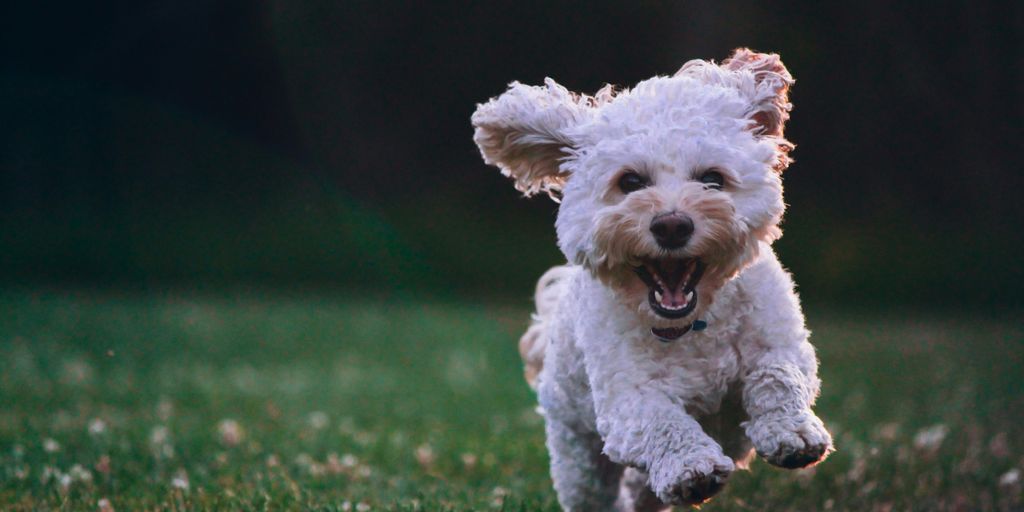
So, you’ve put in the work, and your dog is practically a furry, four-legged saint. Now what? Time to make it official with therapy dog certification! It’s not just a piece of paper; it opens doors to hospitals, schools, and other places where your dog can bring comfort. Let’s break down what it takes.
Understanding Certification Requirements
Okay, first things first: there’s no universal therapy dog license. Different organizations have different rules. Some might want your dog to be at least a year old, while others might have specific breed restrictions (though that’s becoming less common). Generally, they’re looking for a dog with a rock-solid temperament, good manners, and proof of health (vaccinations up to date).
Here’s a quick rundown of what to expect:
- Age requirement (usually over one year)
- Proof of vaccinations
- Passing a temperament test
- Demonstrated obedience skills
Choosing the Right Organization
This is where you do your homework. Organizations like Pet Partners and Alliance of Therapy Dogs are well-known, but there are smaller, regional groups too. Think about what kind of therapy work you want to do. Some orgs specialize in hospital visits, while others focus on schools or libraries. Check out their websites, attend an info session if they have one, and see which one feels like the best fit. It’s like choosing the right dog trainer – you want a good match!
Preparing for the Evaluation Process
Think of the evaluation as a final exam for your dog. They’ll be testing things like: can your dog sit politely while someone pets them? Can they handle loud noises or medical equipment without freaking out? Can they walk nicely on a leash, even when there are distractions? Practice, practice, practice! Consider taking a Canine Good Citizen (CGC) class – it’s a great way to brush up on those basic skills.
Don’t stress too much about the evaluation. It’s not about perfection; it’s about showing that your dog is safe, well-behaved, and genuinely enjoys interacting with people. If you and your dog are a good team, you’ll do great!
Continuing Education and Training
Advanced Training Opportunities
So, you’ve got your therapy dog certification? Awesome! But it doesn’t stop there. Think of it like this: athletes don’t just train once and then call it quits, right? It’s the same with therapy dogs. There are always new skills to learn and refine. Look into advanced training. This could mean specialized courses focusing on working with specific populations, like children with autism or veterans with PTSD. Or maybe you want to explore trick training to add some extra joy to your visits. The possibilities are pretty broad, and it keeps things interesting for both you and your dog. Consider online dog training courses to keep your dog sharp.
Regular Practice and Reinforcement
Consistency is key. It’s not enough to just attend a class every now and then. You need to be actively working with your dog on a regular basis. Set aside time each day, even if it’s just for 15-20 minutes, to practice commands and reinforce good behavior. This helps solidify what they’ve learned and keeps their skills sharp. Plus, it’s a great way to bond with your dog! Don’t forget to use positive reinforcement – treats, praise, and toys can go a long way.
Staying Updated on Best Practices
The world of therapy dog training is always evolving. New research emerges, and new techniques are developed. It’s important to stay informed about the latest best practices to ensure you’re providing the best possible care and support.
One way to stay updated is by joining professional organizations or online communities related to therapy dogs. These groups often share articles, research findings, and training tips. Attending workshops and conferences is another great way to learn from experts and network with other handlers. Staying current helps you refine your approach and address any new challenges that may arise.
Here’s a simple breakdown of how to stay in the loop:
- Read industry publications and blogs.
- Attend workshops and seminars.
- Network with other handlers.
- Follow reputable trainers and organizations on social media.
Building a Strong Handler-Dog Bond
This part is super important. You can have the best-trained dog in the world, but if you don’t have a solid connection, it won’t work as well. It’s about more than just commands; it’s about understanding each other.
Importance of Trust and Communication
Trust is the bedrock of any successful therapy dog team. Your dog needs to know they can rely on you, and you need to be able to read their signals. It’s a two-way street. Communication isn’t just about verbal commands; it’s about body language, tone, and understanding your dog’s individual quirks. If you want to measure the success of your therapy dog program, you need to have trust.
Engaging in Joint Activities
Spending quality time together outside of training is key. This could include:
- Going for walks in the park
- Playing fetch
- Simply cuddling on the couch
These activities help strengthen your bond and show your dog that you enjoy spending time with them. It’s not just about work; it’s about building a relationship. Consider the handler responsibilities for your dog.
Recognizing Body Language and Signals
Learning to read your dog’s body language is essential. Are they stressed? Anxious? Happy? Understanding these signals allows you to respond appropriately and ensure their well-being during therapy sessions. A dog that is well-mannered is a dog that is understood.
Pay close attention to subtle cues like lip licking, yawning, whale eye (showing the whites of their eyes), and a tucked tail. These can all be signs of stress or discomfort. Knowing what these mean will help you advocate for your dog and prevent them from becoming overwhelmed.
Creating a strong bond with your dog is essential for a happy and well-behaved pet. Spend quality time together, use positive reinforcement, and be patient. This will help your dog trust you and feel secure. If you want to learn more about building this special connection, visit our website for helpful tips and resources!
Wrapping It Up
Training a therapy dog is a journey, not a sprint. It takes time, effort, and a lot of patience. You’ve got to start with the basics, work on socialization, and teach them the skills they need to help others. Remember, it’s all about building a bond with your dog and making sure they’re comfortable in different situations. If you stick with it and maybe even get some help from a trainer, you’ll see the rewards. In the end, you’ll have a furry friend who can bring joy and comfort to those who need it most. So, take a deep breath, enjoy the process, and know that every step you take is a step towards making a difference.
Frequently Asked Questions
What makes a good therapy dog?
A good therapy dog should be calm, friendly, and social. They need to be comfortable around different people and stay relaxed in busy places.
How do I start training my therapy dog?
Begin with basic obedience training. Teach your dog commands like sit, stay, and come. This helps them learn how to behave well.
Why is socialization important for therapy dogs?
Socialization helps your dog get used to different people, places, and sounds. It builds their confidence and prepares them for therapy work.
What specific skills should therapy dogs learn?
Therapy dogs should learn to be gentle, accept petting from strangers, and stay calm in stressful situations, like hospitals.
How can I get my therapy dog certified?
To get certified, your dog needs to pass an evaluation from a recognized therapy dog organization. This tests their behavior and skills.
How can I strengthen my bond with my therapy dog?
Spend time together doing fun activities, communicate clearly, and pay attention to your dog’s body language to build trust.