
Teaching your dog to dance can be a fun and rewarding experience for both of you. In this article, we will explore the steps you can take to teach your dog to dance like a pro. From understanding their physical abilities to choreographing a routine, you’ll find everything you need to get started on this exciting journey with your furry friend.
Key Takeaways
- Understand your dog’s physical abilities before starting dance training.
- Use positive reinforcement to encourage your dog during practice.
- Start with simple dance moves and gradually introduce more complex ones.
- Choose music that matches your dog’s energy and personality for routines.
- Be patient and adaptable to your dog’s learning pace and preferences.
Understanding Your Dog’s Physical Capabilities
Before you start teaching your dog to dance, it’s super important to know what they’re physically capable of. Not all dogs are built the same! Some are like little energizer bunnies, while others are more like couch potatoes. Knowing your dog’s limits is key to keeping them safe and happy during training.
Identifying Your Dog’s Strengths and Weaknesses
Take a good look at your dog. Are they super agile and coordinated, or are they a bit clumsy? Do they love to jump and run, or do they prefer a leisurely stroll? Understanding their natural abilities will help you tailor the dance moves to suit them. For example, a Border Collie might be a natural at complex routines, while a Bulldog might prefer simpler, low-impact moves. It’s all about finding what works best for your furry friend. You can even try teaching your dog to roll over [#9f66] to see how flexible they are.
Safety Precautions for Dancing Dogs
Safety first! You don’t want your dog getting hurt while they’re learning to dance. Avoid putting too much stress on their joints or spine, especially if they’re a smaller or older dog. Make sure the dance area is clear of any hazards like sharp objects or slippery surfaces. If you’re working with a smaller dog, focus on gentle moves that won’t strain their body. Remember, dancing should be fun and safe for both of you.
Tailoring Training to Your Dog’s Abilities
Once you know your dog’s strengths and weaknesses, you can start tailoring the training to their specific needs. This means choosing moves that they’re physically capable of doing and avoiding anything that could be harmful. It also means being patient and understanding if they’re struggling with a particular move. The goal is to create a positive and enjoyable experience for your dog, so they’ll be more likely to embrace the training process. Remember to consult with your veterinarian before starting any new exercise program with your dog.
It’s important to remember that every dog is different, and what works for one dog might not work for another. Be flexible and willing to adjust your training approach as needed. The most important thing is to have fun and build a stronger bond with your canine companion.
The Basics of Dog Dancing
Now that you’ve got a handle on your dog’s physical limits, let’s jump into the basics. Dog dancing, or canine freestyle, is a super fun way for you and your dog to get creative with movement and music. It’s a popular type of dog sport that uses all sorts of dance moves and tricks, which makes it a great starting point for beginners.
Introduction to Canine Freestyle Dancing
Canine freestyle dancing is a cool sport that mixes obedience, trick training, and music. It’s basically a routine that you and your dog do together, set to music. You can make the routines as simple or as wild as you want, showing off your dog’s skills and personality. When you’re doing canine freestyle dancing, you and your dog become a team, working together to put on a fun show. It really builds your bond as you practice and nail your routine.
The best part? Any dog can do it, no matter the breed, size, or age. Whether you’ve got a tiny Chihuahua or a big German Shepherd, they can all join in and have a blast.
Teaching Your Dog Basic Dance Moves
Before you go all-in on canine freestyle, it’s important to start with the basics. Teaching your dog simple dance moves will set the stage for more complicated routines later on. Start by showing your dog easy moves like spinning, weaving through your legs, and standing on their back legs. Break these moves down into small steps, and use rewards to show your dog they’re doing great. Treats, praise, and playtime are awesome motivators at this stage. You’ll need to be patient and consistent when teaching your dog basic dance moves. Every dog learns at their own speed, so be ready to change how you teach to fit your dog’s needs. Keep the training sessions short and fun, so you both enjoy learning. As your dog gets better with the basic moves, you can slowly add more complex steps and transitions. With some practice, you and your dog will be ready to create awesome routines that show off your special bond and talent.
Creating a Positive Learning Environment
To create a positive learning environment, consider these points:
- Keep training sessions short and sweet to avoid overwhelming your dog.
- Always end on a positive note, even if it’s just a simple trick they know well.
- Use a happy and encouraging tone of voice to keep your dog motivated.
Training Techniques for Dog Dancing
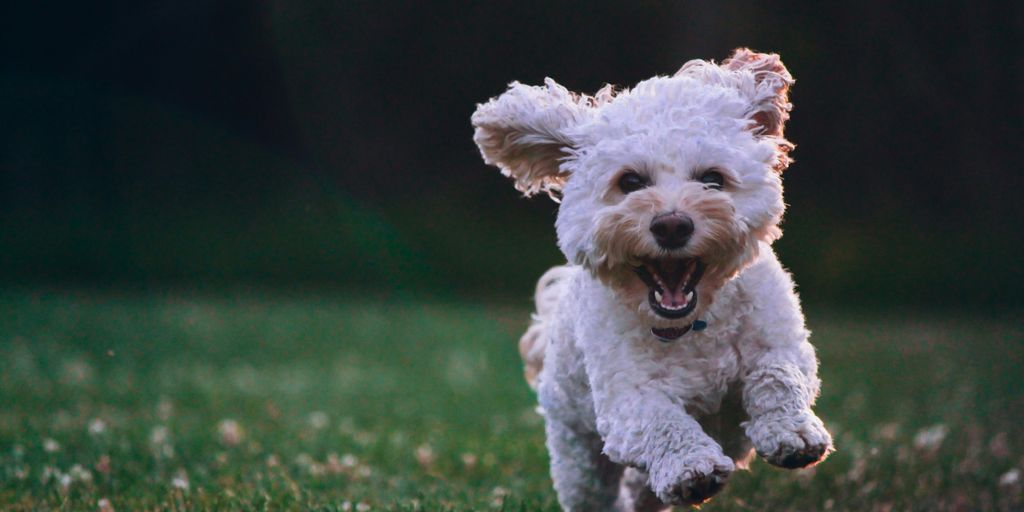
When training your dog to dance, it’s important to use methods that keep them engaged and happy. It’s all about making it a fun experience for both of you. Let’s explore some techniques that can help you and your furry friend groove together.
Using Positive Reinforcement in Dance Training
Positive reinforcement is key to successful dog dance training. Use treats, praise, and toys to reward your dog when they perform a desired behavior. It’s important to be patient and consistent.
- Keep training sessions short and sweet to maintain your dog’s focus.
- Use high-value treats that your dog loves.
- Vary the rewards to keep things interesting.
Positive reinforcement creates a positive association with training, making your dog more eager to participate. This approach builds trust and strengthens the bond between you and your dog.
Incorporating Dance into Daily Playtime
Turn regular playtime into a dance party! This helps your dog associate dancing with fun and excitement. Start by incorporating simple dance moves into your play sessions. For example, while playing fetch, you can encourage your dog to weave through your legs before releasing the toy. This makes training feel less like work and more like a game. You can even use a dog clicker to mark the exact moment your dog performs the correct behavior.
- Play upbeat music during playtime to get your dog moving.
- Use toys as rewards for performing dance moves.
- Encourage your dog to be creative and express themselves.
The Teaching ‘Spin’ Method
Teaching your dog to spin is a great way to introduce them to the world of dog dancing. It’s a simple move that can be easily incorporated into more complex routines. Start by luring your dog in a circle with a treat. As they follow the treat, say the word "spin." Once your dog is consistently spinning, you can start to fade the lure and rely on the verbal cue. Remember to reward your dog with praise and treats for each successful spin. This is a great way to build a strong bond with your dog.
- Use a high-value treat to lure your dog into a spin.
- Say the word "spin" as your dog is performing the move.
- Gradually fade the lure and rely on the verbal cue.
Choreographing a Dog Dance Routine
Once your dog has a handle on some basic moves, it’s time to put it all together! This is where you get to be creative and design a routine that shows off your dog’s personality and skills. It’s like putting together a puzzle, but with more tail wags and fewer straight edges.
Choosing the Right Music for Your Dog
Music is super important. It sets the tone for the whole routine. Think about your dog’s personality. Is your dog a high-energy ball of fluff, or a chill, laid-back dude? Pick music that matches. Some dogs might love upbeat pop, while others prefer something more mellow. Experiment! See what gets their tail wagging and their paws moving. Consider the tempo too – you don’t want something too fast or too slow for your dog’s natural rhythm.
Creating a Sequence of Dance Moves
Now for the fun part: putting the moves together. Start simple. Don’t try to cram everything in at once. Think of it like building a house – you need a solid foundation before you can add the fancy stuff. Begin with easy transitions between moves. As your dog gets better, you can add more complex steps. Remember to break the routine into smaller chunks. Practice each section separately before stringing them all together. This makes it easier for your dog to learn and remember the routine. Positive reinforcement is key here – reward every little success!
Practicing and Perfecting Your Routine
Practice makes perfect, right? Well, maybe not perfect, but definitely better! Regular practice sessions are essential. Keep them short and fun. You don’t want your dog to get bored or frustrated. Mix it up! Try practicing in different locations to help your dog generalize the routine. This is especially important if you plan to perform in public. Be patient. Some days will be great, and some days will be… not so great. That’s okay! Just keep at it, and celebrate every milestone along the way. Remember to have fun and enjoy the process. It’s all about bonding with your dog and creating something special together. Before you know it, you’ll be ready to show off your amazing dog tricks to the world.
Don’t be afraid to get creative and have fun with it. The most important thing is that you and your dog are enjoying yourselves. If you’re both having a blast, that will shine through in your performance. So, crank up the tunes, grab your treats, and get ready to dance!
Overcoming Training Challenges
Dog dancing isn’t always smooth sailing. You’re bound to hit a few bumps in the road, but don’t let that discourage you! It’s all part of the process. Let’s look at some common issues and how to tackle them.
Dealing with a Reluctant Dancer
So, your dog isn’t exactly thrilled about the idea of dancing? It happens! The key is to figure out why they’re reluctant. Are they scared, bored, or maybe just not feeling well?
- Make sure your dog is comfortable and relaxed before starting.
- Try different types of treats to see what motivates them.
- Keep sessions short and sweet.
If your dog is truly resistant, don’t force it. You might need to take a step back and work on basic obedience or confidence-building exercises first. Sometimes, a break is all they need.
Progressing from Simple to Complex Moves
Moving from basic steps to more complex routines can be tricky. It’s easy to get ahead of yourself, but remember to build a solid foundation.
- Break down complex moves into smaller, manageable steps.
- Practice each step individually before combining them.
- Use a verbal cue for each move to help your dog understand what you want.
It’s like learning a new language; you wouldn’t start with advanced grammar, would you?
Maintaining Motivation During Training
Keeping both you and your dog motivated throughout the training process is super important. Dog dancing should be fun, not a chore! If either of you starts to lose interest, it’s time to shake things up. Try these tips:
- Introduce new music to keep things fresh.
- Vary the training location to avoid boredom.
- Celebrate even the smallest achievements with praise and rewards.
| Challenge | Solution |
|---|---|
| Dog losing interest | Introduce new tricks or games. |
| Trainer burnout | Take a break or find a training buddy. |
| Slow progress | Focus on small, achievable goals. |
Training your dog can be tough, but don’t give up! Every challenge is a chance to learn and grow together. If you’re facing issues, remember that there are many resources available to help you. Check out our website for tips and tools that can make your training journey easier and more enjoyable. Let’s turn those challenges into successes!
Wrapping It Up: Dance with Your Dog!
So, there you have it! Teaching your dog to dance can be a blast for both of you. Just remember to keep things light and fun. Start with the basics, be patient, and don’t rush the process. Every dog is different, so adapt your training to fit their style and energy. Celebrate those little wins along the way, and soon enough, you’ll be showing off some impressive moves together. Whether it’s a simple spin or a full-on routine, the joy of dancing with your dog is all about the bond you share. So crank up the music, grab those treats, and let the dancing begin!
Frequently Asked Questions
Can any dog learn to dance?
Yes, most dogs can learn to dance! All breeds can participate, but some dogs may pick it up faster than others depending on their energy and personality.
What are the best dance moves to start with?
Start with simple moves like spins, weaving through your legs, or standing on their hind legs. These basic moves will help build a foundation for more complex routines.
How long should training sessions be?
Keep training sessions short, around 5 to 10 minutes. This helps keep your dog engaged and prevents them from getting bored.
What if my dog doesn’t seem interested in dancing?
If your dog is reluctant, try breaking down the moves into smaller steps or using higher-value treats to motivate them. Make it fun and engaging!
Is it safe for all dogs to dance?
Not all dogs are built for high-impact activities. Be mindful of your dog’s age and physical abilities, and focus on low-impact moves if needed.
How do I create a dance routine for my dog?
Choose music that fits your dog’s energy and personality, then plan a sequence of moves that flow together. Practice each section before combining them into a full routine.