
Ever wished your dog could do more than just sit and stay? Well, you’re in luck! Teaching your dog some fun tricks is not only a great way to bond but also a surefire way to impress your friends and family. Whether your pup’s a young sprout or a seasoned pro, these tricks will keep their tail wagging and their mind sharp. So grab some treats, a little patience, and get ready to have a blast with these 10 fun tricks to teach your dog!
Key Takeaways
- Teaching your dog tricks strengthens your bond and keeps them mentally sharp.
- Start with simple commands and gradually increase the difficulty.
- Use positive reinforcement like treats and praise to encourage learning.
- Consistency and patience are key to successful dog training.
- These tricks are great for showing off your dog’s skills to friends and family.
1. Kisses
Teaching your dog to give kisses on command is not only adorable but also a crowd-pleaser. This trick is incredibly easy to teach and can even help manage unwanted licking behavior by redirecting your dog’s impulse to a positive action.
How to Teach Your Dog to Kiss
- Gather Your Supplies: You’ll need a small treat, some sticky tape, and a clicker if you use one.
- Prepare the Command: Place a small piece of tape on your cheek. This will be the spot where you want your dog to kiss.
- Introduce the Trick: Hold a treat close to the tape on your cheek and use the command "kiss." When your dog sniffs or touches the tape with their nose, immediately reward them with the treat.
- Reinforce the Behavior: Repeat this process several times. Gradually, your dog will associate the command "kiss" with the action of touching their nose to your cheek.
- Practice Consistently: Like any trick, consistency is key. Practice regularly until your dog can perform the trick with just the verbal command.
It’s a fun and engaging way to bond with your dog, and it’s sure to impress your friends and family. Plus, by using this method, you can reduce your dog’s licking behavior by teaching them to engage in more acceptable actions.
No matter how you feel about slobbery dog kisses, this trick is a fantastic way to show off your pet’s affectionate side. So, grab some treats and start training your furry friend today!
2. Look Left
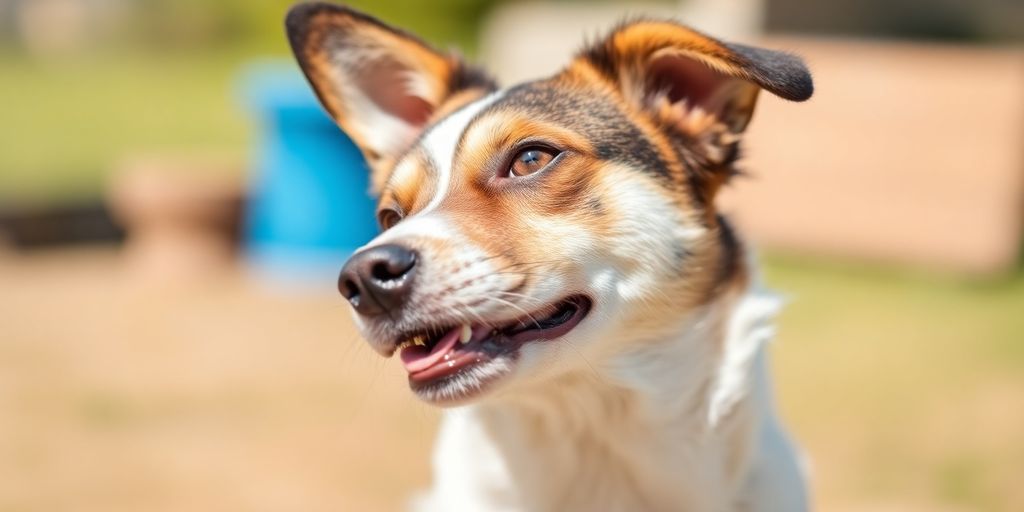
Teaching your dog to look left on command is a fascinating trick that can really wow an audience. Imagine your pup turning its head left just because you said so! This trick is not only impressive but also a great way to strengthen the bond between you and your furry friend.
Steps to Teach "Look Left"
- Choose a Cue Word: Pick a simple word or phrase like "left" or "look left" to use consistently.
- Use a Treat as a Lure: Hold a treat in your hand and move it slowly to the left side of your dog’s head. As your dog follows the treat with its eyes and head, say your cue word.
- Reinforce the Behavior: Once your dog turns its head left, immediately reward it with the treat and lots of praise.
- Repeat and Practice: Consistency is key. Repeat this process several times a day until your dog starts associating the cue word with the action.
- Introduce Hand Signals: For more advanced training, incorporate hand signals to reinforce the command.
Teaching your dog to respond to verbal and visual cues can greatly enhance communication and understanding between you two.
This trick requires patience and timing, but it’s a fun way to engage with your dog and keep them mentally stimulated. Once mastered, you can pair it with the "look right" command to create a seamless routine that’ll leave everyone impressed.
3. Look Right
Teaching your dog to "look right" on command isn’t just a neat trick; it’s a way to show off your dog’s listening skills. This trick is especially impressive because it pairs so well with "look left," creating a delightful display of your dog’s ability to follow directions. Here’s how you can teach your dog to look right:
- Get Your Dog’s Attention: Start by getting your dog’s attention with a treat or toy. Hold it in your hand and make sure your dog is focused on it.
- Move the Treat Right: Slowly move the treat to the right side of your dog’s head. As your dog follows the treat with their eyes, say the command "look right."
- Reward and Repeat: Once your dog looks to the right, give them the treat and plenty of praise. Repeat this process several times to reinforce the behavior.
- Practice Without the Treat: Gradually reduce the use of the treat by using just your hand motion and the verbal command. Continue to reward your dog when they follow the command.
- Consistency is Key: Practice this trick in different environments to help your dog generalize the command.
Teaching your dog tricks like "look right" can be a great bonding experience and is a fun way to incorporate effective techniques for teaching your dog fun and obedience tricks into your routine. Remember, patience and positive reinforcement are your best tools in training.
With time and practice, your dog will master the "look right" trick, adding another fun command to their repertoire. Always keep sessions short and engaging to maintain your dog’s interest.
4. No
Teaching your dog to understand the word "no" is crucial for good behavior. It’s not just about stopping unwanted actions; it helps your dog know what’s expected and what isn’t.
Consistency and patience are key when teaching your dog the meaning of "no." It might take a few tries, but with time, they’ll get it.
Here’s a simple guide to help your dog learn this important command:
- Use a firm voice: When your dog does something they shouldn’t, say "no" in a clear, firm tone. Don’t yell, but make sure your voice is different from your normal speaking voice.
- Pause activities: If your dog continues the unwanted behavior, stop what you’re doing. This pause helps them understand that their actions have consequences. Learn more about effective communication with your dog.
- Repeat and reinforce: Dogs learn through repetition. Continue to use the "no" command consistently. Over time, they’ll associate the word with stopping their behavior.
- Praise good behavior: When your dog stops the unwanted action, immediately praise them or give them a treat. This positive reinforcement helps them understand what you want them to do instead.
Training your dog to respond to "no" can make your life together much more enjoyable. It sets boundaries and helps your dog feel secure knowing what’s expected of them. Plus, it can stop those pesky habits before they become too ingrained.
5. Sky
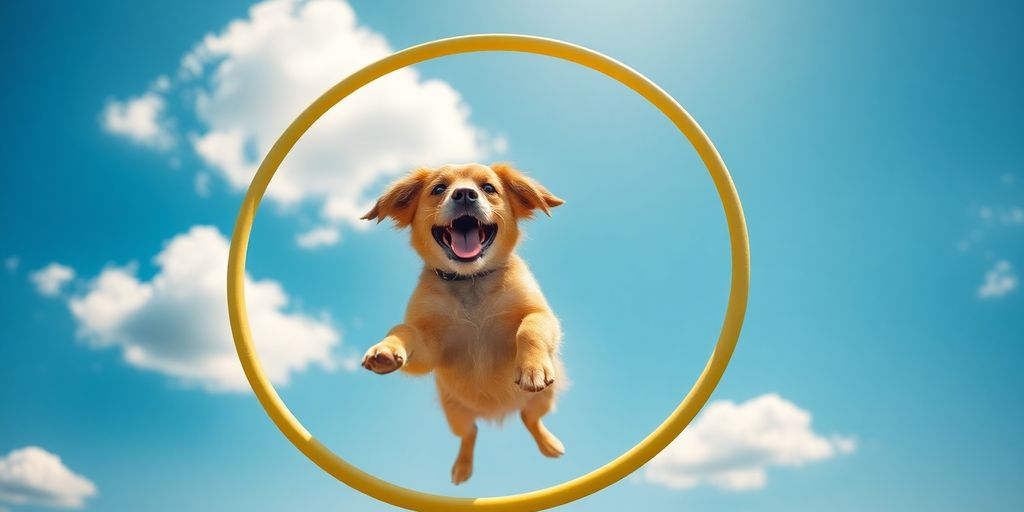
Teaching your dog to look up at the sky on command is a nifty trick that can really wow your friends. Dogs naturally have a limited range of motion when it comes to looking upwards, so this trick requires a bit of finesse and patience.
Steps to Teach "Sky"
- Start Simple: Begin by holding a treat above your dog’s head. Slowly move it upward and say the command "Sky" as they tilt their head back.
- Reward the Behavior: As soon as your dog looks up, give them the treat and lots of praise. Consistency is key here.
- Practice Regularly: Repeat this exercise a few times a day. The more often you practice, the faster your dog will learn.
Tips for Success
- Patience is Key: Some dogs might take longer to learn this trick than others. Don’t rush or get frustrated.
- Positive reinforcement is your best friend. Always reward your dog when they perform the desired action.
- If your dog seems confused, try adjusting the height or angle of the treat to make it easier for them.
Teaching your dog to follow commands like "Sky" isn’t just about showing off; it strengthens your bond and builds trust. Remember, every small success is a step forward in making training a fun and rewarding experience for both you and your pet.
By mastering this trick, you’ll not only impress your friends but also enhance your dog’s ability to follow directions. For more techniques that focus on understanding your dog’s learning style and fostering a positive training environment, check out our guide on managing distractions and ensuring a positive training experience.
6. Ground
Teaching your dog the "Ground" command is a fun and rewarding way to enhance their obedience skills. This trick involves your dog lowering their body to the ground, which can be useful in various situations. Here’s how you can teach your furry friend this impressive trick:
- Start with the basics: Before diving into this trick, make sure your dog is comfortable with basic commands like "Sit" and "Stay". These commands set the foundation for more advanced tricks.
- Use a treat: Hold a treat close to your dog’s nose and slowly move it towards the ground. As your dog follows the treat, gently guide their body down. Once they are lying down, say "Ground" and give them the treat.
- Practice patience: Teaching any new trick requires patience. Repeat the process several times a day, keeping each session short and positive.
- Add a hand signal: Once your dog starts associating the word "Ground" with lying down, introduce a hand signal. This could be a downward motion with your hand, which will help reinforce the command.
- Gradually phase out treats: As your dog becomes more familiar with the command, start using treats less frequently. Praise and affection can be just as rewarding for your dog.
Training your dog is not just about commands—it’s about building a bond and understanding between you and your pet. Enjoy the process and celebrate small victories along the way.
Incorporating the "Ground" command into your dog’s routine can also enhance their safety. For example, if you’re out on a walk and need your dog to stop suddenly, this command can be as effective as the "Stop" command. With consistent practice, your dog will soon impress everyone with their ability to hit the ground on cue!
7. Yes
Teaching your dog to nod "Yes" is not just a cute trick but also a way to improve communication between you and your furry friend. Dogs can learn to associate the nodding motion with the affirmation "Yes," which can be handy in various situations.
Steps to Teach "Yes"
- Choose a Signal: Start with a simple hand signal or verbal cue that will mean "Yes" to your dog. It could be a nod from you or a specific word.
- Use Treats: Hold a treat close to your dog’s nose and slowly move it upwards. As your dog follows the treat, they will naturally nod. Reward them immediately.
- Repeat and Reinforce: Consistency is key. Repeat the exercise several times a day. Gradually introduce the cue before moving the treat.
Tips for Success
- Keep training sessions short to prevent your dog from getting bored.
- Use positive reinforcement like treats or praise to encourage your dog.
- Be patient; some dogs might take longer to learn than others.
Teaching your dog tricks like "Yes" can strengthen your bond and make training sessions more enjoyable. Remember, every dog learns at their own pace, so patience and consistency are your best tools.
For more fun tricks, you might want to explore agility tricks to teach your dog at home, which can also enhance your dog’s learning experience.
8. Wolf
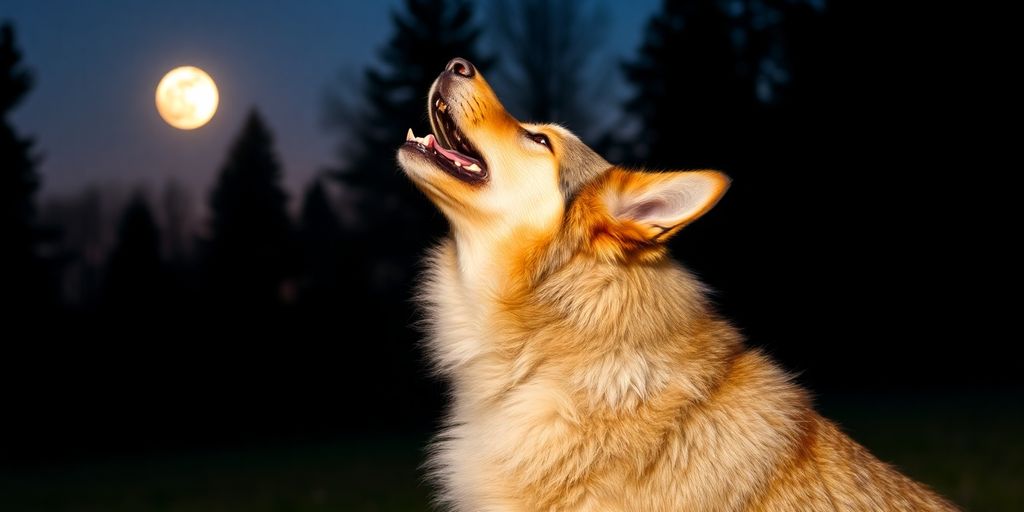
Teaching your dog to howl like a wolf is a super fun trick that’s sure to get some laughs and "wows" from everyone around. It’s not just cute; it’s downright impressive when your pooch lets out a howl on command. Here’s a simple way to get started:
- Find the Right Sound: Start by figuring out what sound or cue will trigger your dog to howl. It might be a specific word, a musical instrument, or even you howling yourself.
- Encourage the Howl: When your dog starts to howl, immediately reward them with a treat or lots of praise. This positive reinforcement helps them connect the action with the reward.
- Practice and Patience: Keep practicing and be patient. Dogs might not get it right away, but with time, they’ll start to associate the cue with howling.
Teaching your dog to howl isn’t just about the trick itself. It’s about having fun and strengthening the bond you share with your furry friend.
Once your dog has mastered the wolf howl, you can even try to incorporate more advanced tricks like a duet, where you both howl together. This can be a great stress reliever and a fantastic way to entertain guests.
For more fun and effective techniques, check out this guide that emphasizes patience and positive reinforcement in dog training.
9. Wipe Your Paws
Teaching your dog to wipe their paws is not just a neat party trick, but it’s super practical too. Imagine coming back from a muddy walk and your dog knows exactly what to do before entering the house. This trick can save you a lot of cleaning time and keep your floors spotless.
Steps to Teach the Trick
- Choose a Mat: Start with a mat or towel by the door. It’s the dedicated spot for your dog to wipe their paws.
- Introduce the Command: Use a command like "wipe" or "paws". Consistency is key here.
- Positive Reinforcement: Whenever your dog makes any paw movement on the mat, reward them with a treat. This encourages them to associate the action with a positive outcome.
- Practice Regularly: Like any other trick, repetition is crucial. Practice this routine every time you come back from a walk.
Why This Trick is Awesome
- Clean Home: Keeps your home cleaner, especially during rainy seasons.
- Natural Behavior: Utilizes a dog’s natural instinct to wipe their paws.
- Impress Guests: It’s a great way to show off your dog’s skills to visitors.
Training your dog to wipe their paws combines utility with fun. It’s a simple yet effective way to manage muddy paws and impress your friends.
For more comprehensive dog training courses and guides that cover a wide range of tricks and obedience training, explore our resources. They’re perfect for both new and experienced dog owners.
10. Shake
Teaching your dog to "shake" is a classic trick that’s both simple and delightful. It’s a great way for your pup to greet people and can be a fun party trick to show off. Plus, it helps reinforce good behavior with a positive reward.
Steps to Teach Your Dog to Shake
- Start with a Sit: Begin with your dog in a sitting position. This sets a calm and focused tone for the training session.
- Introduce the Treat: Hold a treat in your hand and let your dog sniff it. This will grab their attention and motivate them to participate.
- Extend Your Hand: Slowly extend your hand towards your dog. As they lift their paw to reach for the treat, gently take their paw in your hand.
- Use the Command "Shake": As you hold their paw, say the word "shake" clearly. This helps them associate the action with the command.
- Reward and Repeat: Give your dog the treat and praise them. Repeat the process several times until your dog starts to lift their paw on their own when you say "shake."
Teaching your dog to shake not only impresses guests but also strengthens the bond between you and your furry friend. It’s a simple yet effective way to engage their mind and improve their obedience.
Tips for Success
- Consistency is Key: Use the same command and hand gesture every time to avoid confusing your dog.
- Be Patient: Some dogs may take a little longer to learn than others. Keep sessions short and positive.
- Practice Regularly: Consistent practice will help your dog remember the trick more easily.
For a more detailed guide, check out our 10-step process to teach your dog to shake. It’s perfect for ensuring your timing is spot-on and your dog learns effectively.
When it comes to teaching your dog to shake, it’s all about fun and patience. Start by getting your dog to sit, then gently lift their paw while saying "shake." Reward them with a treat and praise when they do it right. Keep practicing, and soon your dog will be shaking paws like a pro! For more tips and tricks on dog training, visit our website and discover how to make training enjoyable for both you and your furry friend!
Wrapping It Up: Your Dog’s New Tricks
So there you have it, ten fun tricks to teach your dog that are sure to impress everyone. Whether it’s a simple shake or a more complex "fetch the phone," these tricks are not just about showing off. They’re a fantastic way to bond with your furry friend, keep their mind sharp, and even make your life a little easier. Remember, patience and positive reinforcement are key. Don’t rush it; enjoy the process and celebrate the small victories along the way. Before you know it, your dog will be the star of the show at every gathering. Happy training!
Frequently Asked Questions
What is the easiest trick to teach my dog?
A simple trick like ‘Shake’ is often the easiest to teach. It’s a fun way for your dog to greet people and can be learned quickly with treats and praise.
How long does it take to teach a dog a new trick?
The time it takes varies depending on the trick and the dog. Simple tricks can be learned in a few days, while more complicated ones might take weeks of consistent practice.
Can older dogs learn new tricks?
Yes, older dogs can learn new tricks! It’s a great way to keep their minds active and strengthen your bond. Just be patient and use positive reinforcement.
What should I do if my dog gets frustrated during training?
If your dog gets frustrated, take a break and try again later. Keep sessions short and fun, and always end on a positive note with a reward or praise.
Are treats necessary for training?
Treats are helpful as they motivate your dog and reinforce good behavior. However, you can also use praise, toys, or other rewards your dog enjoys.
How can I make training more fun for my dog?
To make training fun, keep sessions short, use a happy tone, and incorporate play. Vary the tricks and always reward your dog for their efforts.